
 Save 15% on your 1st Autoship learn more

 Email us
 Live Chat
 FAQs
FAQs





Introduction
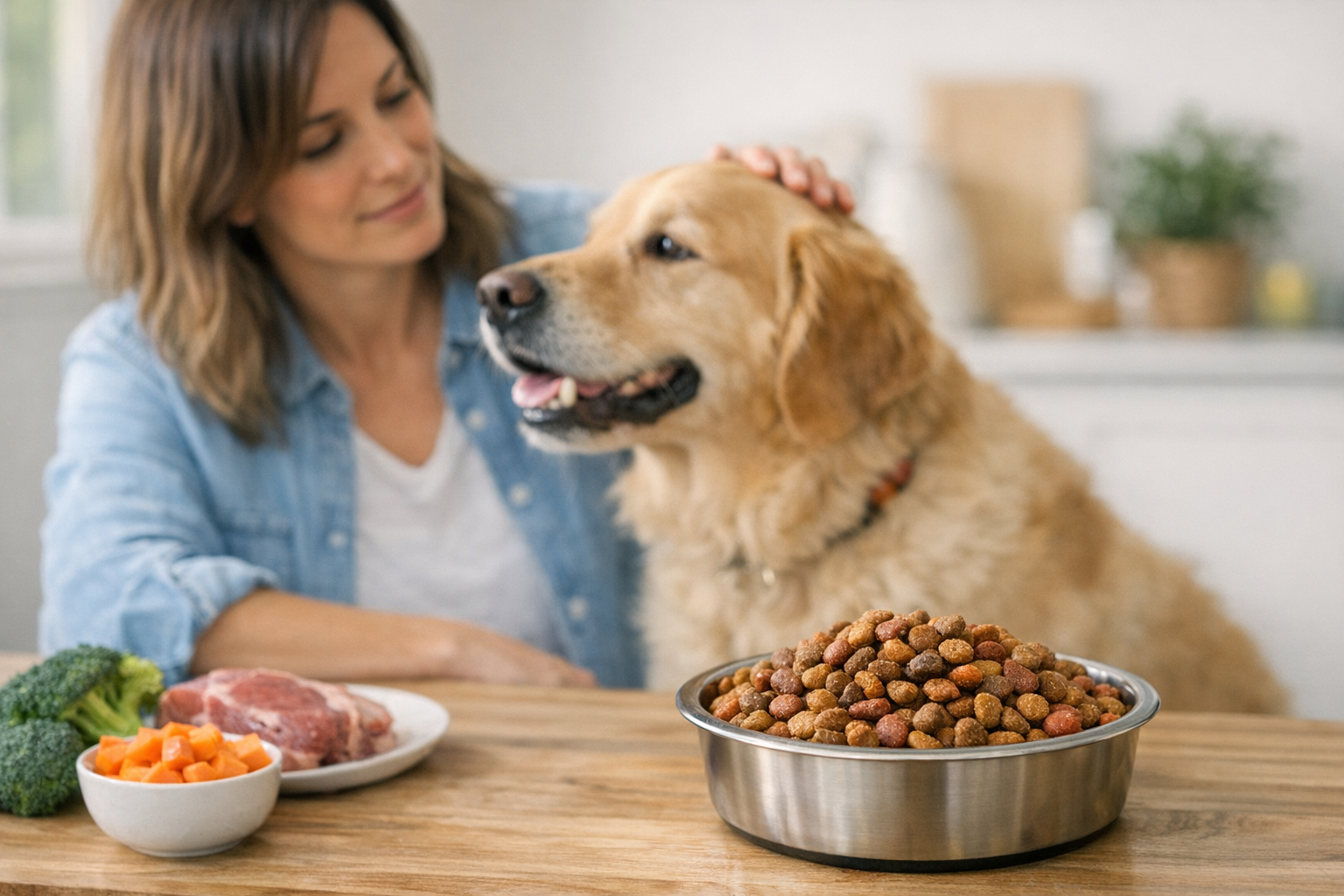
Standing in the pet food aisle can feel overwhelming. You look at rows of colorful bags and wonder if those crunchy nuggets provide everything your dog needs to thrive. You want to make the right choice for their health, but the debate between wet and dry options never seems to end. At BaxterBoo, we talk to pet owners every day who are navigating these exact nutrition questions. This article explores the benefits and drawbacks of dry dog food, and our dog food category makes it easier to compare formulas. We will look at how it is made, the dental benefits it offers, and when a different format might be better for your pup. Dry food is a safe, balanced, and highly convenient option for most healthy dogs when you prioritize high quality ingredients.
How Dry Dog Food is Made
Understanding how kibble is produced helps clarify its nutritional value. Most dry dog foods are made through a process called extrusion. Manufacturers take meat, grains, vitamins, and minerals and pulverize them into a consistent dough. This mixture is cooked under high pressure and temperature. It is then pushed through a die to create specific shapes.
Once the kibble is shaped, it undergoes a drying process. This removes most of the moisture, usually leaving only about 10 percent water content. Because the cooking process can sometimes reduce the potency of certain nutrients, many brands spray the finished kibble with fats, oils, and vitamins. This step ensures the food meets nutritional standards and tastes good to your dog.
Key Takeaway: The extrusion process creates a shelf-stable product that is easy to store and measure, though it results in much lower moisture levels than fresh or canned food.
The Practical Benefits of Kibble
Dry food remains the most popular choice for US pet owners for several practical reasons. It is generally the most cost effective way to feed a dog, especially for those with large breeds. You can buy larger bags that last for weeks, which reduces the frequency of shopping trips.
Convenience is another major factor. You can leave dry food out in a bowl for several hours without it spoiling. This is ideal for dogs that prefer to graze throughout the day. It also makes traveling much easier. You do not have to worry about refrigeration or the mess of open cans while on the road.
Dry food is also perfect for enrichment. You can easily put kibble into puzzle toys or slow feeders, and our dog toys category is a good place to start. These tools provide mental stimulation and prevent your dog from eating too quickly. Since the pieces are small and dry, they also work well as training treats during your daily practice sessions.
Dental Health and the Crunch Factor
One of the most cited benefits of dry food is its impact on dental health. When a dog crunches down on hard kibble, the mechanical action helps scrape away a small amount of plaque. Some specialized dental diets are even shaped to maximize this scraping effect.
However, dry food is not a total replacement for dental care. While it can help reduce tartar buildup compared to sticky wet food, most dogs still need regular teeth brushing. Some kibble pieces shatter too easily to provide much cleaning action. Our dog healthcare category includes options for owners who want to focus on this area.
Vet Tip: Even if your dog eats a dry diet, schedule annual dental checkups. Professional cleanings and daily brushing are the only ways to truly prevent periodontal disease.
The Importance of Hydration
The biggest difference between wet and dry food is the moisture content. Wet food is often 75 percent water or higher. Dry food is usually around 10 percent. If your dog eats only kibble, they must get their hydration entirely from their water bowl.
For most healthy dogs, this is not an issue. They will naturally drink more to compensate for the dry meal. However, some dogs are not good drinkers. Dogs with a history of urinary tract issues or kidney disease may struggle on a strictly dry diet. These pets often benefit from the extra moisture found in canned food or by adding water directly to their kibble.
If you notice your dog is always hovering over the water bowl or if their urine is very dark, they might need more hydration. Our pet pharmacy carries specialized prescription diets for urinary and kidney health. These often come in both wet and dry formats to help manage these chronic conditions.
Comparing Dry and Wet Dog Food
Choosing between these two formats often involves balancing nutrition, cost, and your dog's personal preferences.
| Feature | Dry Dog Food (Kibble) | Wet Dog Food (Canned) |
|---|---|---|
| Moisture Content | Low (approx. 10%) | High (75% to 84%) |
| Shelf Life | Long (weeks after opening) | Short (2 to 3 days refrigerated) |
| Cost | Usually lower per serving | Usually higher per serving |
| Palatability | Moderate | Very High |
| Dental Impact | Helps reduce plaque | Can stick to teeth |
| Weight Control | High calorie density | Lower calorie density (more filling) |
Identifying High Quality Ingredients
Not all dry foods are created equal. The quality of the ingredients matters more than the format of the food. When you look at a bag, the first few ingredients should be identifiable animal proteins. Look for "chicken," "beef," or "lamb" rather than vague terms like "meat by-products" or "animal meal."
Check for a statement from the Association of American Feed Control Officials (AAFCO). This confirms the food is nutritionally complete and balanced for your dog's specific life stage. We carry premium options like our selection of Orijen products that prioritize transparent sourcing and high protein quality.
What to Avoid on the Label
- Excessive chemical preservatives like BHA or BHT.
- Artificial colors and flavors that offer no nutritional value.
- Unidentified fat sources like "animal fat."
- High amounts of fillers like corn or soy if your dog has sensitivities.
Quick Answer: Yes, dry food is good for dogs as long as it is a high quality, AAFCO-compliant recipe. It provides essential nutrients in a convenient format that supports dental health and easy portioning.
When Dry Food Might Not Be the Best Choice
While kibble is excellent for most, some dogs have specific needs that make dry food difficult. Senior dogs with missing teeth or painful gums often struggle to crunch hard pellets. For these pets, the hard texture can turn mealtime into a chore.
Picky eaters are another group that might turn their nose up at dry food. Canned food has a much stronger aroma and a more appealing texture for many dogs. If your dog is recovering from surgery or an illness, their appetite might be low. In these cases, the smell of wet food can encourage them to eat the calories they need for recovery.
Weight management can also be tricky with dry food. Kibble is very calorie dense. It is easy to overfeed because a small volume of food contains a lot of energy. If your dog always seems hungry, wet food can help them feel fuller because of the high water volume, and our post on whether senior dogs should eat wet or dry food covers this question in more detail.
The Benefits of Mixing Wet and Dry Food
You do not have to choose just one. Many pet parents find that mixing wet and dry food offers the best of both worlds. This approach is often called "topping" or "mixed feeding." It provides the dental benefits and cost savings of kibble while adding the hydration and flavor of wet food.
If you decide to mix, you must be careful with total calorie counts. Adding a half can of wet food to a full serving of dry food will lead to weight gain. You should reduce the amount of kibble to account for the calories in the topper, and our guide to mixing dry dog food with wet explains the basics.
Key Takeaway: Mixing food formats can increase mealtime excitement and hydration without losing the convenience of a dry food base.
Transitioning to a New Dry Food
If you decide to switch your dog to a high quality dry food, do it slowly. A sudden change in diet can lead to an upset stomach, gas, or diarrhea. Your dog's digestive system needs time to adapt to new protein sources and fiber levels.
Step 1: Mix 25 percent of the new food with 75 percent of the old food for two days.
Step 2: Move to a 50/50 split for the next two days.
Step 3: Feed 75 percent new food and 25 percent old food for two days.
Step 4: Transition to 100 percent of the new dry food.
If you notice any persistent digestive issues during this week, slow down the process. Consult your veterinarian if your dog develops severe vomiting or refuses to eat.
Storing Your Dry Dog Food
Many owners make the mistake of pouring dry food into large plastic bins. This can actually cause the food to spoil faster. The fats in the food can oxidize when exposed to air, and plastic bins can harbor bacteria if they are not washed regularly.
The best way to store kibble is inside its original bag. Most high quality bags are designed to keep out light and air. You can place the entire bag inside a sealed container for extra protection against pests. Always check the expiration date and try to use the bag within six weeks of opening it, especially if you want to keep the food as fresh as possible for your dog.
Vet Tip: Keep the original packaging even if you use a bin. If there is ever a product recall, you will need the lot number and date code printed on the bag.
Senior Dogs and Dry Food
As dogs age, their nutritional needs change. Many senior dogs benefit from dry foods that include joint support like glucosamine or chondroitin. Brands like Cosequin are often integrated into senior formulas to help with mobility, and our selection of Cosequin products is a helpful place to look.
However, senior dogs also have a higher risk of dehydration and dental pain. If you notice your older dog is leaving kibble in the bowl, try soaking it in warm water or low sodium broth. This softens the texture and releases the aroma, making it easier and more appealing to eat.
For seniors with more significant health challenges, such as cognitive decline or heart issues, specific nutrition is vital. Our pet pharmacy offers prescription diets and medications that address these senior-specific needs. Working with your vet to choose the right formula can significantly improve your dog’s quality of life in their golden years.
Puppy Nutrition: Dry vs. Wet
Puppies have very high energy requirements because they are growing so rapidly. High quality dry puppy food is formulated to provide the correct ratio of calcium and phosphorus for bone development. Most puppies do very well on dry food once they are fully weaned, and our puppy supplies collection can help you get started.
During the teething phase, which happens between three and six months, your puppy's mouth might be sore. They may be less interested in hard kibble during this time. You can soften the food with a little water to help them through this uncomfortable period. Once their adult teeth are in, they can usually return to standard dry kibble.
Bottom line: Dry food is a fantastic, complete source of nutrition for puppies as long as the bag is specifically labeled for growth or all life stages.
Managing Allergies with Dry Food
If your dog struggles with itchy skin or chronic ear infections, they might have a food sensitivity. Many dry dog foods use limited ingredients to help manage these issues. Recipes that use a single protein source, like salmon or venison, make it easier to avoid triggers.
Some dogs require a hydrolyzed protein diet, where the protein is broken down so small that the immune system does not recognize it as a threat. These diets are almost exclusively available through a prescription. Our dog pharmacy carries these specialized allergy diets to help your dog find relief from persistent itching.
Using Kibble for Training and Enrichment
Dry food is the ultimate tool for positive reinforcement training. Because it is small, easy to handle, and non-greasy, you can keep a handful in your pocket during walks. Using part of your dog's daily meal for training helps prevent overfeeding and keeps them motivated.
You can also use dry food to make mealtime more interesting.
- Scatter kibble in the grass for a "sniffing safari."
- Use a snuffle mat to engage their natural foraging instincts.
- Put kibble inside a rubber Kong and seal it with a little peanut butter.
- Use a weighted "wobble" toy that dispenses food as it moves.
These activities slow down fast eaters and provide the mental exercise that every dog needs. It turns a basic necessity into a fun, engaging part of their day.
Understanding the BaxterBoo Selection
We take pride in our curated selection of over 500 brands. We don't just stock what is popular; we stock what we would feed our own pets. From the high protein recipes of Orijen and Ziwi Peak to the air-dried options from Stella & Chewy's, we offer variety for every budget and dietary need.
We know that every dog is an individual. What works for a high energy Border Collie might not be right for a senior Bulldog. Our warehouse in Vernon Hills is stocked with options for every life stage and health condition. Whether you need a grain-free recipe or a traditional grain-inclusive diet, we have experts who can help you find the right fit.
If your vet has recommended a specific diet for a medical condition, remember that our pharmacy is here to help. We provide a convenient way to get prescription foods and medications delivered right to your door. This partnership ensures you have access to professional-grade nutrition alongside your regular shopping.
Summary of Feeding Dry Food
Dry dog food is a reliable, nutritious, and practical choice for the majority of dogs. It offers dental benefits, ease of storage, and the best value for your budget. While it is lower in moisture than wet food, most dogs stay perfectly hydrated by drinking from their water bowl. By choosing brands with high quality animal proteins and avoiding unnecessary fillers, you are providing a solid foundation for your dog's health.
- Select AAFCO-compliant foods for your dog's specific life stage.
- Store food in its original bag to maintain freshness.
- Monitor your dog's hydration and dental health.
- Use kibble for enrichment and training.
- Consult a vet if your dog shows signs of allergies or dental pain.
Key Takeaway: Quality dry food is a healthy choice that combines balanced nutrition with everyday convenience for busy pet owners.
For consistent savings and to ensure you never run out of your dog's favorite food, consider signing up for our Autoship programme. It provides recurring delivery and a free MVP Gold membership, making it easier than ever to manage your pet's needs.
You can also earn up to 5 percent back on every purchase through the MVP Rewards programme.
FAQ
Can I leave dry dog food out all day? Yes, dry food is much more stable than wet food and can safely stay in a bowl for several hours. This is helpful for dogs that like to graze, but you should still wash the bowl daily to prevent bacteria buildup. If your dog has a weight problem, scheduled mealtimes are usually better than leaving food out constantly.
Does dry food really clean a dog's teeth? The mechanical crunching of kibble can help reduce plaque and tartar, but it is not a complete dental solution. Some kibbles are specifically designed with a texture that scrubs the tooth surface more effectively. However, you should still brush your dog's teeth and schedule regular veterinary dental exams for the best oral health.
Is grain-free dry food better for my dog? Grain-free is not necessarily better unless your dog has a specific allergy to grains like corn, wheat, or rice. Many healthy dogs thrive on grain-inclusive diets that use high quality sources like brown rice or oatmeal. You should consult your veterinarian before switching to a grain-free diet, especially given ongoing research into heart health and certain ingredients.
What should I do if my dog stops eating their dry food? A sudden loss of appetite can be a sign of dental pain, illness, or simply pickiness. Try adding a little warm water or a healthy topper to see if the aroma encourages them to eat. If your dog refuses food for more than 24 hours or shows other symptoms like lethargy, you should contact your veterinarian for a checkup.






