
 Save 15% on your 1st Autoship learn more

 Email us
 Live Chat
 FAQs
FAQs





Introduction
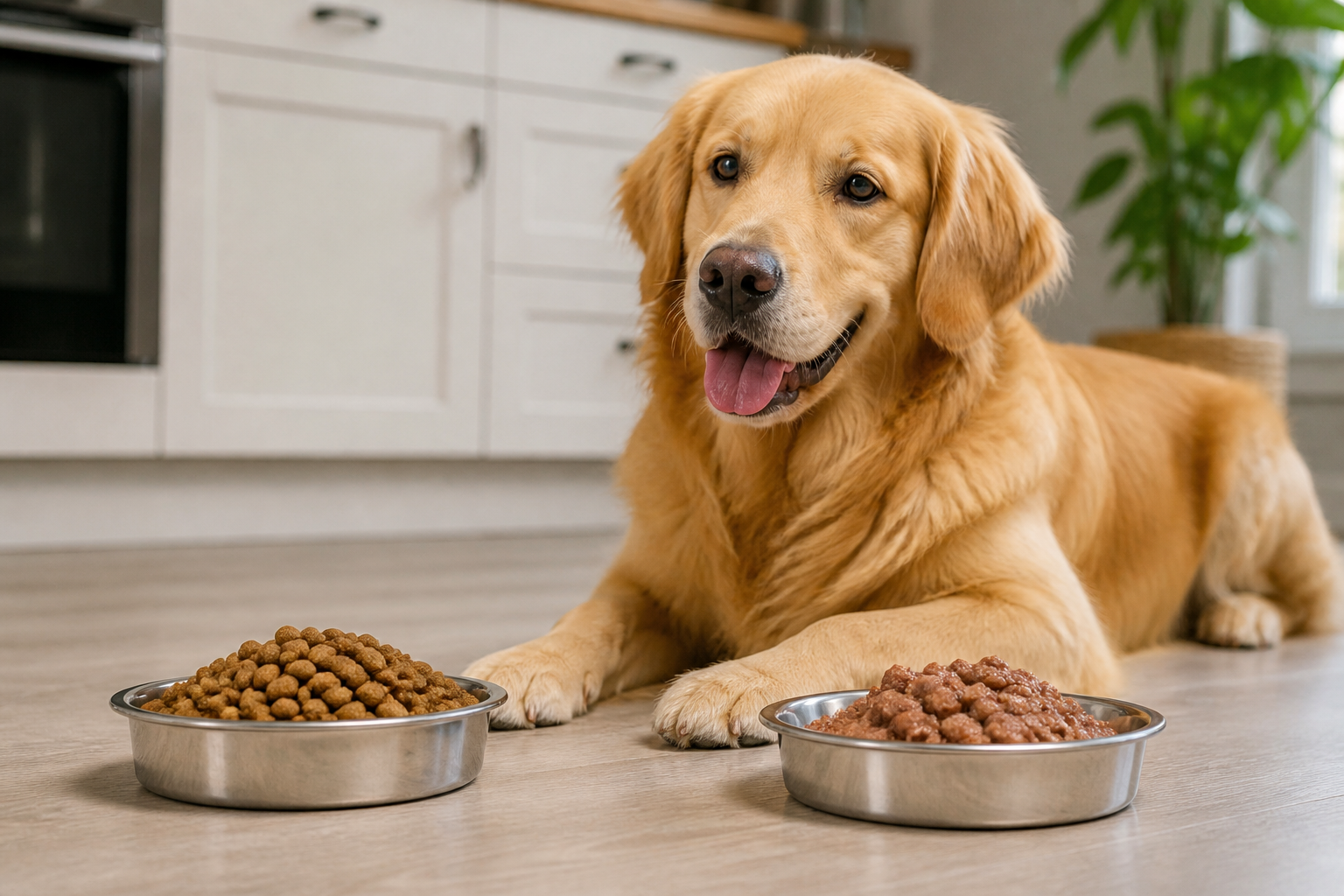
You are standing in the pet food aisle or scrolling through a massive online selection. On one side, you see heavy bags of dry kibble promising dental health and convenience. On the other side, rows of colorful cans offer rich aromas and high moisture. This choice is one of the most common hurdles for dog owners. Every dog has unique needs based on their age, activity level, and health status. At BaxterBoo, we have spent years helping pet parents navigate these nutritional crossroads. This guide explains the functional differences between dry and canned options. We will look at moisture levels, calorie density, and how each type affects your dog’s long term wellness. Our goal is to help you decide which format belongs in your dog’s bowl.
Quick Answer: Neither dry nor canned food is objectively better for every dog. Dry food offers convenience and dental benefits. Canned food provides superior hydration and palatability. The best choice depends on your dog's specific health needs and your lifestyle.
The Physical Differences Between Dry and Canned Food
The most obvious difference between these two food types is the texture and water content. Dry dog food typically contains only 10 percent moisture. Manufacturers create it through a process called extrusion. They mix ingredients into a dough and cook it under high pressure. Then they push the dough through a die to create specific shapes. These pieces are dried and often sprayed with fats or vitamins to improve the taste.
Canned food is entirely different. It starts with ground protein sources mixed with a liquid gravy or gel. This mixture is sealed in a container and heated to sterilize the contents. This process results in a product that is 75 percent to 80 percent water. Because of this high moisture, canned food is much softer and more aromatic than kibble.
The difference in processing also affects how these foods are stored. Dry food is shelf-stable for long periods even after the bag is opened. Canned food is sterile until the seal is broken. Once you open a can, the clock starts ticking. Bacteria can grow quickly in the moist environment. You must treat opened canned food like the meat you buy for your own dinner.
The Benefits of Dry Kibble
Many dog owners choose dry food as their primary option for several practical reasons. It is the most cost-effective way to feed a dog. You are not paying for the weight of water, which makes shipping and storage more efficient. If you have a large breed dog, feeding exclusively canned food can become very expensive. You can compare options in our dog food category.
Dry food also offers a level of convenience that fits busy schedules. You can leave kibble in a bowl for several hours without it spoiling. This is ideal for dogs that prefer to graze throughout the day. It also works perfectly with automatic feeders and interactive puzzle toys.
- Easy to measure and portion accurately.
- Stays fresh in a sealed container for weeks.
- Requires less storage space than a case of cans.
- Creates less packaging waste per meal.
Dental Health and Mechanical Action
One frequent argument for dry food is its impact on dental health. The crunchy texture of kibble requires a dog to chew. This mechanical action can help scrape away some plaque and tartar from the surface of the teeth. Some specialized dental diets use a specific fiber matrix to maximize this effect.
However, standard kibble is not a replacement for brushing your dog's teeth. Most dogs swallow small kibble pieces whole or shatter them quickly. This provides limited cleaning at the gum line where most dental disease begins. While dry food is better for teeth than soft canned food, you should still maintain a regular grooming routine. For additional context, read whether dry food is enough for dogs.
Key Takeaway: Dry food is the most convenient and budget-friendly choice. It is ideal for free-feeders and helps slightly with dental maintenance.
The Advantages of Canned Dog Food
Canned food is often the winner when it comes to taste and smell. The cooking process locks in the natural aromas of meat and fat. This makes it a fantastic choice for picky eaters. If your dog turns up their nose at dry kibble, the strong scent of a high-quality canned food can often stimulate their appetite.
The high moisture content is another significant benefit. Many dogs do not drink enough water on their own. Canned food provides hydration directly through the meal. This is particularly helpful for dogs living in hot climates or those that are highly active. You can explore wet food options in our dog food collection.
Satiety and Weight Management
Canned food can be a helpful tool for dogs that always seem hungry. Because it is mostly water, canned food has lower calorie density than dry food. This means your dog can eat a larger volume of food without consuming more calories.
Imagine a cup of dry kibble compared to a cup of canned food. The kibble is packed with concentrated energy. The canned food is mostly water weight. If your dog needs to lose weight, replacing some kibble with canned food can help them feel full. This prevents the begging behavior that often makes weight loss difficult for pet owners.
Vet Tip: If your dog has a history of urinary crystals or kidney issues, increased water intake is vital. Consult your veterinarian about using canned food to support their hydration. Our pharmacy carries FDA-approved prescription diets for these conditions through our partnership with Pet's Choice.
Nutritional Comparison: Dry Matter Basis
Comparing the protein and fat on a dry food bag to a can is confusing. A dry food might list 25 percent protein. A canned food might list only 8 percent. At first glance, the dry food looks much higher in protein. This is a common misunderstanding because of the water content.
To truly compare the two, you must look at them on a dry matter basis. This means you calculate the nutritional percentages after removing all the water. When you do this math, you often find that canned food actually has higher protein and fat levels than kibble. For another perspective on these differences, see this guide to wet and dry dog food.
- Dry food: 10% water, 90% dry matter.
- Canned food: 80% water, 20% dry matter.
- Canned food often contains fewer carbohydrates because it does not need starches to hold its shape.
Choosing Food for Senior Dogs
As dogs age, their nutritional needs and physical abilities change. Senior dogs often suffer from dental issues or missing teeth. For these pets, dry kibble can be painful to chew. Canned food provides a soft texture that is easy to swallow.
Older dogs also lose some of their sense of smell and taste. This can lead to a decreased interest in food. The strong aroma of canned food can help maintain their calorie intake. Furthermore, senior dogs are more prone to dehydration. The moisture in canned food provides a safety net for their kidney health. You can also read whether senior dogs should eat wet or dry food.
If your senior dog is managing a chronic condition, they may need specialized nutrition. We carry many brands like Royal Canin and Farmina Vet Life that offer formulas for specific health goals. When managing a senior dog's health, always work closely with your veterinarian. You can fulfill many prescription food needs through the our pet pharmacy.
The Case for Mixing Both Types
You do not always have to choose one or the other. Many pet owners find that a combination of dry and canned food offers the best of both worlds. This is often called topping or mixing. You provide the bulk of the calories through dry kibble and add a spoonful of canned food for flavor and moisture.
This approach is cost-effective but still provides the sensory benefits of wet food. It can also make it easier to hide medications. If your dog needs a daily pill, a small amount of canned food is the perfect disguise. For more ideas, read about feeding dogs wet and dry food together.
How to Transition or Mix Foods
If you decide to change your dog's diet, you must do it slowly. Their digestive systems are sensitive to sudden changes. Mixing two different types of food requires careful calorie counting to avoid overfeeding.
Step 1: Check the calorie counts. / Look at the calories per cup for the dry food and per can for the wet food.
Step 2: Start with a small ratio. / Replace 25 percent of the dry food with the equivalent calories of canned food.
Step 3: Monitor your dog’s stool. / Watch for any signs of upset stomach or loose stools over the first three days.
Step 4: Increase the ratio gradually. / If your dog responds well, you can move to a 50/50 split or stay at a topping level.
Storage and Safety Guidelines
Proper storage is essential to prevent foodborne illness in your pet. Dry food should stay in its original bag. Manufacturers design these bags to keep out moisture and light. You can place the entire bag inside an airtight plastic bin for extra protection.
Canned food requires more care. Once you open a can, it is exposed to the air. You should never leave canned food in your dog's bowl for more than 30 minutes. If they do not eat it, throw it away. This food-moistening guide also discusses safe handling of moistened meals.
- Store opened cans in the refrigerator.
- Use a silicone lid to seal the can tightly.
- Discard any unused canned food after three days.
- Wash your dog's bowl with soap and water after every wet food meal.
Environmental and Convenience Factors
The environmental impact of your choice might be a factor for you. Dry food uses less packaging relative to the number of meals provided. The bags are often heavy, but they represent a lot of nutrition in one package. Canned food generates a significant amount of metal or plastic waste.
Convenience also plays a role in travel. If you take your dog on road trips, dry food is much easier to manage. It does not require a refrigerator or a can opener. However, if your dog is stressed by travel, the extra palatability of canned food might encourage them to eat in strange environments.
We offer a wide selection of both formats from trusted brands like NutriSource, Stella and Chewy's, and Open Farm. Finding the right balance is easier when you have access to carefully curated items at BaxterBoo.
Health Conditions That Favor Specific Textures
Some medical situations make the choice for you. Dogs with a history of bladder stones or crystals almost always do better on a high-moisture diet. The extra water helps flush the bladder and dilute the urine. In these cases, canned food is often a medical necessity rather than a preference.
On the other hand, dogs prone to obesity might benefit from the structure of dry food. It is much easier to use kibble in slow-feeders. These devices force the dog to work for their food, which slows down their eating. Eating slowly allows the brain to register fullness, which can prevent overeating.
If your dog is dealing with allergies, the choice might depend on the ingredients rather than the texture. Many limited-ingredient diets come in both formats. Whether your dog needs a novel protein like venison or a grain-free option, you can find both dry and canned versions to suit their needs.
Making the Final Decision
There is no single answer to the question of which food is better. For a healthy, young dog with no dental issues, dry food is a perfectly acceptable and practical choice. For a senior dog with a fickle appetite or a dog with urinary issues, canned food is often the superior option.
Most owners find a middle ground. Using high-quality dry food as a base and adding canned food as a treat or topper provides variety. It keeps the dog interested in their meals while keeping the owner's budget in check.
Always keep an eye on your dog's body condition. You should be able to feel their ribs but not see them. If your dog starts gaining weight after you add canned food, you must reduce the amount of kibble. Balance is the key to a long, healthy life.
Bottom line: Choose the food that fits your dog’s health requirements and your daily schedule, while ensuring it meets AAFCO standards for complete and balanced nutrition.
Conclusion
Choosing between dry and canned food does not have to be a source of stress. Both options provide the essential nutrients your dog needs to thrive as long as you choose high-quality brands. Dry food offers unmatched convenience and value. Canned food provides essential hydration and irresistible flavor. Many pet parents find success by combining the two or switching based on their dog’s life stage. We invite you to explore our extensive collection of 500+ brands to find the perfect fit for your pup. Whether you need a standard bag of kibble or a prescription diet from our pharmacy, we are here to support your journey. Consider signing up for our Autoship programme to save on your favorite foods and ensure you never run out. You can also join the MVP Rewards programme to earn points on every purchase while shopping with us at BaxterBoo.
FAQ
Can I leave canned dog food out all day like kibble?
No, you should never leave canned food out for more than 30 to 60 minutes. Because of its high moisture content, it is a breeding ground for bacteria at room temperature. If your dog does not finish their canned food quickly, you must refrigerate the leftovers or throw them away.
Is canned dog food higher in calories than dry food?
Canned food is actually lower in calorie density because it contains so much water. A cup of canned food usually has fewer calories than a cup of dry kibble. This makes canned food a good option for dogs that need to eat a larger volume of food to feel full while losing weight.
Does dry food really clean a dog's teeth?
Dry food provides some mechanical scraping that can help reduce plaque, but it is not a complete dental solution. Most dogs do not chew their kibble enough for it to clean the gum line effectively. Regular teeth brushing and professional veterinary cleanings are still necessary for good oral health.
Why is canned food more expensive than dry food?
Canned food is more expensive because of the packaging and the weight of the water. You are paying for the metal cans and the sterilization process required to keep the food fresh without preservatives. Additionally, you generally need to buy more cans to match the caloric content of a single bag of dry food.






