
 Save 15% on your 1st Autoship learn more

 Email us
 Live Chat
 FAQs
FAQs





Introduction
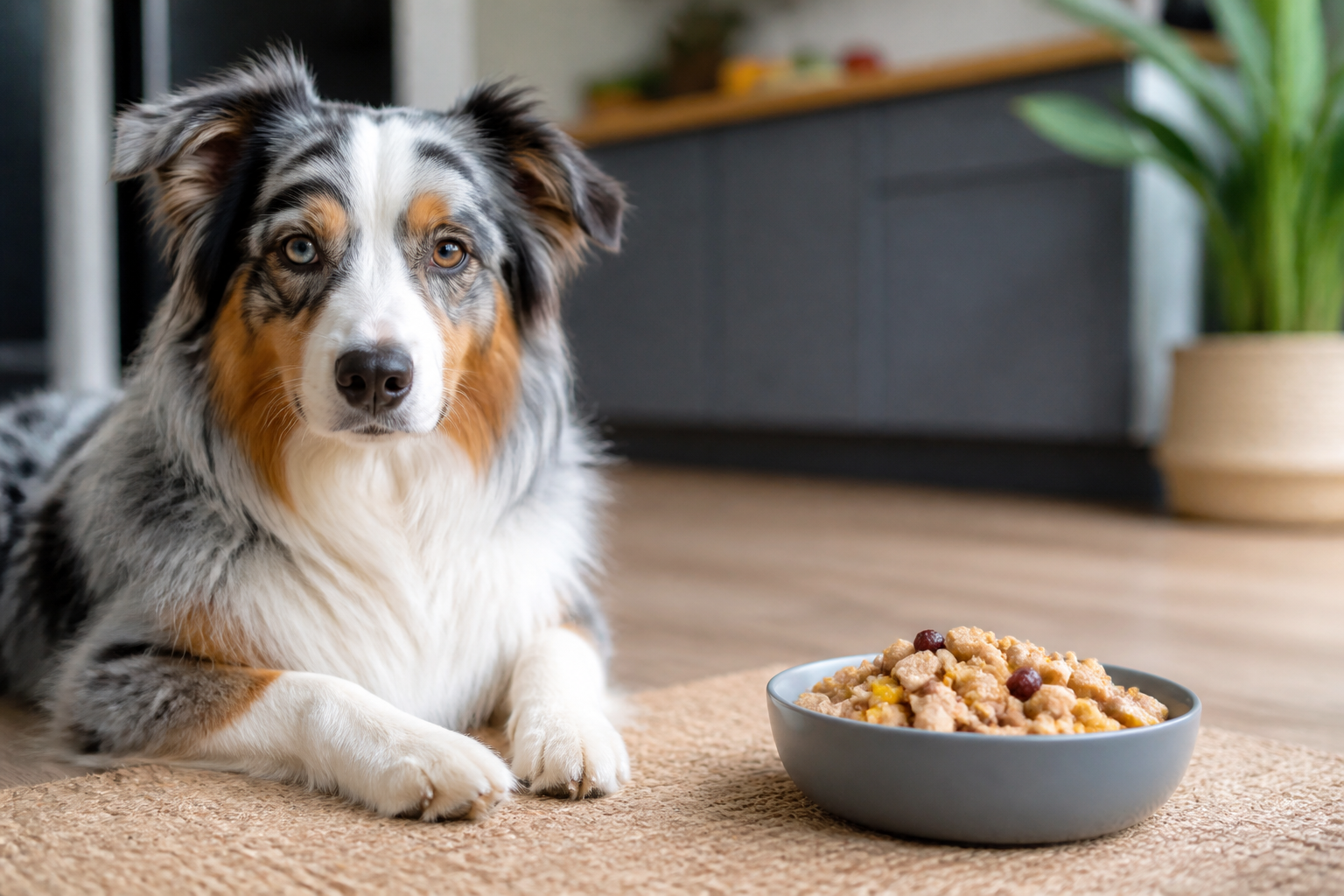
You might be standing in a pet food aisle or scrolling through dozens of online tabs, feeling a bit overwhelmed. Your dog is a family member. You want to give them the best possible nutrition without turning your kitchen into a science lab. Freeze dried dog food has moved from a niche specialty item to a mainstream powerhouse in recent years. At BaxterBoo, we talk to owners every day who wonder if this format is truly better than kibble or if it is just a passing trend. This post will explain exactly how freeze drying works and how it impacts your dog's health. We will look at the nutritional benefits, safety considerations, and the best ways to serve it. Our goal is to help you decide if this high-protein, minimally processed option belongs in your dog's bowl.
Quick Answer: Yes, freeze dried dog food is a highly healthy option for most dogs. It preserves the natural nutrients, enzymes, and flavors of raw food while providing the convenience and shelf stability of a dry product.
What Is Freeze Dried Dog Food?
Freeze dried food is essentially raw food that has had almost all its moisture removed. This happens through a unique process called sublimation. Unlike traditional kibble, which is cooked at very high temperatures, freeze dried ingredients are never subjected to intense heat. This preserves the delicate cellular structure of the meat, fruits, and vegetables.
The process starts with raw ingredients. These are typically high-quality animal proteins like beef, chicken, or fish. Many brands also include organ meats and ground bone for a complete nutritional profile. These ingredients are frozen to a very low temperature. They then enter a vacuum chamber. In this chamber, the ice turns directly into water vapor without ever becoming liquid.
This method is remarkably gentle. It leaves the food lightweight and shelf-stable. It also locks in the natural aroma and taste that dogs find irresistible. When you look at a piece of freeze dried food, it often looks exactly like the raw meat it came from. It is simply much lighter and drier to the touch.
The Science of Nutrient Preservation
The biggest health draw for this food is how it handles nutrients. Most commercial dog foods go through a process called extrusion. This involves high heat and high pressure. While this makes kibble shelf-stable and affordable, it can also destroy heat-sensitive vitamins and enzymes.
Freeze drying keeps these nutrients intact. Vitamins like B-complex and C are notoriously fragile when heated. Because freeze drying stays cold, these vitamins remain bioavailable. Bioavailability refers to how easily your dog's body can absorb and use a nutrient.
Enzymes are another critical factor. Raw foods contain natural enzymes that help with the digestive process. High heat kills these enzymes. By choosing a freeze dried diet, you are giving your dog a meal that is much closer to what they would eat in the wild. This can lead to better nutrient absorption and less waste in the yard.
Key Takeaway: Freeze drying preserves the integrity of proteins and vitamins by avoiding the high temperatures used in kibble production. This creates a nutrient-dense meal that is highly bioavailable for your dog.
Health Benefits for Digestion and Vitality
Many owners notice a change in their dog's digestion after switching to freeze dried food. Because the ingredients are minimally processed, the body does not have to work as hard to break them down. This is especially helpful for dogs with sensitive stomachs or food intolerances.
You might see smaller, firmer stools. This is a sign that your dog is actually using more of the food they eat. Standard kibble often contains fillers like corn, wheat, or soy. These can add bulk to the stool but offer little nutritional value. Freeze dried recipes from brands like Stella and Chewy's or Vital Essentials focus on meat and organs instead.
Better nutrition often shows up on the outside too. A diet rich in natural fats and high-quality protein supports healthy skin and a shiny coat. Many owners report that their dogs have more energy and better muscle tone after making the switch. This is likely due to the high levels of animal-based amino acids.
For additional guidance on serving and portioning, read our freeze-dried dog food feeding guide.
Weight Management and Blood Sugar
Obesity is a major health concern for US dogs today. Many dry foods are high in starches and sugars. These ingredients are necessary to hold a kibble biscuit together. Unfortunately, they can also cause spikes in blood sugar and lead to weight gain.
Freeze dried food is typically very low in carbohydrates. It does not need starch to maintain its shape. This makes it an excellent choice for weight management. When a dog eats a high-protein, low-carb diet, they often feel full for longer.
This nutritional profile is also better for metabolic health. It keeps blood sugar levels more stable throughout the day. If you are managing a dog with weight issues, a low-starch freeze dried option can be a helpful tool.
Vet Tip: If your dog has a chronic condition like kidney disease or diabetes, always consult your veterinarian before switching diets. A sudden change in protein or phosphorus levels can significantly impact their health management.
Safety and the Pathogen Question
Since freeze dried food starts as raw meat, safety is a common concern. It is important to understand that freeze drying itself does not kill all bacteria. It simply makes the environment too dry for them to grow.
To solve this, reputable brands use a process called High-Pressure Pasteurization or HPP. This process uses extreme pressure to eliminate harmful pathogens like Salmonella and Listeria. It does this without using heat, so the nutritional benefits remain.
At BaxterBoo, we only carry brands that prioritize safety and testing. Many of the companies we stock, such as Open Farm and Stella and Chewy's, provide lot-tracking and safety results for every batch. This gives you peace of mind while feeding a raw-based diet.
Safe Handling Tips
- Wash your hands with soap and water after handling the food.
- Clean your dog's bowl thoroughly after every meal.
- Store the food in its original bag or a dedicated airtight container.
- Keep the bag in a cool, dry place to prevent moisture from getting in.
- If you rehydrate the food, treat it like fresh food and discard any leftovers after 30 minutes.
Comparing Diet Types
Choosing a diet often comes down to balancing health, convenience, and cost. Freeze dried food sits in a unique spot between traditional dry food and fresh raw feeding.
| Feature | Dry Kibble | Frozen Raw | Freeze Dried |
|---|---|---|---|
| Processing | High Heat | Minimal | Minimal/None |
| Nutrient Loss | High | Low | Low |
| Convenience | High | Low | High |
| Shelf Life | Long | Short (Frozen) | Very Long |
| Moisture | Low | High | Very Low |
| Storage | Pantry | Freezer | Pantry |
Freeze dried food offers the nutritional punch of raw feeding without the need for a dedicated freezer. It is also much easier to travel with. You do not have to worry about the food thawing or spoiling during a long car ride.
You can compare available options in our freeze-dried pet food collection.
How to Serve Freeze Dried Food
One of the best things about this format is its versatility. You do not have to commit to 100 percent freeze dried meals to see the benefits. Many owners find success using it in different ways.
As a Complete Meal
If your budget allows, you can feed freeze dried food as a total replacement for kibble. This provides the highest level of nutritional benefit. It is particularly great for small breeds or senior dogs who do not require massive amounts of calories daily.
As a Meal Topper
This is a popular middle ground. You can sprinkle crumbled freeze dried pieces over your dog's regular kibble. This adds a boost of high-quality protein and flavor. It is a fantastic way to entice a picky eater to finish their bowl.
The Importance of Rehydration
Because freeze dried food has almost no moisture, your dog needs to get water from elsewhere. You can feed the nuggets dry, but rehydrating them is often better. Adding warm water, bone broth, or goat milk brings the food back to a texture like fresh meat.
Rehydration also helps with hydration levels. This is vital for kidney health and urinary tract function. Most brands suggest a ratio of two parts food to one part water. Let it sit for a few minutes until the moisture is fully absorbed.
For more preparation ideas, see our guide to how to feed freeze-dried dog food for better health.
Bottom line: Rehydrating freeze dried food improves flavor and supports your dog's hydration needs.
Transitioning Your Dog Safely
Changing your dog's food too quickly can cause digestive upset. This is true for any diet change, but it is especially important when moving to a nutrient-dense raw diet. A slow transition allows the gut microbiome to adjust.
Step 1: Start with 75 percent of the old food and 25 percent of the new freeze dried food.
Step 2: Monitor your dog's stool and energy levels for two to three days.
Step 3: If everything looks good, move to a 50/50 mix for another three days.
Step 4: Increase to 75 percent new food for the final stage.
Step 5: Complete the transition to 100 percent after about ten days.
If you notice loose stools or gas, slow down the process. Give your dog's body more time at the current ratio before moving to the next step. Every dog is an individual and some take longer than others to adapt to a new protein source.
Our guide to freeze-dried dog food portions can help you think through feeding amounts during the transition.
Managing Special Health Needs
For many senior dogs or those with chronic health issues, nutrition is a form of medicine. We see many owners looking for specific support for joints, skin, or organ health. Freeze dried foods often include functional ingredients like green-lipped mussels for joints or salmon oil for cognitive health.
Sometimes, a standard commercial diet is not enough. If your veterinarian has prescribed a specific medical diet, you should stick to that plan. Our pharmacy offers a wide selection of FDA-approved medications and prescription diets through our partnership with Pet's Choice. This includes brands like Farmina Vet Life that target specific conditions like urinary stones or cardiac issues.
If your dog is managing allergies, freeze dried food can be a lifesaver. Many recipes use limited ingredients. This makes it easier to avoid common triggers like chicken or grains. Because the processing is minimal, there are fewer hidden additives that might cause a flare-up.
Quality Indicators: What to Look For
Not all freeze dried foods are created equal. When you are shopping at our Vernon Hills warehouse or online at BaxterBoo, keep a few things in mind.
First, check for the AAFCO statement. This ensures the food is "complete and balanced." This means it contains all the vitamins and minerals a dog needs for their specific life stage. Some freeze dried products are labeled for "intermittent or supplemental feeding only." These are meant as treats or toppers, not full meals.
Second, look at the ingredient list. The first few ingredients should be identifiable animal proteins like "deboned beef" or "turkey heart." Avoid products that use vague terms like "meat meal" or "animal by-products." High-quality brands like Acana and Orijen focus on whole-prey ratios. This means they include muscle meat, organs, and bone in proportions that mimic a natural diet.
Finally, check the sourcing. Brands that are transparent about where their meat and produce come from are usually more reliable. We appreciate brands that use grass-fed meats, wild-caught fish, and non-GMO vegetables. These choices impact the final nutrient profile of the food your dog eats.
For another perspective on choosing a formula, browse our dog food category.
Cost vs. Long-Term Value
It is no secret that freeze dried food is more expensive than a bag of standard kibble. The freeze drying process is technically complex and energy-intensive. You are also paying for high-quality ingredients with very little filler.
However, many owners find value in the long-term health of their pets. Better nutrition can lead to fewer vet visits for skin issues, allergies, or digestive problems. Because the food is so nutrient-dense, you also feed smaller portions than you would with kibble. A small bag goes much further than it looks.
To make this more affordable, we offer several ways to save. Our MVP Rewards program lets you earn 5 percent back on your purchases. We also have a Frequent Buyer Program for many of the brands we carry. This allows you to earn free bags over time. For the most convenience and savings, our Autoship program provides a discount on your first order and keeps the food arriving exactly when you need it.
You can learn more about savings through the MVP Rewards programme, the Frequent Buyer Program, and our Autoship programme.
Conclusion
Freeze dried food is a healthy and practical way to bring the benefits of a raw diet into your home. It offers superior nutrient retention, high palatability, and excellent digestibility. Whether you use it as a complete meal or a tasty topper, your dog is getting high-quality nutrition that supports their overall vitality. Always remember to transition slowly and consult your vet if your dog has ongoing health concerns. If you need help choosing the right recipe, our team is here to help you navigate our selection of over 500 trusted brands.
Key Takeaway: Freeze dried food combines the high-nutrition benefits of raw feeding with the convenience of a shelf-stable product, making it an excellent choice for modern dog owners.
To get started with a healthier diet for your dog, explore our full collection of freeze dried dog food. You can also sign up for our Autoship programme to ensure you never run out of your dog's favorite recipes while saving on every order.
FAQ
Do I have to add water to freeze dried dog food?
You do not strictly have to add water, but it is highly recommended. Because the food is so dry, adding water or broth helps with your dog's hydration and makes the food easier to digest. Rehydration also brings out the natural aromas, which makes the meal much more appealing to picky eaters.
Is freeze dried dog food safer than frozen raw food?
Both formats are safe when handled properly and sourced from reputable brands. Many freeze dried brands use High-Pressure Pasteurization to eliminate pathogens like Salmonella without using heat. This makes it a very safe way to provide raw nutrition, especially since it is shelf-stable and does not require thawing.
Can puppies eat freeze dried food?
Yes, as long as the food is formulated for "all life stages" or specifically for puppies. Puppies have different calcium and phosphorus requirements than adult dogs. Always check the packaging for the AAFCO statement to ensure the recipe meets the nutritional levels needed for your puppy's growth and development.
How long does a bag of freeze dried dog food last after opening?
Once opened, a bag of freeze dried dog food typically stays fresh for about 30 to 60 days if stored properly. You should keep it in a cool, dry place and ensure the bag is sealed tightly after every use. Because the moisture has been removed, the food is naturally preserved, but exposure to humidity can cause it to spoil.






