
 Save 15% on your 1st Autoship learn more

 Email us
 Live Chat
 FAQs
FAQs





Introduction
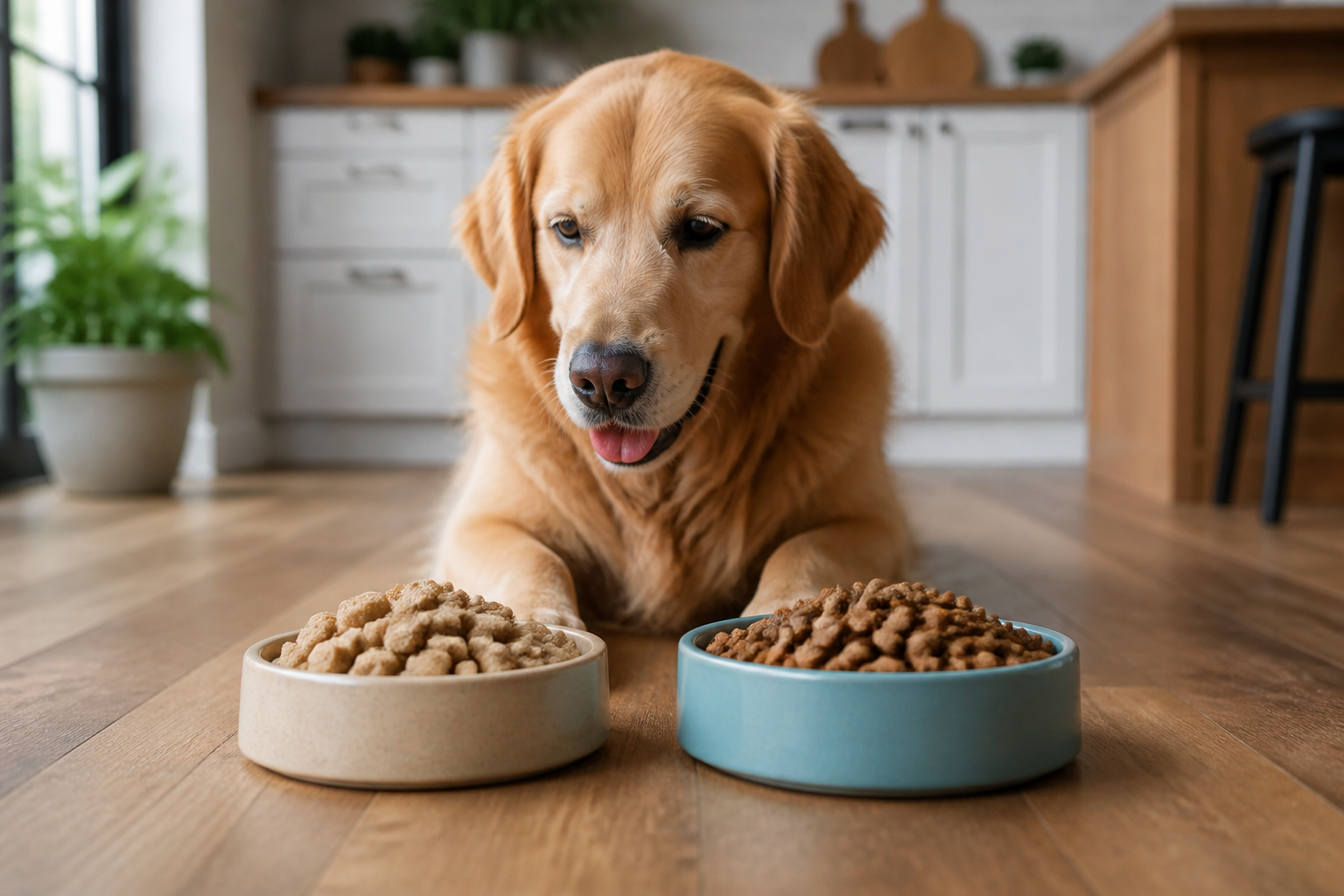
You are standing in front of a shelf filled with premium bags, wondering if the extra cost for air-dried or freeze-dried options is worth the investment for your dog. At BaxterBoo, we see this question every day from owners who want to move away from standard kibble but are not quite ready for a fully raw freezer setup. This article will break down how each method works, the nutritional differences, and how to choose the right one for your specific dog. Both options provide a significant nutritional boost over high-heat processed foods. However, the better choice for your home depends on your daily routine, your dog's preferences, and your budget.
Quick Answer: Freeze-dried food is superior for nutrient preservation and shelf life, but it usually requires rehydration. Air-dried food is better for convenience and texture because it is ready to eat right out of the bag. Both are excellent premium upgrades from traditional kibble.
Understanding Freeze-Dried Dog Food
Freeze-drying is a sophisticated preservation method that was originally developed for human food and emergency rations. The process starts with raw ingredients, usually meat, organs, and bone, along with some fruits and vegetables. These ingredients are flash-frozen at extremely low temperatures. Once frozen, the food is placed into a vacuum chamber.
Inside this chamber, a process called sublimation occurs. This is where the frozen water in the food turns directly into vapor without ever becoming a liquid again. Because there is no heat involved, the cellular structure of the food remains intact. This process removes about 98 percent of the moisture. The result is a very lightweight, shelf-stable product that looks almost exactly like the raw ingredients did before the process started.
Why Owners Choose Freeze-Dried
Many owners prefer freeze-dried options because they are the closest thing to a raw diet without the mess of handling raw meat every day. Since the food has never been cooked, the natural enzymes and vitamins remain biologically active. This is a major benefit for dogs with sensitive stomachs or those who need high-potency nutrition.
Brands like Stella and Chewy's or Vital Essentials are popular in our warehouse because they offer high-protein formulas that dogs crave. These foods are incredibly light, which makes them perfect for hiking or travel. You do not have to lug a heavy bag of kibble around. You just carry a light bag of freeze-dried morsels.
The Rehydration Requirement
The biggest hurdle with freeze-dried food is that most of it needs to be rehydrated. Because the moisture content is so low, feeding it dry can actually dehydrate your dog. You typically add warm water or a bone broth and let it sit for a few minutes. This turns the dry nuggets back into a moist, meat-like consistency. Some dogs love this, while some owners find the extra step a bit tedious during a busy morning.
Exploring Air-Dried Dog Food
Air-drying is a simpler and much older method of preservation, but modern technology has made it highly efficient for pet nutrition. In this process, raw ingredients are placed into drying chambers. Warm air is circulated around the food for several hours. This slowly evaporates the moisture.
The temperatures used in air-drying are higher than those in freeze-drying but significantly lower than the extreme heat used to make traditional kibble. This low-and-slow approach kills off many harmful bacteria while still protecting the majority of the nutrients. The result is a food that has a jerky-like texture. It is dense, chewy, and highly flavorful.
The Convenience Factor of Air-Drying
The main reason many of our customers choose air-dried food is convenience. Unlike freeze-dried food, air-dried food is ready to serve immediately. You scoop it into the bowl and you are done. There is no need to add water or wait for it to soak. This makes it a great middle ground for people who want the quality of raw food but the ease of kibble.
Air-dried brands like Ziwi Peak or Open Farm are known for being very calorie-dense. Because the water is removed, the nutrients are concentrated. A small scoop of air-dried food often contains as many calories as a large bowl of kibble. This means you feed less per meal, which helps the bag last longer than it might first appear.
Texture and Palatability
Air-dried food is often a hit with picky eaters. The texture is very similar to a high-quality treat or jerky. If you have a dog that snubs their nose at dry biscuits, they will likely find the chewy, meaty texture of air-dried food hard to resist. It can also be broken up easily to use as a high-value training treat.
Key Takeaway: Freeze-drying preserves the most nutrients by avoiding heat entirely, while air-drying offers a convenient, jerky-like texture that is ready to serve without adding water.
Comparing Nutrition and Digestion
When you ask which is better for nutrition, the answer usually leans toward freeze-dried food. Because it never encounters heat, the heat-sensitive vitamins like B vitamins and Vitamin C remain at their peak. It also preserves the natural probiotics and enzymes that help your dog break down their food.
However, air-dried food is not far behind. While the warm air does slightly reduce some vitamin levels, it is still miles ahead of kibble. Kibble is made using extrusion, which involves massive pressure and temperatures that can reach 300 degrees. This heat destroys many nutrients, which then have to be added back in as synthetic sprays. Neither freeze-dried nor air-dried foods rely on those heavy synthetic additions.
Digestibility and Stool Quality
Both of these food types are highly digestible. Because they are primarily made of meat and organs with very little filler, your dog's body can use almost everything they eat. Owners often notice that their dogs have smaller, firmer, and less smelly stools after switching to these diets. This is a direct result of the high-quality ingredients and the lack of corn, soy, or wheat fillers.
- High protein content supports muscle maintenance.
- Natural fats promote a shiny coat and healthy skin.
- Lack of fillers reduces the risk of food-based allergies.
- Enzymes support better gut health and nutrient absorption.
Caloric Density Differences
You must be careful with portions when using either of these foods. They are much more concentrated than kibble. A bag of air-dried food might look small, but it is packed with energy. If you feed the same volume of air-dried food as you would kibble, your dog will likely gain weight quickly. Always use the feeding guidelines provided by the manufacturer. If your dog is struggling with weight management, we carry specialized weight-support formulas through our pharmacy that can be integrated into their diet.
Cost and Value Considerations
There is no getting around the fact that both of these options are more expensive than traditional dry dog food. The processes of freeze-drying and air-drying are energy-intensive and take a long time. Furthermore, the ingredients used are usually much higher quality. You are paying for real meat rather than meat by-products or grain fillers.
The Topper Strategy
If a 100 percent air-dried or freeze-dried diet is not in your budget, you can still provide the benefits. Many people use these foods as toppers. By adding a handful of freeze-dried Stella and Chewy's to a base of high-quality kibble like NutriSource or Acana, you provide a boost of raw nutrition without the full cost. This is a great way to entice a picky eater or support a senior dog who needs a bit of extra protein.
Long-Term Health Savings
We often tell our customers to look at the long-term picture. Better nutrition can lead to fewer vet visits for skin allergies, digestive issues, and obesity-related problems. High-quality food is an investment in your dog's future health. To help with the cost, we offer our Autoship program at BaxterBoo that provides savings on recurring orders. This ensures you never run out of your dog's favorite food while keeping your budget in check.
Vet Tip: If your dog has a chronic health condition like kidney disease or severe food allergies, consult your veterinarian before switching to these high-protein diets. We can help you fulfill prescription diet orders through our pharmacy and Pet's Choice partnership if your vet recommends a specific therapeutic formula.
Safety and Storage
One concern some owners have is the safety of raw ingredients. Because freeze-dried and air-dried foods are not cooked in the traditional sense, they are often categorized alongside raw diets. However, these brands use several methods to ensure safety.
Many manufacturers use High Pressure Processing (HPP). This is a cold-water pressure process that kills harmful bacteria like Salmonella and E. coli without using heat. This makes the food safe to handle and safe for your dog to eat while preserving the raw benefits.
Shelf Life and Handling
Both types of food are incredibly shelf-stable. As long as the bag is sealed and kept in a cool, dry place, they can last for months.
- Keep the food in its original bag to preserve the barcode and expiration date.
- Seal the bag tightly after every use to prevent moisture from getting in.
- Store the bag in a climate-controlled area, not a hot garage or damp basement.
- If rehydrating freeze-dried food, treat it like fresh meat. If your dog does not eat it within 30 minutes, pick it up and refrigerate it or discard it.
Air-dried food is generally more resilient to humidity than freeze-dried food. Because freeze-dried food is so porous, it can suck moisture out of the air if the bag is left open. This can make the food soft or lead to spoilage.
Which is Better for Your Dog?
To decide which is better, you should look at your dog's specific needs. A young, active dog might thrive on the high-energy density of air-dried food. A senior dog with dental issues might prefer freeze-dried food that has been rehydrated into a soft, easy-to-eat mush.
For the Frequent Traveler
If you travel often or take your dog on long hikes, freeze-dried is the clear winner. The weight difference is massive. A bag that would weigh ten pounds in kibble or air-dried form might only weigh two pounds when freeze-dried. You can easily tuck it into a backpack or carry-on.
For the Busy Household
If you have a hectic schedule and just want to get dinner in the bowl, air-dried is likely the better fit. The ability to scoop and serve without waiting for rehydration saves several minutes every day. This convenience makes it much easier to stick to a high-quality diet long-term.
For the Picky Eater
Both options are great for picky eaters, but air-dried food often has a stronger aroma. The gentle heating process releases the scents of the meat, which can be very enticing for a dog. If your dog prefers a crunchier or chewier texture, go with air-dried. If they prefer a "stew" consistency, freeze-dried with some added warm water or broth is the way to go.
For more ideas, read our guide to dry dog food for picky eaters.
Bottom line: Choose freeze-dried for the highest nutrient retention and light weight, or choose air-dried for the best convenience and a texture dogs love.
Managing Transitions and Health
Whenever you change your dog's diet, you must do it slowly. Their digestive systems are sensitive to sudden changes in protein levels and fat content. This is especially true when moving from a high-carb kibble to a high-protein air-dried or freeze-dried food.
How to Transition
Step 1: Mix a small amount. Start by adding about 10 percent of the new food to their current kibble. Step 2: Monitor their stool. If their stool remains firm, increase the new food to 25 percent after two or three days. Step 3: Continue the gradual increase. Move to 50 percent, then 75 percent, over the course of about ten days. Step 4: Complete the switch. Once your dog is comfortably eating the new food without any upset stomach, you can transition fully.
If you notice any diarrhea or vomiting during the transition, slow down. Go back to the previous ratio for a few more days. Some dogs take longer to adjust than others. If the issues persist, it is time to call the vet.
For another gradual diet-change approach, see our guide to switching from dry to wet dog food.
When to Seek Veterinary Advice
While high-quality food is generally a good thing, every dog is an individual. Dogs with underlying health issues might need specific nutrient balances that these premium foods do not provide. For instance, dogs with late-stage kidney disease often need lower protein levels than what is found in air-dried or freeze-dried meats.
We recommend talking to your vet about your dog's specific blood work and health history. If they decide your dog needs a specialized diet, our pharmacy is a great resource. We partner with Pet's Choice to offer FDA-approved prescription foods and medications. This ensures that even dogs with complex health needs can get the nutrition they require delivered right to their door.
Conclusion
Both freeze-dried and air-dried dog foods represent a significant step up in quality from standard grocery store kibble. Freeze-drying offers the absolute peak of nutrient preservation and is ideal for those who want a raw-equivalent diet with minimal weight. Air-drying provides unmatched convenience and a delicious texture that appeals to almost every dog. At BaxterBoo, we carry a wide variety of both options to suit your needs. Whether you choose to feed these as a complete meal or a healthy topper, your dog will benefit from the high-quality proteins and lack of artificial fillers. Start your journey toward better nutrition today by exploring our freeze-dried dog food collection or signing up for MVP Rewards to earn points on every bag.
FAQ
Does freeze-dried dog food need to be refrigerated?
No, freeze-dried dog food is shelf-stable and can be stored at room temperature. The process removes almost all moisture, which prevents the growth of bacteria and mold. However, once you add water to rehydrate the food, any uneaten portions should be treated like fresh meat and refrigerated or thrown away after a short period.
Can I mix air-dried food with regular kibble?
Yes, many owners use air-dried food as a high-quality topper for traditional kibble. This is an excellent way to improve your dog's nutrition and make their meals more exciting without the higher cost of a 100 percent air-dried diet. Just be sure to adjust the overall amount of food to prevent overfeeding, as air-dried food is very calorie-dense.
Is air-dried dog food safe for puppies?
Many air-dried foods are formulated to meet AAFCO nutritional levels for all life stages, including puppies. However, large-breed puppies have very specific calcium and phosphorus requirements for healthy bone growth. Always check the bag for a statement regarding life stages and consult your veterinarian to ensure the food meets your puppy's unique developmental needs.
Why is freeze-dried food so much more expensive than kibble?
The cost reflects the high quality of the ingredients and the complex manufacturing process. Freeze-drying requires specialized equipment and a significant amount of energy to remove moisture without heat. Additionally, these foods are made mostly of meat rather than inexpensive grain fillers, meaning you are paying for more concentrated, high-value nutrition in every ounce.






