
 Save 15% on your 1st Autoship learn more

 Email us
 Live Chat
 FAQs
FAQs





Introduction
You are standing in the pet food aisle or scrolling through your favorite website when you see a bag of colorful nuggets. They look like croutons, but the label says "Raw." You want the best for your dog, and you have heard that raw feeding provides incredible nutrients. However, you also worry about the safety of raw meat and the high cost of specialty diets. This is a common crossroads for many pet owners today. At BaxterBoo, we talk to people every day who want to bridge the gap between the convenience of kibble and the nutritional power of raw ingredients. This article explores the science behind freeze-dried food, the health benefits it offers, and the safety precautions you should take. We will help you decide if this popular feeding style is the right choice for your dog.
Quick Answer: Freeze-dried raw dog food is a nutrient-dense, shelf-stable alternative to traditional kibble. It preserves natural enzymes and vitamins through a low-temperature drying process, making it very healthy for most dogs when formulated to meet AAFCO standards.
What Exactly Is Freeze Dried Dog Food?
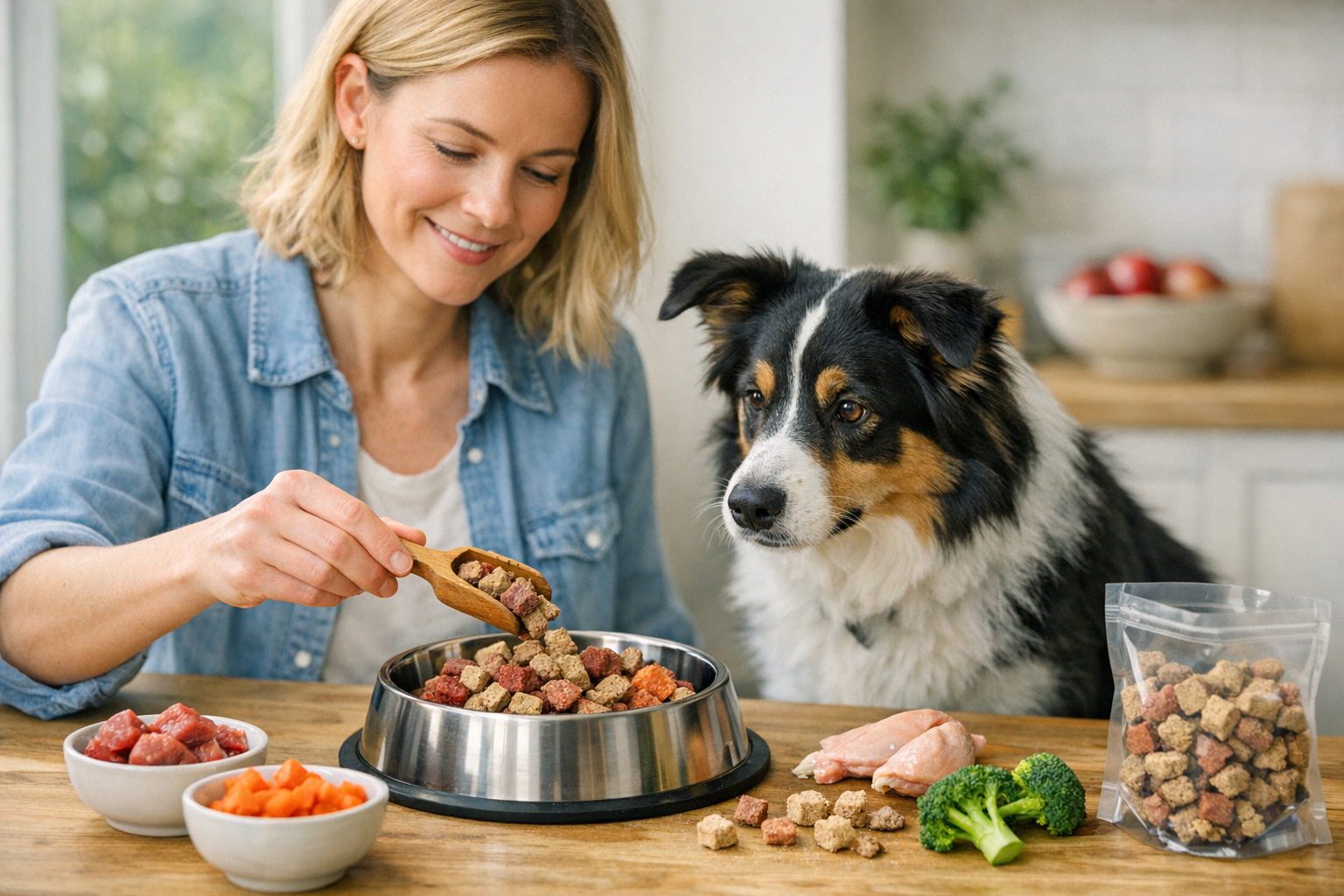
Freeze-dried dog food is a type of commercially prepared raw diet. It starts with high-quality raw ingredients like muscle meat, organs, bone, fruits, and vegetables. Instead of cooking these ingredients at high temperatures, manufacturers use a process called sublimation. First, the food is flash-frozen. Then, it is placed in a vacuum chamber. The vacuum removes almost all the moisture by turning ice directly into vapor.
This process is different from dehydration. Traditional dehydration uses low heat and moving air to dry out the food. While dehydration is better than high-heat baking, it can still slightly change the texture and nutrient profile of the ingredients. Freeze-drying keeps the cellular structure of the food intact. This is why a freeze-dried nugget looks and smells very similar to the original raw meat once you add water back to it.
Most of the brands we carry, such as our selection of Stella & Chewy's products or our selection of Vital Essentials products, use this method to create a product that is lightweight and shelf-stable. You get the benefits of raw meat without needing to keep a dedicated freezer in your garage. It is raw nutrition made for modern life.
The Nutritional Profile of Freeze Dried Food
When you look at the health of a dog food, you have to look at what survives the manufacturing process. Conventional kibble is made through extrusion. This involves high pressure and intense heat. While kibble is a safe and affordable staple, heat can diminish certain vitamins, minerals, and live enzymes. Manufacturers have to add these nutrients back in using synthetic supplements after the cooking is done.
Freeze-drying is much gentler. Because the food is never cooked, the amino acids and enzymes remain in their natural state. This often leads to better bioavailability. That means your dog’s body can absorb and use the nutrients more efficiently.
Essential Components
- High-quality animal proteins like beef, turkey, or lamb.
- Vital organ meats which are nature's multivitamins.
- Ground bone for natural calcium and phosphorus.
- Organic fruits and vegetables for fiber and antioxidants.
- Healthy fats and oils for skin and coat health.
Many freeze-dried diets are also grain-free and potato-free. They rely on the protein and fat from the meat to provide energy. For a dog with a sensitive stomach or a grain allergy, this simple ingredient list can be a major relief.
Is It Safe for Your Dog and Your Family?
Safety is the biggest concern for anyone looking into raw diets. The reality is that raw meat can carry pathogens like Salmonella or Listeria. While a dog's digestive system is shorter and more acidic than ours, they can still get sick. More importantly, they can become "shedders." This means they carry the bacteria in their mouth and stool, which could potentially make the humans in the house ill.
To address this, many reputable brands use a process called High-Pressure Pasteurization (HPP). This is a cold-water pressure process that kills harmful bacteria without using heat. It keeps the food raw but makes it much safer for the "bowl to floor" transition.
Vet Tip: Always consult your veterinarian before switching to a raw or freeze-dried diet, especially if your dog has an underlying health condition like kidney disease or a compromised immune system. Your vet can help ensure the diet is balanced and safe for your specific pet.
Handling Safety Checklist
- Wash your hands with warm, soapy water after handling the food.
- Clean your dog’s bowl after every single meal.
- Keep the food in its original bag and seal it tightly after use.
- If you rehydrate the food, treat it like fresh meat and discard any leftovers after 30 minutes.
- Use a dedicated scoop for the dog food and wash it regularly.
Benefits for Picky Eaters and Weight Management
If you have a dog that turns their nose up at every bowl of kibble, freeze-dried food might be the solution. The process of freeze-drying locks in the natural aroma and flavor of the meat. To a dog, it smells like a fresh kill rather than a processed biscuit. You can use these nuggets as a full meal, or you can crumble them on top of their regular food as a "meal mixer."
Weight management is another area where these diets shine. Many commercial dry foods are high in starches and sugars. These ingredients are often necessary to make the kibble stick together during the extrusion process. Freeze-dried food does not need those binders. It is naturally low on the glycemic index.
A diet high in protein and low in starch helps dogs maintain lean muscle mass while burning fat. We have seen many owners find success using brands like our selection of Open Farm products or our selection of Stella & Chewy's products to help their dogs reach a healthier weight. If your dog is currently struggling with obesity, we also offer specialized prescription diets through our pharmacy for dogs. These medications and foods can be managed under the guidance of your vet.
Key Takeaway: Freeze-dried raw food offers the flavor and nutrient density of a raw diet with the shelf-stable convenience of kibble, making it an excellent choice for picky eaters and dogs needing weight support.
Comparing the Costs and Value
There is no getting around the fact that freeze-dried dog food is more expensive than kibble. The process of sublimation is energy-intensive and time-consuming. You are paying for the technology and the high quality of the raw ingredients.
However, many owners look at the long-term value. When a dog eats a nutrient-dense diet, you often see smaller, firmer stools. This is a sign that the dog is absorbing more of the food and creating less waste. You may also see improvements in their coat shine, energy levels, and dental health.
How to Make it Affordable
- Use it as a topper: You do not have to feed 100% freeze-dried. Adding a handful to high-quality kibble provides a nutritional boost.
- Use it for training: Because it is so palatable, freeze-dried nuggets make amazing high-value training treats.
- Join a rewards program: Our MVP Rewards programme allows you to earn points on every purchase, which helps offset the cost of premium foods.
- Autoship: Setting up a recurring delivery often comes with a discount on the initial order and ensures you never run out with our Autoship programme.
Bottom line: While the upfront cost of freeze-dried food is higher, the nutritional density and potential for improved long-term health can provide significant value for your dog.
How to Transition Your Dog Correctly
You should never switch your dog's food overnight. This is especially true when moving from a processed kibble to a raw-based diet. Their digestive system needs time to adjust to the new protein levels and the lack of fillers.
If you want a broader overview of feeding changes, our guide on how to switch from dry to wet dog food covers the same kind of gradual transition approach.
Step 1: Start with a small amount. / Add a few crumbled nuggets to your dog's current food for two or three days. Watch for any signs of upset stomach or loose stools.
Step 2: Move to a 25/75 mix. / If your dog is doing well, replace 25 percent of their old food with the freeze-dried diet for another three days.
Step 3: Increase to a 50/50 mix. / Stay at this level for several days. This is the stage where most digestive adjustments happen.
Step 4: Complete the transition. / Slowly increase the freeze-dried portion until you reach the desired amount. This whole process should take about seven to ten days.
If at any point your dog experiences persistent vomiting or diarrhea, stop the new food and contact your veterinarian. Some dogs with sensitive stomachs may need a slower transition or a different protein source.
The Role of the BaxterBoo Pharmacy in Your Pet's Health
While we love the benefits of premium retail foods, we know that some dogs have health needs that go beyond standard nutrition. Some dogs require prescription diets for conditions like urinary stones, severe allergies, or heart disease. Through our partnership with Pet's Choice, we offer a full-service pharmacy.
We can help you fulfill prescriptions for FDA-approved medications and specialized veterinary diets. If your vet has recommended a specific diet that you cannot find on a standard shelf, our pharmacy is the place to look. We provide the same convenience and competitive pricing for your pet’s medications as we do for their favorite treats and toys.
Environmental and Storage Considerations
One of the often-overlooked benefits of freeze-dried food is its environmental footprint during shipping. Because 99 percent of the moisture has been removed, the food is incredibly lightweight. This reduces the fuel needed for transport compared to heavy bags of kibble or cans of wet food.
Storage is also incredibly simple. You do not need to clear out space in your refrigerator or freezer. As long as the bag is kept in a cool, dry place, it can stay fresh for a long time. This makes it the perfect food for traveling, hiking, or camping with your dog. You can pack a week's worth of highly nutritious meals into a small backpack without worrying about spoilage.
If you like using freeze-dried pieces as a boost on top of another meal, our food topper collection is a natural place to browse next.
Storage Pro-Tips
- Do not store the bag under the sink where it might get damp.
- If you buy in bulk, keep the unopened bags in a climate-controlled area.
- Avoid pouring the food into a plastic bin; keep it in the original bag to maintain the fat-resistant lining.
Is It a Good Fit for Your Dog?
Freeze-dried raw dog food is a fantastic tool in the modern dog owner’s kit. It offers a level of nutrition that is hard to find in traditional processed foods. It is healthy because it preserves the integrity of the ingredients while providing a safe way to handle raw meat.
If your dog is healthy, active, and you have the budget for it, a freeze-dried diet can lead to a noticeably vibrant life. For those with senior dogs, the soft texture of rehydrated nuggets is much easier on aging teeth. For puppies, the high protein levels support rapid growth and brain development.
For more tips on dogs that turn up their nose at mealtime, read what dry dog food is best for picky eaters.
However, it is not a magic bullet. Every dog is an individual. What works for a neighbor's Labrador might not work for your Beagle. Always pay attention to your dog’s body condition, coat quality, and energy levels. These are the best indicators of whether a food is truly "healthy" for your specific pet.
Key Takeaway: The health of a freeze-dried diet depends on using high-quality ingredients and ensuring the recipe is complete and balanced for your dog's life stage.
Conclusion
Freeze-dried raw dog food is a powerful option for owners who want to provide the best possible nutrition without the mess of traditional raw feeding. By removing moisture at low temperatures, these foods keep essential vitamins and enzymes alive. We carry many trusted brands at BaxterBoo that prioritize safety and quality, including those that use HPP to protect your family from pathogens. Whether you use it as a full meal or a high-value topper, it can transform your dog's mealtime. If your dog has specific medical needs or requires a prescription diet, remember that our pharmacy is always here to support your veterinary care.
Take the next step in your pet’s wellness journey by exploring our freeze-dried food category and seeing how easy it is to upgrade their nutrition.
FAQ
Does freeze-dried dog food need to be rehydrated?
While you can feed it dry as a treat or topper, it is usually best to rehydrate it for full meals. Adding water helps with digestion and ensures your dog stays hydrated, especially since the food has had almost all its natural moisture removed. Most brands suggest using warm water or even a pet-safe bone broth to add extra flavor.
Is freeze-dried raw food safe for puppies?
Yes, it can be very healthy for puppies as long as the bag specifies that it is formulated for "all life stages" or specifically for "growth." Puppies have very specific requirements for calcium and phosphorus to ensure their bones grow correctly. Always check the AAFCO statement on the back of the bag before feeding it to a growing puppy.
Can I mix freeze-dried food with kibble?
Mixing freeze-dried nuggets with kibble is a very popular way to boost nutrition while keeping costs manageable. Many pet parents use it as a "topper" to encourage picky eaters to finish their meals. Just be sure to adjust the total calories you are feeding to prevent your dog from gaining unwanted weight.
How long does an opened bag of freeze-dried dog food last?
Most manufacturers recommend using the bag within 30 to 60 days of opening for maximum freshness. Because the moisture is gone, it does not spoil as quickly as fresh food, but the fats in the meat can eventually go rancid if exposed to too much air. Keeping the bag tightly sealed in a cool, dry place is the best way to maintain quality.






