
 Save 15% on your 1st Autoship learn more

 Email us
 Live Chat
 FAQs
FAQs





Introduction
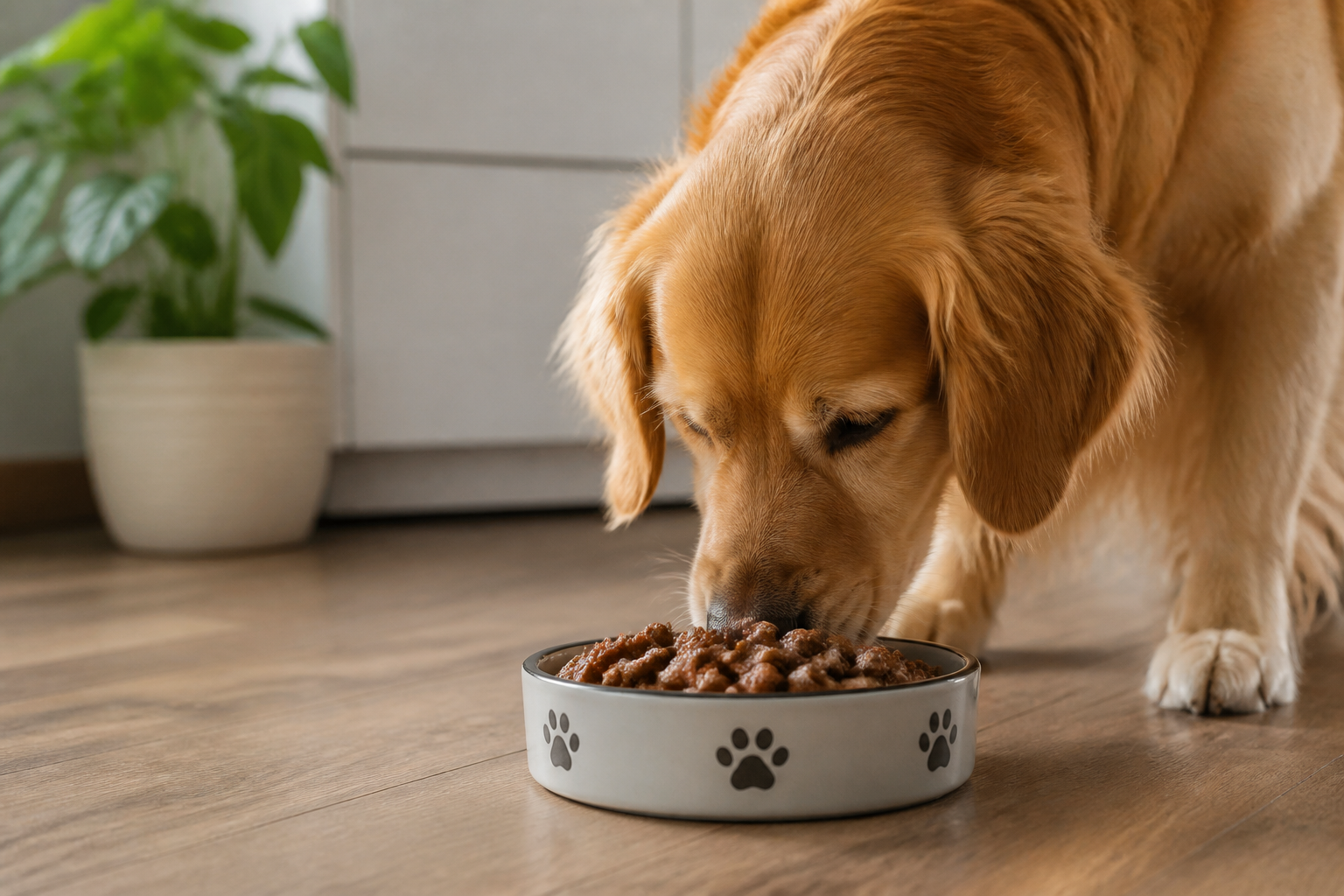
You are standing at the kitchen counter with a half-full bag of kibble and a dog who has suddenly decided that plain dry food is boring. Maybe you have noticed your senior dog is struggling to chew, or perhaps you just want to add a little variety to their evening meal. At BaxterBoo, we hear from pet owners every day who want to know if mixing food types is safe and beneficial. The short answer is yes. Combining wet and dry dog food can be an excellent way to improve hydration, boost flavor, and maintain dental health. This article covers everything you need to know about portion control, life stage considerations, and how to use mixers to keep your dog excited about their bowl. Mixing these two formats provides a balanced approach to nutrition that fits almost any budget.
Quick Answer: Mixing wet and dry dog food is generally a healthy choice that provides the hydration of canned food and the dental benefits of kibble. It is important to ensure both foods are complete and balanced and to adjust portions to prevent overfeeding.
The Benefits of a Mixed Diet
Combining food types allows you to offer your dog the best of both worlds. Dry food is famous for its convenience and its ability to stay fresh in the bowl. It also provides a mechanical scraping action that can help reduce plaque buildup on the teeth. However, dry food is very low in moisture, usually containing only about 10 percent water.
Wet food provides a massive boost in hydration because it is typically 75 to 80 percent water. This is particularly helpful for dogs that do not drink enough from their water bowls. The high moisture content also helps dogs feel full more quickly, which can be a useful tool for weight management.
The most obvious benefit is palatability. Dogs rely heavily on their sense of smell. Wet food has a much stronger aroma than dry kibble, which can jumpstart the appetite of a picky eater. When you mix the two, the gravy or pate coats the dry pieces, making the entire meal more appealing.
Why Texture Variety Matters
Dogs explore their world through their mouths, and eating the same hard pellets every day can lead to mealtime boredom. Adding a different texture can provide mental stimulation.
- Kibble: Provides a satisfying crunch and supports jaw strength.
- Pate: Easy to mix thoroughly so the dog cannot pick out only the "good" parts.
- Stews and Gravies: Great for soaking into kibble to soften it for older dogs.
- Freeze-Dried Toppers: Offers a raw-like texture and concentrated nutrition.
For more ideas about adding moisture and texture, read our guide to mixing dry dog food with water.
Key Takeaway: A mixed diet improves hydration and mealtime enjoyment while still supporting dental health through the crunch of dry kibble.
Who Benefits Most from Mixed Feeding?
While almost any healthy dog can enjoy a mix of wet and dry food, certain groups see specific advantages.
Picky Eaters
If your dog regularly walks away from their bowl, they might simply be bored. Mixing in a small amount of a high-quality wet food like those from Stella & Chewy's or The Honest Kitchen can change their perspective. The scent of real meat and broth is often enough to convince a stubborn eater to finish their meal.
Senior Dogs
As dogs age, their senses of taste and smell can begin to fade. This can lead to a decreased interest in food and subsequent weight loss. The strong aroma of canned food helps them locate their meal and stimulates their appetite. Additionally, many senior dogs suffer from dental issues or missing teeth. Softening their dry food with a wet mixer makes it much easier for them to chew and digest.
Small Breeds
Small dogs are notorious for being fussy. They also have tiny mouths that can sometimes struggle with large, hard kibble. Mixing in a pate can make the meal more manageable for them.
Dogs Needing Hydration
Some dogs are prone to urinary tract issues or kidney concerns. Increased water intake is often a primary recommendation from veterinarians for these pets. Feeding a portion of their calories as wet food ensures they are getting moisture with every bite.
Vet Tip: If your dog has a sudden loss of appetite or seems to be struggling with their food, consult your veterinarian. While mixing foods can help, a lack of interest in eating can sometimes signal an underlying dental or medical issue.
Calorie Control and the Math of Mixing
The biggest risk of mixing wet and dry food is accidental overfeeding. It is easy to scoop some kibble and add a "top-off" of wet food without realizing you have just increased your dog's caloric intake by 25 percent.
To do this correctly, you must look at the feeding guidelines on both packages. If you want to feed a 50/50 split, you should feed half the recommended daily amount of the dry food and half the recommended daily amount of the wet food.
Steps for Accurate Portions
Step 1: Determine your dog's daily calorie needs. / Check the bags or ask your vet for a daily calorie target based on your dog's weight and activity level.
Step 2: Decide on your mixing ratio. / Common ratios are 75 percent dry to 25 percent wet, or a 50/50 split.
Step 3: Use a standard measuring cup. / Do not eyeball the amounts. A small extra scoop of kibble can add significant calories to a small dog's diet.
Step 4: Account for treats. / If you add mixers, you may need to reduce the number of treats given throughout the day to keep their weight stable.
| Feature | Dry Food Only | Wet Food Only | Mixed Diet |
|---|---|---|---|
| Hydration | Low | Very High | Moderate to High |
| Dental Health Support | High | Low | Moderate |
| Aroma/Taste | Moderate | Very High | High |
| Cost Efficiency | High | Low | Moderate |
| Shelf Life (Opened) | Long | Very Short | Needs Careful Storage |
Browse our dog food selection to compare dry food, wet food, and other mealtime options.
Prescription Diets and the BaxterBoo Pharmacy
If your dog is on a therapeutic diet for a specific health condition, you must be very careful when mixing foods. Prescription diets are formulated with precise levels of minerals, proteins, and fats to manage issues like kidney disease, urinary crystals, or severe food allergies.
Adding a random retail wet food to a prescription dry food can "dilute" the therapeutic benefits. For example, if your dog is on a low-protein diet for kidney support, adding a high-protein canned topper could put unnecessary strain on their organs.
Our pharmacy carries a wide range of FDA-approved medications and prescription pet foods through our partnership with Pet's Choice. We stock brands like Farmina Vet Life and Royal Canin Veterinary Diet. These brands offer both wet and dry versions of their prescription formulas. If your vet has prescribed a specific diet, the safest way to mix is to use the wet and dry versions of that exact same prescription line.
Key Takeaway: Never mix a standard over-the-counter food with a prescription diet without consulting your vet. Our pharmacy can help you find the matching wet and dry versions of your dog's prescribed formula.
How to Transition Your Dog to a Mixed Diet
Even though you are adding something delicious, a sudden change in diet can cause an upset stomach. Dogs have sensitive digestive systems that need time to adjust to new ingredients and higher moisture levels.
For another gradual feeding approach, see our guide on switching from dry to wet dog food.
The Seven-Day Transition
- Days 1-2: Feed 90 percent of their old dry food and 10 percent of the new wet food mix.
- Days 3-4: Move to a 75/25 split.
- Days 5-6: Move to a 50/50 split if that is your goal.
- Day 7: Your dog should now be fully adjusted to the new mixed routine.
Watch your dog’s stool during this week. If you notice any looseness or gas, slow down the transition. Some dogs may need two weeks to fully adjust to a higher percentage of wet food.
Using Toppers and Supplemental Mixers
Not all "wet" food comes in a can. There are many other ways to add moisture and flavor to a dry diet. We carry several brands that specialize in "mixers" or "toppers" which are often designed specifically to be added to kibble.
Broths and Gravies
Pet-safe bone broths are a fantastic way to hydrate kibble without adding a lot of calories. Brands like Open Farm offer broths made from high-quality ingredients like grass-fed beef or free-range chicken. These are much safer than human broths, which often contain onions or excessive salt.
Freeze-Dried Mixers
Stella & Chewy’s Meal Mixers are a popular choice for adding a burst of raw nutrition. These are dry, shelf-stable nuggets that you can crumble over the top of kibble. You can add a little warm water to them to create a meaty gravy.
Gently Cooked Food
Brands like The Honest Kitchen provide dehydrated or gently cooked options. You can add warm water to their dehydrated bases to create a fresh, whole-food meal that mixes perfectly with crunchy kibble. This is often a middle ground for owners who want the benefits of fresh food with the convenience of a dry base.
Explore our freeze-dried pet food hub for water-friendly food options designed to be rehydrated.
Bottom line: Using high-quality toppers is a low-stress way to introduce variety without switching their entire base diet.
Safety and Storage Rules for Mixed Feeding
When you feed only dry food, you have the luxury of leaving the bowl out for a few hours if your dog is a slow eater. When you add wet food, the rules change.
The 30-Minute Rule
Once you mix wet food into kibble, it should not sit at room temperature for more than 30 to 60 minutes. Moisture and protein create the perfect environment for bacteria to grow. If your dog does not finish their mixed meal within that window, you should discard the leftovers.
Proper Refrigeration
An opened can of dog food should be covered with a tight-fitting lid and stored in the refrigerator. It will typically stay fresh for 2 to 3 days. If you find you are not using a whole can within that time, you can freeze small portions in an ice cube tray and thaw them as needed.
Bowl Hygiene
Wet food leaves behind a sticky residue that can quickly become gross. You should wash your dog's bowl with hot, soapy water after every mixed meal. This prevents the buildup of biofilm and bacteria that could make your dog sick.
For additional storage guidance, read about safe wet food handling and freshness.
Budget-Friendly Ways to Mix
Feeding a 100 percent wet food diet can be very expensive, especially for large breeds. Mixing allows you to stretch your budget while still providing a premium experience.
One strategy is to use a high-quality, calorie-dense kibble as the base. We carry many nutrient-rich brands like Orijen and Acana that allow you to feed smaller portions of dry food. You can then add a smaller amount of wet food as a topper. This provides the flavor and hydration your dog craves without the price tag of an all-canned diet.
Another way to save is through our Autoship programme. You can set your favorite wet and dry foods for recurring delivery. This ensures you never run out and provides savings on your orders. It also qualifies you for a free MVP Gold membership, which adds even more value to your purchases.
Vet Tip: When choosing a wet food to mix, always check for the AAFCO "Complete and Balanced" statement. Some products are sold as "supplemental" or "toppers" only, meaning they do not have all the vitamins and minerals a dog needs to survive. Make sure your base diet or your mix meets the full nutritional requirements.
Common Mistakes to Avoid
While mixing is simple, there are a few pitfalls that pet owners often encounter.
- Mixing different life stages: Do not mix a puppy wet food with a senior dry food unless your vet suggests it. Puppies need much higher levels of calcium and phosphorus for bone growth.
- Ignoring the treats: Remember that a tablespoon of wet food is often equal to several small treats. Adjust your daily routine accordingly.
- Using cold food: Some dogs are sensitive to the temperature of their food. If your dog rejects a mix made with refrigerated wet food, try letting the wet portion sit at room temperature for a few minutes or adding a splash of warm water to take the chill off.
- Not checking for "Hidden" Ingredients: Be careful with human foods like plain canned pumpkin. While great for digestion, it is not a complete meal. Always prioritize products specifically formulated for dogs.
Creating a Routine
Consistency is key for a dog's digestion. If you decide to mix, try to do it at the same time every day. Many owners choose to feed plain kibble in the morning for convenience and a mixed "gourmet" meal in the evening when they have more time to manage the cleanup and refrigeration.
Our MVP Rewards programme is a great way to earn points on these repeat purchases. Since you will be buying both wet and dry food, those points can add up quickly, giving you up to 5 percent back to use on future toys, treats, or gear.
The Role of Quality Ingredients
Whether you are buying kibble or cans, the quality of the ingredients matters. Look for real meat as the first ingredient. Avoid foods that rely heavily on "meat by-products" or "unspecified animal fats" if your dog has a sensitive stomach. Brands like Zesty Paws also offer supplements that can be added to a mixed diet to further support joint health or skin condition.
At BaxterBoo, we handpick every brand we carry. We look for manufacturers that prioritize safety and nutritional integrity. Whether you choose a classic brand like NutriSource or a premium option like Farmina, you can trust that you are giving your dog a solid nutritional foundation.
Final Thoughts on Mixed Feeding
Mixing wet dog food with dry is a practical way to show your dog some extra love while supporting their health. It addresses the common issues of dehydration and picky eating without sacrificing the dental benefits of crunchy kibble. By measuring portions carefully and ensuring you are using high-quality, balanced products, you can create a mealtime experience your dog will look forward to every day.
- Ensure both food types are labeled "Complete and Balanced."
- Adjust your portions to avoid weight gain.
- Wash bowls daily to prevent bacterial growth.
- Use the BaxterBoo pharmacy for any prescription diet needs.
Our warehouse in Vernon Hills is always stocked with over 500 brands to help you find the perfect combination. If you are ready to start a mixed feeding routine, our selection of premium dog foods and toppers is a great place to begin.
Bottom line: Mixing wet and dry food is a safe, flexible, and healthy way to feed your dog as long as you maintain calorie balance and use high-quality products.
FAQ
Is it okay to mix different brands of wet and dry dog food?
Yes, you can mix different brands as long as both are complete and balanced for your dog's life stage. However, if your dog has a sensitive stomach, sticking to the same brand for both wet and dry may be easier on their digestion. Always transition slowly when introducing a new brand into the mix.
How much wet food should I add to my dog's dry food?
There is no single correct ratio, but many owners start with a 75 percent dry and 25 percent wet split. The most important part is to reduce the amount of dry food when you add the wet food to keep the total calories the same. You can find calorie counts on the back of the packaging to help you do the math.
Can I leave mixed wet and dry food out all day?
No, you should not leave mixed food out for more than an hour. The moisture in the wet food can cause the kibble to get soggy and creates an environment where bacteria can grow quickly. If your dog is a "grazer" who likes to eat small amounts throughout the day, it is better to stick to plain dry food for leaving out.
Does mixing wet food with dry food cause diarrhea?
A sudden change in diet can cause loose stools or digestive upset. If you introduce the wet food slowly over the course of a week, most dogs will adjust just fine. If the diarrhea persists for more than a day or two, consult your veterinarian to rule out an allergy or underlying health issue.






