
 Save 15% on your 1st Autoship learn more

 Email us
 Live Chat
 FAQs
FAQs





Introduction
You fill your dog's bowl with premium kibble every morning and evening. Lately, you might notice they seem less enthusiastic about the crunch, or perhaps you worry they aren't drinking enough water from their bowl. It is a common scene in many households: a dog staring at a dry bowl, waiting for something more. At BaxterBoo, we often hear from pet owners wondering if adding a splash of water or broth is actually helpful or just a messy habit.
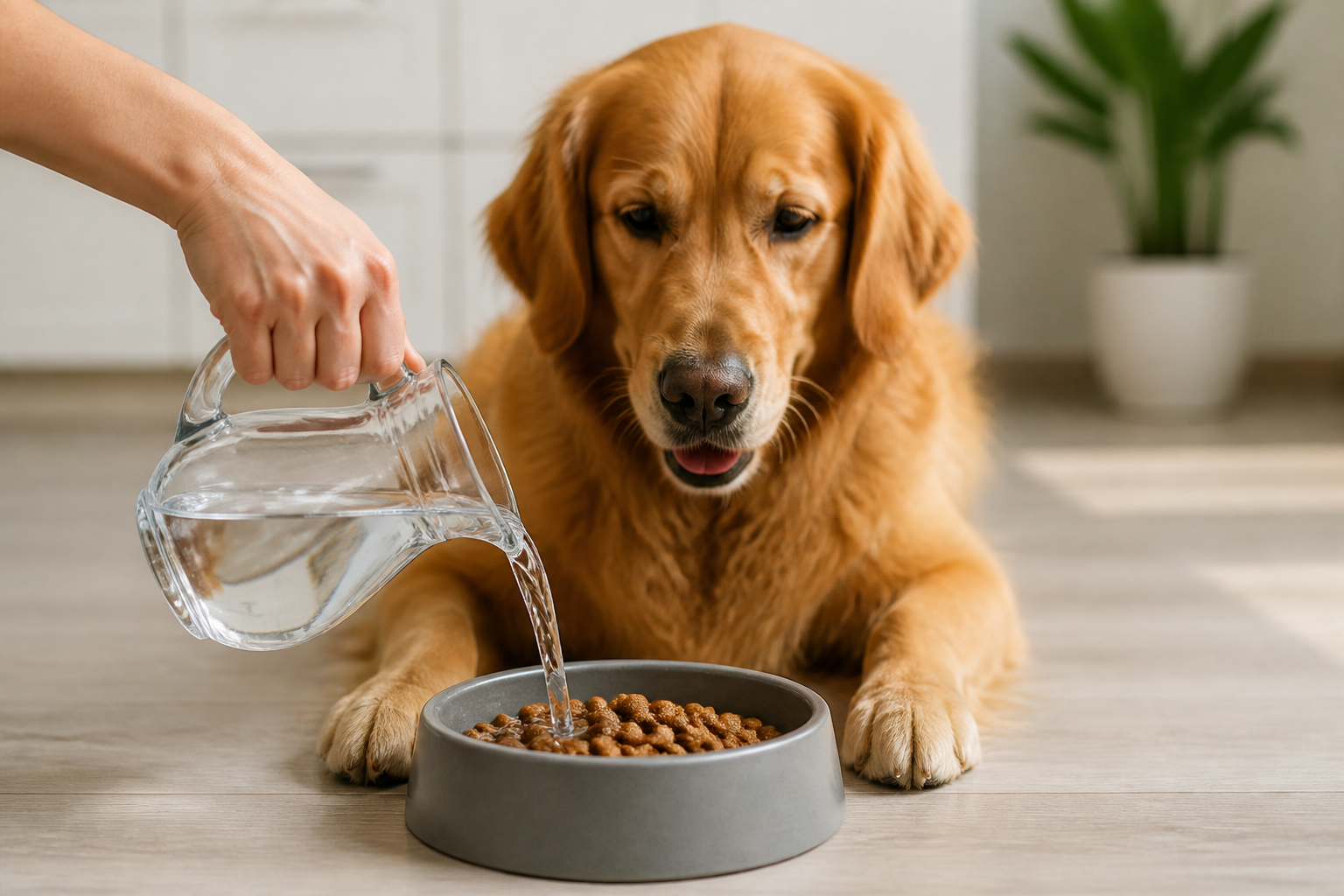
Wetting dry dog food can be a simple way to improve hydration and make mealtime more enjoyable for picky eaters. This practice offers several health benefits, particularly for senior dogs or those with specific medical needs. We will explore the pros and cons of this feeding method, how to do it safely, and when it is best to stick with the crunch. Adding moisture to kibble is generally a healthy choice, provided you follow basic food safety steps to prevent spoilage.
Quick Answer: Yes, it is generally good to wet dry dog food. It improves hydration, enhances the aroma for picky eaters, and makes kibble easier to chew for seniors or puppies. However, you must serve it immediately to avoid bacterial growth and spoilage.
The Primary Benefits of Wetting Dry Food
Most dogs thrive on a high quality dry diet, but adding moisture can solve several common household challenges. From finicky appetites to sluggish hydration, a little liquid goes a long way.
Improved Hydration Levels
Many dogs are "lazy drinkers." They might not visit the water bowl as often as they should, which can lead to concentrated urine and potential kidney or bladder issues. By adding water directly to the food, you ensure your dog consumes a specific amount of moisture with every meal. This is especially useful for dogs living in hot climates or those that are highly active.
Proper hydration supports almost every bodily function. It helps the kidneys flush out toxins and assists in maintaining a steady body temperature. If your dog has a history of urinary crystals or stones, your veterinarian may even recommend increasing moisture intake as a primary part of their care plan.
Enhanced Palatability and Aroma
Dogs experience the world primarily through their noses. Dry kibble has a mild scent when it sits in the bag, but adding warm water releases the fats and aromatic compounds inside the nuggets. This creates a much stronger "meaty" smell that can entice a dog that has lost interest in their food.
This technique is a staple for pet owners managing a dog with a reduced appetite due to illness or age. The moisture creates a natural gravy that coats the kibble, changing the texture from a hard crunch to a softer, more savory bite.
Easier Chewing for Specific Life Stages
Puppies and senior dogs often struggle with the density of hard kibble. For puppies transitioning from milk to solid food, softened kibble is a necessary bridge. It prevents them from hurting their developing teeth or gums.
For seniors, dental disease or missing teeth can make eating painful. Softening the food allows them to get the nutrition they need without the physical struggle of breaking down hard pieces. It also reduces the risk of "choking" for dogs that tend to swallow their food whole without chewing.
Key Takeaway: Adding water to kibble is one of the easiest ways to boost daily moisture intake and encourage a reluctant eater to finish their meal.
Potential Drawbacks to Consider
While the benefits are significant, adding liquid to dry food is not a perfect solution for every home. There are a few logistical and health factors to keep in mind before you start pouring.
The Risk of Spoilage and Bacteria
Dry kibble is processed to be shelf stable because it has very low moisture content. The moment you add water, you create a breeding ground for bacteria like Salmonella or Listeria. If your dog is a "grazer" who likes to eat a few bites and come back hours later, wetting the food is a bad idea.
Moistened kibble should not sit out for more than 30 to 60 minutes. After that window, the risk of bacterial growth increases significantly, especially in warm weather. If your dog does not finish the bowl, you must throw the leftovers away rather than leaving them for the next meal.
Reduced Dental Benefits
There is a long standing belief that the friction of chewing dry kibble helps "scrub" plaque from a dog's teeth. While this is not a substitute for regular brushing, the hard texture does provide some mechanical cleaning. When you soak the food until it is mushy, you lose this minor benefit.
Dogs fed exclusively softened food may develop tartar buildup faster than those eating crunchy food. If you choose to wet your dog's food, you may need to be more diligent with our dental and breath care collection or at home tooth brushing.
The Mess Factor
Wetting food is objectively messier. If you have a dog with long ears or a "beard," they will likely end up with soggy food particles stuck to their fur. It also requires more frequent cleaning of the food bowl to prevent "caking." Once wet food dries onto a stainless steel or ceramic bowl, it becomes much harder to scrub off.
Vet Tip: If your dog has a sensitive stomach, introduce water or broth slowly. Sudden changes in food texture or the addition of rich broths can sometimes cause minor digestive upset or loose stools.
How to Properly Wet Your Dog's Food
If you decide to try this method, the technique matters. You want to enhance the food without turning it into an unappealing soup or accidentally causing a burn.
Choosing the Right Liquid
Plain, filtered water is the safest and most common choice. However, you can also use bone broth specifically formulated for dogs. Avoid human grade canned broths, as these often contain high levels of sodium, onions, or garlic, which are toxic to dogs.
We carry several nutrient dense toppers and broths at BaxterBoo that are designed specifically for this purpose. Using a dedicated pet broth adds extra amino acids and minerals that support joint and gut health.
The Best Water Temperature
Always use warm water rather than boiling water. Warm water effectively releases aromas and softens the kibble quickly. Boiling water can destroy some of the heat sensitive vitamins and probiotics sprayed onto the kibble after the cooking process. More importantly, hot water can cause severe burns to your dog's mouth and throat.
The Correct Ratio
A good starting point is one part liquid to three or four parts kibble. For example, if you feed one cup of dry food, start with a quarter cup of water.
- Measure your dog's standard portion of dry food into their bowl.
- Add the warm water or broth.
- Let it sit for 2 to 5 minutes if you want a slight crunch.
- Let it sit for 10 minutes if you want a soft, "mash" texture.
- Stir the mixture to ensure the liquid is evenly distributed.
Bottom line: Success with wetting food depends on using safe liquids and serving the meal immediately to maintain freshness and safety.
Using the BaxterBoo Pharmacy for Specialized Diets
Sometimes, the reason you are considering wetting food is due to an underlying health condition. If your dog has been diagnosed with kidney disease, urinary issues, or severe allergies, your veterinarian might prescribe a specific prescription diet. These diets are formulated with precise nutrient levels that are different from standard over the counter kibble.
Our pharmacy for dogs provides access to FDA approved medications and prescription pet foods through our partnership with Pet's Choice. If your vet recommends a prescription diet from brands like Farmina Vet Life or Royal Canin, you can conveniently manage those orders through us. Adding water to these specialized diets is often encouraged by vets to further support the therapeutic goals of the food, such as diluting urine or easing digestion.
Transitioning and Monitoring Your Dog
When you change the way you deliver your dog's nutrition, it is important to observe their reaction. Some dogs might be suspicious of the new texture at first.
- Watch for Digestion Changes: Note if there is any change in gas or stool consistency.
- Monitor Weight: It is easy to accidentally add extra calories if you use rich broths instead of water.
- Check the Bowl: Ensure your dog is actually finishing the meal. Some dogs dislike the "mushy" texture and might eat less than they need.
If you are using moisture to help a senior dog, this is also a great time to look into the MVP Rewards program. Since senior dogs often require consistent supplies like joint supplements and specific foods, earning points on every purchase can help manage the long term costs of their care.
Alternatives to Wetting Food
If you find that wetting kibble is too messy or your dog dislikes it, you have other options to achieve similar goals.
Mixing in Canned Food
Instead of water, you can mix a few tablespoons of high quality canned food into the dry kibble. This provides the aroma and moisture without the "soggy" texture of water soaked nuggets. It is often more shelf stable in the bowl for a slightly longer period than water soaked food, though it still shouldn't sit out all day.
Using Rehydratable Dehydrated Food
Brands like The Honest Kitchen or Stella and Chewy's offer "human grade" dehydrated or freeze dried foods. These are designed to be mixed with water. Because they are intended to be served wet, the texture is often more appealing to dogs than "soggy" kibble.
For another perspective on combining textures, read our guide to mixing dry dog food with wet food.
Bone Broth Toppers
If hydration is your only concern, you can serve bone broth in a separate bowl as a "treat" rather than mixing it with the food. This allows your dog to keep their crunchy kibble while still getting the extra fluids they need. Our Autoship programme is a great way to keep these toppers in stock so you never run out of hydration options.
Key Takeaway: If your dog rejects water-soaked kibble, trying a dedicated wet food mixer or a freeze-dried topper can provide the same benefits with better results.
Summary of Considerations
| Factor | Wetting the Food | Leaving it Dry |
|---|---|---|
| Hydration | High - added moisture in every bite | Low - depends entirely on the water bowl |
| Palatability | High - releases fats and aromas | Moderate - standard kibble scent |
| Safety | Requires immediate cleaning | Can stay out for "grazers" |
| Dental | Softens food, less "scrubbing" | Provides mechanical crunch |
| Cost | Very low (if using water) | Standard |
Conclusion
Deciding to wet your dog's dry food is a practical way to support their health and happiness. It bridges the gap between the convenience of kibble and the hydration benefits of a wet diet. Whether you are helping a senior dog manage dental discomfort or trying to tempt a picky puppy, this simple change can make a significant difference.
At BaxterBoo, we want to help you find the best way to nourish your pet. If you are managing a chronic health condition that requires a specific diet, our pharmacy and Pet's Choice partnership are here to make your life easier. For everyday wellness, consider trying a pet safe bone broth or a high quality topper to see how your dog responds.
You can browse our dog food collection when comparing dry, wet, and other mealtime options.
Bottom line: Wetting dry food is a safe, effective way to boost hydration and appetite, as long as you serve it fresh and keep the bowl clean.
FAQ
Can I leave wet dog food out all day?
No, you should never leave moistened dry food out for more than an hour. Adding water creates an environment where bacteria can grow rapidly, leading to potential stomach upset or food poisoning. If your dog is a slow eater, it is better to feed smaller portions more frequently.
For more guidance, see our dog food hydration guide.
Does adding water to kibble cause bloat?
There is no definitive evidence that wetting food causes bloat, also known as Gastric Dilatation-Volvulus. Some historical theories suggested it might contribute, but most modern research focuses on things like eating speed, exercise around mealtime, and genetics. If you have a deep-chested breed at high risk for bloat, consult your veterinarian about the safest feeding practices for their specific needs.
Is it better to use broth or water for wetting kibble?
Water is the simplest and most cost-effective option for hydration. Bone broth is a great choice if you need to entice a very picky eater or want to add extra nutrients like collagen. Just ensure the broth is specifically made for pets to avoid dangerous ingredients like high salt, onions, and garlic.
You can also compare wet and dry dog food options when deciding which feeding approach suits your dog.
Will wetting the food help my dog lose weight?
It can help with weight management by increasing satiety. The extra volume from the water makes the dog feel "fuller" without adding extra calories. This can be a helpful strategy for dogs that are always begging for more food, as it helps them feel satisfied with their standard portion.






