
 Save 15% on your 1st Autoship learn more

 Email us
 Live Chat
 FAQs
FAQs





Introduction
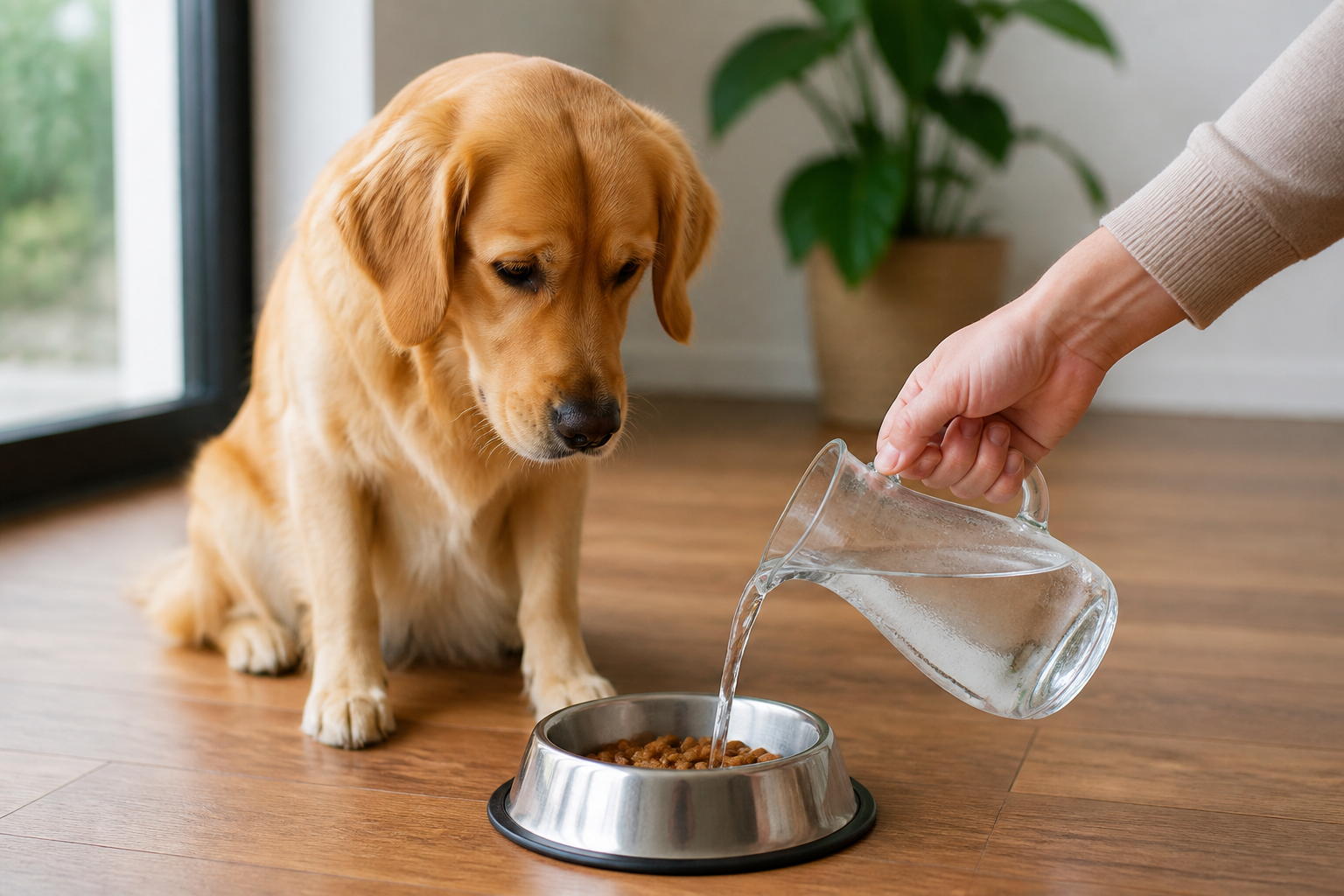
You are standing over your dog's bowl, measuring out the same dry kibble they eat every day. Perhaps your dog has started hesitating before they eat, or maybe you are worried they are not drinking enough from their water dish during a heatwave. You might wonder if a splash of water could make that dry meal more appealing or easier to digest. At BaxterBoo, we hear these questions often from pet parents who visit our warehouse or shop with us online. Adding water to dry dog food is a simple way to change your dog's mealtime experience, but there are specific steps to take to ensure it remains safe and nutritious. This guide covers the benefits of hydrating kibble, the potential risks of spoilage, and how to do it right for your dog's life stage.
Quick Answer: Yes, it is perfectly safe and often beneficial to mix water with dry dog food. This practice improves hydration, enhances the food's aroma for picky eaters, and makes the texture easier for puppies or senior dogs to chew.
The Primary Benefits of Adding Water to Kibble
Most commercial dry dog foods are produced through a process called extrusion. The ingredients are cooked at high temperatures and dried into the crunchy nuggets we know as kibble. This process makes the food shelf-stable, but it also results in a product with very low moisture content, usually around 10 percent. Adding water back into the bowl can change the nutritional profile of the meal in several positive ways. If you are browsing options for mealtime basics, our dog food category is a helpful place to compare dry formulas.
Improved Hydration
Many dogs do not drink enough standing water from a bowl to stay fully hydrated. This is especially true for active dogs or those living in warmer climates. When you mix water directly into their food, you ensure they are consuming moisture with every bite. Proper hydration supports every bodily function, from temperature regulation to organ health. It is particularly helpful for dogs prone to urinary tract issues or kidney stones, as increased fluid intake helps flush the system.
Enhanced Aroma and Palatability
Dogs experience the world through their noses. Dry kibble has a relatively faint scent compared to wet food or fresh ingredients. Adding warm water to the bowl helps release the fats and aromas trapped inside the dried pellets. For a picky eater or a dog recovering from an illness, this increased scent can be the difference between a full meal and a skipped one. For more ideas on making meals more tempting, our food topper collection is worth exploring.
Easier Chewing for Specific Needs
Puppies transitioning from milk to solid food often struggle with the hard texture of dry kibble. Similarly, senior dogs with dental disease, missing teeth, or sensitive gums may find crunching down on hard nuggets painful. Soaking the food for a few minutes creates a soft, mash-like consistency. This allows them to get the nutrients they need without the physical discomfort of chewing hard surfaces.
Key Takeaway: Hydrating dry food is an effective way to boost water intake and make meals more attractive to dogs that have lost interest in plain kibble.
Digestion and Feeding Behavior
Beyond basic hydration, adding water to dry food can change how your dog processes their meal. This is especially important for dogs that tend to eat too quickly or suffer from digestive upset. If your dog needs more support with everyday wellness, our dog healthcare category brings together helpful care-focused options.
Preventing Gulping and Regurgitation
Some dogs, particularly highly motivated breeds like Labradors, tend to "inhale" their food. They swallow kibble whole without chewing. This can lead to the dog regurgitating the food shortly after eating because the dry pellets irritate the esophagus or hit the stomach too fast. Softening the food creates a heavier, more substantial texture that is harder to gulp down. It forces the dog to lap or chew more deliberately, which slows the entire eating process.
Supporting Nutrient Absorption
Dry kibble requires a significant amount of internal moisture to break down in the stomach. If a dog eats a large amount of dry food without drinking enough water, their body has to pull moisture from other tissues to aid digestion. This can lead to dehydration or stools that are very hard and difficult to pass. Pre-hydrating the food allows the digestive enzymes to start working more efficiently the moment the food enters the stomach.
Vet Tip: If your dog is a "vaccum" eater and regularly vomits whole kibble after meals, try adding enough water to create a thick stew. This encourages slower eating and better digestion, but you should still consult your vet to rule out underlying issues like megaesophagus or severe allergies.
Potential Drawbacks and Safety Risks
While mixing water with food is generally a great idea, it does introduce some new responsibilities for the pet owner. You cannot treat a bowl of wet kibble the same way you treat a bowl of dry food. If your dog has prescription or therapeutic food needs, our pet pharmacy is the right place to start looking.
The Risk of Bacterial Growth
Dry food can sit in a bowl for hours without spoiling. However, once you add water, you have created a moist, warm environment that is perfect for bacteria like Salmonella or Listeria. This is the biggest risk associated with hydrating kibble. If your dog is a "grazer" who likes to take a few bites and come back later, you cannot add water to their food.
Dental Health Considerations
There is a long-standing belief that dry kibble helps clean a dog's teeth by scraping away plaque. While some specialized dental diets are designed for this, most standard kibble shatters too easily to provide much mechanical cleaning. However, soaking kibble removes even that small amount of friction. If you choose to hydrate your dog's food every day, you must be more diligent about their oral care.
- Brush your dog's teeth daily with pet-safe toothpaste.
- Provide durable dental chews to help manage tartar buildup.
- Schedule regular professional dental cleanings with your veterinarian.
Mess and Cleanup
Wet kibble is undeniably messier than dry nuggets. It can stick to the fur around your dog's mouth, especially if they have a long beard or floppy ears. It also leaves a residue on the bowl that hardens into a cement-like substance if not washed immediately. You will need to commit to washing the food bowl with hot, soapy water after every single meal to prevent biofilm and bacteria from building up.
How to Properly Mix Water with Dry Food
To get the most benefit without the risks, follow a consistent routine when preparing your dog's hydrated meals. For more timing and texture ideas, our guide to wetting dry dog food offers a step-by-step companion read.
Step 1: Use Filtered, Warm Water
Start with clean water. Warm water is better than cold because it softens the kibble faster and releases more aroma. Never use boiling water, as this can destroy some of the vitamins in the food and burn your dog's mouth.
Step 2: Determine the Ratio
A common starting point is one part water to four parts kibble. For example, if you feed one cup of food, add a quarter cup of water. You can adjust this based on your dog's preference. Some dogs like a slight crunch, while others prefer a complete mush.
Step 3: Let it Sit
If you want the kibble to be truly soft, let the mixture sit for 5 to 10 minutes. This gives the water time to penetrate the center of the nuggets. If you are just looking for a flavor boost, you can serve it immediately.
Step 4: Monitor the Time
Once the water touches the food, the clock starts. If your dog has not finished the meal within 30 to 60 minutes, you must throw the remaining food away. Do not put it in the refrigerator to save for later, as the texture will become unappealing and the risk of contamination increases.
Bottom line: Preparation is key to safety, so always use warm water and discard uneaten portions within one hour to prevent illness.
Alternatives to Plain Water
If your goal is to increase palatability or add nutrition, plain water is not your only option. We carry several products at BaxterBoo that can enhance your dog's dry food while providing specific health benefits. If you like adding flavor boosters, our dog food supplement collection is a practical next stop.
Bone Broth for Dogs
Bone broth is a nutrient-dense liquid that is rich in collagen, amino acids, and minerals. It is much more flavorful than plain water and can support joint health and gut integrity. When choosing a broth, ensure it is specifically formulated for pets. Human bone broths often contain onions, garlic, and excessive salt, all of which are toxic to dogs. Brands like The Honest Kitchen or Stella & Chewy's offer powders or liquids that are safe and easy to use as mixers.
Goat Milk
Raw or dehydrated goat milk is often called "universal milk" because it is highly digestible for most mammals. It is packed with probiotics that support immune health and digestion. Adding a splash of rehydrated goat milk to dry food can help dogs with sensitive stomachs or those who need an extra calorie boost.
Wet Food Toppers
If you want to provide a variety of textures, mixing a small amount of canned wet food with dry kibble is a great strategy. This provides the hydration of water along with increased protein and fat. When doing this, remember to adjust the total calories. If you add 100 calories of wet food, you should remove approximately 100 calories of dry kibble to maintain a healthy weight.
| Mix-in Option | Best For | Primary Benefit |
|---|---|---|
| Warm Water | Everyday hydration | Low cost, simple hydration |
| Bone Broth | Picky eaters, seniors | Joint support, high aroma |
| Goat Milk | Sensitive stomachs | Probiotics, digestive enzymes |
| Wet Food | Texture variety | High protein, extreme palatability |
Special Considerations for Life Stages
The decision to add water often depends on where your dog is in their life journey. Different ages have different requirements for texture and hydration. For puppies, our guide for feeding freeze-dried dog food is also a useful read because it covers rehydration and meal consistency.
For Puppies
Puppies have small teeth and high energy needs. When they are weaning, "puppy mush" made of high-quality dry food and warm water is essential. Even after they can handle dry food, many owners continue to add water to ensure the puppy stays hydrated during their rapid growth phases. Ensure you are using a "complete and balanced" puppy formula, as their calcium and phosphorus needs are different from adult dogs.
For Seniors
As dogs age, they often experience a decline in their sense of smell and taste. They may also develop kidney issues that make hydration critical. Adding warm bone broth or water can help them maintain their weight by making food more appealing. If your senior dog is on a prescription diet for a condition like kidney disease or heart health, our pharmacy can help. Through our partnership with Pet's Choice, we offer FDA-approved prescription diets from brands like Royal Canin and Farmina Vet Life that are formulated for these specific needs.
For Working or Active Dogs
Dogs that hunt, hike, or participate in agility training lose a lot of moisture through panting. For these dogs, adding water to their evening meal is a practical way to help their muscles recover and ensure they start the next day fully hydrated.
When to Talk to Your Veterinarian
Changing your dog's diet, even just by adding water, is something you should mention to your vet during your next visit. Sometimes, a change in eating habits is a symptom of a larger problem.
If your dog suddenly stops eating dry food unless it is soaked, they may have a cracked tooth, an abscess, or advanced periodontal disease. If they are drinking excessive amounts of water or seem constantly dehydrated despite your efforts, it could point to underlying issues like diabetes or Cushing's disease.
We carry a wide range of health-related products in our Medical and Mobility section to support dogs through these challenges. If your vet prescribes a specific medication or a therapeutic diet, you can also manage those needs through our MVP Rewards programme. This makes it easier to keep your dog on the routine they need while still saving on future purchases.
Vet Tip: Always consult your veterinarian before mixing therapeutic or prescription diets with water or other toppers. Some specialty foods are carefully balanced for pH or mineral content, and adding too much of another ingredient could interfere with the food's medical purpose.
Conclusion
Mixing water with dry dog food is a safe, practical, and inexpensive way to improve your dog's quality of life. It bridges the gap between the convenience of dry kibble and the hydration benefits of a wet diet. Whether you are helping a senior dog chew more comfortably or encouraging a picky eater to finish their bowl, the simple addition of warm water can make a significant difference.
- Always use warm, filtered water for the best results.
- Never leave hydrated food out for more than an hour.
- Wash bowls thoroughly after every meal to prevent bacteria.
- Consider bone broth or goat milk for an extra nutritional boost.
If you are ready to upgrade your dog's mealtime, explore our collection of healthy dog treats and food toppers. You can also set up an Autoship order for your favorite kibble to ensure you never run out, saving you time and money while keeping your dog's belly full.
FAQ
How long can I leave soaked dog food in the bowl?
You should remove any uneaten soaked dog food after 30 to 60 minutes. Because the moisture creates a breeding ground for bacteria, leaving it out longer can lead to spoilage and potential digestive upset. If your dog is a slow eater, provide smaller portions that they can finish in one sitting.
Does adding water to kibble cause bloat?
There is no definitive evidence that adding water directly causes bloat, also known as Gastric Dilatation-Volvulus (GDV). In fact, for dogs that gulp their food, softening the kibble with water can slow down their eating and prevent them from swallowing excess air. However, you should avoid vigorous exercise immediately before or after meals, regardless of whether the food is wet or dry.
Can I use cold water instead of warm water?
You can use cold water, but warm water is generally more effective. Warm water softens the hard pellets much faster and does a better job of releasing the enticing aromas that encourage dogs to eat. Just make sure the water is not hot, as you do not want to burn your dog's sensitive mouth or tongue.
Will soaking kibble make my dog's teeth rot?
Soaking kibble does not cause teeth to rot, but it does remove the slight abrasive benefit that hard kibble provides. If you switch to a primarily soft diet, you must be proactive with your dog's dental hygiene. Regular brushing and provide appropriate chew toys are the best ways to prevent plaque and tartar buildup regardless of food texture.






