
 Save 15% on your 1st Autoship learn more

 Email us
 Live Chat
 FAQs
FAQs





Introduction
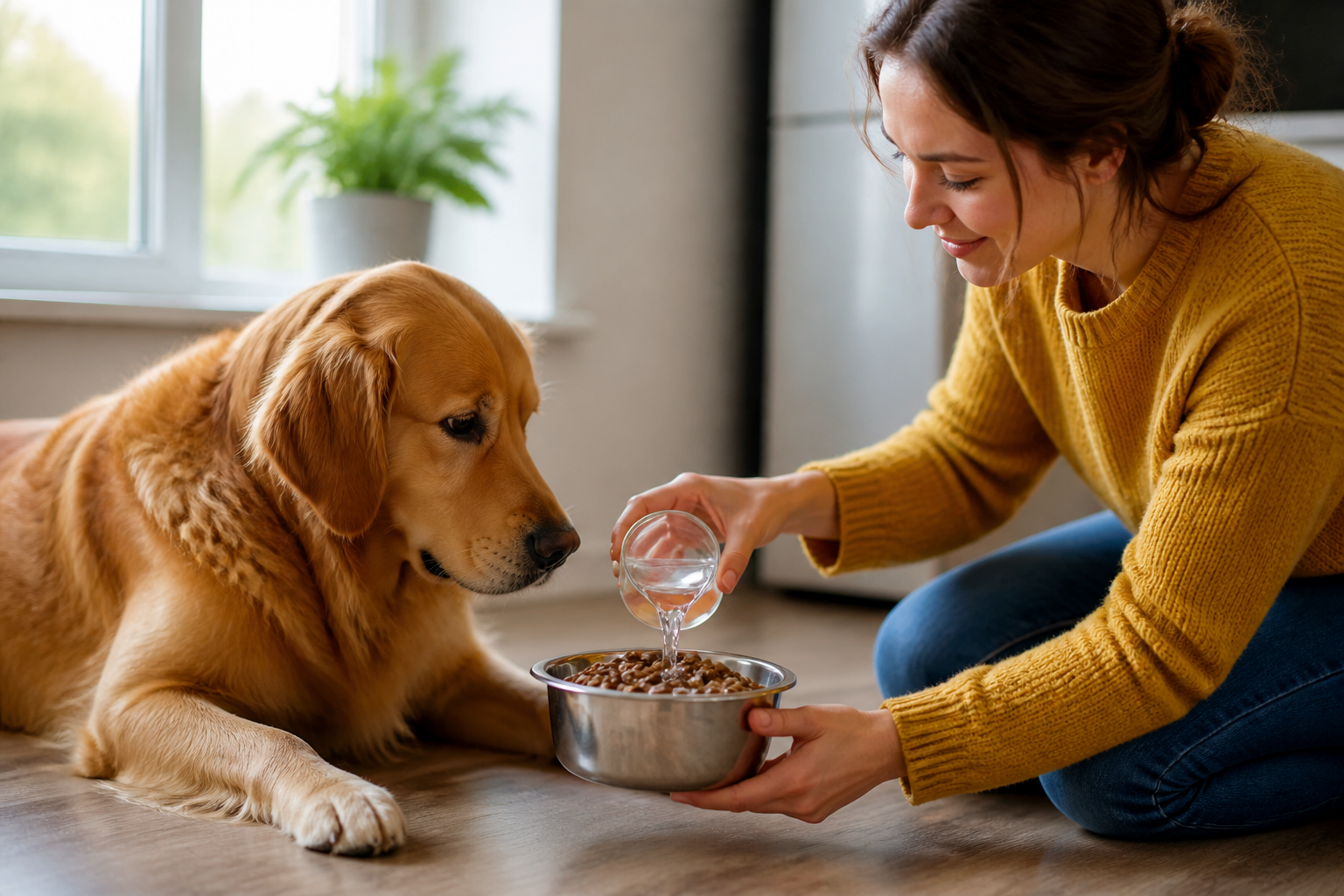
You might be standing in your kitchen, looking at a bowl of hard kibble and wondering if your dog would enjoy it more with a splash of water. This is a common question for owners of picky eaters, senior dogs with dental issues, or puppies just starting on solid food. At BaxterBoo, we see pet parents asking this every day because they want to ensure their dogs stay hydrated and satisfied. Adding water to dry food is a simple way to change the texture and aroma of a meal. This post covers the benefits of wetting dry food, the safety risks like bacterial growth, and the best ways to serve a hydrated meal. While it is generally a great habit, there are a few rules to follow to keep your dog healthy and their bowl clean.
Quick Answer: Yes, it is perfectly safe and often very beneficial to add water to dry dog food. It helps with hydration, makes the food more aromatic for picky eaters, and makes chewing easier for senior dogs and puppies.
The Immediate Benefits of Wetting Dry Dog Food
The most obvious benefit of adding water to kibble is the boost in hydration. Many dogs do not drink enough water from their bowls throughout the day. This is especially true for active dogs or those living in warmer climates. When you add water directly to the food, you ensure they are getting a significant amount of moisture with every bite. This moisture supports kidney function and helps keep the urinary tract healthy.
Hydration also plays a major role in digestion. Wetting the food softens the hard nuggets before they hit the stomach. This can prevent that "heavy" feeling some dogs get after eating a large meal of dry kibble. It also helps the body break down the nutrients more efficiently. For dogs that tend to gulp their food, the added liquid can naturally slow them down, reducing the risk of choking or digestive upset. For more mealtime guidance, read our guide to mixing dry dog food with water.
Boosting Aroma for Selective Eaters
Dogs experience the world through their noses. Dry kibble is convenient, but it does not always have a strong scent. Adding warm water to the bowl releases the fats and oils within the kibble. This creates a much stronger meaty aroma that can entice a picky eater to dive in. If your dog has been turning their nose up at their dinner, a bit of warm water might be the only "topper" they actually need.
Improved Satiety for Weight Management
If you have a dog that always seems hungry, adding water can help them feel full. The water increases the volume of the food without adding extra calories. This is a useful trick for dogs on a weight management plan. They get to eat a bowl that looks and feels larger, which can satisfy their appetite more effectively than a small portion of dry kibble alone.
Key Takeaway: Adding water to dry food is one of the easiest ways to improve hydration and palatability without increasing the calorie count of the meal.
When Hydrating Kibble is the Best Choice
While any dog can enjoy moistened food, some life stages and health conditions make it almost essential. We carry a wide variety of brands at BaxterBoo that are specifically formulated for these different needs. Whether you are feeding a growing puppy or a senior dog, the texture of the food matters just as much as the ingredients. You can compare formulas in our dog food category.
Supporting Senior Dogs with Dental Issues
As dogs age, they often develop dental sensitivities. Missing teeth, gum disease, or general soreness can make crunching through hard kibble painful. Many senior dogs will start eating less simply because it hurts to chew. Softening the food with water removes this barrier. It allows them to get the nutrition they need without the physical discomfort. If your senior dog is struggling with chronic dental issues, our pet pharmacy offers prescription options that may support an individualized care plan.
Helping Puppies Transition to Solid Food
Puppies have tiny, delicate teeth and are used to the liquid diet of their mother's milk. Moving straight to hard kibble can be a shock to their system. Most breeders and veterinarians recommend "kibble mush" for puppies during the weaning process. Adding water makes the transition much smoother. It allows them to practice chewing without the risk of hurting their mouths or choking on hard pieces. For age-appropriate essentials, explore our puppy supplies.
Managing Health Conditions
For dogs with certain health issues, extra moisture is a medical necessity. Dogs prone to urinary stones or those managing early stage kidney disease often need more water than they are willing to drink. In these cases, wetting the food is a standard part of their care plan.
Vet Tip: If your dog has a history of urinary crystals or kidney issues, consult your veterinarian about using prescription diets. Our BaxterBoo pharmacy carries prescription foods for these conditions that are designed to be served dry or hydrated.
The Potential Drawbacks of Adding Water
While there are many pros, you should be aware of the downsides. The biggest concern is spoilage. Dry kibble is processed to be shelf stable at room temperature. Once you add moisture, you change the chemistry of the food. You essentially turn it into wet food, which has a very short shelf life once it hits the bowl.
The Spoilage Risk and Bacterial Growth
Bacteria thrive in warm, wet environments. If you add water to kibble and your dog does not eat it right away, the food can become a breeding ground for pathogens. This is a particular risk for "grazers" who like to take a few bites and come back hours later. You cannot leave moistened kibble out all day like you can with dry food.
Dental Health Considerations
There is a long standing belief that dry kibble helps "clean" a dog's teeth by scraping away plaque. While this effect is often overstated, soft food definitely provides zero mechanical cleaning. If you switch to a fully moistened diet, you must be more diligent about dental care. This means regular brushing or providing our dog dental treats to help support a consistent oral-care routine.
The Mess Factor
Wetting food is objectively messier. Dogs with long ears or "beards" will likely end up with soggy food stuck to their fur. It also requires more frequent cleaning of the food bowl. Dry kibble leaves behind a bit of dust, but wet kibble leaves behind a sticky residue that can harden like cement if not washed away immediately.
Bottom line: Moistened food must be treated like fresh food; it cannot sit out for long periods without risking bacterial contamination.
How to Properly Wet Your Dog's Food: A Step-by-Step Guide
To get the most benefit out of hydrating your dog's food, follow a consistent process. This ensures the texture is right and the food remains safe to eat.
Step 1: Measure the dry portion. / Place the usual amount of kibble in a clean stainless steel or ceramic bowl.
Step 2: Add warm water. / Use filtered water that is warm to the touch but not boiling. Boiling water can destroy some of the heat sensitive vitamins and probiotics sprayed onto the kibble.
Step 3: Use the right ratio. / Start with one part water to two parts kibble. You can adjust this based on whether your dog prefers a crunchy center or a total mush.
Step 4: Wait for absorption. / Let the bowl sit for about 10 to 15 minutes. This allows the water to soak into the center of the kibble pieces.
Step 5: Stir and serve. / Give the food a quick stir to distribute the moisture and any "gravy" that has formed at the bottom.
Step 6: Clean up promptly. / Once your dog is finished, wash the bowl with hot, soapy water immediately to prevent bacterial growth.
Alternatives to Plain Water
If you want to provide even more nutrition or flavor, you do not have to stick to plain tap water. Many pet parents use other liquids to hydrate kibble and provide functional health benefits.
| Liquid Topper | Main Benefit | Best For |
|---|---|---|
| Plain Warm Water | Hydration & Aroma | Every dog; budget friendly |
| Bone Broth | Joint & Gut Support | Seniors; picky eaters |
| Goat Milk | Probiotics & Digestion | Puppies; dogs with sensitive stomachs |
| Canned Wet Food | High Palatability | Dogs needing to gain weight |
Bone Broths and Liquid Toppers
Brands like Zesty Paws and Honest Paws offer bone broths specifically designed for dogs. These are much safer than human grade broths, which often contain onions, garlic, or excessive salt. Bone broth is rich in collagen and amino acids, which support joint health and coat quality. It is a fantastic way to hydrate food for a senior dog who needs a little extra help moving around. Browse our dog food toppers for broths and other meal add-ins.
Goat Milk and Probiotic Liquids
Raw or fermented goat milk is another popular option for wetting dry food. It is packed with natural probiotics that support a healthy gut microbiome. Because it is highly digestible, it is a great choice for puppies or dogs who suffer from frequent gas or soft stools.
Mixing Wet and Dry Food
Sometimes the best way to "wet" dry food is to mix in a few spoonfuls of high quality canned food. This provides the hydration and aroma of wet food while maintaining some of the structure of the kibble. When doing this, be sure to adjust the total calories so you are not overfeeding your dog. For more ideas, see our guide to mixing wet and dry dog food.
Key Takeaway: Using bone broth or goat milk can add functional nutrients like probiotics and collagen to your dog's daily meal.
Safety and Hygiene Standards
When you introduce moisture to a dry food routine, your cleaning habits must change. A bowl that held dry kibble might look clean, but it can still harbor microscopic bacteria. A bowl that held wet kibble is a much higher risk.
- Wash bowls after every single meal.
- Avoid plastic bowls, as they develop tiny scratches that trap bacteria.
- Use stainless steel, ceramic, or glass bowls.
- Pick up any uneaten food within 30 minutes.
- Never add fresh water and food to a bowl that still has "leftovers" from the previous meal.
If you are traveling with your dog, it might be tempting to prep the wet food in advance. Avoid doing this unless you have a way to keep the mixture refrigerated. For road trips or hikes, it is safer to carry dry kibble and add water right at the moment of feeding.
Monitoring Your Dog's Reaction
Every dog is an individual. While most dogs love the change to moistened food, some might have a sensitive stomach. When you first start adding water, do it gradually. Watch for any changes in their stool or any signs of bloating.
If your dog seems more gassy than usual, you might be adding too much water too fast, or the water might be too cold. Using warm water typically helps the stomach process the meal more comfortably. If you notice persistent digestive issues, it is always a good idea to consult your veterinarian to rule out underlying food sensitivities.
Managing the Routine with Autoship
If you find that your dog prefers their food hydrated with specific toppers like bone broth or canned food, you will go through these supplies faster than plain kibble. Our Autoship program is a great way to ensure you never run out. You can schedule regular deliveries of your favorite kibble, wet food, and toppers. This not only saves you time but also provides a discount on your orders and grants you a free MVP Gold membership. It is a practical way to manage a consistent feeding routine without the stress of last minute trips to the store.
Conclusion
Wetting dry dog food is a simple, effective way to improve your dog's health and mealtime enjoyment. It provides essential hydration, makes food easier to digest, and can turn a boring bowl of kibble into a fragrant feast for a picky eater. Whether you are helping a senior dog with dental pain or just trying to get more water into a stubborn drinker, the benefits are clear. Just remember to serve the food fresh, clean the bowls thoroughly, and throw away any leftovers to keep things safe. For dogs with specific health needs, check our pharmacy for prescription diets that work perfectly with a hydration routine.
- Add warm water to release aromas and soften texture.
- Discard uneaten moistened food after 30 minutes.
- Use bone broth or goat milk for added nutritional benefits.
- Wash bowls with hot, soapy water after every meal.
Bottom line: Hydrating kibble is a healthy habit as long as you maintain strict hygiene to prevent spoilage.
FAQ
Does wetting dry dog food cause tooth decay?
Wetting the food does not directly cause decay, but it does remove the slight abrasive benefit of crunchy kibble. Dogs that eat softened food are more prone to plaque buildup because the food can stick to the teeth. If you wet your dog's food, you should be consistent with brushing their teeth or providing dental chews.
Can I use boiling water to soften the kibble faster?
You should avoid using boiling water because it can degrade the nutritional quality of the food. Many premium kibbles are coated with probiotics and heat sensitive vitamins that can be destroyed by extreme heat. Use warm water that is comfortable to the touch to safely release aromas and soften the pieces.
How long can wet dry dog food sit out before it goes bad?
Once water is added to dry food, it should not sit out for more than 30 to 60 minutes. The moisture creates a perfect environment for bacteria like Salmonella and Listeria to grow. If your dog is a slow eater or a grazer, it is better to feed smaller portions or stick to dry food.
Can I use human chicken broth to wet my dog's food?
It is generally safer to avoid human broths because they often contain onions, garlic, and high levels of sodium which are toxic or harmful to dogs. Instead, use a pet specific bone broth or plain water. If you make your own broth at home, ensure it is free from any seasonings or aromatics that are unsafe for pets.






