
 Save 15% on your 1st Autoship learn more

 Email us
 Live Chat
 FAQs
FAQs





Introduction
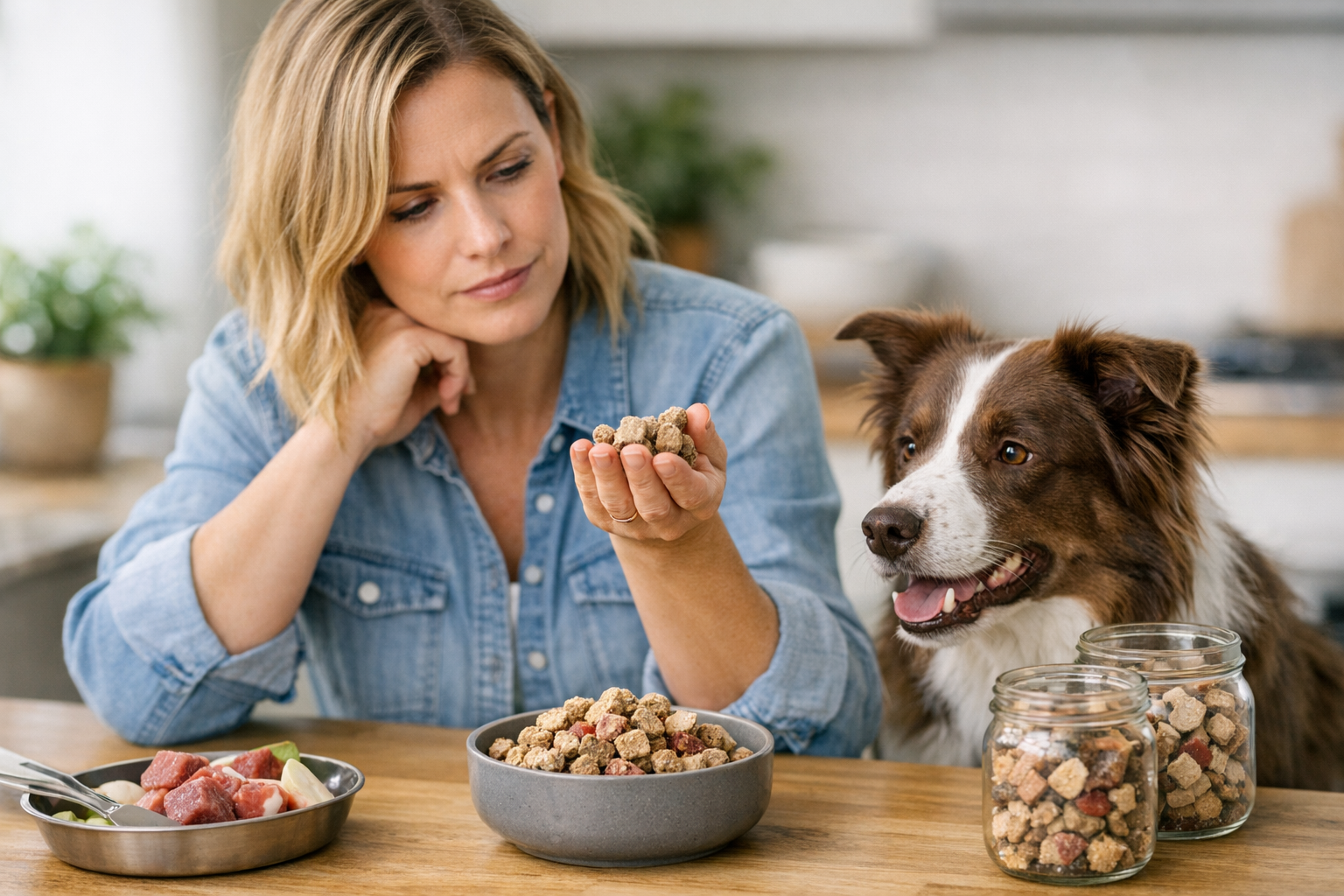
You are standing in the pet food aisle or browsing our website and you see bags of freeze dried nuggets. They look like kibble but the label says raw meat. It is a confusing moment for many dog owners. You want the nutritional power of a raw diet without the mess and freezer space of frozen patties. However, the word raw often triggers questions about bacteria and safety.
At BaxterBoo, we hear these questions from concerned pet parents every day. We know you want to provide the best for your dog while keeping your household safe. This article covers the safety of freeze dried raw food, how the process works, and how to handle it properly. We will look at the risks of pathogens and the benefits of high protein nutrition. Our goal is to give you the facts so you can choose the right food for your dog.
If you are comparing options, start with our freeze-dried dog food category.
Understanding the Freeze Drying Process
Freeze drying is a specific method of preservation. It is not the same as dehydrating or air drying. Those methods use heat to remove moisture. Heat changes the texture and can denature some of the delicate vitamins and enzymes in the meat. Freeze drying uses a process called sublimation to remove water.
First, the raw ingredients are flash frozen at very low temperatures. This prevents large ice crystals from damaging the cellular structure of the meat. Next, the food is placed in a vacuum chamber. The pressure is lowered and a tiny amount of heat is applied. In this vacuum, the ice turns directly into vapor without ever becoming a liquid.
This process removes about 98 to 99 percent of the moisture. Because there is almost no water left, bacteria and mold cannot grow. This makes the food shelf stable for a long time. It retains the smell, taste, and nutritional profile of the original raw ingredients.
Quick Answer: Raw freeze dried dog food is generally safe when sourced from reputable brands that use High Pressure Processing (HPP). While the freeze drying itself does not kill all bacteria, HPP and "test and hold" protocols significantly reduce risk. Owners must still follow strict hygiene practices when handling these products.
The Pathogen Question: Is It Truly Safe?
The biggest concern with any raw diet is pathogens. Bacteria like Salmonella, Listeria, and E. coli can naturally exist in raw meat. It is a common misconception that freeze drying kills these germs. In reality, some bacteria can survive the freezing and drying process by going into a dormant state.
This is why the brand you choose matters so much. Many of the premium brands we carry, such as Steve's Real Food, use a secondary safety step. This is often High Pressure Processing (HPP). HPP uses massive amounts of cold water pressure to crush the cell walls of harmful bacteria. It does this without using heat, so the food stays raw but becomes much safer.
Some companies also use a "test and hold" method. They keep the batch of food in the warehouse until a third party lab confirms it is clear of pathogens. Only then is it shipped to stores or your front door. Without these steps, raw freeze dried food carries a higher risk of contamination.
Vet Tip: If your dog has a compromised immune system or is undergoing chemotherapy, consult your veterinarian before feeding any raw product. While these foods are high in nutrients, the small risk of lingering bacteria might be too high for a medically fragile pet.
Benefits of Feeding Freeze Dried Raw
Many owners choose this food because it offers the convenience of kibble with the nutrition of a raw diet. Traditional kibble is cooked at very high temperatures. This can break down amino acids and force manufacturers to add synthetic vitamins back into the mix. Freeze dried food keeps those nutrients intact.
- High Digestibility: Because the proteins are not denatured by high heat, many dogs find this food easier to digest. This often leads to smaller and firmer stools.
- Better Palatability: The smell and taste of raw meat are preserved. This makes it an excellent choice for picky eaters who turn their noses up at dry biscuits.
- Shelf Stability: Unlike frozen raw diets, you do not need to thaw these nuggets in the fridge. You can store them in your pantry, making them perfect for travel or camping.
- Weight Management: Most freeze dried foods are very low in carbohydrates and starches. They have a lower glycemic index than many kibbles, which can help dogs maintain a healthy weight.
If you want a complete meal example, Primal Freeze-Dried Raw Pronto Dog Food - Beef is one place to compare label details.
Key Takeaway: Freeze dried raw food provides the nutritional integrity of raw meat in a shelf-stable format that is highly palatable for picky dogs.
Risks to Human Health and Handling Protocols
When we talk about safety, we are not just talking about the dog. Humans are often more susceptible to foodborne illness than dogs are. A dog's digestive system is shorter and more acidic, which helps them process bacteria. If you handle contaminated food and then touch your face or prepare your own meal, you could get sick.
Dogs can also shed bacteria in their stool after eating a raw diet. If you have young children, elderly family members, or anyone with a weakened immune system in the house, you must be extra careful. They should not handle the food or the dog's bowls.
For more practical feeding safety, our guide on how to switch from dry to wet dog food is a helpful next step.
Essential Handling Steps:
- Step 1: Wash your hands with warm, soapy water for at least 20 seconds after touching the food or the bowl.
- Step 2: Clean and disinfect the feeding area and all utensils after every meal.
- Step 3: Store the food in its original resealable bag in a cool, dry place. Keep it away from areas where you prepare human food.
- Step 4: Promptly pick up and dispose of your dog's waste in the yard to prevent environmental contamination.
Rehydration: To Soak or Not to Soak?
You can serve freeze dried food dry, but most manufacturers recommend rehydrating it. Since the moisture has been removed, the food is very concentrated. Adding water back into the food helps with digestion and keeps your dog hydrated. This is especially important for dogs that do not drink much water on their own.
You can use warm water, goat milk, or bone broth to rehydrate the nuggets. Let the food sit for a few minutes until it reaches a soft, pate-like consistency. If you choose to feed it dry, always make sure your dog has access to a large bowl of fresh water.
If you prefer to combine textures, our guide to mixing dry dog food with wet food is a useful companion read.
Note: Once you add water or broth to freeze dried food, it is no longer shelf stable. Treat it like fresh meat. If your dog does not finish the meal within 30 minutes, you should discard the leftovers.
Choosing a Safe and Balanced Brand
Not all freeze dried foods are created equal. Some products are meant to be full meals, while others are only meant as toppers or treats. Feeding a topper as a full meal can lead to nutritional deficiencies over time. Look for the AAFCO (Association of American Feed Control Officials) statement on the bag. It should say the food is "complete and balanced" for your dog's life stage.
Check the ingredient list for whole food sources. You want to see muscle meat, organ meat, and ground bone at the top of the list. Avoid brands that use vague terms like "meat by-products" or excessive fillers. Trusted brands like NutriSource often provide detailed sourcing information on their websites.
Our team at BaxterBoo carefully selects the brands we carry to ensure they meet high safety standards. We look for companies that are transparent about their pathogen testing and sourcing. This gives you peace of mind when you are filling the bowl.
If you are browsing other options, our dog food category is a simple place to compare styles and formulas.
Key Takeaway: Always verify that a freeze dried food is labeled as "complete and balanced" by AAFCO standards if you intend to use it as a primary meal.
Transitioning Your Dog Safely
If you are switching from kibble to a freeze dried raw diet, do not do it overnight. A sudden change in protein levels and fat content can cause an upset stomach. This can lead to vomiting or diarrhea. A slow transition allows the beneficial bacteria in your dog's gut to adjust.
- Days 1 to 3: Mix 25% of the new freeze dried food with 75% of the old food.
- Days 4 to 6: Mix 50% of the new food with 50% of the old food.
- Days 7 to 9: Mix 75% of the new food with 25% of the old food.
- Day 10: Feed 100% of the new freeze dried raw diet.
If you notice any signs of digestive distress, slow down the process. Some dogs might need two weeks or more to fully adjust to the new diet.
If your dog is a picky eater, what dry dog food is best for picky eaters can help you think through texture and aroma changes.
When to Consult a Professional
While freeze dried food is a great fit for many dogs, it is not a one-size-fits-all solution. If your dog has chronic health issues like kidney disease, pancreatitis, or severe allergies, you need professional guidance. High protein diets can be hard on dogs with certain types of organ dysfunction.
We recommend speaking with your veterinarian before making a major dietary change. They can help you determine if a raw-based diet is appropriate for your dog's specific health profile. They can also help you monitor your dog's blood work to ensure they are getting the right balance of minerals.
If your dog requires a specific prescription diet for a health condition, our pharmacy can help. Through our partnership with Pet's Choice, we offer a range of FDA-approved medications and prescription pet foods. This ensures your dog gets the exact nutrition and medical support they need for long-term wellness.
For pet parents who also want extra protection, Figo pet insurance is another option to explore.
Vet Tip: Always inform your veterinarian if you are feeding a raw diet. This information is vital for them to have if your dog ever presents with gastrointestinal symptoms or requires surgery.
Cost and Long-Term Value
There is no getting around the fact that freeze dried raw food is more expensive than standard kibble. The process of freezing and vacuum drying is energy-intensive. The ingredients are also typically higher quality, featuring more meat and fewer inexpensive fillers like corn or soy.
However, many owners find that the long-term benefits outweigh the daily cost. A dog on a highly digestible, nutrient-dense diet may have fewer skin issues, better weight control, and more energy. This can lead to fewer trips to the vet for allergy treatments or obesity-related joint problems.
To help manage the cost, we offer several programs for our customers. Our Autoship programme lets you save on repeat orders and keep food coming on schedule. You can also look into the Frequent Buyer Program for qualifying brands and extra value over time.
Bottom line: Freeze dried dog food is a premium investment in your dog's health that provides raw nutrition with modern convenience and safety.
Summary of Safe Feeding Practices
Feeding a raw freeze dried diet can be a rewarding experience for both you and your dog. By following simple safety rules, you can enjoy the benefits while minimizing the risks. Remember that the quality of the brand is your first line of defense against pathogens.
- Choose brands that use HPP or third-party pathogen testing.
- Check for the AAFCO complete and balanced statement.
- Rehydrate the food to support your dog's kidney health and digestion.
- Practice strict hygiene by washing hands and bowls after every meal.
- Consult your vet if your dog has underlying health conditions.
We are here to help you navigate the many options available for your pet. Whether you are looking for a complete meal or a tasty topper to boost your dog's current kibble, we have a selection that prioritizes quality and safety. You can find all these options in our dog food category, along with everything else you need for a happy, healthy dog.
FAQ
Does freeze drying kill Salmonella and other bacteria?
Freeze drying does not reliably kill all bacteria because it only removes moisture. While many pathogens cannot grow without water, they can survive in a dormant state until the food is rehydrated or eaten. This is why it is important to choose brands that use High Pressure Processing (HPP) or other safety measures to eliminate bacteria before the food is packaged.
Can I feed my dog freeze dried food without adding water?
Yes, you can feed it dry, but it is usually better to rehydrate it. Since the moisture has been removed, the food is very dry and can pull moisture from your dog's digestive tract. Adding water or broth helps with digestion and ensures your dog stays hydrated. If you do feed it dry, always make sure your dog has plenty of fresh water available at all times.
How long does freeze dried dog food stay fresh after the bag is opened?
Most freeze dried dog food will stay fresh for about 30 to 60 days after the bag is opened, provided it is kept in a cool, dry place. Always check the manufacturer's packaging for specific storage instructions and "best by" dates. Using a dedicated airtight container can also help maintain freshness and prevent the food from absorbing moisture from the air.
Is freeze dried raw food better for dogs than kibble?
Freeze dried food is often considered more nutrient-dense than kibble because it is not processed with high heat. This helps preserve natural enzymes, vitamins, and the integrity of the proteins. However, the best food depends on your dog's specific health needs, your budget, and your lifestyle. Many owners use freeze dried food as a topper to give their dog the benefits of raw nutrition without the high cost of a 100% raw diet.






