
 Save 15% on your 1st Autoship learn more

 Email us
 Live Chat
 FAQs
FAQs





Introduction
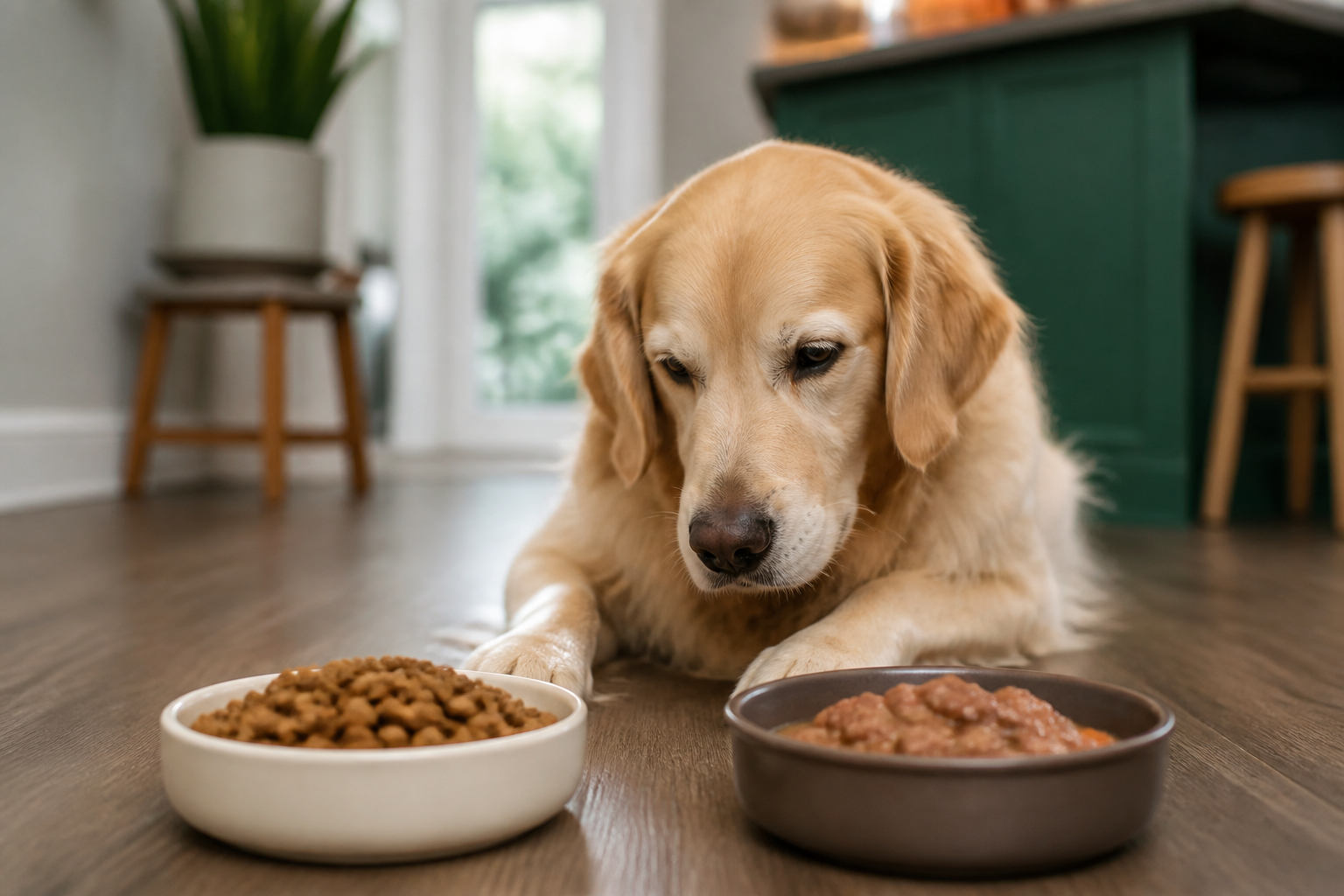
You are standing in the pet food aisle or scrolling through our dog food selection, holding a heavy can of beef stew in one hand and a bag of crunchy kibble in the other. Your dog has been putting on a few extra pounds lately, and you wonder if that rich, aromatic wet food is the culprit. Many pet owners assume that because wet food looks and smells more like a "human" meal, it must be higher in fat and calories. However, the reality of canine nutrition is often the exact opposite of what our eyes tell us. This article covers the differences in calorie density, moisture content, and how each food type affects your dog’s weight. You will learn how to read labels accurately so you can make the best choice for your dog’s waistline.
Quick Answer: Wet dog food is generally less fattening than dry kibble because it has a high water content, which reduces its calorie density. While it may seem richer, the moisture helps dogs feel full faster while consuming fewer calories per cup compared to dry food.
Understanding Calorie Density
The most significant difference between wet and dry food is the concentration of nutrients and energy. Dry dog food is produced through a process called extrusion. This involves mixing ingredients into a dough, cooking them under pressure, and then drying the resulting kibble. This process removes almost all moisture, leaving a product that is roughly 90 percent solid nutrition. Because it is so concentrated, a small volume of kibble packs a heavy caloric punch.
Wet food undergoes a different journey. The ingredients are ground and mixed with a gravy or gel that contains vitamins and minerals. The mixture is then canned and sterilized. This process retains a massive amount of water. In most cases, canned food is 75 percent to 78 percent moisture. When your dog eats a bowl of wet food, they are mostly consuming water. This means they can eat a much larger portion of wet food while taking in the same number of calories found in a small scoop of kibble.
The Volume Factor
If you have a dog that always seems hungry, volume matters. A dog that eats only dry food might finish their meal in seconds and look for more because their stomach does not feel physically full. Wet food provides more "bulk" in the stomach. This physical fullness, or satiety, is a vital tool for weight management. It allows a dog to feel satisfied without overconsuming calories.
Key Takeaway: Dry kibble is an energy-dense power food, while wet food is a high-volume, low-calorie option. This makes wet food an excellent tool for dogs that need to lose weight but struggle with constant hunger.
Decoding the Guaranteed Analysis
Reading a dog food label can be frustrating because the numbers for wet and dry food do not look comparable. If you look at a bag of kibble, it might list 26 percent protein. A can of wet food might only list 8 percent protein. At first glance, it looks like the kibble is much more nutritious. This is a common misconception caused by water weight. To compare the two fairly, you must look at them on a "dry matter basis."
To calculate the dry matter protein in wet food, you first subtract the moisture percentage from 100. If a can is 75 percent moisture, the dry matter is 25 percent. You then divide the listed protein (8 percent) by that dry matter (25 percent) and multiply by 100. In this case, the actual protein content is 32 percent. This is often higher than many standard dry foods. The same rule applies to fat content. When you strip away the water, wet food is often high in protein and moderate in fat, making it less "fattening" in terms of carbohydrate load.
Why Carbohydrates Matter for Weight
Dry food requires a high amount of starch or carbohydrates, such as grains, peas, or potatoes, to hold the kibble shape. These carbs provide energy, but if your dog is not highly active, that energy is stored as fat. Wet food does not need these binders. Consequently, wet food is often lower in carbohydrates than dry food. For many dogs, a lower-carb diet is the key to maintaining a lean body condition.
- Check the moisture content on the label.
- Calculate the dry matter protein and fat.
- Compare the carbohydrate sources between the two brands.
- Look for named animal proteins as the first ingredient.
The Role of Palatability and Overfeeding
One reason people think wet food is more fattening is that dogs love it so much. It is highly aromatic and flavorful. Because dogs enjoy it, owners are often tempted to give them "just a little more" or use it as a topper on top of a full serving of kibble. This is where the weight gain usually happens. It is not the wet food itself that is fattening, but the extra calories added to an already complete diet.
If you use wet food as a topper, you must reduce the amount of dry food you provide. If you simply add a scoop of wet food to their normal bowl of kibble, you are essentially giving them a second helping of dinner every night. Over time, these extra calories lead to obesity. We see many owners at BaxterBoo who successfully use a mix of both, but they are careful to measure every portion.
Vet Tip: If your dog is overweight, consult your veterinarian to rule out underlying issues like thyroid problems. They can help you calculate the exact number of calories your dog needs daily to lose weight safely without losing muscle mass.
When Dry Food Is the Better Choice
While wet food is great for satiety, dry food has its own set of advantages. For very active dogs, such as working breeds or high-energy puppies, the calorie density of dry food is a benefit. These dogs burn through energy quickly and may struggle to eat enough wet food to meet their caloric needs. A dog would have to eat several large cans of wet food to equal the energy found in a few cups of high-quality kibble.
Dry food is also more convenient for owners who prefer to use food puzzles or slow feeders. These tools are excellent for mental stimulation and can help a "gulper" slow down. Additionally, some dry foods are formulated to help with dental health. The mechanical action of chewing the crunchy bits can help scrape away some plaque, though it is never a replacement for regular teeth brushing.
Bottom line: Dry food is an efficient, cost-effective way to provide high energy to active dogs, but it requires strict portion control to avoid accidental weight gain.
Managing Weight with Prescription Diets
Sometimes, standard retail food is not enough to help a dog reach a healthy weight. If your dog is significantly obese, they may need a therapeutic weight loss diet. These diets are specifically formulated to be very high in fiber and protein to keep the dog feeling full while strictly limiting fat and calories.
Our pet pharmacy carries FDA-approved prescription pet foods through our partnership with Pet's Choice. These diets often come in both wet and dry versions. If your vet prescribes a weight-management formula, you can often find it through the BaxterBoo pharmacy section. These specialized foods are backed by clinical research and are designed for dogs with chronic weight issues or metabolic concerns.
Benefits of the Mixed Feeding Approach
You do not have to choose strictly between wet and dry. Many pet parents find that a 50/50 split provides the best of both worlds. This approach gives your dog the dental and convenience benefits of kibble with the hydration and satiety of wet food. It also keeps mealtime interesting for picky eaters.
When mixing, it is helpful to use a kitchen scale rather than a measuring cup. Measuring cups can be inaccurate by up to 20 percent depending on how the kibble settles. Weighing the food in grams ensures your dog gets the exact amount of energy they need every day. This precision is the most effective way to prevent your dog from becoming "fattening" on any type of food.
Transitioning Between Food Types
If you decide to switch from dry to wet to help with weight loss, do it slowly. A sudden change in diet can lead to an upset stomach, gas, or diarrhea. This is especially true when moving to wet food, which is much richer in moisture and protein than many dogs are used to.
For additional guidance, read our guide to switching from dry to wet dog food.
Step 1: Mix 25 percent of the new food with 75 percent of the old food. / Do this for two days while watching for any changes in stool or energy.
Step 2: Increase to a 50/50 mix for the next two days. / If your dog seems comfortable, continue the transition.
Step 3: Move to 75 percent new food and 25 percent old food. / Continue this for another two days.
Step 4: Feed 100 percent of the new food. / Your dog's digestive system should now be fully adjusted.
The Importance of Hydration in Weight Loss
Hydration plays a massive role in how the body processes nutrients and burns fat. A dehydrated dog may have a slower metabolism and may appear more lethargic. Wet food provides an easy way to boost water intake, which supports kidney function and urinary tract health. This is particularly important for senior dogs or dogs that do not drink much from their water bowl.
For dogs with a history of crystals or kidney issues, the high moisture content in wet food is often a medical necessity. If your dog falls into this category, our pharmacy offers specific prescription diets designed for urinary and renal support. These foods manage mineral levels to prevent stone formation while keeping the dog hydrated.
For another way to add moisture to meals, see our guide to wetting dry dog food.
Key Takeaway: Adding moisture to a dog's diet through wet food supports their overall metabolism and can make a weight loss plan much more effective.
Common Myths About Wet Dog Food
There are several myths that keep owners from trying wet food for weight management. One common belief is that wet food causes soft stools. While it can cause a temporary change during a transition, high-quality wet food with proper fiber content should result in healthy, firm stools. Another myth is that wet food is "junk food." In reality, many wet foods have fewer fillers and more real meat than their dry counterparts.
Finally, some people believe that wet food causes dental rot. While wet food does not help clean teeth the way some kibble does, it does not actively cause decay any more than dry food does. All dogs, regardless of their diet, need regular dental care. If you are worried about your dog's teeth, you can add dental treats or water additives to their routine.
- Myth: Wet food is just a treat. (Fact: Most are complete and balanced.)
- Myth: Wet food is always high in fat. (Fact: It is mostly water.)
- Myth: Wet food makes dogs picky. (Fact: It is simply more palatable for dogs with low appetites.)
- Myth: Wet food is only for small dogs. (Fact: Large breeds benefit from the hydration too.)
Choosing the Right Wet Food for Your Dog
When you are looking for a wet food that won't lead to weight gain, focus on the ingredient list. Look for recipes that use whole vegetables like green beans, carrots, or spinach. These provide fiber and micronutrients without a lot of calories. Avoid "gravy" style foods if you are very concerned about weight, as the thickeners used in gravies can sometimes be higher in carbohydrates than the "pate" or "loaf" styles.
Brands like Farmina, Royal Canin, and Stella & Chewy's offer excellent wet options that prioritize high-quality proteins. We carefully curate the brands we carry at BaxterBoo to ensure that whether you choose wet, dry, or a mix, you are giving your pet ingredients that support a long and healthy life.
Bottom line: The "best" food is the one that keeps your specific dog at an ideal body condition score while providing enough energy for their daily life.
Monitoring Your Dog's Progress
No matter what you feed, you must monitor your dog's body condition. You should be able to feel their ribs easily without a thick layer of fat over them. When looking from above, your dog should have a visible waistline. If they start to look more like a cylinder, it is time to cut back on portions.
Weight management is a marathon, not a sprint. Rapid weight loss can be dangerous for dogs, especially for their liver health. Aim for a slow, steady loss of about 1 percent to 2 percent of their body weight per week. Regular weigh-ins at the vet or using a home scale for smaller dogs can help you stay on track.
Conclusion
Wet dog food is not inherently more fattening than dry food. In many cases, it is a superior tool for weight loss because its high moisture content allows for larger, more satisfying portions with fewer calories. While dry kibble offers convenience and calorie density for active dogs, wet food provides essential hydration and high palatability for picky eaters or those prone to weight gain. By understanding how to calculate dry matter and being mindful of portion sizes, you can help your dog reach and maintain their ideal weight.
- Wet food is mostly water, which reduces calorie density.
- Kibble is highly concentrated and requires strict measuring.
- The pharmacy at BaxterBoo is available for prescription weight-loss diets.
- Always consult your vet before making major changes to your dog's nutrition plan.
If you are ready to start your dog on a new nutrition path, browse our wet and dry dog food options. You can even set up our Autoship programme to ensure you never run out of your dog’s favorite healthy meals, all while earning points through the MVP Rewards programme.
FAQ
Is wet food better than dry food for a dog that needs to lose weight?
Wet food can be very effective for weight loss because it is less calorie-dense than dry food. The high water content helps dogs feel full on fewer calories, which prevents them from begging for more food. However, either type of food can work for weight loss as long as the total daily calories are strictly managed.
Can I mix wet and dry food if my dog is on a diet?
Yes, mixing wet and dry food is a great way to provide variety and hydration while keeping costs down. You must be careful to calculate the calories for both types of food to ensure you are not overfeeding. A common method is to replace a portion of the dry kibble with a calorically equivalent amount of wet food.
For more ideas, read our guide to mixing wet and dry dog food.
Why does the label on wet food show lower protein than dry food?
The protein percentage on wet food looks lower because it includes the weight of the water in the can. To compare it to dry food, you must calculate the protein on a dry matter basis. When the water is removed, wet food often has a higher protein percentage than many dry kibbles.
Does wet dog food cause more dental problems than dry food?
Wet food does not provide the same "scrubbing" action as dry kibble, but it does not directly cause dental problems. All dogs need regular dental care, including brushing and professional cleanings, regardless of whether they eat wet or dry food. If you feed only wet food, you may need to be more diligent with dental treats and checkups.






