
 Save 15% on your 1st Autoship learn more

 Email us
 Live Chat
 FAQs
FAQs





Introduction
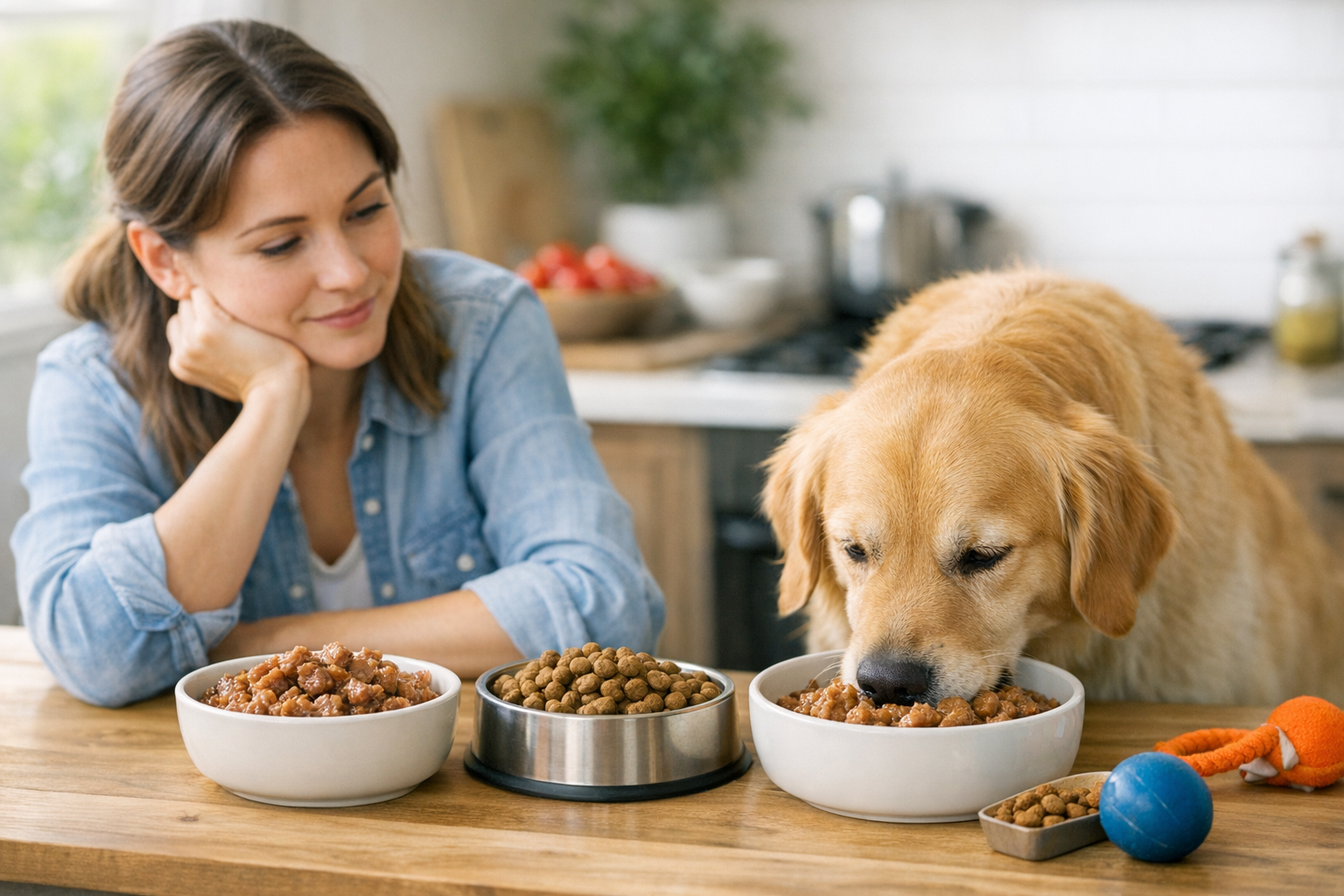
You just finished feeding your dog their evening meal. Within minutes, they are back at their bowl or staring you down with "puppy dog eyes" as if they haven't eaten in days. This constant search for more food is a common struggle for pet owners. It often leads to the question of whether a change in texture could help your dog feel more satisfied. At BaxterBoo, we hear from many owners who are trying to balance their dog's appetite with a healthy weight. If you're comparing formats, our dog food category is a good place to start. Understanding the physical volume of what goes into the bowl is the first step. This article explains how moisture and calorie density impact how full your dog feels. We will look at the science of satiety and how wet food might be the tool you need to manage a hungry dog.
Quick Answer: Wet dog food is generally more filling than dry food because of its high moisture content. The added water increases the physical volume of the meal without adding calories. This allows a dog to eat a larger portion while consuming the same amount of energy.
The Role of Moisture in Meal Volume
The most significant difference between wet and dry dog food is the water content. Dry kibble usually contains about 10 percent moisture. In contrast, wet dog food often contains between 75 and 78 percent moisture. This difference completely changes how the food behaves in your dog’s stomach.
When a dog eats dry kibble, they are consuming a very concentrated form of energy. Each small nugget is packed with proteins, fats, and carbohydrates. Because it is so dense, the physical space it takes up in the stomach is relatively small. It takes time for the body to break down those hard pieces.
Wet food provides much more bulk. Because it is mostly water, the same amount of calories in wet food results in a much larger physical pile in the bowl. If you want to compare textures and moisture levels, our wet dog food category is a helpful next read. When your dog eats a larger volume, their stomach stretches more. This stretching sends signals to the brain that the stomach is full.
Why Volume Matters for Satiety
Satiety is the scientific term for the feeling of being full. In dogs, this is triggered by both mechanical and chemical signals. Mechanical signals happen when the stomach walls expand. Chemical signals occur as nutrients are absorbed into the bloodstream.
If you feed a dog a small handful of high-calorie kibble, they may get the nutrients they need, but their stomach might not feel "stretched." This can lead to them feeling hungry shortly after the meal. Wet food provides that immediate physical sensation of fullness. It helps bridge the gap between finishing the meal and the body recognizing the nutrients.
Key Takeaway: The high water content in wet food increases the meal's volume. This physical bulk helps trigger stretch receptors in the dog's stomach to signal fullness more effectively than dense kibble.
Caloric Density and Weight Management
If your dog needs to lose weight, managing their hunger is the hardest part. Many owners feel guilty when they have to reduce portion sizes. This is where the caloric density of food becomes a vital factor in your choice.
Dry dog food is calorie-dense. A single cup of premium kibble from brands like Royal Canin or Farmina can contain upwards of 400 calories. If a dog only needs 800 calories a day, two cups of food is not a very large volume for a medium-sized dog to eat. They may finish it in seconds and look for more. For dogs with especially picky eating habits, our What’s the Best Dry Dog Food for Small Dogs? article offers a useful comparison point.
Wet food has a much lower caloric density. Because water has zero calories, it dilutes the energy content of the food. You might be able to feed two or three cans of wet food to reach that same 800-calorie goal. The dog gets to spend more time eating and ends up with a much heavier stomach.
Using Wet Food for Weight Loss
For dogs on a weight loss plan, wet food can be a useful strategy. It allows you to maintain a respectable portion size while cutting back on the actual energy intake. This reduces the begging and scavenging behaviors that often sabotage a diet.
If your veterinarian has recommended a specific prescription diet for weight management, our pharmacy can help. We partner with Pet's Choice to provide FDA-approved prescription pet foods like Farmina Vet Life for weight management. These formulas are designed specifically to support healthy metabolism while keeping your dog satisfied.
Vet Tip: If your dog is constantly hungry or gaining weight, consult your veterinarian to rule out underlying issues like thyroid problems or parasites. They can help you calculate the exact daily calorie count your dog needs before you switch food types.
The Importance of Fiber for Fullness
While moisture plays a massive role in filling up your dog, fiber is another key ingredient. Fiber is the part of plant material that a dog’s body cannot fully digest. It adds bulk to the stool and the stomach contents without adding calories.
Many wet foods are formulated with specific fiber sources like beet pulp or pea fiber. These ingredients slow down the rate at which food leaves the stomach. When food stays in the stomach longer, the dog feels full for a longer period.
Soluble vs. Insoluble Fiber
- Soluble fiber: This type of fiber turns into a gel-like substance in the gut. It slows down digestion and can help regulate blood sugar levels.
- Insoluble fiber: This type provides "roughage." It moves through the system relatively unchanged and helps the dog feel physically heavy and satisfied.
Dry kibble also contains fiber, but the lack of moisture means it does not expand in the stomach quite like the fiber found in wet food. When you combine high fiber with high moisture, you create the ultimate "filling" meal.
Palatability and Behavioral Satisfaction
Sometimes a dog acts hungry not because their stomach is empty, but because they weren't satisfied by the eating experience. This is common with picky eaters or dogs who "inhale" their food. Wet food generally has a much stronger aroma and a more appealing texture for dogs.
The strong scent of wet food comes from the fats and proteins that are preserved in the canning process. When a dog enjoys their meal more, they may feel more "psychologically" full. A boring bowl of dry kibble might be eaten quickly and forgotten. A savory stew from our selection of Royal Canin products provides a more intense sensory experience.
Slowing Down the "Inhaler"
If your dog eats too fast, they may not give their brain enough time to register that they are full. Wet food can be smeared into slow-feeder bowls or lick mats. This forces the dog to work for their food, turning a 30-second meal into a 10-minute activity. This mental engagement is just as important for satiety as the physical food.
Comparing the Benefits: Wet vs. Dry
It is helpful to see how these two formats stack up when your goal is to keep your dog satisfied. Neither is objectively "better," but they serve different needs.
| Feature | Wet Dog Food | Dry Dog Food |
|---|---|---|
| Moisture Level | High (75-78%) | Low (10-12%) |
| Calorie Density | Low | High |
| Physical Volume | High per calorie | Low per calorie |
| Hydration Support | Excellent | Minimal |
| Shelf Life | Short once opened | Long (stable in bag) |
| Dental Benefits | Low | High (kibble scrapage) |
| Satiety Level | Generally higher | Generally lower |
Bottom line: Wet food wins for immediate fullness due to volume, while dry food is more convenient and offers better dental support.
When Dry Food Might Be Better for Satiety
There are specific cases where dry food might actually help a dog feel more satisfied. This usually happens when the dry food is used with enrichment tools.
If you put dry kibble into a puzzle toy, the dog has to spend a long time "hunting" for each piece. This prolonged feeding time can help the brain catch up with the stomach. Additionally, some high-quality dry foods use advanced ingredients like resistant starches that take a long time to digest.
Dry food is also much easier to portion out exactly. If you are using a measuring cup, you know exactly how many calories are going in. With wet food, it can be easy to accidentally overfeed if you are just "eye-balling" half a can. For more practical feeding math, our guide to dry dog food portions can help.
The Strategy of Mixing Wet and Dry Food
You do not have to choose just one. Many pet owners find that a combination of both provides the best results for satiety and budget. Mixing a small amount of wet food into dry kibble is often called "topping."
By adding a few spoonfuls of wet food to a reduced portion of kibble, you increase the total volume of the meal. You also add the aroma and moisture that helps the dog feel like they are getting a special treat. If you want more ideas for meal enhancers, our food topper collection is a natural next step. This is an excellent way to transition a dog to a weight-loss plan without causing them distress.
Step-by-Step: Transitioning to a Mixed Diet
Step 1: Calculate your dog's total daily calorie needs with your vet. / Split this number between the dry and wet food you plan to use.
Step 2: Start by replacing 25% of the dry meal with an equal calorie amount of wet food. / Do this for three days to ensure your dog's stomach handles the change well.
Step 3: Gradually increase the ratio of wet food if the dog still seems hungry. / Always monitor their weight weekly to make sure the total calories are correct.
Step 4: Use the wet food as a "base" by mixing it thoroughly with the kibble. / This prevents the dog from just picking out the wet food and leaving the dry bits.
Health Considerations Beyond Fullness
While satiety is a primary reason to consider wet food, there are other health benefits to the moisture content. Many dogs do not drink enough water on their own. Low-level dehydration can lead to urinary tract issues and kidney stress.
Wet food provides a significant portion of a dog's daily hydration. This is especially important for senior dogs or dogs living in hot climates. If your dog has a history of bladder stones or crystals, the extra water in wet food is often a medical necessity.
Our Autoship programme can make it easier to keep moisture-rich meals on hand without constant reordering. Through our partnership with Pet's Choice, we can help you manage your dog's long-term wellness needs with the right balance of nutrition and medication.
Dental Health Trade-offs
One downside to a purely wet food diet is the lack of dental stimulation. Dry kibble provides a mechanical scraping action that can help reduce plaque and tartar buildup. If you switch to a mostly wet diet to help your dog feel full, you must be more diligent about dental care.
We recommend regular tooth brushing or using dental treats and additives. Brands like Greenies or Cosequin offer supplements and treats that can help support the health needs of a dog on a soft food diet.
The Economic Reality of Feeding Wet Food
It is worth noting that feeding a large dog exclusively wet food can be significantly more expensive than feeding dry kibble. Because wet food is mostly water, you have to buy more of it to get the same nutritional value. For a large breed like a Labrador or a Golden Retriever, this can add up quickly.
This is another reason why the "mixed" approach is so popular. It allows you to get the satiety benefits of wet food without the high monthly cost of a 100% wet diet. You can also look for larger cans or multi-pack options to save on the per-ounce cost.
At BaxterBoo, we offer the MVP Rewards programme to help pet owners manage these costs. You can earn up to 5% back on your purchases, which makes it easier to afford high-quality wet food toppers for every meal.
Behavioral Cues vs. Real Hunger
It is important to distinguish between a dog that is physically hungry and a dog that has learned how to beg. Dogs are scavengers by nature. Their ancestors never knew when their next meal was coming, so they are hardwired to eat whenever food is available.
If your dog finishes a large portion of wet food and still begs, it might be a behavioral habit rather than a nutritional need. In these cases, increasing the food volume further might not solve the problem. Instead, try distracting them with a walk or a play session immediately after they eat.
Signs of True Hunger
- Weight loss or visible ribs (unless they are at an ideal lean weight)
- Scavenging for non-food items (pica)
- Significant drop in energy levels
- Licking the empty bowl for extended periods after a meal
If you see these signs, it is time to talk to your vet about their caloric intake. If your dog is at a healthy weight but still seems obsessed with food, the volume-adding benefits of wet food are likely your best solution. For a related take on switching formats, our guide to moving from dry to wet dog food is worth a look.
Summary of Feeding for Satiety
Feeding your dog is about more than just hitting a calorie goal. It is about making sure they feel satisfied and healthy. Wet food is a powerful tool in your pantry because it uses water to create volume. This volume fills the stomach and satisfies the brain.
Whether you choose to go 100% wet, use it as a topper, or mix it with high-fiber kibble, the goal is a happy dog that isn't constantly looking for their next snack. By understanding the density of what you put in the bowl, you can take control of your dog's appetite. If you're still weighing formats, our wet vs. dry dog food comparison can help you decide.
Key Takeaway: Wet dog food is a practical solution for hungry dogs because it allows for larger portions without excessive calories. It supports hydration and can make weight management much easier for both the dog and the owner.
Conclusion
Finding the right balance between wet and dry food can change the daily life of a hungry dog. While dry kibble is convenient and good for teeth, the moisture and volume of wet food provide a level of satiety that kibble often cannot match. At BaxterBoo, we have been helping pet owners navigate these choices since 2006. Our wide selection of over 500 brands ensures you can find the perfect combination for your dog's specific needs. If your dog’s hunger is tied to a medical condition or weight issue, remember that our pharmacy and Pet’s Choice partnership offer a streamlined way to get the prescription diets you need. Start by trying a high-quality wet topper and see if those "hungry eyes" finally find some rest.
Bottom line: Increasing meal volume with wet food is the most effective way to help a dog feel full while maintaining a healthy weight.
FAQ
Is wet food better for dogs that are always hungry?
Yes, wet food is often better for dogs with high appetites because it has a higher volume per calorie. The high water content fills the stomach more quickly and provides a physical sensation of fullness that dry kibble lacks. This can help reduce begging and scavenging behaviors between meals.
Can I just add water to dry kibble to make it more filling?
Adding water to dry kibble can help increase volume and hydration, but it does not change the nutritional density. While it may help some dogs feel slightly fuller, it does not provide the same aromatic or textural satisfaction as true wet food. Additionally, wet food is processed differently to maintain high levels of moisture while remaining shelf-stable in the can.
Does wet food cause weight gain?
Wet food itself does not cause weight gain; only an excess of total calories does. In many cases, wet food actually helps with weight loss because it is less calorie-dense than dry food. As long as you calculate the correct portions and do not overfeed, wet food can be a very effective tool for maintaining a lean body condition.
Should I worry about my dog's teeth if I only feed wet food?
If you feed a diet that is exclusively or primarily wet food, you should be more proactive about dental hygiene. Wet food does not provide the mechanical cleaning that happens when a dog crunches on kibble. We recommend daily tooth brushing and the use of dental treats to help prevent plaque and tartar buildup for dogs on soft diets.






