
 Save 15% on your 1st Autoship learn more

 Email us
 Live Chat
 FAQs
FAQs





Introduction
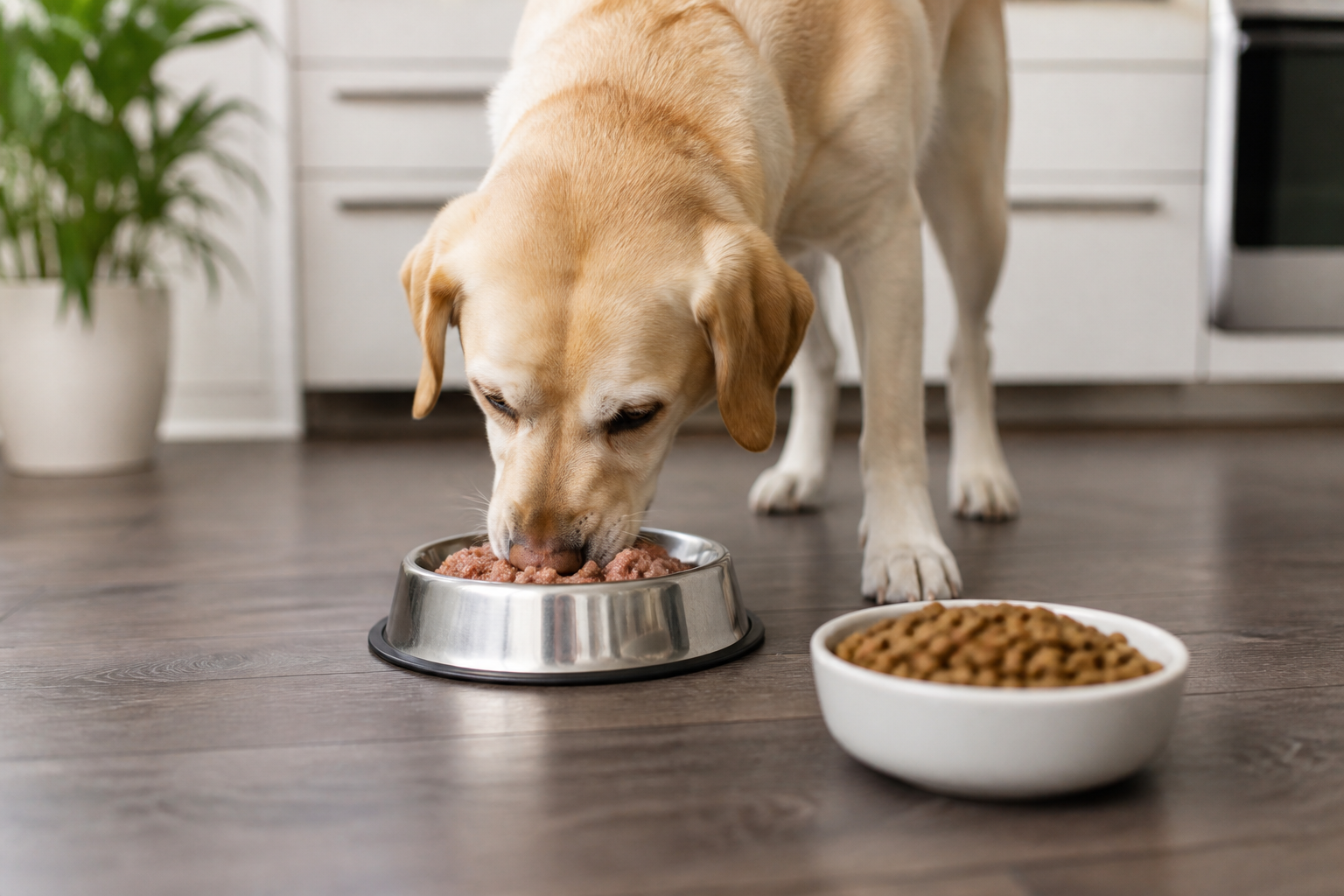
You are standing in the pet food aisle staring at rows of colorful bags and stacks of gleaming cans. You want the best for your dog, but the sheer variety of choices is enough to make any pet owner feel stuck. One bag promises dental health while the can next to it boasts about rich gravy and high protein. At our dog food category, we have helped thousands of owners navigate this exact choice since 2006. We know that picking between wet and dry food is rarely about finding one "perfect" answer for every dog. Instead, it is about matching the unique needs of your pet with the right texture and nutrition profile. This article will explain the core differences in how these foods are made, their specific health benefits, and how to choose the right one for your household.
Quick Answer: Neither food is strictly better than the other for all dogs. Wet food is excellent for hydration and picky eaters, while dry food is convenient and supports dental health. Many owners find that a combination of both offers the best balance of nutrition and value.
How Wet and Dry Dog Foods Are Made
The primary difference between these two food types starts long before they reach your dog’s bowl. It begins with the manufacturing process. Both styles are designed to be nutritionally complete. This means they contain the vitamins, minerals, and amino acids your dog needs to thrive. However, the way they reach that finished state is very different.
For a broader look at the topic, see our wet and dry dog food guide.
The Wet Food Process
Wet food usually starts with ground protein sources like beef, chicken, or lamb. Manufacturers mix these proteins with a liquid gravy or gel that contains added vitamins, minerals, and grains. Once the mixture is combined, it is sealed inside a can or pouch. The entire container is then cooked and sterilized. This high heat process kills any potential bacteria and creates a long shelf life without the need for many synthetic preservatives. The final product has a moisture content that typically ranges from 75% to 78%.
The Dry Food Process
Dry food, or kibble, uses similar base ingredients but processes them into a dough. This mixture is pulverized and then sent through an extruder. The extruder acts like a large pasta machine, pushing the dough through shaped holes and cooking it under pressure. Once the kibble pieces are formed, they go through a drying process to remove almost all moisture. After drying, the kibble is often sprayed with fats, oils, and sometimes probiotics. This makes the food more flavorful and ensures it meets fat requirements. Dry food usually has a maximum moisture content of around 10%.
The Advantages of Wet Dog Food
Many dogs get excited the moment they hear a can opener. There are several functional reasons why wet food might be the right choice for your dog.
If you are thinking about a gradual switch, our transition guide can help you make the change smoothly.
Superior Hydration
Water is essential for every metabolic process in your dog’s body. Some dogs simply do not drink enough water from their bowls. Because wet food is nearly 80% water, it provides a massive boost to their daily fluid intake. This is particularly helpful for dogs with certain health conditions. Dogs with a history of urinary crystals or kidney issues often benefit from the extra flushing action that high-moisture food provides.
Enhanced Palatability
As dogs age, their sense of smell can begin to fade. Wet food has a much stronger aroma than dry kibble, especially when it is warmed up slightly. The rich scent of the proteins and gravy can entice even the pickiest eaters to finish their meals. If you have a senior dog who seems disinterested in their dinner, switching to a canned option can often reignite their appetite.
Weight Management and Satiety
Wet food is less "energy dense" than dry food. This means that a large volume of wet food contains fewer calories than the same volume of kibble. The high water content helps your dog feel full faster and stay full longer. If you are managing a dog that always seems hungry but needs to lose a few pounds, wet food allows them to eat a satisfying portion without over-consuming calories.
Easier to Chew
Dogs with dental disease, missing teeth, or very small jaws often struggle with the hard crunch of kibble. Wet food has a soft consistency that requires almost no chewing. This makes it a safer and more comfortable option for senior dogs or those recovering from oral surgery.
Key Takeaway: Wet food is the gold standard for hydration and palatability. It is a powerful tool for managing picky eaters and senior dogs with dental or appetite concerns.
The Advantages of Dry Dog Food
Kibble remains the most popular choice for dog owners in the United States. Its popularity is not just about price; it offers several practical benefits for both the dog and the owner.
If freshness matters most to you, our dry dog food storage tips are a useful next read.
Dental Health Support
The mechanical action of chewing hard kibble can help scrape away soft plaque from the teeth. While it is not a replacement for regular brushing, many dry foods are specifically shaped to promote this "scrubbing" effect. This can help slow down the buildup of tartar and reduce the risk of periodontal disease over time.
Convenience and Storage
Dry food is significantly easier to handle than wet food. It can be left out in a bowl for several hours without spoiling. This makes it the ideal choice for "grazers" who prefer to eat small amounts throughout the day. Once a bag is opened, it can stay fresh for several weeks if stored in a cool, dry place inside an airtight container.
Cost-Effectiveness
On a per-calorie basis, dry food is almost always more affordable than wet food. Since you are not paying for the weight of the water or the expensive canning process, you can often buy higher-quality ingredients for a lower price. This makes dry food a more sustainable choice for owners of large-breed dogs who require a high volume of food every day.
Mental Enrichment
Kibble is perfect for use in puzzle toys, snuffle mats, and slow feeders. These tools provide mental stimulation by making your dog "hunt" for their food. You cannot easily put wet food into a rolling treat ball or a standard puzzle. Using dry food for meals is an easy way to burn off extra energy and provide cognitive engagement.
Comparing Nutritional Profiles
When you look at a label, you might see that dry food has 25% protein while wet food only has 10%. This can be misleading. To compare them fairly, you have to look at the "dry matter basis." This removes the water from the equation so you can see the actual nutrient concentration.
For readers focused on life-stage feeding, our puppy shop is a helpful place to browse.
- Protein: Once the water is removed, most high-quality wet and dry foods have similar protein levels.
- Fat: Wet food often has a slightly higher fat content because it uses more whole animal tissues and gravies. This contributes to its high palatability.
- Carbohydrates: Dry food requires starches like grains, potatoes, or legumes to hold the kibble shape. Consequently, dry food is almost always higher in carbohydrates than wet food.
Vet Tip: If your dog has a specific health condition like diabetes or kidney disease, the balance of protein and carbs is critical. Always consult your veterinarian before switching food types.
Mixing Wet and Dry Food
You do not have to choose just one. Many owners find that mixing the two offers the "best of both worlds." This approach provides the dental benefits and cost savings of kibble with the flavor and hydration of canned food.
Benefits of the Mixed Approach
- Increased Interest: A small "topper" of wet food can make a bowl of plain kibble much more exciting.
- Budget Flexibility: You can stretch your budget by using dry food as the base and adding wet food as a nutritional boost.
- Easier Transitions: Dogs that are used to eating both textures are much easier to transition to a specialized diet later in life if a medical need arises.
How to Mix Safely
When mixing, the most common mistake is overfeeding. Wet food still has calories, even if it is mostly water. You cannot simply add a half-can of food on top of a full portion of kibble.
- Calculate Total Calories: Ask your vet how many calories your dog needs per day.
- Adjust Portions: If you add 100 calories of wet food, you must remove 100 calories of dry food.
- Watch the Bowl: Only mix what your dog will eat in one sitting. Wet food mixed with kibble will cause the dry pieces to get soggy and spoil quickly if left out.
Bottom line: Mixing food is a great way to improve your dog's mealtime experience, provided you adjust the total portions to prevent weight gain.
Special Considerations for Life Stages
Your dog's nutritional requirements change as they grow. What works for a puppy may not be ideal for a senior.
If you are feeding an older dog, our senior dog food selection is worth exploring.
Puppies
Puppies have high energy needs and small stomachs. They need nutrient-dense food to support their rapid bone and muscle growth. Many owners start puppies on a mix of softened kibble or wet food to help them transition from nursing to solid meals. Because puppies eat so much, dry food is often the primary choice for growth, supplemented by wet food for variety.
Seniors
As dogs enter their golden years, they often experience a decline in kidney function and dental health. They may also become less active and prone to weight gain. Wet food is frequently the better choice for seniors because of the hydration it provides and its lower calorie density. If your senior dog is on medication, wet food is also a perfect "vehicle" for hiding pills.
Managing Health Conditions with Diet
Diet is often the first line of defense for managing chronic health issues. For example, dogs with skin allergies might benefit from the limited ingredient profiles often found in premium canned foods. On the other hand, dogs prone to obesity might do better on a high-fiber dry food that keeps them feeling full.
If your vet recommends a specific prescription diet, our MVP Rewards programme can help you save on future eligible purchases.
Practical Tips for Feeding and Storage
To get the most out of whichever food you choose, proper handling is key.
Storing Dry Food
- Keep it in the original bag: The bags are designed to keep oxygen out. Place the entire bag inside a plastic bin rather than pouring the food out.
- Check the expiration: Try to buy a bag size that your dog will finish within six weeks of opening.
- Wash the bowl: Oils from the kibble can go rancid on the surface of the bowl, so wash it daily with soap and water.
Storing Wet Food
- Refrigerate immediately: Once a can is opened, cover it with a silicone lid and put it in the fridge.
- The three-day rule: Use any opened wet food within three days. If you cannot finish it by then, it should be discarded.
- Room temperature is best: Most dogs dislike cold food straight from the fridge. Let it sit out for a few minutes or microwave it for five seconds to take the chill off.
Key Takeaway: Proper storage prevents nutrient loss and keeps your dog's food safe from bacteria and oxidation.
Summary of the Comparison
| Feature | Dry Dog Food (Kibble) | Wet Dog Food (Canned) |
|---|---|---|
| Moisture Content | Low (approx. 10%) | High (approx. 75-78%) |
| Shelf Life | Long (weeks after opening) | Short (3 days in fridge after opening) |
| Cost | Generally more affordable | Generally more expensive |
| Dental Benefit | Helps reduce plaque/tartar | None |
| Palatability | Moderate | Very High |
| Convenience | Can be left out; easy to measure | Must be refrigerated; spoils quickly |
Making the Final Choice
Choosing between wet and dry food does not have to be a permanent decision. You can rotate between them or use them together to suit your lifestyle. If you have a healthy, active dog who drinks plenty of water, a high-quality dry food is a convenient and effective choice. If you are caring for a senior dog, a picky eater, or a dog with urinary issues, wet food offers significant health and comfort advantages.
For more options across feeding styles, our dry dog food category is a good place to start.
At BaxterBoo, we stock over 500 trusted brands to ensure you have access to the best nutrition possible. Whether you choose the crunch of kibble or the richness of canned food, focus on high-quality ingredients and appropriate calorie counts. If you are ever unsure about your dog's specific nutritional needs, a quick conversation with your veterinarian is the best way to ensure they are on the right track.
Key Takeaway: The best food is the one that your dog enjoys, fits your budget, and meets their specific health requirements as determined by your vet.
Conclusion
Both wet and dry dog foods provide the essential nutrients your pet needs to live a long and healthy life. Wet food excels at keeping your dog hydrated and satisfied, making it a lifesaver for picky eaters and seniors. Dry food offers unmatched convenience, dental support, and value for money. For many families, a mixture of both provides the most balanced approach to canine nutrition.
- Evaluate your dog's current health and hydration levels.
- Consider your daily routine and whether you prefer "grazing" or scheduled meals.
- Calculate the cost difference to see what fits your monthly budget.
Bottom line: Start with a high-quality base of dry food and experiment with wet toppers to see what your dog loves most. You can earn up to 5% back on every food purchase by joining the MVP Rewards programme.
FAQ
Is wet food better for a dog’s teeth than dry food?
No, dry food is generally better for dental health because the hard texture helps scrape plaque off the teeth. Wet food is soft and can actually stick to the teeth and gums, which may contribute to tartar buildup if you do not brush your dog's teeth regularly. If your dog eats only wet food, it is especially important to maintain a strict dental cleaning routine.
Can I feed my dog only wet food?
Yes, you can feed a dog a diet of only wet food as long as it is labeled as "complete and balanced." This ensures the food contains all the necessary vitamins and minerals for their life stage. However, keep in mind that a wet-only diet is usually more expensive and offers no natural dental cleaning benefits through chewing.
Why does my dog prefer wet food over kibble?
Dogs rely heavily on their sense of smell to determine what is tasty, and wet food has a much stronger aroma than dry kibble. The texture of wet food is also closer to the fresh meat that their ancestors would have eaten. Additionally, the higher fat and moisture content often makes it feel more rewarding and easier to swallow.
Does wet food cause diarrhea in dogs?
Wet food itself does not cause diarrhea, but a sudden switch from dry to wet food can upset a dog’s digestive system. Because wet food is much richer and higher in moisture, you should always transition slowly over seven to ten days. Start by adding a small spoonful of wet food to their regular kibble and gradually increase the amount to avoid loose stools.






