Save 15% on your 1st Autoship learn more

 Email us
 Live Chat
 FAQs
FAQs





Introduction
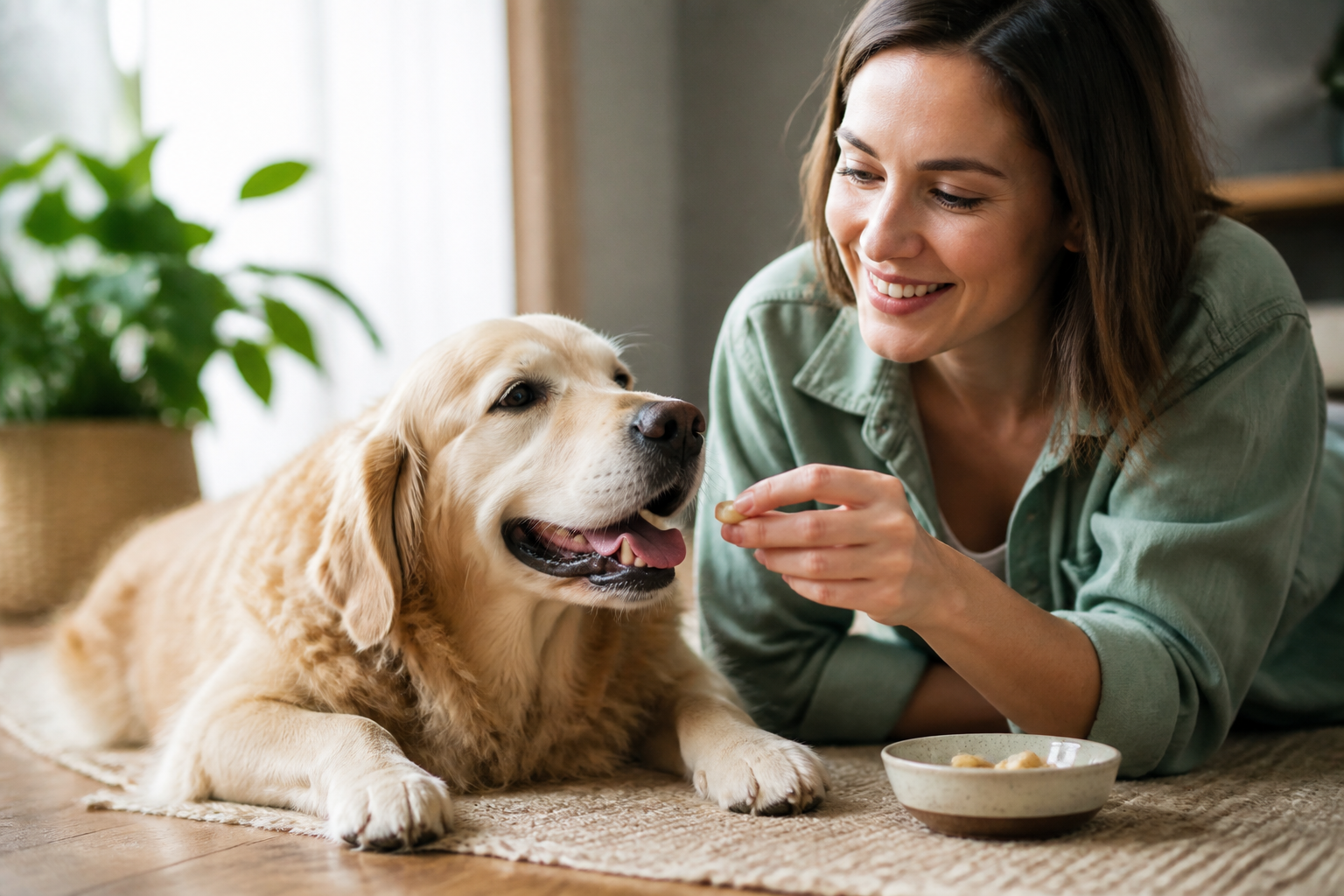
You lean in for a morning cuddle or a wet nose nudge, but instead of affection, you get a wave of something foul. We have all experienced that pungent, lingering scent often called dog breath. While many owners accept this as a normal part of life with a pet, a truly offensive odor usually signals an underlying imbalance. At BaxterBoo, we know that fresh breath is a sign of a healthy mouth and a balanced gut. This post explores how probiotics can help address the root causes of oral odor. We will look at the science of the oral microbiome and how the right supplements support long term health. Understanding the link between bacteria and breath is the first step toward a fresher, happier dog.
Quick Answer: Probiotics help dog bad breath by balancing the oral and gut microbiomes. They introduce beneficial bacteria that crowd out the odor causing microbes responsible for volatile sulfur compounds. This natural approach supports dental health and digestion simultaneously.
Understanding the Root Cause of Bad Breath
Most bad breath starts in the mouth, but it does not always end there. When your dog eats, food particles can get trapped along the gum line. Bacteria then break down these particles. This process creates volatile sulfur compounds, also known as VSCs. These compounds are the primary reason for that rotten egg smell. If these bacteria are left unchecked, they form plaque. Over time, plaque hardens into tartar or calculus.
Tartar provides a rough surface where even more bacteria can thrive. This cycle leads to inflammation and gum disease. However, the mouth is not the only source of the smell. The digestive tract also plays a massive role. If a dog has poor gut health, gas and odors from the stomach can travel upward. This is why some dogs have bad breath even if their teeth look relatively clean.
For additional warning signs, read about common signs of dental disease in dogs.
The Role of the Oral Microbiome
Every dog has a complex ecosystem of bacteria living in their mouth. This is known as the oral microbiome. In a healthy dog, good bacteria and bad bacteria live in a careful balance. This equilibrium keeps the breath neutral and the gums pink. When this balance shifts, it is called dysbiosis.
During dysbiosis, harmful strains of bacteria take over. These specific microbes are highly efficient at producing VSCs. They thrive in the pockets between the teeth and gums. Probiotics work by reintroducing the good guys into this environment. By increasing the population of beneficial microbes, you make it harder for the smelly bacteria to survive.
How Good Bacteria Fight Odor
- Competition for Space: Good bacteria occupy the spots on the teeth and gums where bad bacteria want to grow.
- Nutrient Consumption: Probiotics eat the food sources that harmful microbes need to multiply.
- pH Balancing: Beneficial strains help maintain a healthy pH level in the mouth.
- Antimicrobial Action: Some probiotic strains produce natural substances that inhibit the growth of pathogens.
Key Takeaway: Bad breath is often a symptom of bacterial dysbiosis in the mouth or gut. Probiotics address this by restoring a healthy balance of microbes.
Oral Probiotics vs. Digestive Probiotics
It is important to distinguish between the different types of probiotics available. Not all supplements are designed for the same job. Some focus entirely on the stomach and intestines. Others are formulated specifically for the oral cavity.
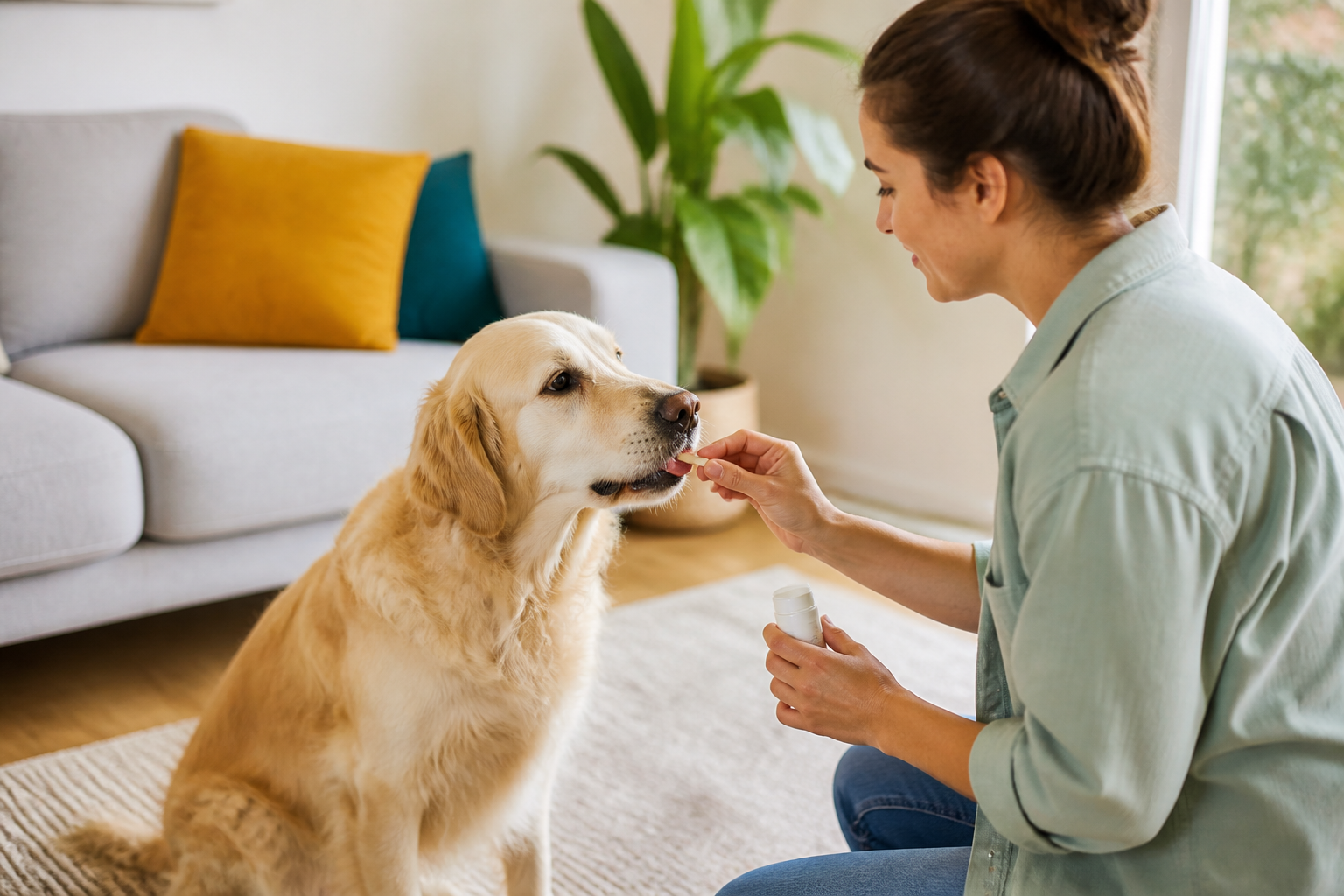
Digestive probiotics are usually swallowed as a pill or a chew. They help with gas, bloating, and stool quality. While a healthy gut can improve breath, these strains do not always spend enough time in the mouth to fix oral issues. Oral probiotics are often delivered as powders, sprays, or water additives. These products are meant to coat the teeth and gums. This direct contact allows the beneficial bacteria to colonize the mouth and start fighting odor immediately.
For digestive support, explore our dog probiotic and digestive health selection.
Common Strains for Oral Health
- Streptococcus oralis: This strain is a natural inhabitant of a healthy mouth and helps maintain gum health.
- Streptococcus uberis: This beneficial microbe helps protect the teeth from harmful colonization.
- Bacillus coagulans: Known for its durability, this strain is often used in chews to support overall immune and gut health.
- Lactobacillus acidophilus: A classic probiotic that supports the digestive system and can indirectly freshen breath.
Selecting the Right Probiotic Format
We carry a wide variety of brands at BaxterBoo that offer different delivery methods. Choosing the right one depends on your dog's personality and your daily routine. If your dog is a picky eater, a flavorless powder might be best. For dogs who love treats, a soft chew is a convenient option.
Powdered toppers are very popular because they are easy to measure. You simply sprinkle the recommended amount over your dog's food once a day. Some powders, like those from Zesty Paws, are formulated to be tasty. Others are completely flavorless. Water additives are another hands-off approach. These liquids are added to the water bowl and work every time your dog takes a drink.
For a ready-to-use water additive, consider the OxyFresh Pet Dental Water Additive.
Vet Tip: If your dog has red gums, loose teeth, or is reluctant to eat, skip the supplements and head to the vet. These are signs of advanced periodontal disease that require professional medical treatment.
The Connection to the Gut
While we focus heavily on the mouth, the gut is the engine of your dog's health. Poor digestion can lead to a buildup of toxins and gas. This often manifests as "stomach breath." This type of odor usually smells more like garbage or fermentation than sulfur.
Using a high quality digestive probiotic can help. Strains like those found in NutriSource or Stella and Chewy’s products support the intestinal lining. When the gut is working correctly, nutrients are absorbed more efficiently. This leads to less waste and fewer odors. A healthy gut also supports a strong immune system. A strong immune system is better at fighting off oral infections before they start.
Benefits of a Healthy Gut
- Improved Nutrient Absorption: Your dog gets more out of their high quality food.
- Reduced Gas: Less fermentation in the stomach means fewer odors.
- Better Stool Quality: Probiotics help keep things moving regularly.
- Immune Support: Most of the immune system lives in the gut.
A soft chew option is the NaturVet Advanced Probiotics & Enzymes Soft Dog Chew.
When to Consult the Pharmacy
Sometimes, bad breath is a symptom of a more serious medical condition. Chronic kidney disease or liver issues can cause distinct, metallic, or sweet odors. If your dog's breath does not improve with probiotics and regular cleaning, it is time for a veterinary checkup.
Our pharmacy provides access to FDA approved medications and prescription diets through our partnership with Pet's Choice. If your vet diagnoses a specific health issue, they may prescribe a specialized dental diet. Brands like Royal Canin or Farmina Vet Life offer prescription formulas designed to manage oral health or systemic issues that cause odor. Having a prescription on file with us makes it easy to get these essential supplies delivered to your door.
You can browse our pet pharmacy for dogs when your veterinarian recommends prescription care.
Bottom line: Probiotics are a powerful tool for wellness, but they cannot replace professional veterinary diagnosis for chronic health conditions.
How to Introduce Probiotics to Your Dog
Introducing any new supplement should be done gradually. If you add too much too fast, your dog might experience mild digestive upset. This is sometimes called a "healing crisis" or a adjustment period. You might notice a temporary increase in gas or softer stools.
Step 1: Start with half the recommended dose. / Monitor your dog for two or three days to see how they react. Step 2: Increase to the full dose. / If your dog is doing well, move to the amount suggested on the packaging. Step 3: Maintain consistency. / Probiotics work best when they are given at the same time every day to keep the bacterial colonies stable. Step 4: Watch for results. / It usually takes two to four weeks to notice a significant difference in breath freshness.
Complementary Dental Care Habits
Probiotics are excellent, but they are not a magic wand. They work best when they are part of a larger oral care routine. Think of probiotics as the internal support and brushing as the external maintenance. Mechanical cleaning is still the most effective way to remove heavy plaque buildup.
If your dog hates a toothbrush, try dental wipes or finger brushes. These are often less intimidating for a nervous pet. You can also use dental toys from brands like Kong. These toys are designed with ridges and grooves that scrape the teeth as your dog chews. This mechanical action helps break up the biofilm where bacteria hide.
For more ideas, review these pet dental care tips.
A Daily Checklist for Fresh Breath
- Brush the teeth: Even a quick 30 second session helps.
- Add a probiotic: Use a daily powder or chew to balance the microbiome.
- Check the water: Keep the water bowl clean and consider a freshening additive.
- Provide chew toys: Encourage safe chewing to naturally clean teeth.
- Inspect the mouth: Look for redness, swelling, or broken teeth once a week.
You can find brushing tools, water additives, and dental supplements in our dog dental care category.
Dietary Choices and Breath
What goes into your dog's mouth has a direct impact on how it smells later. High carbohydrate diets can sometimes contribute to plaque. Bacteria love sugar and simple starches. Switching to a high quality, protein forward food can make a big difference.
Brands like Open Farm or Acana focus on wholesome ingredients that support overall health. Some owners find that adding a little raw food, such as Stella and Chewy’s meal mixers, helps. Raw food contains natural enzymes that can help break down food debris in the mouth. Always make sure your dog has plenty of fresh water. A dry mouth is a breeding ground for smelly bacteria.
For food and toppers, explore our dog food selection.
Managing Senior Dog Breath
Senior dogs often struggle more with oral health. As dogs age, their immune systems can weaken. They may also have years of tartar buildup that was never addressed. For these dogs, probiotics are even more vital.
Senior specific supplements often combine probiotics with joint support or antioxidants. This holistic approach helps the whole dog. If your senior dog has significant dental decay, they may need a professional cleaning under anesthesia. After the cleaning, starting a probiotic routine can help prevent the problem from returning. This is a great way to protect their health in their golden years.
For additional senior nutrition guidance, read about choosing food for senior dogs.
Key Takeaway: Probiotics are especially beneficial for senior dogs who may have compromised immune systems or a history of dental issues.
Understanding Postbiotics
You may see the term "postbiotics" on some labels. Postbiotics are the beneficial byproducts left behind by probiotics. They include enzymes, organic acids, and peptides. Research shows that these compounds can be just as effective as live bacteria for oral health.
Postbiotics are incredibly stable. They do not need to stay alive to work. This makes them a great choice for shelf stable treats and kibble toppers. Some clinical trials have shown that specific postbiotics can reduce oral malodor within just seven days. If you find a product with "inanimate" or "heat treated" probiotics, it is likely utilizing postbiotic technology.
Potential Side Effects and Considerations
Probiotics are generally very safe for most dogs. However, every dog is an individual. In rare cases, a dog might be allergic to an inactive ingredient in a chew or powder. Always read the ingredient list carefully if your dog has known food sensitivities.
If your dog is currently on antibiotics, the medication will kill both the bad bacteria and the good bacteria in the probiotic. Most vets recommend waiting until the antibiotic course is finished before starting probiotics. Alternatively, you can give the probiotic several hours after the antibiotic dose. Always consult your veterinarian before mixing supplements with prescription medications.
The BaxterBoo Difference
We believe that every pet deserves the best care possible. Our team handpicks every product we carry to ensure it meets our high standards. We have been operating since 2006, and we use that experience to help you navigate the many options for pet wellness.
Whether you are looking for a simple dental chew or a complex probiotic system, we have the expertise to guide you. Our hybrid model means you can shop online or visit our warehouse superstore in Vernon Hills, Illinois. We value quality and transparency, which is why we only stock brands we trust for our own pets.
Long Term Success with Probiotics
Fresh breath is not an overnight achievement. It requires a commitment to daily habits. By choosing the right probiotics and maintaining a solid oral care routine, you can significantly improve your dog's quality of life. Fresh breath makes those close moments much more enjoyable for both of you.
Remember to stay consistent. The bacteria in your dog's mouth and gut are constantly changing. Providing a steady supply of beneficial microbes ensures that the "good guys" always have the upper hand. Over time, you will notice not just better breath, but a healthier, more vibrant dog.
Summary of Benefits
Probiotics are a multifaceted solution for a common problem. They offer a natural, non invasive way to manage odor and support health. By focusing on the microbiome, you are treating the cause of the problem rather than just masking the smell.
- Balanced Oral Microbiome: Reduces the production of smelly sulfur compounds.
- Improved Digestion: Targets "stomach breath" by supporting gut health.
- Plaque Prevention: Slows the buildup of tartar and calculus.
- Immune Support: Helps the body naturally fight oral pathogens.
- Ease of Use: Simple powders and chews fit into any daily routine.
Bottom line: Combining daily probiotics with mechanical cleaning is the most effective way to ensure your dog has fresh breath and a healthy mouth.
Conclusion
Managing your dog's bad breath does not have to be a constant struggle. By incorporating probiotics into their daily routine, you are supporting their health from the inside out. These beneficial bacteria balance the oral microbiome and keep the digestive system running smoothly. While supplements are a great tool, remember to keep up with regular brushing and veterinary checkups. If your dog needs specialized care, our pharmacy is here to help with prescription diets and medications. We want to help you enjoy every cuddle without the distraction of "dog breath." Explore our dog dental care and probiotic selection today to find the perfect fit for your furry friend. Joining the MVP Rewards programme is a great way to save on these daily essentials while earning points toward future purchases.
FAQ
How long does it take for probiotics to fix bad breath?
It typically takes between two and four weeks to see a noticeable change in your dog's breath. The beneficial bacteria need time to colonize the mouth or gut and crowd out the odor causing microbes. Consistency is key, so make sure to give the supplement every day for the best results.
Can I give my dog human probiotics for their breath?
While some strains are similar, it is always better to use a species-specific probiotic for dogs. Canine oral and digestive environments have different pH levels and bacterial needs than humans. Pet-specific products are formulated to survive the canine digestive tract and are flavored to be appealing to dogs.
Do probiotics replace the need for teeth brushing?
No, probiotics are a supplement to brushing, not a replacement. Brushing provides the mechanical action needed to scrape away plaque and food debris that probiotics cannot remove. Using both together is the "gold standard" for maintaining excellent oral health and fresh breath in dogs.
Are there any dogs that should not take probiotics?
Most dogs can safely take probiotics, but those with severely compromised immune systems or serious underlying health issues should only take them under a vet's supervision. If your dog is currently on a course of antibiotics, the medication may neutralize the probiotic's effects. Always check with your veterinarian if you are unsure about your dog's specific health status.