
 Save 15% on your 1st Autoship learn more

 Email us
 Live Chat
 FAQs
FAQs





Introduction
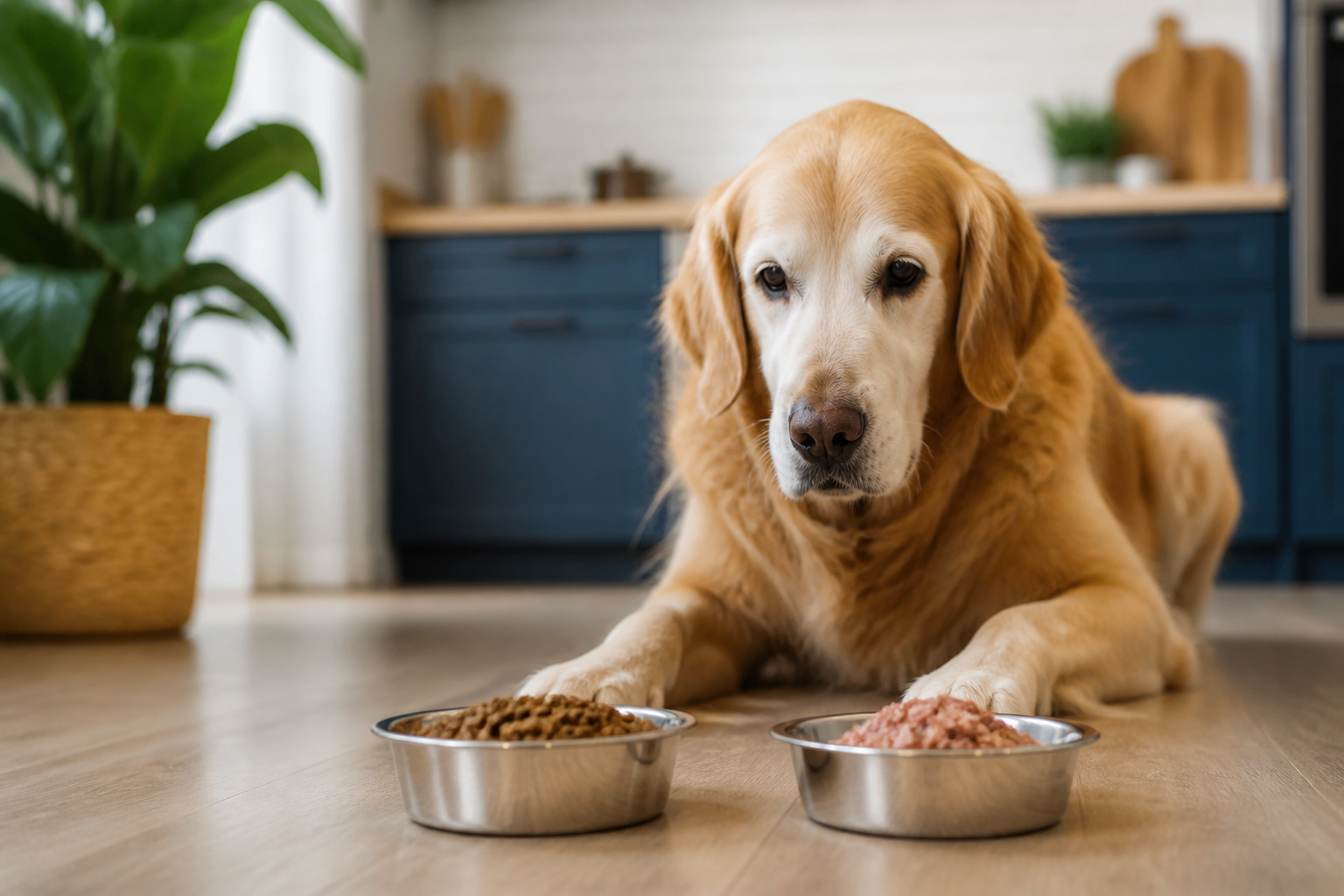
You might notice your dog hesitating at the dinner bowl for the first time in years. Maybe those crunchy nuggets they used to love are sitting untouched. Or perhaps your once-active companion is moving a bit slower and carrying a few extra pounds. These subtle changes often signal that your dog has entered their senior years. At BaxterBoo, we know that hitting this milestone brings up a lot of questions about daily care. One of the most common debates for owners of aging pets is whether to stick with dry kibble or make the switch to wet canned food. This choice is about more than just texture. It impacts hydration, dental health, and how well your dog maintains muscle mass. This guide to choosing the right dog food for senior pets covers the nutritional pros and cons of both formats to help you decide which path is right for your senior dog.
Understanding the Senior Life Stage
A dog is generally considered a senior when they reach the last quarter of their expected lifespan. For giant breeds like Great Danes, this can be as early as age six. For smaller breeds like Chihuahuas, it might not happen until age ten or eleven. As these years tick by, your dog’s internal biology shifts. Their metabolism slows down. Their ability to digest certain nutrients becomes less efficient. Their immune system requires more support from antioxidants.
Most importantly, senior dogs often struggle to maintain lean muscle. You might notice their hindquarters looking a bit thinner even if their weight stays the same. This is because aging dogs actually need more high-quality protein than younger adults to keep their muscles strong. The choice between wet and dry food often comes down to which format helps your specific dog get the nutrients they need without causing digestive upset or weight gain. Our senior dog food collection can help you compare age-appropriate options.
Key Takeaway: Senior dogs have unique biological needs, including a higher requirement for quality protein and extra support for a slowing metabolism.
The Case for Dry Dog Food
Dry food, or kibble, remains the most popular choice for dogs of all ages. For a senior dog who is still healthy and has strong teeth, kibble offers several practical advantages.
Dental Health and Tartar Control
One of the biggest benefits of dry food is the mechanical scraping action. As your dog crunches down on a piece of kibble, the hard texture helps rub away plaque and tartar from the surface of the teeth. This is especially helpful for senior dogs who are prone to periodontal disease. Brands like Royal Canin and Farmina create kibble shapes specifically designed to encourage chewing. If your dog still has a healthy mouth, staying on a dry diet can help delay the need for professional dental cleanings.
Convenience and Weight Management
Dry food is easy to measure and store. It does not spoil quickly if left in the bowl for a few hours. This is helpful for senior dogs who prefer to graze throughout the day rather than eating one large meal. Kibble is also typically more calorie-dense than wet food. If you have a senior dog who is losing weight and needs to pack in more energy in smaller portions, a high-quality dry food can be a great tool.
Nutrient Density
Because dry food has the moisture removed, the nutrients are concentrated. You can find many senior-specific dry formulas that are fortified with glucosamine and chondroitin for joint support. Some also include probiotics to help with the digestive sensitivities that often come with age.
- Easy to portion for weight management
- Helps reduce plaque through chewing
- More cost-effective for large breeds
- Simple to use in slow feeders or puzzle toys
Vet Tip: If your senior dog has lost several teeth or has inflamed gums, the "dental benefit" of dry food no longer applies. In these cases, the hard texture may actually cause pain. Always have a vet check your dog's mouth before deciding to stay on a strict kibble diet.
The Benefits of Wet Dog Food
Many owners find themselves reaching for cans as their dogs get older. Wet food offers distinct advantages that address some of the most common challenges of aging. For more ideas, see how to switch from dry to wet dog food.
Better Hydration
Senior dogs are more susceptible to dehydration. Their thirst drive can decrease, and they may not drink enough water from their bowl to keep their kidneys functioning optimally. Wet food is roughly 75 percent to 80 percent water. By feeding a canned diet, you are effectively "hiding" a significant amount of hydration in their meal. This is particularly beneficial for dogs with early-stage kidney issues or those prone to urinary tract infections.
High Palatability for Picky Eaters
It is common for senior dogs to lose some of their sense of smell and taste. When food stops smelling interesting, they may stop eating. Wet food is much more aromatic than dry kibble. The rich scent of meats and gravies can entice a senior dog with a fading appetite to finish their meal. If your dog has become picky in their old age, the transition to wet food often solves the problem overnight.
Easier to Chew and Digest
For a dog with missing teeth or sensitive gums, wet food is a relief. It requires almost no chewing and is very easy to swallow. Furthermore, wet food is often less processed than dry kibble. This can make it easier for a sensitive senior stomach to break down and absorb.
Quick Answer: Wet food is usually better for senior dogs with dental pain, poor appetite, or hydration needs. Dry food is often better for healthy seniors who need help maintaining dental hygiene and a consistent weight.
When Health Conditions Dictate the Menu
As dogs age, they often develop chronic health conditions that require more than just standard nutrition. This is where the choice between wet and dry food becomes a medical decision.
Kidney and Heart Disease
Dogs with heart or kidney issues often need diets with very specific levels of phosphorus and sodium. These specialized diets are usually available in both wet and dry formats, but your veterinarian might prefer one over the other based on your dog's hydration needs.
Obesity and Satiety
If your senior dog is packing on extra weight, wet food can actually be a secret weapon. Because wet food is high in moisture, it takes up more room in the stomach. This helps your dog feel full while consuming fewer calories. Many weight management plans for seniors involve replacing a portion of kibble with low-calorie wet food to keep them satisfied without overfeeding. For additional perspective, read about mixing wet and dry dog food.
Our Pharmacy Partnership
Managing these chronic conditions often requires prescription diets or FDA-approved medications. Through our partnership with Pet's Choice, we offer a full-service pharmacy. We carry prescription pet foods and medications for heart health, kidney support, and thyroid management. If your veterinarian recommends a specific therapeutic diet, you can easily source it through our pharmacy for dogs. Our pharmacy makes it simple to get the professional-grade support your senior dog needs delivered right to your door.
Vet Tip: Never switch a dog with a chronic illness to a new diet without consulting your veterinarian. Sudden changes in protein or mineral levels can put unnecessary stress on the kidneys or liver.
The Hybrid Approach: Mixing Wet and Dry
You do not always have to choose just one. Many pet owners find that a combination of wet and dry food offers the best of both worlds. This is often referred to as "topping" or "mixed feeding."
Why Mix?
Mixing a few spoonfuls of wet food into a bowl of kibble can provide the aromatic appeal and hydration of canned food while still offering the dental benefits and cost savings of dry food. It is a great way to transition a dog who is starting to show signs of pickiness but is not yet ready for a 100 percent wet diet. Our dog food category offers options for comparing different formats.
How to Soften Kibble at Home
If your dog likes the taste of their current dry food but is struggling with the crunch, you can soften it yourself. This is a budget-friendly way to make meals easier on senior teeth.
Step 1: Measure the portion. / Place your dog's usual amount of dry kibble into their bowl.
Step 2: Add warm liquid. / Pour about a quarter cup of warm water or low-sodium bone broth over the food.
Step 3: Let it soak. / Wait about ten to fifteen minutes for the kibble to absorb the liquid and become soft.
Step 4: Stir and serve. / Mash the kibble slightly with a fork to ensure there are no hard centers left.
Key Takeaway: Adding warm water to kibble enhances the smell for senior dogs and makes the texture much easier on sensitive teeth and gums.
Nutritional Checklist for Senior Food
Regardless of whether you choose wet or dry, the quality of the ingredients is what matters most. When you are looking at a bag or a can, keep these senior-specific needs in mind:
- High-Quality Protein: Look for named animal proteins like "chicken" or "lamb" as the first ingredient. Avoid generic "meat by-products."
- Healthy Fats: Omega-3 fatty acids from fish oil are excellent for brain health and reducing joint inflammation.
- Fiber Content: A slightly higher fiber count can help prevent constipation, which is common in less active senior dogs.
- Glucosamine and Chondroitin: These supplements support cartilage and can help with the stiffness of arthritis.
- Low Sodium: Excessive salt is hard on an aging dog's heart and kidneys.
We carry brands like Stella and Chewy’s and The Honest Kitchen that focus on these high-quality, whole-food ingredients. These options are often easier for senior dogs to process than lower-grade commercial foods filled with corn or soy.
Supporting Senior Mobility and Comfort
Food is the foundation of senior care, but sometimes the physical act of eating becomes difficult. Arthritis in the neck or front legs can make reaching down to a bowl on the floor painful.
If you notice your dog splaying their legs or shifting uncomfortably while eating, consider an elevated feeder. Raising the bowls to chest height reduces the strain on their joints. You should also consider joint supplements like Cosequin or Zesty Paws. These can be given alongside your wet or dry food. For broader guidance, explore this pet supplement guide.
If your senior dog is experiencing more significant cognitive decline, supplements like Senilife can support brain function. These are often most effective when started at the first sign of "sundowning" or confusion.
Note: Senior dogs may also benefit from a non-slip mat under their food bowl. This prevents their paws from sliding on hardwood or tile floors while they lean in to eat.
How to Transition Your Senior Dog to a New Food
Senior dogs are more prone to digestive upset than younger dogs. Their gut flora is less resilient. If you decide to switch from dry to wet or change brands, you must do it slowly. A sudden change can lead to diarrhea or vomiting, which can quickly cause dehydration in an older pet.
- Days 1 to 2: Serve 75 percent old food mixed with 25 percent new food.
- Days 3 to 4: Serve a 50/50 mix of the old and new food.
- Days 5 to 6: Serve 25 percent old food mixed with 75 percent new food.
- Day 7: Transition to 100 percent of the new food.
During this week, keep a close eye on your dog's stool consistency and energy levels. If you notice any issues, slow the process down and give them a few more days at the current ratio. This guide to wetting dry dog food covers another way to make mealtimes easier.
Bottom line: A slow, seven-day transition is the best way to prevent stomach upset when changing your senior dog's diet.
Monitoring Your Results
Once you have settled on a feeding routine, your job is to monitor the results. You are looking for a few key indicators that the food is working well for your dog:
- Weight Stability: Your dog should maintain a healthy weight. You should be able to feel their ribs but not see them.
- Coat Quality: A shiny, soft coat indicates that they are absorbing fats and proteins correctly.
- Energy Levels: While they won't act like a puppy, they should still have the energy for a daily walk and social interaction.
- Digestion: Stools should be firm and regular. Frequent gas or loose stools suggest the food isn't a good match.
If you find that your dog is still struggling despite a high-quality diet, it may be time for a check-up. Many age-related issues like dental pain or thyroid imbalances can look like "picky eating" or "laziness."
Final Thoughts for Your Senior Dog
Deciding between wet and dry food for your senior dog does not have to be a permanent choice. Your dog's needs will likely change as they move from their early senior years into their geriatric years. A healthy seven-year-old dog might thrive on high-quality dry kibble, while that same dog at age thirteen might require a soft, moisture-rich wet diet to stay hydrated and comfortable.
We are here to support you through every stage of your pet's life. From premium foods to joint supplements and prescription medications through our pharmacy, we have the tools you need to keep your companion happy. Our MVP Rewards program also helps you save on these recurring essentials, so you never have to compromise on the quality of your senior dog’s care.
Key Takeaway: The best food for a senior dog is the one that they enjoy eating, provides the necessary protein for muscle mass, and supports their specific health needs like hydration or joint care.
FAQ
Is wet food better than dry food for a senior dog's kidneys?
Wet food is often better for kidney health because it contains a much higher moisture content. Proper hydration helps the kidneys flush out toxins more efficiently, which is vital for senior dogs. If your dog has a diagnosed kidney condition, your vet may recommend a prescription wet diet to maximize water intake.
Can I feed my senior dog puppy food to help them gain weight?
While puppy food is calorie-dense, it is usually not the best choice for a senior dog. It often contains different mineral balances and higher fat levels that can be hard on an older dog's organs. Instead, look for a "high-calorie" senior-specific formula or a calorie-dense wet food topper to help your dog maintain their weight safely.
How do I know if my senior dog has dental pain from dry food?
Common signs of dental pain include dropping pieces of kibble, chewing on only one side of the mouth, or whining while eating. You might also notice your dog showing interest in food but then backing away from the bowl. If you see bleeding gums or notice very bad breath, it is time for a veterinary dental exam.
Will switching to wet food cause my senior dog to get fat?
Wet food itself does not cause weight gain. In fact, because it is high in water, it can help a dog feel full on fewer calories. However, you must still monitor the total daily calorie intake. Check the feeding guidelines on the can and adjust based on your dog's activity level and weight goals.






