
 Save 15% on your 1st Autoship learn more

 Email us
 Live Chat
 FAQs
FAQs





Introduction
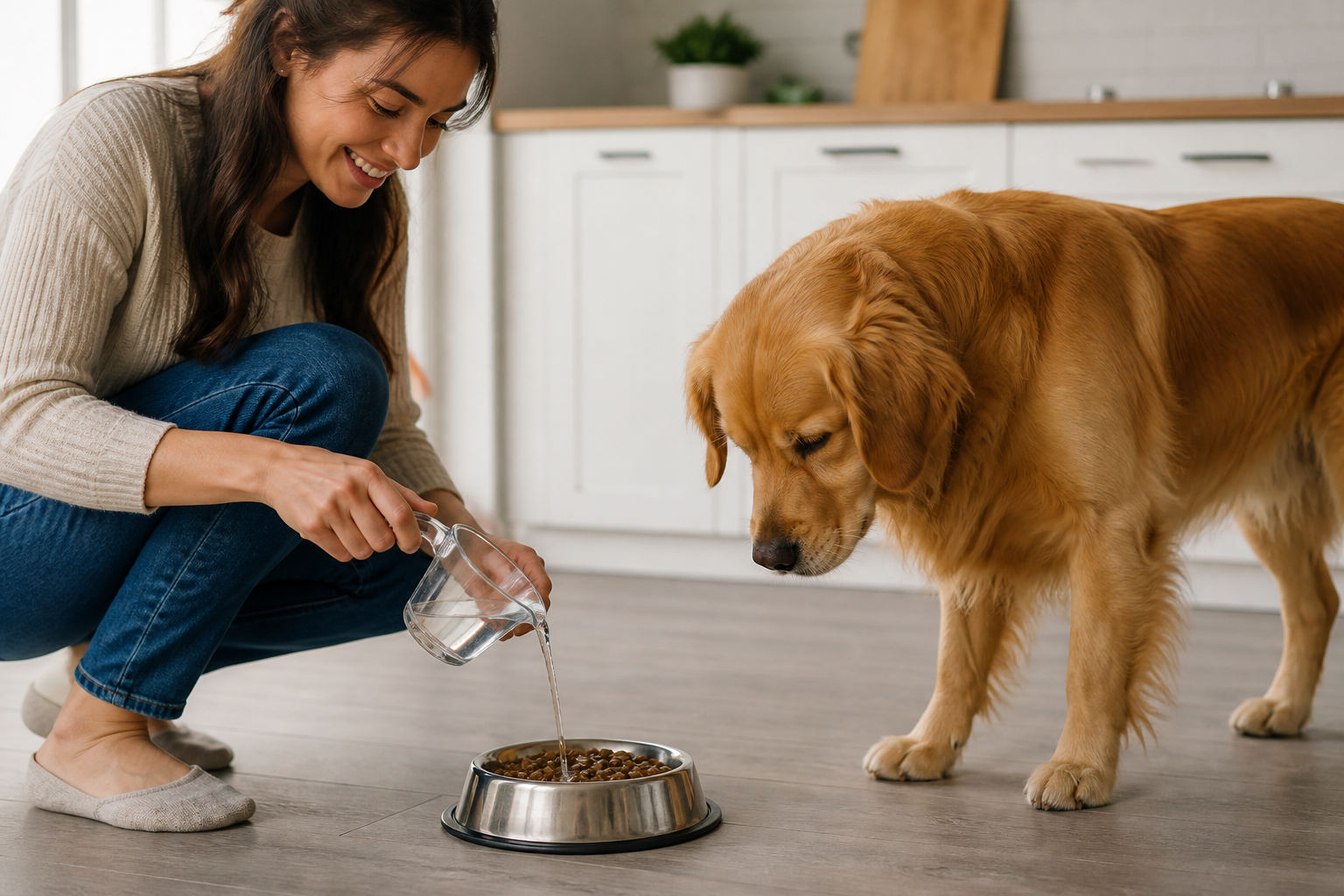
You are standing in the kitchen with a scoop of kibble in one hand and a bowl in the other. Your dog is watching with high expectations. You might wonder if those hard, crunchy nuggets are actually the best way for your pet to eat. Perhaps your senior dog is chewing more slowly lately. Maybe your puppy seems to struggle with the hard texture. At BaxterBoo, we talk to pet owners every day who want to know if adding a splash of water or broth to the bowl is a good idea. This simple change can actually provide significant health benefits ranging from better hydration to improved digestion. We will explore the pros and cons of moistening dry food and the best ways to do it safely. Adding moisture can transform a standard meal into a hydrating, aromatic experience that supports your dog's long term wellness.
The Importance of Hydration in a Dry Diet
Many dogs live on a diet consisting almost entirely of dry kibble. While kibble is convenient and nutrient dense, it is also very low in moisture. Most dry dog foods contain only about 10 percent water. In the wild, a canine's natural prey would consist of about 70 percent water. This means that dogs eating only dry food must drink a significant amount of water to stay hydrated.
Unfortunately, many dogs have a low thirst drive. They may not drink enough from their water bowl to compensate for the dryness of their food. This constant state of mild dehydration can put unnecessary stress on the kidneys. Over time, poor hydration can lead to more serious issues like urinary tract infections or kidney stones.
By adding water directly to the food, you ensure your dog gets a boost of hydration with every single bite. This is a proactive way to support their renal system. It helps the kidneys flush out toxins more efficiently. It also ensures that their blood volume remains healthy, which supports heart function and circulation.
Quick Answer: Yes, you should moisten your dog's dry food if they need extra hydration, have dental issues, or are picky eaters. Adding warm water or broth can improve digestion and make the meal more satisfying.
Better Digestion and Nutrient Absorption
Dry kibble is a highly processed product that requires a lot of internal moisture to break down. When a dog swallows dry kibble, the food sits in the stomach and begins to absorb digestive juices. This process causes the kibble to expand significantly. If you have ever seen a piece of kibble left in a puddle, you know it can double or triple in size.
When this expansion happens inside the stomach, it can cause discomfort or bloating. Some dogs may feel overly full or even vomit if they eat too quickly and the food expands too fast. Moistening the food before your dog eats it allows that expansion to happen in the bowl instead of the stomach.
Pre-moistened food is also easier for the body to break down. The water starts the process of softening the starches and proteins. This means the digestive system does not have to work as hard. Better digestion often leads to better nutrient absorption. When the food is already partially broken down, the small intestine can more easily pull out the vitamins and minerals your dog needs.
For more mealtime ideas, explore our dog food category.
Key Takeaway: Soaking kibble helps it expand before it enters the stomach. This can reduce the risk of digestive upset and help your dog feel fuller and more satisfied after their meal.
Supporting Senior Dogs and Puppies
Life stages play a huge role in how a dog experiences their food. For puppies, their small teeth and developing jaws may find hard kibble difficult to manage. Softening the food makes the transition from milk or wet food much easier. It also ensures they stay hydrated during their rapid growth phases.
Senior dogs face the opposite challenge. As dogs age, they often develop dental issues like gingivitis, broken teeth, or receding gums. Crunching down on hard biscuits can actually be painful for an older dog. If you notice your senior dog dropping food or hesitating to eat, the texture might be the problem.
Moistening the food allows senior dogs to continue eating the kibble they enjoy without the physical pain of chewing. It also helps older dogs who might have a declining sense of smell. Warm water releases the aroma of the fats and proteins in the kibble. This makes the meal much more enticing for a senior dog with a fading appetite.
If you are feeding a young dog, our puppy shop offers age-appropriate essentials.
Vet Tip: If your dog suddenly stops eating or seems to have pain while chewing, consult your veterinarian for a dental exam. While softening food helps, it does not fix underlying dental disease or infections that may require professional care.
Enhancing Palatability for Picky Eaters
We have all dealt with a picky eater at some point. Some dogs simply find dry kibble boring after a while. Adding moisture is one of the easiest ways to fix this without switching brands entirely. When you add warm water to kibble, it creates a light gravy. This changes the texture and mouthfeel of the meal.
The heat from the water also helps to release the natural oils in the food. These oils contain the smells that dogs love. Since a dog's sense of smell is much stronger than their sense of taste, a better smelling meal is a more delicious meal.
For additional ideas, read about the best-tasting dry dog food for picky eaters.
If your dog is recovering from an illness, they may have a suppressed appetite. Moistened food is easier to eat and more aromatic. This can encourage them to take in the calories they need to heal. It also provides the hydration they likely lost during their illness.
Weight Management and Satiety
Obesity is a major health concern for pets in the United States. Many owners struggle to help their dogs lose weight because the dog always feels hungry. Because kibble is so nutrient dense, the actual portion size is often quite small. This can leave a dog feeling like they have an empty stomach even if they have had enough calories.
Adding water increases the volume of the food without adding a single calorie. A cup of dry kibble might look small, but a cup of moistened kibble looks like a much larger meal. This increased volume helps trigger the stretch receptors in the stomach. These receptors tell the brain that the dog is full.
By using water to bulk up the meal, you can help your dog feel more satiated on a weight loss plan. This can reduce begging and scavaging behavior between meals. It is a simple tool that makes a big difference in a long term weight management strategy.
Potential Downsides and Safety Precautions
While there are many benefits, you must be careful about how you handle moistened food. The biggest risk is bacterial growth. Dry kibble is shelf stable because it has very little moisture. Once you add water, you create a perfect environment for bacteria to grow.
You should never leave moistened kibble out for more than an hour. If your dog is a "grazer" who likes to eat small amounts throughout the day, moistening their food might not be the best choice. Any uneaten portions of wet kibble must be thrown away after 60 minutes to prevent food poisoning.
There is also a common belief that dry kibble cleans a dog's teeth. While most kibble is too brittle to provide much "scrubbing" action, some owners worry that soft food will lead to more plaque. In reality, most dogs swallow kibble whole or break it into only a few pieces. The dental benefits of dry food are often overstated. However, if you choose to moisten your dog's food, you should be even more diligent about regular teeth brushing and dental and breath care products.
Key Takeaway: Always discard any moistened food that has been sitting out for more than an hour. The added moisture makes it a breeding ground for bacteria that could make your dog sick.
How to Properly Moisten Dry Food
If you are ready to try this with your dog, it is best to start slowly. You do not want to overwhelm their digestive system with a sudden change in texture. Follow these simple steps to ensure the best experience for your pet.
Step 1: Measure the portion. / Use your dog's normal amount of dry kibble.
Step 2: Choose your liquid. / Use filtered water or a dog safe broth.
Step 3: Check the temperature. / Use warm water, but never boiling. Boiling water can destroy some of the vitamins in the food.
Step 4: Add the liquid. / A good ratio is one part water to four parts kibble. This provides moisture without making it a soup.
Step 5: Let it soak. / Wait about five to ten minutes for the kibble to absorb the liquid and soften.
Step 6: Serve and monitor. / Watch how your dog reacts to the new texture.
You can adjust the amount of water based on your dog's preference. Some dogs like a very soft, mushy consistency. Others prefer just a light coating of liquid to create a gravy.
For another approach, see effective ways to make dry dog food soft.
Beyond Water: Using Broths and Toppers
While plain water is the easiest option, it is not the only way to add moisture. Many owners use bone broth or goat's milk to add even more nutritional value. If you use broth, ensure it is specifically made for pets. Human grade broths often contain onions, garlic, or excessive salt, all of which are dangerous for dogs.
Our warehouse at BaxterBoo carries a variety of dog safe broths and wet food toppers. Mixing a small amount of high quality wet food with kibble and a splash of water is an excellent way to provide variety. This combination offers the crunch of kibble with the high protein and moisture content of wet food.
Browse our dog treats and toppers when you want to add variety to your dog's routine.
For dogs with specific medical needs, our pet pharmacy offers prescription diets that are formulated for various health conditions. If your vet has recommended a specific prescription diet for kidney or urinary health, moistening that food can further support your dog's treatment plan.
Transitioning Your Dog to Moistened Food
Most dogs will accept moistened food immediately because of the enhanced smell. However, if your dog is particularly sensitive to texture, they might be hesitant. You can start by adding just a tablespoon of water and gradually increasing it over a week.
Keep an eye on their digestion during this transition. While most dogs find moistened food easier to digest, some might have temporary changes in their stool. This is usually just the body adjusting to the increased water intake.
If you are using this method for a puppy, remember that their needs will change. Once they have all their adult teeth, you can decide whether to keep moistening the food or move back to dry kibble. Many owners choose to keep adding a little water throughout the dog's life simply for the hydration benefits.
You can also read whether wet food or dry food is better for dogs.
Bottom line: Moistening kibble is a low cost, high reward way to improve your dog's daily nutrition and long term health.
Conclusion
Adding moisture to dry dog food is a simple step that offers big rewards. It supports kidney health, aids digestion, and makes meals more enjoyable for your pet. Whether you are caring for a senior dog with dental pain or a picky eater who needs a little extra encouragement, a splash of warm water can make all the difference. At BaxterBoo, we recommend starting with a small amount of liquid and observing your dog's response. Remember to keep a clean bowl and never leave moistened food out for too long. If your dog has ongoing health concerns, always speak with your veterinarian about their specific nutritional requirements. You might also consider signing up for our Autoship programme to ensure you never run out of your dog's favorite kibble and hydrating toppers.
FAQ
Does moistening dry dog food cause dental problems?
While hard kibble provides a very small amount of mechanical cleaning, it is not a substitute for dental care. Moistening food does not actively cause decay, but it removes what little scrubbing action dry kibble might provide. To keep your dog's mouth healthy, we recommend regular teeth brushing and dental chews regardless of whether the food is wet or dry.
Can I use hot water to soak my dog's food?
You should use warm water rather than hot or boiling water. Extremely hot water can degrade some of the heat sensitive vitamins and probiotics added to high quality kibble. Additionally, hot water can burn your dog's mouth if they try to eat before it cools. Aim for a lukewarm temperature that feels comfortable to your touch.
How long can I leave moistened dog food in the bowl?
Moistened dog food should be discarded if it is not eaten within 60 minutes. The combination of moisture and the nutrients in the kibble creates an ideal environment for bacteria to multiply. This risk is even higher in warm weather. If your dog does not finish their meal quickly, it is safer to stick with dry kibble or offer smaller moistened portions.
Will adding water to food help my dog lose weight?
Yes, adding water can be a helpful tool for weight management. Water increases the physical volume of the food in the stomach without adding calories. This helps your dog feel full and satisfied, which can prevent them from begging for more food. It is an effective way to help a dog feel "full" while still adhering to a calorie controlled diet.






