
 Save 15% on your 1st Autoship learn more

 Email us
 Live Chat
 FAQs
FAQs





Introduction
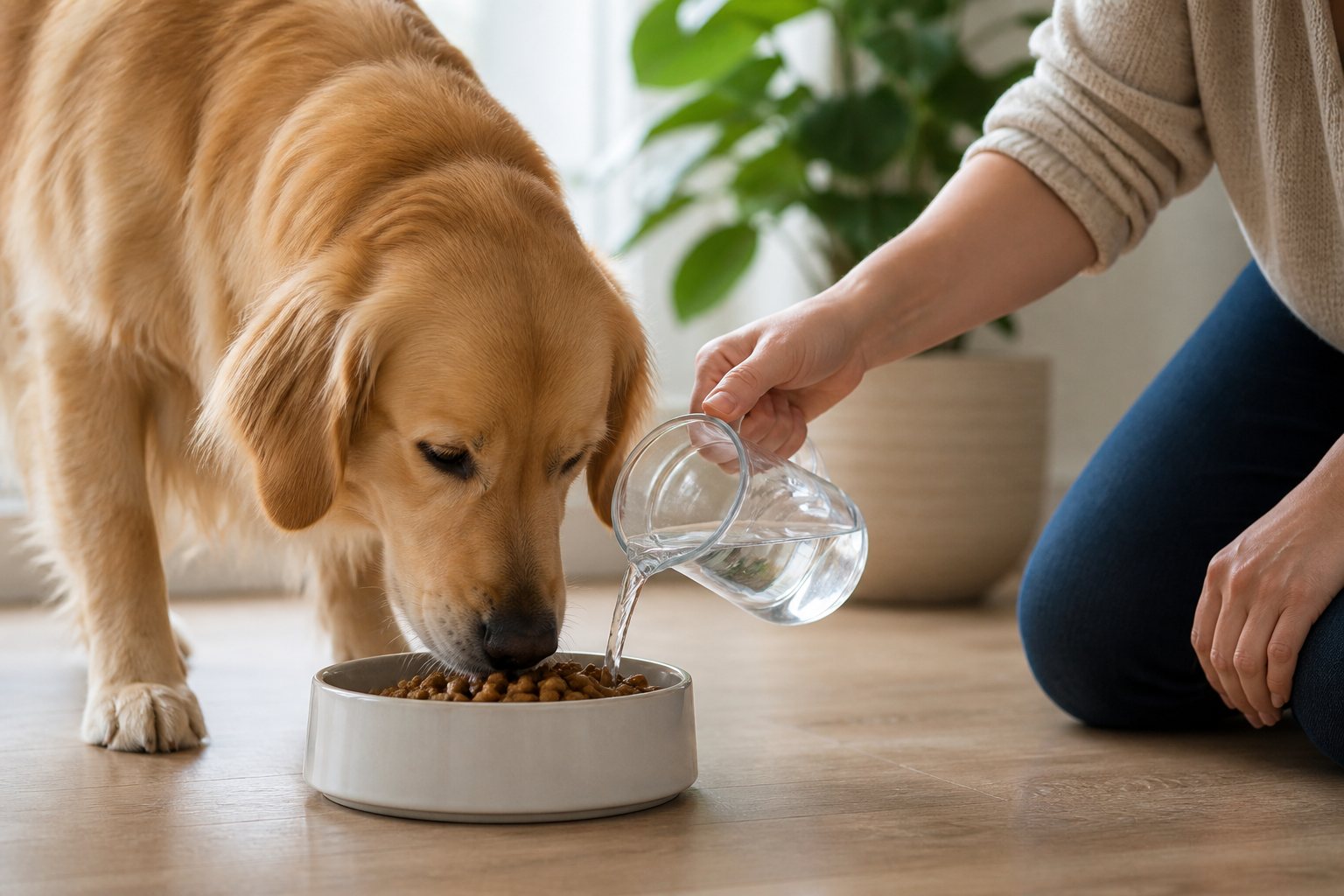
You fill the bowl with the same high-quality kibble your dog has eaten for months. Your dog walks over, sniffs the dry pellets, and looks up at you with a lack of enthusiasm. Maybe you worry your dog is not drinking enough from their water dish during a hot Illinois summer. You might wonder if adding a splash of water to that dry food could make a difference in their health or happiness. At BaxterBoo, we hear this question often from pet parents who want to optimize mealtime. Adding moisture to dry food is more than just a culinary preference for your pet. It can significantly impact their hydration, digestion, and interest in eating. This article explores the benefits and risks of adding water to dry dog food to help you decide if it is the right move for your canine companion.
Quick Answer: Adding water to dry dog food is generally beneficial. It improves hydration, aids digestion, and makes meals more appealing to picky eaters or seniors with dental issues. However, you must serve the food immediately and discard leftovers to prevent bacterial growth.
The Science of Moisture in Dog Food
Dry kibble is a convenient and nutrient-dense way to feed your dog. Most commercial dry foods are made through a process called extrusion. This involves high heat and pressure to create the shelf-stable pellets we recognize. Because this process removes most of the moisture, kibble usually contains only about 10 percent water. In contrast, canned dog food or raw diets are often 70 to 80 percent water.
Dogs are capable of drinking water from a bowl to stay hydrated. However, many dogs do not have a strong thirst drive. They may live in a state of mild, chronic dehydration without showing obvious signs. When you add water directly to the food, you ensure your dog consumes a significant amount of fluid with every meal. This hydration is vital for every metabolic process in their body.
Water acts as a carrier for nutrients. It helps transport vitamins and minerals across the cell membranes in the digestive tract. Without enough fluid, the body has to work harder to process the dense nutrients found in premium kibble.
Key Takeaway: Dry kibble is intentionally dehydrated for shelf life, but adding water back in at mealtime helps mimic the natural moisture content found in fresh prey or wet food.
For more ideas about preparing moistened meals, read our guide to wetting dry dog food for better digestion and hydration.
Improving Digestive Health
One of the biggest reasons to consider adding water to dry food is to support the digestive system. When a dog eats dry kibble, their stomach must provide the moisture to break those hard pellets down. The stomach draws fluid from the body to hydrate the food so enzymes can start the work of digestion.
If the dog is already slightly dehydrated, this process can be slow and taxing. By soaking the food for a few minutes before serving, you are essentially pre-digesting the meal. The softened kibble breaks apart more easily in the stomach. This allows your dog to absorb the nutrients more efficiently.
Preventing Digestive Distress
For some dogs, eating dry food too quickly can lead to gulping air. This often happens because the small, hard pieces are easy to swallow whole. Softening the food creates a different texture that can naturally slow down a fast eater.
Slowing down the pace of eating is one way to help manage the risk of bloat. While bloat is a complex condition with many causes, reducing the amount of air swallowed during a meal is a helpful preventative step. Water also adds volume to the food. This helps your dog feel full faster, which can stop them from begging for more food immediately after their bowl is empty.
Vet Tip: If your dog has frequent digestive issues like gas or constipation, adding warm water to their kibble can help the food move more smoothly through the GI tract. Always consult your veterinarian if your dog has sudden changes in their stool or persistent vomiting.
For additional mealtime guidance, see our article about mixing dry dog food with water.
Hydration and Urinary Health
Water intake is the primary defense against many urinary tract issues. When a dog is well-hydrated, their urine is more dilute. This means minerals are less likely to crystallize and form stones in the bladder or kidneys.
Increasing water intake is particularly important for dogs prone to crystals or recurring urinary tract infections. It helps flush the system regularly. If your dog has been diagnosed with a specific condition, your vet might recommend a prescription diet. Our BaxterBoo pharmacy carries a wide range of FDA-approved prescription foods and medications through our partnership with Pet's Choice. These specialized diets often work best when combined with high moisture intake to support kidney function.
For senior dogs, kidney health is a top priority. As dogs age, their kidneys may become less efficient at concentrating urine. This leads to more frequent urination and a higher risk of dehydration. Adding water to every meal is an easy way to support senior organ function without changing their entire diet.
Helping Picky Eaters and Senior Dogs
Does your dog walk away from their bowl? Dry kibble can sometimes be bland. The extrusion process often involves spraying the outside of the kibble with fats to make it smell better, but that aroma can fade once the bag has been open for a few weeks.
Adding warm water to the bowl does something remarkable. It releases the fats and aromas trapped in the kibble. The steam carries the scent of the proteins to the dog's nose, making the meal much more enticing. This is a great trick for dogs recovering from an illness or those who have lost their appetite due to age.
You can compare formulas in our dog food category, including our selection of Open Farm products and other dry and wet options.
Dental Comfort
Senior dogs often suffer from dental disease, missing teeth, or sensitive gums. Crunching down on hard biscuits can be painful for them. If you notice your dog dropping pieces of food or hesitating before they bite, they might be experiencing oral discomfort.
Soaking the kibble until it has a sponge-like consistency allows these dogs to eat without pain. It ensures they get the calories they need to maintain their weight. Even puppies can benefit from this. When puppies are transitioning from milk to solid food, their "milk teeth" are not yet strong. Softening the kibble makes the transition much smoother for their developing mouths.
The Myth of Kibble and Dental Health
For years, the common belief was that dry kibble cleans a dog's teeth. The idea was that the mechanical scraping of the hard biscuit against the tooth would remove plaque. However, most dogs do not chew their kibble long enough for this to happen. Most kibble pieces are small and shatter easily.
Furthermore, many dry foods are high in carbohydrates. When these starches mix with saliva, they can actually stick to the teeth and contribute to plaque buildup. Adding water does not "ruin" the dental benefits of kibble because those benefits are often minimal to begin with.
The best way to maintain your dog's oral health is through active care. This includes:
- Daily tooth brushing with dog-safe toothpaste.
- Providing approved dental chews.
- Using water additives designed to reduce bacteria.
- Regular professional cleanings by a veterinarian.
Bottom line: Do not rely on the "crunch" of dry food to keep your dog's teeth clean. Adding water is fine as long as you maintain a regular dental hygiene routine.
For another perspective on moisture, texture, and oral care, read whether wet dog food is healthier than dry.
Potential Downsides and Safety Concerns
While adding water has many benefits, it is not without risks. The primary concern is bacterial growth. Dry kibble is shelf-stable because it lacks moisture. Once you add water, you create a perfect environment for mold and bacteria like Salmonella or Listeria to grow.
If you add water to your dog's food, you must change your cleaning habits. You can no longer leave the bowl out for "grazing." If your dog does not finish the moistened food within 30 to 60 minutes, you must throw it away. Leaving wet kibble at room temperature for several hours is a recipe for an upset stomach.
Mess and Convenience
Wet kibble is inherently messier. It can stick to the fur around a dog's muzzle, especially for breeds with long "beards" like Schnauzers or Spaniels. You might find yourself cleaning the floor or the dog's face more often.
It also requires more prep time. You cannot simply scoop and go. You need to wait for the water to soak in if you want the full benefits of softening the food. If you travel frequently with your dog, this extra step might be less convenient than feeding dry.
How to Properly Add Water to Kibble
To get the most out of this practice, you should follow a consistent routine. This ensures the food is safe and the texture is appealing to your dog.
Step 1: Measure the portion. / Use your dog's standard amount of dry food. Do not add extra kibble to compensate for the water.
Step 2: Use warm water. / Use filtered, warm water rather than hot or boiling water. Boiling water can destroy some of the heat-sensitive vitamins in the food and could burn your dog's mouth.
Step 3: Follow the ratio. / A good starting point is one part water to two or three parts kibble. You do not want the food to be "swimming" in a soup unless your dog specifically prefers it that way.
Step 4: Let it soak. / Wait about 5 to 10 minutes. This gives the water time to penetrate the center of the kibble. The pieces should look slightly enlarged and feel soft to the touch.
Step 5: Clean the bowl. / After your dog finishes, wash the bowl with hot, soapy water immediately. This prevents a "crust" from forming and keeps bacteria away.
Bottom line: Consistency and cleanliness are the keys to safely adding moisture to your dog's daily diet.
Using Alternatives to Plain Water
If you want to provide even more nutrition, you do not have to use plain water. There are several ways to level up your dog's bowl while still providing that essential moisture.
Bone Broth for Dogs
Bone broth is a fantastic alternative to water. It is rich in collagen, glucosamine, and amino acids. These nutrients support joint health and a healthy gut lining. However, never use human bone broth from the grocery store. Human broths often contain onions, garlic, and high levels of sodium, which are toxic or harmful to dogs. We carry dog-safe bone broths at BaxterBoo that are specifically formulated for their nutritional needs.
Browse our dog food topper and broth collection for meal add-ins and mixers.
Goat Milk
Raw or dehydrated goat milk is another popular option. It is often called "universal milk" because it is very easy for dogs to digest. It contains probiotics that support the immune system and the gut microbiome. Adding a splash of rehydrated goat milk to kibble can turn a boring meal into a nutritional powerhouse.
Wet Food Mixers
If your dog is particularly picky, you can mix a small amount of canned food with water to create a "gravy" for the dry kibble. This provides different textures and intense flavors that most dogs find irresistible. Just remember to account for the extra calories in the canned food to prevent unwanted weight gain.
Key Takeaway: Using bone broth or goat milk instead of water can provide extra support for joints and digestion while still offering hydration benefits.
For another topper option, our Vital Essentials dog food selection includes freeze-dried foods and meal mixers.
Managing Your Dog's Weight
Adding water to food can be a helpful tool for weight management. Many dogs feel hungry because their stomach is not physically full, even if they have consumed enough calories. Because kibble is so calorie-dense, the actual volume in the bowl is quite small.
By adding water, you increase the volume of the meal without adding a single calorie. This helps the dog feel a sense of fullness, also known as satiety. If your dog is on a weight-loss plan, this can reduce the amount of begging they do between meals.
If your vet has prescribed a weight management food like Farmina Vet Life, adding water can make the transition to a lower-calorie diet easier. The extra moisture makes the food feel more substantial.
When to Consult Your Veterinarian
Changing how you feed your dog is usually safe, but there are times when you should seek professional advice. If your dog has a chronic health condition, their diet is a critical part of their treatment plan.
You should talk to your vet if:
- Your dog suddenly stops eating their dry food even when you add water.
- Your dog has been diagnosed with heart disease (sodium levels in broths matter).
- Your dog has severe kidney or liver issues.
- You are feeding a therapeutic or prescription diet.
Sometimes, adding water to a specific prescription diet can change how the nutrients are absorbed. Your vet can give you the best ratio for your dog's specific needs. If your dog needs ongoing medication for any of these conditions, the BaxterBoo pharmacy can help manage those prescriptions through our partnership with Pet's Choice. This allows you to get your dog's food and medicine in one place.
Choosing the Right Food to Hydrate
Not all kibbles react to water the same way. High-quality brands like NutriSource, Open Farm, or Stella and Chewy’s often use better ingredients that hold their structure well when moistened. Cheaper kibbles may turn into a grainy mush that some dogs find unappealing.
If you are looking for a food that is designed to be hydrated, consider dehydrated or freeze-dried options. Brands like The Honest Kitchen or Vital Essentials are made to be mixed with water. These offer the convenience of dry food storage with the nutritional benefits of a high-moisture diet.
Checklist for Adding Water to Food
- Confirm the water is warm, not hot.
- Ensure the bowl is stainless steel or ceramic for easier cleaning.
- Pick a consistent time of day to allow for the 10-minute soak.
- Monitor your dog's stool for any changes in consistency.
- Check the bag for any specific manufacturer instructions regarding hydration.
Conclusion
Adding water to dry dog food is a simple, cost-effective way to improve your pet's daily life. It supports vital organ function through better hydration, eases the digestive process, and can make mealtimes the highlight of your dog's day. While it requires a bit more attention to bowl hygiene and meal timing, the health benefits often outweigh the minor inconvenience.
Whether you are supporting a senior dog's aging kidneys or trying to entice a picky puppy to eat, moisture is the key. You can stick to plain filtered water or branch out into nutritional toppers like bone broth to give your dog an extra boost. At BaxterBoo, we are committed to providing the tools and knowledge you need to keep your dog thriving.
Bottom line: Start by adding a small amount of warm water to your dog's next meal and observe their reaction. You might find that this small change leads to a much happier and more hydrated pup.
To explore the best toppers, bone broths, and high-quality kibble options for your dog, visit our Dog Food section or check out our pharmacy for prescription diet needs.
FAQ
Does adding water to dry dog food cause bloat?
There is no definitive proof that adding water directly causes bloat. In fact, for many dogs, it can help prevent bloat by slowing down their eating speed and reducing the amount of air they swallow. However, if your dog is a large breed at high risk for bloat, you should always discuss their specific feeding routine with your veterinarian.
Can I leave soaked kibble out for my dog to eat later?
No, you should never leave soaked kibble out for more than an hour. Once moisture is added to the dry food, it becomes a breeding ground for bacteria and mold. If your dog does not finish their meal within 30 to 60 minutes, discard the leftovers and wash the bowl thoroughly.
Should I use hot or cold water to mix with dog food?
Warm water is the best choice. It is effective at softening the kibble and releasing the aromas that entice dogs to eat. Cold water takes much longer to soak into the pellets, and boiling water can potentially damage the nutrients in the food or burn your dog's mouth.
How much water should I add to the kibble?
A standard ratio is roughly one part water to two parts dry food. You want enough water to soften the kibble without turning the meal into a thin soup. You can adjust this based on your dog’s preference, adding more if they like a "stew" consistency or less if they prefer just a bit of softness.






