
 Save 15% on your 1st Autoship learn more

 Email us
 Live Chat
 FAQs
FAQs





Introduction
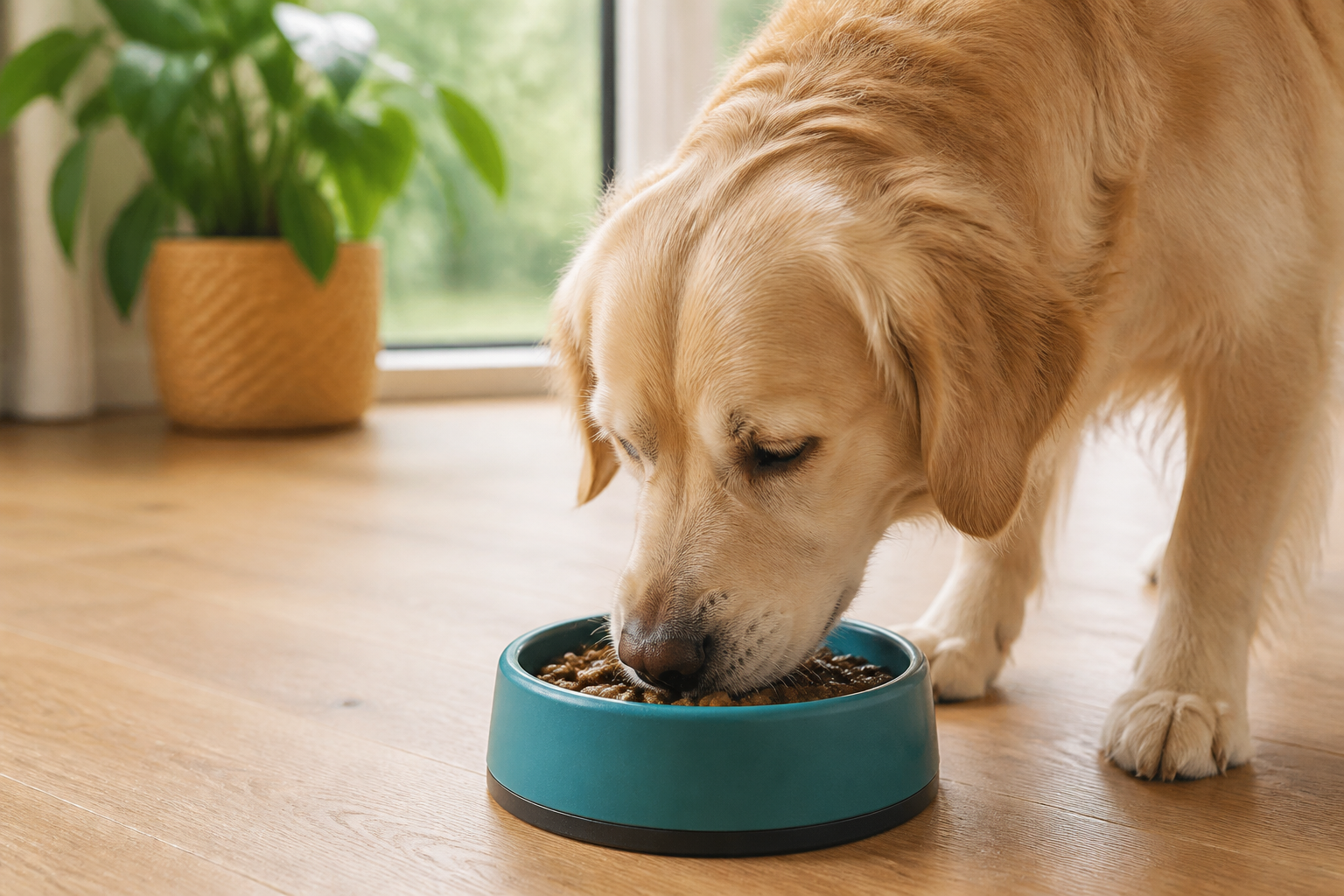
You fill the bowl with the same high-quality kibble your dog usually loves. Suddenly, they look at it and walk away. Or perhaps you have noticed your senior dog struggling to crunch through those hard pellets. You might wonder if a splash of water could solve the problem. Adding moisture to dry kibble is a common practice for many pet owners. At BaxterBoo, we often hear from customers looking for ways to make mealtimes more appealing and healthy. If you are comparing options, start with our dog food category. This simple change can offer several benefits for hydration and digestion. However, it also requires some care to avoid spoilage or dental issues. This guide covers the pros and cons of mixing water with dry dog food to help you decide if it is the right move for your pup.
Quick Answer: Yes, you can mix water with dry dog food. It helps with hydration, improves palatability for picky eaters, and makes the food easier to chew for seniors or puppies. Just be sure to serve it immediately and discard any leftovers to prevent bacteria growth.
The Primary Benefits of Adding Water
Many dogs do not drink enough standing water from their bowls. This is especially true for active breeds or dogs living in warmer climates. Adding water directly to their food ensures they get a baseline level of hydration with every meal. This extra moisture supports kidney function and helps flush out toxins. It can also be a helpful tool for dogs prone to urinary tract infections or bladder stones.
For dogs that are less than enthusiastic about their dinner, water can act as a natural flavor enhancer. Dry kibble is often coated in fats and flavorings that release a stronger aroma when they become wet. Since a dog's sense of taste is closely tied to their sense of smell, that warm, meaty scent can encourage a picky eater to dive in. If you need more ideas for reluctant eaters, our blog post on getting dogs to enjoy dry food is a helpful next step.
Digestion is another area where moisture plays a major role. Most dry kibbles are made through a process called extrusion. This involves high heat and pressure to create those shelf-stable nuggets. Because they are so dry, the body has to work harder to break them down. Adding water softens the structure before it even hits the stomach. This can be a relief for dogs with sensitive tummies or those who tend to experience bloating.
Key Takeaway: Adding water to kibble is a simple way to boost hydration and aroma, making it an excellent choice for picky eaters and dogs with urinary health concerns.
Supporting Senior Dogs and Puppies
Life stage is a huge factor in whether you should moisten your dog's food. Puppies transitioning from milk or wet food to solids often find dry kibble too intimidating. Their small teeth and developing jaws might struggle with the hard texture. By adding water, you create a "mash" that bridges the gap between liquid and solid nutrition. It allows them to get all the calories they need without the physical strain of heavy chewing. If you are feeding a young dog, our puppy shop is a good place to browse age-appropriate products.
Senior dogs face different challenges. Many older dogs suffer from dental disease, missing teeth, or sensitive gums. Crunching on hard kibble can actually be painful for them. If you notice your senior dog dropping pieces of food or eating much slower than usual, dental discomfort might be the cause. Softening the food makes it much more manageable.
Beyond dental health, senior dogs often have a declining sense of smell. As they age, their appetite might dip simply because they cannot smell their food as well as they once could. The steam from warm water mixed into the bowl can reignite their interest in eating.
Vet Tip: If your senior dog is consistently struggling to eat dry food, schedule a dental checkup. Our pharmacy offers prescription diets and medications that can help manage chronic conditions like dental pain or kidney issues.
Understanding the Risks of Wet Kibble
While there are many positives, you must be aware of the safety risks. The biggest concern is spoilage. Dry kibble is designed to be shelf-stable because it has very low moisture content. Once you add water, you create a perfect environment for bacteria to grow. Salmonella and Listeria thrive in warm, damp conditions. If you leave a bowl of moistened kibble out for several hours, it can quickly become unsafe for your dog to consume.
There is also the matter of dental health. For years, the prevailing wisdom was that dry kibble helps "scrub" a dog's teeth. While this effect is often overstated, the mechanical action of chewing something hard does provide some benefit in reducing plaque buildup. When you soften the food, you lose that abrasive quality. This means you may need to be even more diligent with regular tooth brushing or dental dog toys to support oral care.
Finally, there is the potential for mess. Wet kibble can get stuck in long facial hair or be sloshed onto the floor. If your dog is a "grazer" who likes to eat a few bites every hour, mixing water will not work. You have to commit to a strict feeding schedule where the bowl is picked up after a certain amount of time.
Key Takeaway: Never leave moistened kibble at room temperature for more than 30 to 60 minutes. Proper hygiene is essential to prevent the growth of harmful bacteria.
How to Mix Water and Kibble Correctly
If you decide to try this method, consistency is important. You want to make sure the food is enticing but not a soggy mess. Following a specific routine will help your dog get used to the new texture without causing digestive upset.
Step 1: Use filtered water.
Start with the same clean, fresh water you would put in their drinking bowl. Using filtered water ensures there are no heavy minerals or chemicals that might alter the taste or affect their health.
Step 2: Choose the right temperature.
Use warm water rather than cold or boiling. Warm water helps release the aromas and softens the kibble faster. Boiling water should be avoided as it can destroy certain vitamins and minerals in the food. It also poses a risk of burning your dog's mouth.
Step 3: Measure the ratio.
A good starting point is one part water to three parts kibble. For example, if you feed one cup of dry food, add a quarter cup of water. You can adjust this based on your dog's preference. Some dogs like a soup-like consistency, while others just want the pellets to be slightly dampened.
Step 4: Let it sit.
Give the mixture a few minutes to soak. This allows the water to penetrate the center of the kibble. If you serve it immediately, the outside will be wet but the inside will still be hard. Waiting about five minutes creates a more uniform texture.
Step 5: Clean the bowl.
Once your dog is finished, wash the bowl thoroughly with soap and water. Dried-on wet kibble becomes very hard and difficult to remove. It also harbors bacteria that can contaminate the next meal.
Bottom line: Controlled portions and immediate cleaning are the two most important factors for success when mixing water with dry food.
Alternatives to Water
Plain water is the most cost-effective option, but it is not the only way to add moisture. Many owners prefer using liquids that provide extra nutritional value. At our warehouse in Vernon Hills, we carry a wide variety of mixers that can take a standard bowl of kibble to the next level.
Bone broth is a popular choice. It is packed with collagen, amino acids, and minerals that support joint health and gut integrity. However, you must use broth specifically formulated for pets. Human bone broths often contain onions, garlic, and high levels of salt, all of which are toxic or unhealthy for dogs.
Another option is adding a spoonful of canned wet food. This provides a different protein source and a much richer texture. Many brands carried by us, such as Stella & Chewy's or Open Farm, offer toppers specifically designed for this purpose. These can be freeze-dried morsels that you rehydrate or pouches of savory stews.
If your dog is on a therapeutic diet for a condition like obesity or allergies, you should consult your veterinarian before adding anything other than water. Our pet pharmacy carries many of these specialized diets, including brands like Royal Canin and Farmina Vet Life. Mixing unauthorized ingredients into a prescription diet can sometimes dilute the effectiveness of the food.
Weight Management and Satiety
For dogs that always seem hungry, adding water can be a secret weapon. Obesity is a major health concern for pets, leading to joint pain and a shortened lifespan. When you add water to kibble, the volume of the food increases significantly. The bowl looks fuller, and the dog's stomach feels more expanded after eating.
This increased volume helps your dog feel "full" without adding any extra calories. It can reduce begging behavior between meals. If your dog is on a weight loss plan, this is an excellent way to keep them satisfied while you are cutting back on their total food intake.
We also suggest this for dogs that "inhale" their food. Dogs that eat too fast can swallow a lot of air, which leads to gas or even dangerous stomach flipping. Softened food is harder to gulp down in one go. It forces the dog to lap and chew more slowly, which is much better for their overall digestion.
- Increases meal volume without adding calories.
- Helps dogs feel full longer.
- Slows down fast eaters.
- Reduces the risk of air-gulping and bloat.
When to Talk to a Professional
Changing how you feed your dog is usually a safe experiment. However, there are times when a professional opinion is necessary. If your dog has a history of chronic digestive issues, sudden changes in food texture can cause diarrhea or gas. Always introduce the water gradually over a few days.
If you are using moisture to hide a lack of appetite, you need to find out why the dog is not eating. While picky eating is common, a sudden loss of interest in food can be a sign of underlying illness. This is especially true if the loss of appetite is accompanied by lethargy, vomiting, or changes in drinking habits. For more support on feeding routines, our blog post on feeding dry dog food to a puppy is worth a look.
For dogs with specific health needs, such as kidney disease or heart failure, the type of water and the amount of hydration they receive is a critical part of their treatment. In these cases, your vet might recommend specific prescription liquids or wet foods. We can help you fulfill those prescriptions easily through our pharmacy.
Maintaining Dental Health Without the Crunch
Since adding water removes the "crunch" of dry kibble, you have to be proactive about oral hygiene. Dental health is about more than just white teeth. Bacteria in the mouth can enter the bloodstream and affect the heart and kidneys. If you switch to a moistened diet, consider adding other dental supports.
Chewing is a natural behavior that helps clean teeth. You can provide tough rubber toys, such as those from KONG, or natural chews that are safe for your dog's specific age and size. There are also water additives and dental gels that can help break down plaque without requiring the dog to crunch on hard food.
Regular brushing remains the gold standard. Even brushing twice a week can make a significant difference in preventing gum disease. If your dog is older and has sensitive teeth, use a very soft brush and pet-safe toothpaste.
Vet Tip: Check your dog's gums regularly. If they look red, swollen, or bleed easily, it is time for a professional cleaning. A soft diet can hide the symptoms of dental pain, so physical inspections are vital.
Creating a Feeding Routine
A successful transition to moistened food depends on a good routine. Dogs thrive on predictability. If you decide that mixing water is the best path for your pup, try to keep the timing and the ratio consistent.
We recommend feeding twice a day rather than one large meal. This keeps their energy levels stable and makes it easier to manage the "wet" food window. If you work long hours and cannot be home to pick up the bowl, you might consider using our Autoship programme for dry food during the day and only offering the moistened meal when you are home to supervise.
If you are a frequent traveler, remember that mixing water on the go can be messier. Keep a dedicated travel bowl and plenty of paper towels in your kit. Our selection of travel gear can help make these transitions easier, ensuring your dog stays hydrated no matter where you are.
Summary of Feeding Options
| Method | Best For | Main Benefit | Main Drawback |
|---|---|---|---|
| Plain Dry Kibble | Healthy adults, grazers | Convenience, dental health | Low hydration |
| Water-Mixed Kibble | Picky eaters, seniors | Improved hydration, aroma | Spoilage risk |
| Kibble with Broth | Active dogs, joint issues | Added nutrients, high flavor | Cost, sodium risk |
| Kibble with Wet Food | High-energy dogs | Protein variety | Can lead to weight gain |
Conclusion
Deciding whether to mix water with dry dog food comes down to your dog's individual needs. For many, the boost in hydration and the added aroma make it a worthwhile change. It is a particularly effective strategy for managing senior health, supporting growing puppies, and helping picky eaters enjoy their meals again. At BaxterBoo, we want to help you make every mealtime a success. Whether you are looking for the perfect kibble, a nutrient-rich bone broth, or a specific prescription diet from our pharmacy, we have the expert-curated selection you need. Start by adding a small amount of warm water to your dog's next meal and see how they react. You might find that a little extra moisture is exactly what they need to thrive.
FAQ
Does adding water to dry dog food cause dental problems?
Adding water does not directly cause dental disease, but it does remove the slight abrasive benefit of dry kibble. When food is softened, it is more likely to stick to the teeth and gums, which can lead to plaque buildup if not managed. To counter this, we recommend regular teeth brushing and providing dental chews to keep their mouth healthy.
How much water should I add to my dog's food?
A general rule of thumb is to use a ratio of one part water to three parts dry food. For a standard meal of one cup of kibble, a quarter cup of water is usually sufficient to soften the food and release the aroma. You can increase or decrease this amount based on whether your dog prefers a thicker mash or a soupier consistency.
Can I mix milk instead of water with dog food?
It is usually best to stick with water or a dog-specific bone broth. Many adult dogs are lactose intolerant and cannot properly digest cow's milk, which can lead to diarrhea, gas, and stomach upset. If you want to add more flavor or nutrients, look for goat milk specifically formulated for pets or a low-sodium pet broth.
How long can I leave moistened dog food in the bowl?
Moistened kibble should be treated like wet canned food and should not be left out for more than 30 to 60 minutes. Once water is added, the food becomes a breeding ground for bacteria like salmonella. If your dog does not finish their meal within an hour, discard the leftovers and wash the bowl thoroughly to ensure their next meal is safe.






