Save 15% on your 1st Autoship learn more

 Email us
 Live Chat
 FAQs
FAQs





Introduction
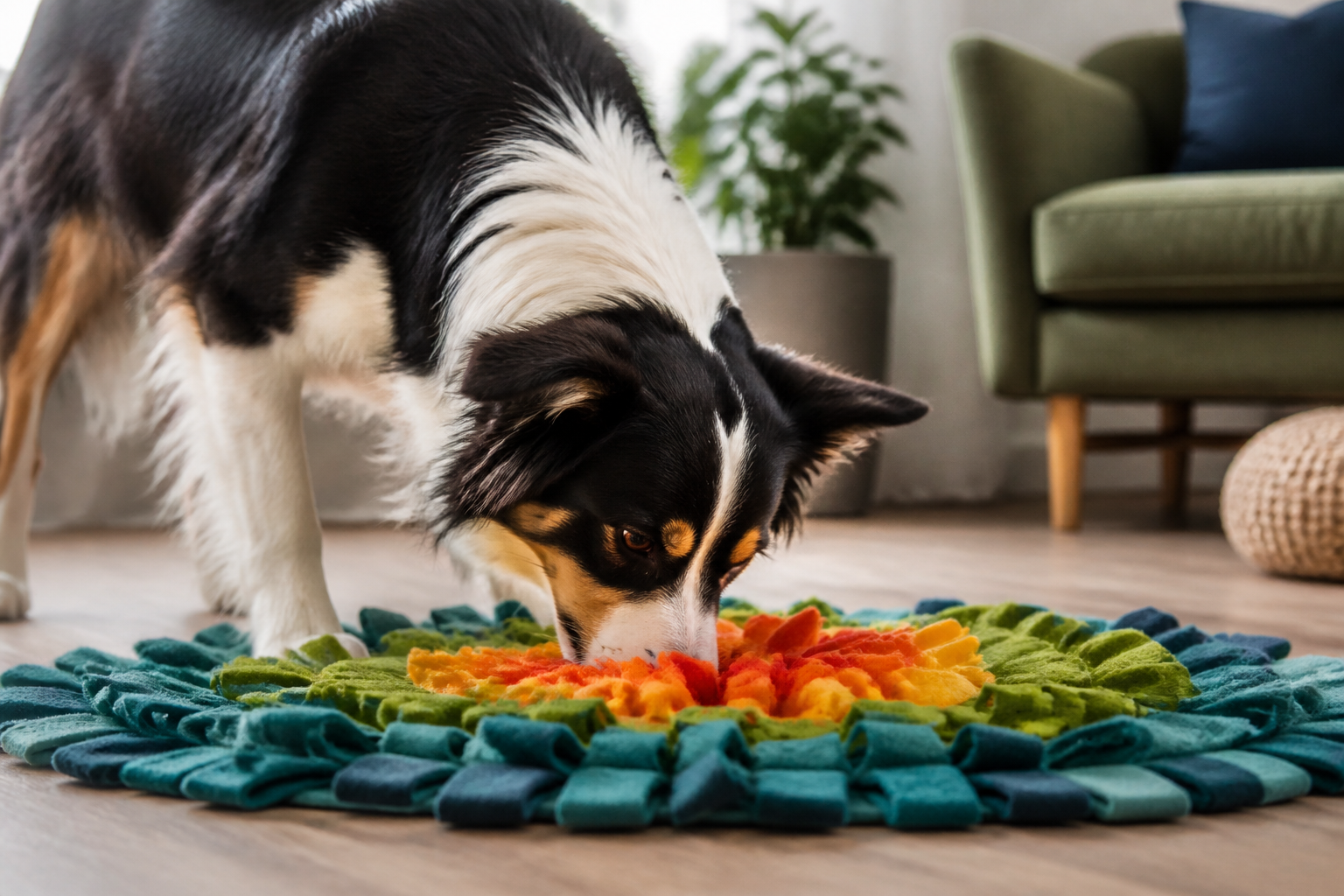
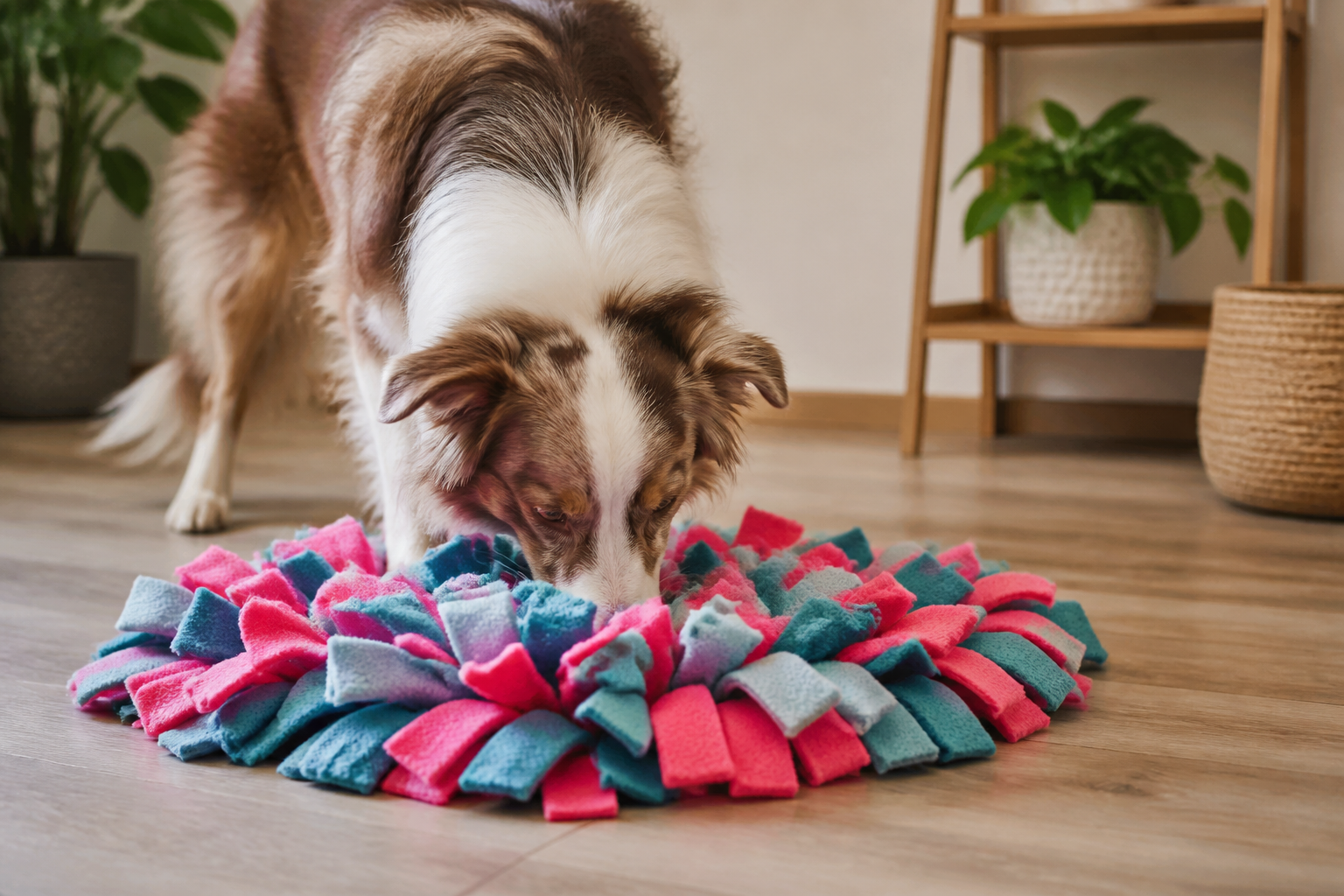
You just put the food bowl down. Five seconds later, your dog is licking the ceramic and looking at you for more. This "inhaling" habit is a common struggle for many pet owners. It often leads to indigestion or a dog that never feels quite satisfied. At BaxterBoo, we know that mental exercise is just as important as a walk around the block. A snuffle mat is a simple but effective tool to slow down mealtime and engage a dog’s natural foraging instincts. This article explains why selecting the right fleece for snuffle mat projects is critical for safety and durability. We will cover the best fabric types, how to prepare your materials, and the health benefits of nose work. Using the correct materials ensures your DIY project remains a safe and long-lasting part of your pet’s routine.
Why Fleece is the Best Material for Snuffle Mats
When you start looking for materials to make or buy an enrichment mat, you might see different fabrics. However, fleece remains the industry standard for several reasons. It is a synthetic fabric that offers a unique combination of softness and strength. Unlike cotton or wool, fleece does not fray when you cut it. This is the most important factor for a toy that involves hiding food.
If you used a woven fabric like denim or canvas, the edges would shed long threads. These threads can wrap around a dog’s teeth or, worse, be swallowed. Fleece stays in solid strips even after your dog has spent twenty minutes rooting around for kibble. It is also gentle on the nose. Dogs have very sensitive skin on their muzzles. Rougher fabrics can cause "rug burn" or irritation during a vigorous sniffing session.
Quick Answer: Fleece is the preferred material for snuffle mats because it does not fray when cut into strips. It is soft on a dog's nose while being durable enough to withstand frequent washing and enthusiastic foraging.
Another benefit is the density of the fabric. Fleece has a natural loft that holds its shape. When you tie dozens of strips to a base, they stand up and create "nooks and crannies." This is what hides the food. If the fabric was too thin or limp, the kibble would just sit on top. The goal is to make the dog work to find every last piece.
For more ideas that engage your dog’s natural instincts, explore dog brain games and enrichment activities.
Choosing the Right Type of Fleece
Not all fleece is created equal. When you visit a fabric store or look through your closet for old blankets, you will likely find two main types: polar fleece and anti-pill fleece. Understanding the difference will help you create a mat that looks good and stays functional after multiple uses.
Polar Fleece
Polar fleece is the most common variety. It is usually more affordable and comes in a huge range of colors and patterns. It is excellent for snuffle mats because it is thick and sturdy. The only downside is that polar fleece tends to develop "pills" or small balls of fuzz over time. Since a snuffle mat is a utility item and not a fashion statement, this usually does not matter. The thickness provides great coverage for the base.
Anti-Pill Fleece
Anti-pill fleece is treated during manufacturing to prevent those fuzzy balls from forming. It is often slightly more expensive than standard polar fleece. It feels smoother and stays looking new for a longer period. If you are making a snuffle mat as a gift, this is a great choice. It handles the friction of a dog’s nose very well.
Fleece Weight
You may also see fleece categorized by weight, such as 100, 200, or 300. This refers to the grams per square meter.
- 100-weight: Very thin. This is usually used for garment linings. It is too flimsy for a snuffle mat.
- 200-weight: Mid-weight. This is the "sweet spot" for most DIY mats. It is easy to tie but thick enough to hide food.
- 300-weight: Heavy-weight. This is very thick. While it provides great hiding spots, it can be very difficult to tie tight knots with such bulky material.
Key Takeaway: Opt for a 200-weight anti-pill or polar fleece to balance durability with ease of construction. Avoid thin fabrics that will collapse and fail to hide the kibble effectively.
Preparing Your Materials
Once you have selected your fabric, you need to prepare the strips. The goal is consistency. If some strips are long and others are short, the mat will have "dead zones" where the food is too easy to find. Most experienced makers recommend strips that are 1 to 1.5 inches wide and 6 to 8 inches long.
Tools for the Job
You do not need a sewing machine or specialized equipment to make a snuffle mat. However, a few basic tools will make the process much faster.
- Fabric Scissors: Sharp scissors are essential. Dull blades will chew the fleece rather than cutting it.
- Rotary Cutter and Mat: If you have these from quilting projects, they are much faster than scissors. You can cut through multiple layers of fleece at once.
- Ruler: Use a standard ruler to keep your strips uniform.
Cutting Technique
Fold your fleece so you are cutting through two or four layers at once. This saves a significant amount of time. If you are using a yard of fabric, you will end up with hundreds of strips. It is a repetitive process, so many owners find it helpful to do this while watching a movie. Do not worry about the edges being perfectly straight. Your dog will not care if a strip is slightly crooked. They only care about the treats hidden inside.
Note: For a standard-sized sink mat base, you will typically need about 1 to 1.5 yards of fleece fabric. This provides enough strips to fill every hole and create a dense sniffing surface.
The Base of the Snuffle Mat
The fabric is only half of the equation. You also need a sturdy base to tie the fleece to. The most popular choice is a rubber or plastic sink mat. These are usually found in the kitchen section of a department store. They are ideal because they already have a grid of holes.
For a ready-made alternative, browse interactive dog toys and enrichment options.
Rubber vs. Plastic
Rubber mats are generally better because they are heavy. A heavier base stays put on the floor while the dog is working. If the mat is too light, a frustrated dog might just pick the whole thing up and shake it to get the treats out. This defeats the purpose of the enrichment. If you use a lightweight plastic mat, you can look for one with suction cups on the bottom to help it stick to hard floors.
Checking for Safety
Ensure the holes in the base are large enough for the fleece to pass through but small enough that the knots stay secure. Most sink mats have holes about half an inch wide, which is perfect. Avoid any base with sharp edges or brittle plastic that could snap if the dog steps on it.
Step-by-Step Construction
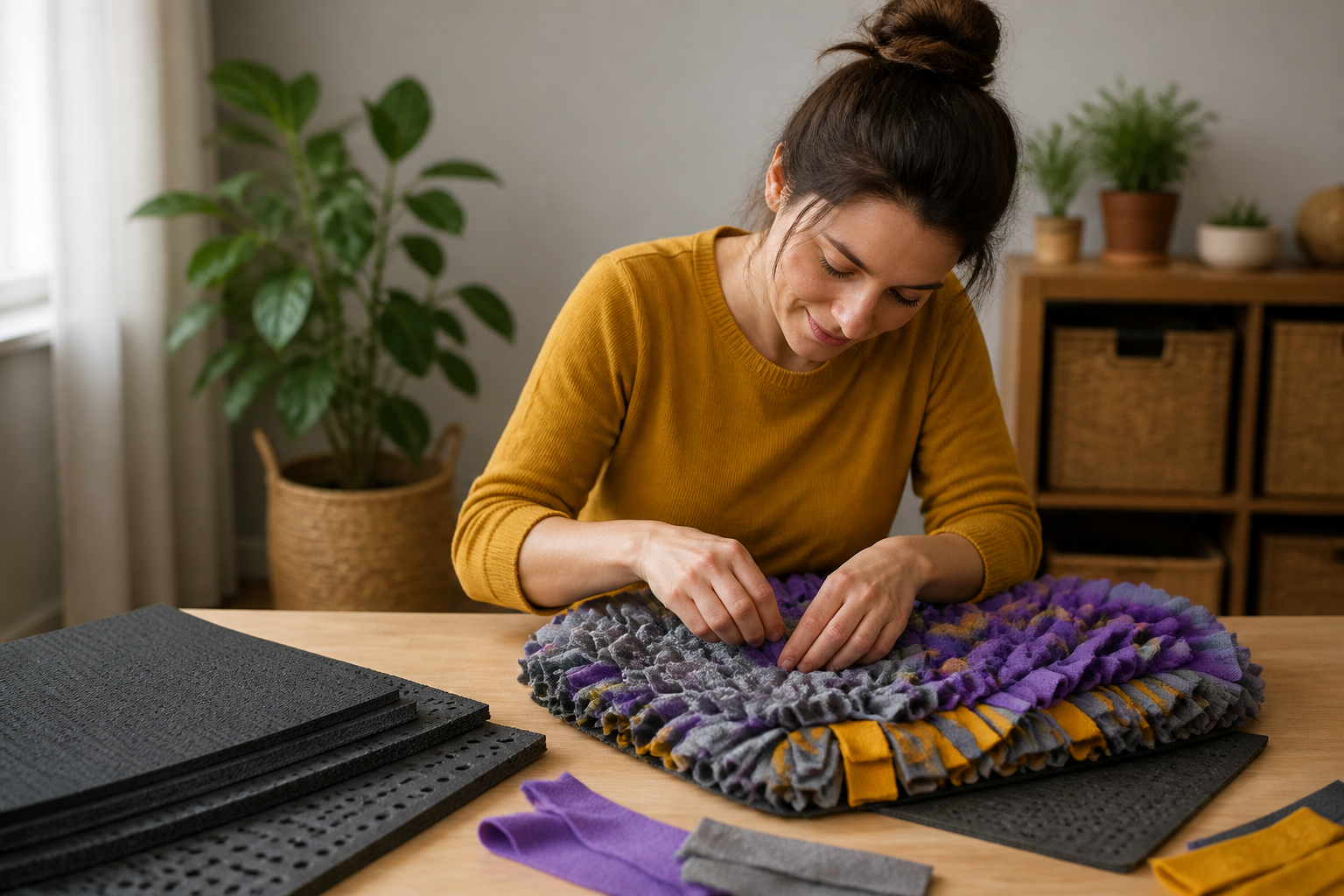
Making a snuffle mat is a simple process of "thread and tie." You do not need any special knots. A basic overhand knot, like the first step of tying your shoes, is all you need.
Step 1: Thread the strip. / Take one fleece strip and push one end through a hole in the base. Bring the other end through the hole immediately next to it.
Step 2: Tie the knot. / Pull both ends until they are even on the top side of the base. Tie a single tight knot. There is no need to double knot fleece. The friction of the fabric will keep it from coming undone.
Step 3: Fill the rows. / Work your way across the mat in a straight line. Once you finish a horizontal row, do a vertical row.
Step 4: Check for gaps. / Flip the mat over. If you see any large sections of the base showing, add more strips. You want the mat to be so dense that you cannot see the rubber base at all.
Bottom line: A dense mat is a challenging mat. If you can see the base through the fabric, add more strips to increase the difficulty for your dog.
Selecting the Right Treats
A snuffle mat is only as exciting as the food inside it. Because you are using fleece, you must be careful about the types of treats you use. You want "dry" treats that do not leave a greasy residue or crumbs that will get moldy.
For more options, browse our dog treats collection.
High-Value Options
At BaxterBoo, we carry a variety of treats that work perfectly for snuffle mats. Freeze-dried options from brands like Stella & Chewy's or Vital Essentials are excellent. They are very smelly, which helps the dog start the "hunt," but they are dry and clean. Small, crunchy treats like those from RedBarn or Zesty Paws also work well.
You can also explore freeze-dried dog and cat treats for dry options suited to enrichment activities.
Using Daily Kibble
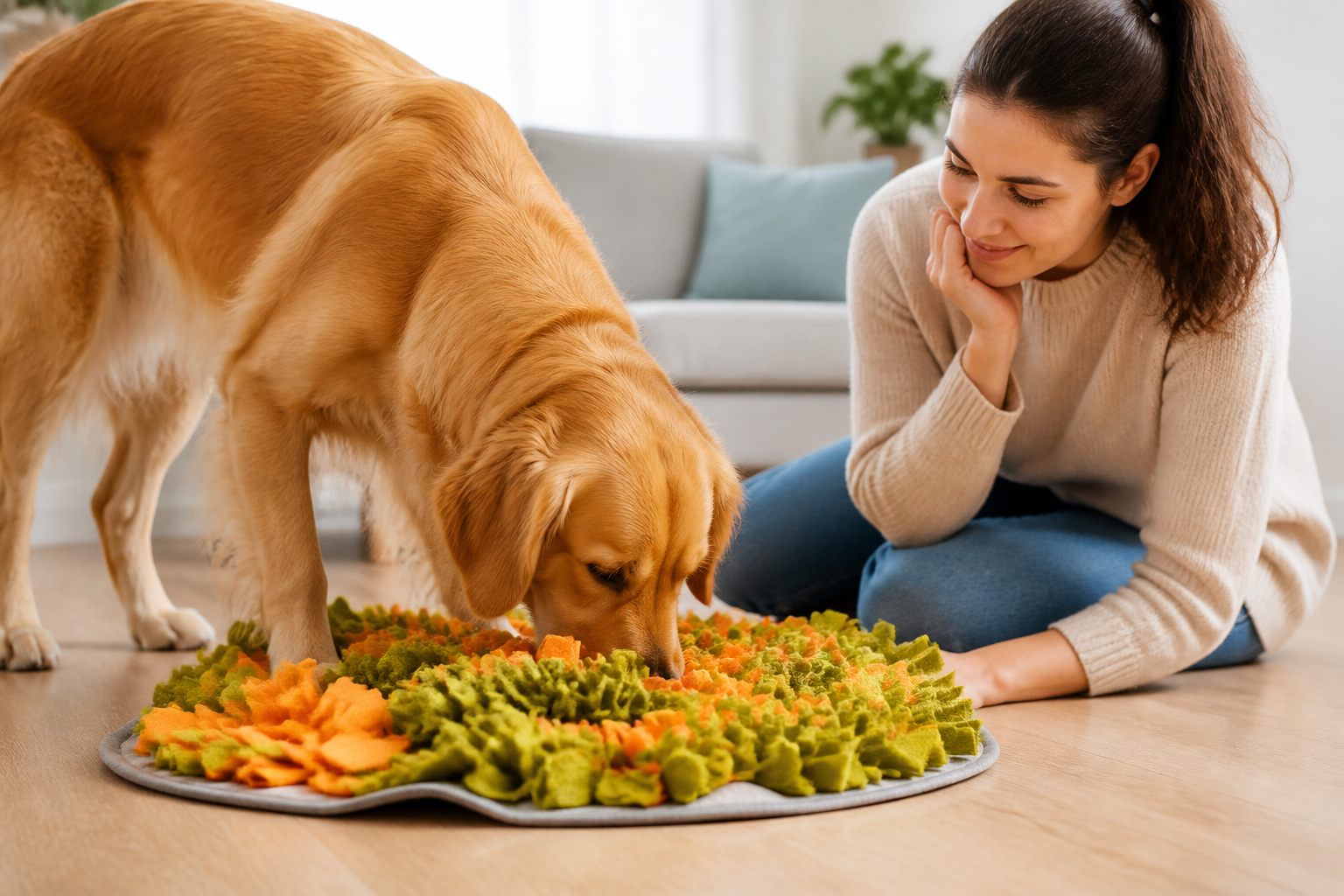
If your dog needs to lose weight or is on a specific diet, you can use their regular meal. Instead of putting a cup of food in a bowl, sprinkle it over the mat. This turns a thirty-second meal into a ten-minute activity. For dogs on prescription diets, like Farmina Vet Life, using a snuffle mat ensures they stay engaged with their food without needing extra calories from treats.
Health Benefits and Behavioral Support
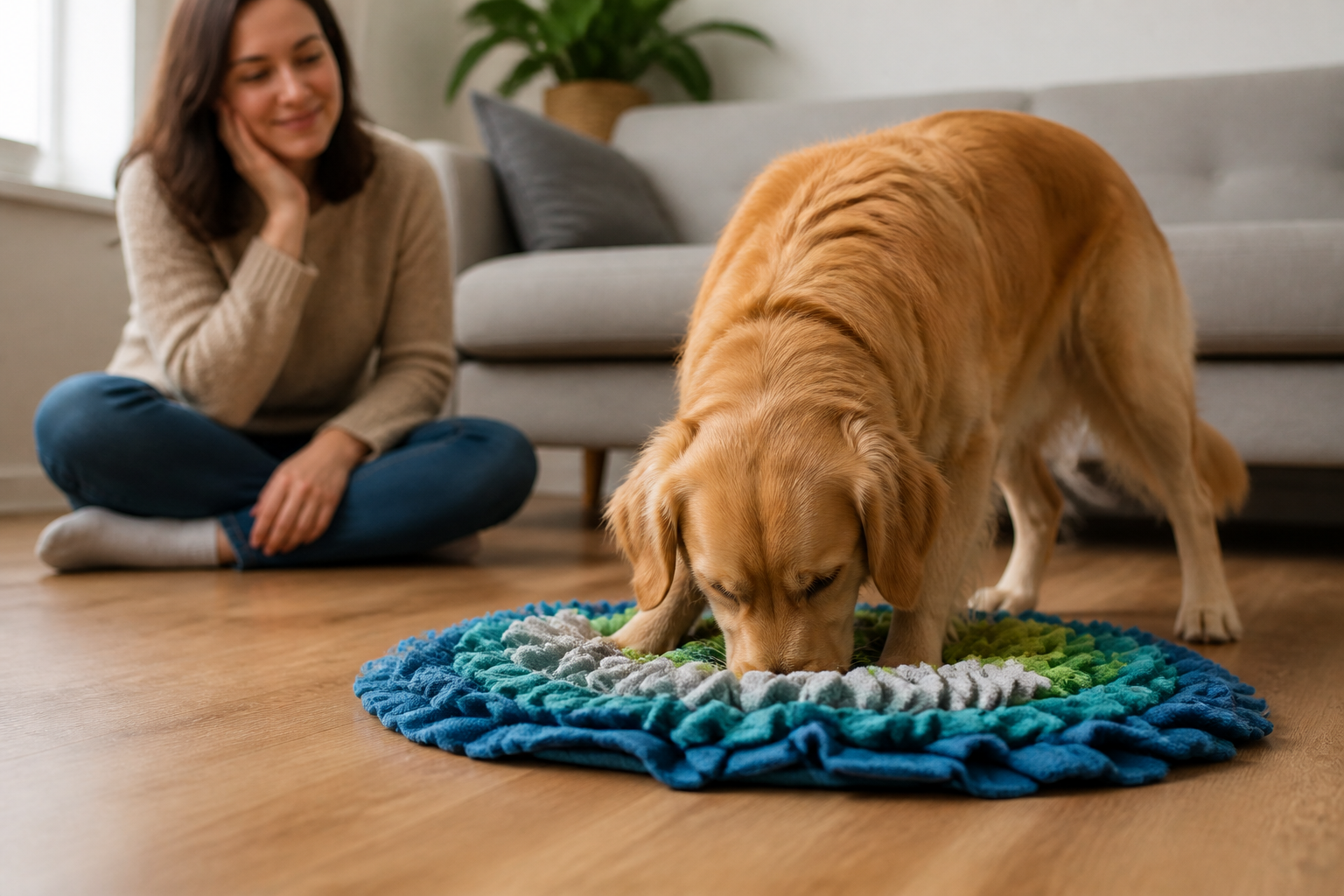
The "sniffing" action does more than just slow down a fast eater. It actually has a physiological effect on a dog’s brain. When a dog uses its nose, its heart rate lowers. It is a self-soothing behavior. This is why snuffle mats are often recommended for dogs with anxiety or high energy levels.
For additional enrichment ideas, read the guide to indoor enrichment activities.
Weight Management
If your dog is overweight, they might feel hungry even when they have had enough calories. Slower eating gives the brain time to register that the stomach is full. This can prevent the "begging" behavior that happens right after a meal. For owners managing obesity, our pharmacy offers prescription weight management foods through our partnership with Pet's Choice. Pairing these specific diets with a snuffle mat can be a powerful tool for weight loss.
Anxiety and Calmness
For dogs that struggle with thunderstorms, fireworks, or separation anxiety, a snuffle mat provides a constructive outlet for nervous energy. It gives them a "job" to focus on. If your dog has severe anxiety, your veterinarian might recommend calming supplements or medications. Our pharmacy carries a range of FDA-approved treatments for behavioral health that can be used alongside enrichment tools like these mats.
Vet Tip: If your dog becomes overly frustrated or starts trying to chew and swallow the fleece strips, stop the session. Enrichment should be relaxing. If you notice signs of pica or a history of eating non-food items, consult your vet before using a fabric-based toy.
Maintenance and Cleaning
Because your dog is putting their face and saliva all over the fleece, the mat will eventually get dirty. One of the best things about using fleece for snuffle mat projects is that it is washable. However, you should not just throw it in the machine on a heavy cycle.
Washing Instructions
Most snuffle mats should be hand-washed in a sink with warm water and a pet-safe, unscented detergent. If you must use a washing machine, place the mat inside a large pillowcase or a mesh laundry bag. This prevents the strips from getting caught in the agitator or the drum. Use a gentle cycle with cold water.
Drying
Never put a snuffle mat in the dryer. The heat can melt the rubber or plastic base and damage the fleece fibers. Instead, squeeze out the excess water and lay it flat on a towel to air dry. It might take 24 hours to dry completely because the fleece is so dense.
Key Takeaway: Regular cleaning prevents bacteria buildup from saliva and food particles. Always air dry your mat to preserve the integrity of the base and the fabric strips.
Introducing the Mat to Your Dog
If your dog has never used a snuffle mat, they might be confused at first. Some dogs might try to dig at it or flip it over. You want to set them up for success so they enjoy the game.
The First Session
Start by placing treats directly on top of the fleece. Do not hide them deep in the strips yet. Let your dog see you put the treats there. Use a verbal cue like "find it" or "search." Once they eat the visible treats, praise them.
Increasing Difficulty
As your dog gets the hang of it, start tucking the treats slightly deeper into the fabric. Eventually, you can bury them at the very bottom. If your dog gets frustrated and starts biting the mat, go back a step and make it easier. The goal is to build their confidence and keep them engaged.
For more ways to keep playtime interesting, see the ultimate guide to dog boredom busters.
Safety Considerations
While fleece is a safe material, no toy is indestructible. You should always supervise your dog while they are using a snuffle mat. This is not a "chew toy." If your dog starts pulling at the strips with the intent to tear them off, remove the mat.
Monitoring for Wear
Check the mat regularly for loose strips. If a knot has come untied, retie it immediately. If the base has cracked or a piece of plastic has broken off, it is time to make or buy a new one. Ingesting pieces of plastic or large amounts of fleece can cause intestinal blockages.
Multi-Pet Households
If you have more than one dog, it is usually best to give them their own mats in separate rooms. Even dogs that are normally friendly can become protective over a "high-value" activity like a snuffle mat. This prevents resource guarding and ensures both pets can relax and enjoy their foraging time.
Enrichment for Senior Dogs
Snuffle mats are particularly wonderful for senior dogs. As dogs age, they may not be able to go for long runs or play intense games of fetch. However, their sense of smell usually remains sharp. A snuffle mat provides mental "cardio" without putting stress on aging joints.
For seniors managing stiffness or cognitive decline, our Medical & Mobility section offers supports that help them stay comfortable while they play. Engaging their brain with nose work can help keep them mentally alert and reduce the boredom that sometimes leads to "sundowning" or restlessness in older pets.
Bottom line: Snuffle mats are a low-impact way to provide high-level mental stimulation for dogs of all ages and mobility levels.
Summary of Fleece Benefits
Choosing the right fleece for snuffle mat construction is the foundation of a good enrichment program. By selecting a mid-weight anti-pill fleece and a sturdy rubber base, you create a tool that supports your dog’s health and happiness for years.
- Fleece does not fray, making it the safest fabric choice for hiding food.
- The material is soft on sensitive muzzles and noses.
- Snuffle mats slow down fast eaters and can help with weight management.
- Nose work is a natural stress-reliever for dogs.
- Regular washing keeps the mat hygienic and safe.
At BaxterBoo, we are committed to providing the gear and the guidance you need for a happy, healthy pet. Whether you are building your own mat or looking for the perfect treats to hide inside, we have the expert-curated selection to help you succeed. Consider joining the MVP Rewards programme to earn points on every treat and toy purchase as you build your pet's enrichment collection.
FAQ
What is the best size for fleece strips on a snuffle mat?
Most experts recommend cutting strips that are approximately 1 to 1.5 inches wide and 6 to 8 inches long. This length allows you to tie a secure knot while leaving enough fabric on top to create a dense, bushy surface that effectively hides treats. If the strips are too short, they won't hide the food well, and if they are too long, the mat can become floppy and disorganized.
Can I use an old fleece blanket to make a snuffle mat?
Yes, upcycling an old fleece blanket is an excellent way to make a budget-friendly snuffle mat. Just ensure the blanket is clean and made of 100% polyester fleece so it does not fray. Avoid blankets with decorative fringe, sequins, or loose weave patterns, as these can be safety hazards for your dog.
How do I stop my dog from flipping the snuffle mat over?
If your dog tries to flip the mat, it usually means they are frustrated or the treats are too hard to find. Try using a heavier rubber sink mat as the base to add weight. You can also start by placing treats on top of the fabric rather than hiding them deep inside, which teaches the dog that sniffing is more rewarded than flipping.
Is a snuffle mat safe for cats?
Absolutely, snuffle mats are great for cats too. Cats are natural hunters and foragers, and using their nose to find kibble can prevent boredom and "whisker fatigue" caused by deep bowls. For cats, you might want to use slightly smaller strips or a smaller base, but the construction process and the benefits of mental stimulation remain the same.