
 Save 15% on your 1st Autoship learn more

 Email us
 Live Chat
 FAQs
FAQs





Introduction
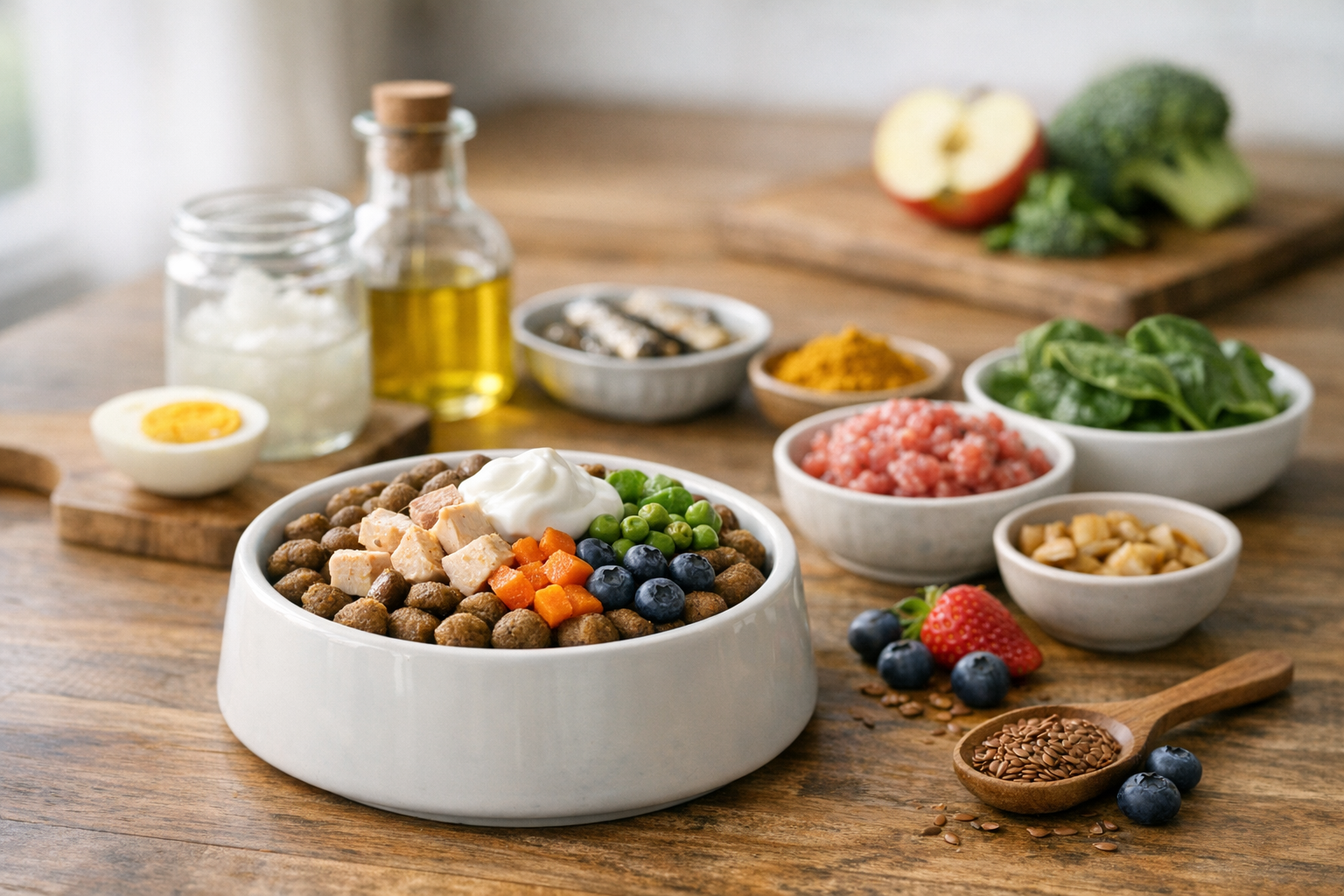
You fill the bowl with the same crunchy kibble for the fifth day in a row. Your dog looks up at you with that expectant stare. You know the one. It is the look that asks if there might be something a little more exciting on the menu today. While high quality dry food provides essential nutrition, it can occasionally feel a bit repetitive for your pup. Many owners want to boost flavor or add a nutritional punch without switching diets entirely.
At BaxterBoo, we know that mealtime is a highlight of your dog's day. We see many pet parents looking for safe, healthy ways to enhance their dog's bowl. Adding fresh whole foods or moisture can improve digestion and make even the pickiest eater dive in. If you are starting with a complete meal base, our dog food collection is a helpful place to begin. This article covers the best fresh additions, commercial toppers, and liquid mixers to transform your dog's dry food. We will help you understand which foods are safe and how to keep the nutritional balance correct.
The Golden Rule of Mix-Ins
Before you start raiding the refrigerator, you must consider caloric balance. Most commercial dry dog foods are carefully formulated to be complete and balanced. This means they contain the exact ratio of vitamins, minerals, and proteins your dog needs. When you add outside ingredients, you risk shifting that balance.
The general rule is that "extras" should make up no more than 10 percent of your dog's daily calories. If you exceed this, you might dilute essential nutrients like calcium or phosphorus. This is especially important for growing puppies or dogs with specific health needs. If you find yourself wanting to replace a larger portion of the meal, you may need to look at specialized mixers. For more ready-made options, our food topper collection can help you keep portions simple.
Key Takeaway: Stick to the 10 percent rule for supplemental add-ins to ensure your dog still gets their core vitamins and minerals from their balanced kibble.
High Protein Additions
Dogs are opportunistic carnivores. They thrive on animal based proteins. Adding a bit of fresh meat or eggs can lower the overall carbohydrate percentage of a kibble based meal. This is helpful for active dogs or those who need a little extra muscle support.
Eggs: The Perfect Topper
Eggs are often called a "complete" protein source. They contain a wide range of amino acids and essential fatty acids. You can serve them in several ways:
- Raw: Some owners crack a raw egg directly over the kibble. The yolk contains biotin, which helps support healthy skin.
- Scrambled: If you are worried about digestion, lightly scramble the egg without butter or salt.
- Hard-Boiled: These are great for dicing up and mixing deep into the bowl so your dog cannot pick them out.
Muscle Meats
Lean meats like chicken, turkey, and beef are excellent choices. Always ensure the meat is unseasoned. Avoid meats cooked with onions, garlic, or excessive salt. If you use ground meat, draining the excess fat is a good way to keep the calorie count in check.
Organ Meats
Organ meats are nature's multivitamins. Small amounts of liver or heart provide high levels of Vitamin A and B vitamins. However, be careful with quantity. Too much liver can lead to vitamin toxicity or loose stools. A few small bits once or twice a week is usually plenty.
Vet Tip: If your dog has a history of pancreatitis or sensitive stomach issues, always consult your veterinarian before adding high-fat meats or organs to their diet.
Liquid Mixers for Hydration
Dry kibble usually contains only about 10 percent moisture. In the wild, a dog's diet would be much more hydrating. Adding liquids can help with digestion and kidney health. It also makes the food smell much stronger, which helps older dogs with a fading sense of smell.
Bone Broth
Bone broth is packed with collagen, glycine, and glucosamine. These nutrients support joint health and a healthy gut lining. You can make your own by simmering bones for 24 hours or buy a pet-safe version. If you want a shelf-friendly option, our bone broth collection is an easy way to explore broth-based toppers without the guesswork.
Raw Goat's Milk
Goat's milk is often easier for dogs to digest than cow's milk. It contains natural probiotics that support the immune system. A splash of goat's milk can turn dry kibble into a creamy treat. This is especially helpful for dogs who have trouble chewing hard pieces.
Warm Water
Sometimes the simplest solution is the best. Adding a quarter cup of warm water to a cup of kibble creates a savory gravy. Let it sit for a few minutes to soften the pieces. If you want more ideas for moistening meals, our guide to adding water to dry dog food is a useful next read.
Produce and Superfoods
Vegetables and fruits add fiber, antioxidants, and variety. They are low in calories, making them ideal for dogs who need to watch their weight. Because dogs do not chew their food as thoroughly as humans, preparing produce correctly is the key to absorption.
Digestion Support with Pumpkin
Plain canned pumpkin (not pumpkin pie filling) is a staple for many dog owners. It contains soluble fiber which helps with both diarrhea and constipation. It is a fantastic "all-purpose" digestive aid.
- Use about one teaspoon per 10 pounds of body weight.
- Mix it thoroughly to coat the kibble.
Berries and Antioxidants
Blueberries, raspberries, and blackberries are safe for dogs in moderation. They are loaded with antioxidants that help fight inflammation. They are also fun for dogs to find at the bottom of the bowl.
Leafy Greens and Crucial Veggies
Broccoli, green beans, and carrots are great for adding crunch and nutrients. Step 1: Steam or puree the vegetables. This breaks down the tough plant cell walls. Step 2: Let them cool completely. Step 3: Mix a small spoonful into the dry food.
Note: Always avoid onions, leashes, and chives. These are toxic to dogs and can cause serious blood disorders.
Fish and Omega Fatty Acids
Healthy fats are vital for a shiny coat and reduced skin irritation. If your dog suffers from dry, itchy skin, adding fish based toppers can make a significant difference.
Canned Sardines
Sardines are small, oily fish that are very low in mercury. They are packed with Omega-3 fatty acids. Look for sardines packed in water with no added salt. One or two small fish a week is a powerful health boost for most medium sized dogs.
Salmon and Pollock Oils
If you do not want the mess of canned fish, a pump of high quality fish oil is a great alternative. These oils support heart health and cognitive function in senior dogs. We offer several sustainably sourced fish oils that can be drizzled right over the food daily.
Probiotics and Fermented Foods
A healthy gut leads to a healthy immune system. Modern kibble is processed at high heat, which can destroy natural beneficial bacteria. Adding fermented foods helps replenish the gut microbiome.
Plain Greek Yogurt
Yogurt is a great source of calcium and probiotics. Make sure it is plain and contains no artificial sweeteners. Xylitol is a common sweetener in "low fat" or "diet" yogurts and is deadly to dogs. A dollop of yogurt is an easy way to hide medications or supplements as well.
Kefir
Kefir is a fermented milk drink that often contains more probiotic strains than regular yogurt. It is usually 99 percent lactose free, which makes it a safer choice for dogs who are slightly sensitive to dairy.
Quick Answer: The best things to add to dry dog food are bone broth, plain pumpkin, cooked eggs, and steamed green beans. These add moisture, fiber, and protein while keeping the meal healthy and balanced.
Commercial Toppers and Mixers
If you do not have time for meal prep, there are many ready-to-use options. These are designed to be shelf stable and highly palatable. For a fast upgrade, our meal mixer and topper options are a good way to browse convenient choices.
Freeze-Dried Raw
Freeze-dried nuggets or "meal mixers" provide the benefits of raw food with the convenience of a bag. You can crumble these over the top of the kibble. Many pet parents find that rehydrating these nuggets with a little warm water creates a delicious stew that covers every piece of dry food.
Wet Food as a Topper
Mixing a few tablespoons of canned food into dry kibble is a classic strategy. It provides a boost of aroma and moisture. This is a great way to use up half a can of food while keeping costs down. If you are comparing moisture-rich options, our blog on wet and dry dog food may help.
When Pickiness Indicates a Problem
While many dogs are just naturally "foodies," a sudden change in appetite can be a warning sign. If your dog usually loves their dry food and suddenly refuses it, there might be an underlying issue.
- Dental Pain: A cracked tooth or gum disease can make crunching hard kibble very painful.
- Nausea: Kidney issues or digestive upset can make food unappealing.
- Aging: Senior dogs lose their sense of smell and taste over time.
Our pet pharmacy information page explains how prescription foods and medications are fulfilled through our pharmacy partnership. If your dog is struggling with allergies, kidney disease, or persistent digestive issues, your vet might recommend a prescription diet. These diets are specifically formulated to manage medical conditions and can be conveniently ordered through us with a valid prescription.
Vet Tip: If your dog stops eating for more than 24 hours or shows signs of lethargy, vomiting, or weight loss, schedule a veterinary exam immediately. Pickiness can sometimes mask serious internal health problems.
Foods to Avoid
Not everything in your pantry belongs in the dog bowl. Some common human foods are dangerous.
- Grapes and Raisins: These can cause sudden kidney failure.
- Chocolate and Caffeine: Both can cause heart and nervous system issues.
- Macadamia Nuts: These lead to weakness, vomiting, and tremors.
- Cooked Bones: While raw bones can be a treat, cooked bones splinter easily and can puncture the digestive tract.
- Avocados: They are high in fat and contain persin, which can cause upset in some dogs.
Transitioning to New Add-ins
Whenever you introduce a new food to your dog, go slowly. Their digestive system needs time to adjust to new enzymes and fiber levels. Step 1: Start with a tiny amount. One teaspoon is enough to start. Step 2: Monitor their stools. If you notice diarrhea or excessive gas, stop the addition. Step 3: Gradually increase the amount over a week if they tolerate it well.
Bottom line: Slow and steady wins the race when it comes to changing a dog's diet, even with healthy toppers.
Summary of Add-In Options
| Category | Best Examples | Primary Benefit |
|---|---|---|
| Protein | Eggs, Lean Chicken, Sardines | Muscle support and skin health |
| Hydration | Bone Broth, Goat's Milk, Water | Kidney health and digestion |
| Produce | Pumpkin, Blueberries, Green Beans | Fiber and antioxidants |
| Pantry | Plain Yogurt, Kefir | Gut health and probiotics |
Conclusion
Adding variety to your dog's dry food does not have to be complicated or expensive. Small shifts like a splash of bone broth or a spoonful of pumpkin can turn a boring meal into a nutritional powerhouse. Whether you are helping a senior dog stay hydrated or enticing a picky eater to finish their dinner, these additions provide real value. We invite you to explore our wide selection of meal toppers and health supplements to find the perfect fit for your pup. For those managing ongoing health needs, remember that our pharmacy and Pet's Choice partnership are here to support you with prescription foods and medications.
Key Takeaway: Enhancing dry dog food is about balance: keep the additions healthy, keep the portions small, and always prioritize moisture and protein.
FAQ
Can I add water to dry dog food every day?
Yes, adding water to kibble is a great way to increase hydration and improve the scent of the food. It is especially helpful for dogs that do not drink enough water or those with dental issues. Just make sure to pick up any uneaten soggy food after about 20 minutes so it does not spoil. If you want another perspective on the same topic, our guide to mixing dry dog food with water is worth a look.
Is it okay to mix eggs with kibble?
Eggs are an excellent addition to dry food because they provide high quality protein and healthy fats. You can serve them raw, scrambled, or boiled, but avoid adding salt, butter, or oil during cooking. Most medium sized dogs can safely enjoy a few eggs per week as part of their 10 percent treat allowance.
Can I give my dog canned vegetables from my pantry?
It is usually better to use fresh or frozen vegetables rather than canned ones. Canned vegetables often contain high amounts of sodium and preservatives that are not healthy for dogs. If you must use canned, choose "no salt added" versions and rinse them thoroughly before serving.
How do I know if I am adding too much extra food?
Watch your dog's body condition and energy levels closely. If your dog begins to gain weight or has loose stools, you are likely overdoing the mix-ins. Use a measuring cup for both the kibble and the additions to ensure you stay within the recommended daily calorie limits.






