
 Save 15% on your 1st Autoship learn more

 Email us
 Live Chat
 FAQs
FAQs





Introduction
You reach for the dog food bag only to find a few lonely crumbs of kibble at the bottom. Perhaps your dog has suddenly turned their nose up at their usual bowl, or you want to move toward a diet with more moisture and fresh ingredients. Whatever the reason, knowing what you can feed your dog instead of dry food is a common challenge for many owners. At BaxterBoo, we help pet parents navigate these nutritional pivots every day. This guide covers safe pantry staples for emergency meals and high quality commercial alternatives that offer a nutritional upgrade over standard kibble. You will learn how to build a balanced meal from scratch and which ingredients are best for your dog's specific life stage. Our goal is to make sure your dog stays full and healthy while you transition to a new feeding routine.
Emergency Meals from Your Kitchen
If you have run out of kibble and cannot get to the store immediately, your kitchen likely holds several safe options. The goal of an emergency meal is to provide calories and comfort without upsetting your dog's stomach. Stick to plain, unseasoned ingredients. Avoid any fats, oils, or spices that could lead to digestive distress.
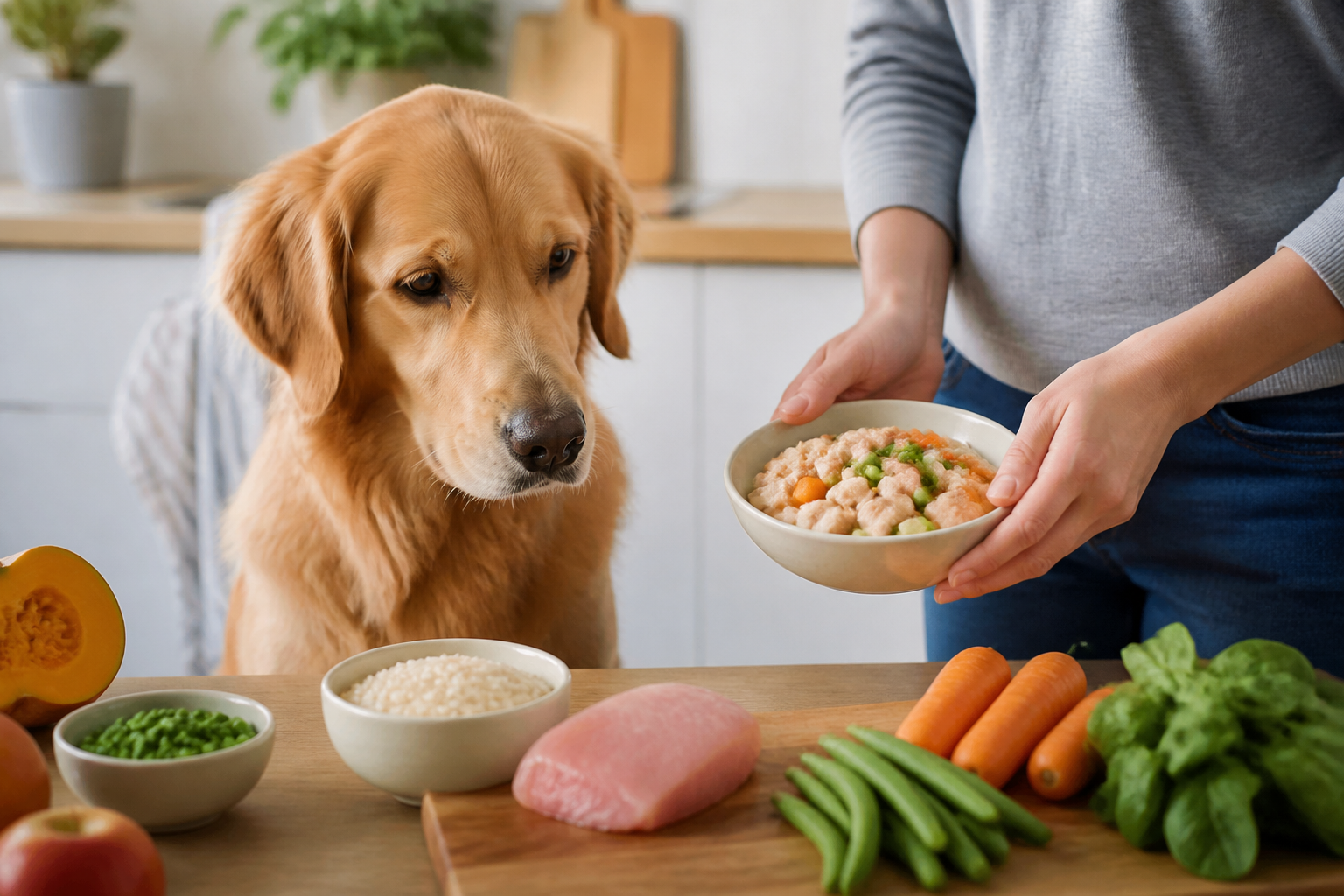
A simple protein and carbohydrate mix is the most reliable choice. Plain boiled chicken breast with white rice is a classic combination. It is easy on the gut and provides immediate energy. If you do not have chicken, plain scrambled eggs are an excellent alternative. Always ensure the eggs are fully cooked to avoid the risk of bacteria.
Vegetables can add bulk and fiber to a homemade meal. Cooked carrots, green beans, and peas are generally well-tolerated. Avoid using canned vegetables that contain high levels of sodium. If you use canned items, rinse them thoroughly under cold water first.
Quick Answer: If you are out of dry food, you can feed your dog a 50/50 mix of a lean protein like boiled chicken or scrambled eggs and a bland starch like white rice or plain oatmeal. Always ensure these items are unseasoned and free of onions, garlic, or excessive salt.
Safe Pantry Staples
- Lean Proteins: Boiled chicken, turkey, or lean ground beef (drained of fat).
- Eggs: Scrambled or hard-boiled without butter or salt.
- Grains: Cooked white rice, brown rice, or plain oatmeal.
- Vegetables: Plain canned pumpkin (not pie filling), steamed broccoli, or sliced cucumbers.
- Fruits: Sliced apples (no seeds or core) and blueberries.
Key Takeaway: Emergency meals are meant for short-term use. They often lack the essential vitamins and minerals found in complete and balanced commercial diets. Return to a formulated pet food as soon as possible to ensure long-term health.
Commercial Alternatives to Kibble
Many owners want to move away from dry kibble permanently. While kibble is convenient, it is heavily processed and low in moisture. There are several categories of dog food that provide a "fresher" experience while still being easy to serve. Browse our dog food category to compare commercial alternatives.
Wet and Canned Foods
Canned food is the most common alternative to dry food. It has a high moisture content, which is excellent for hydration and kidney health. Brands like Tiki Cat or Weruva offer options with shredded meats that look like actual food rather than a processed loaf. Wet food is often more palatable for picky eaters or senior dogs with dental issues.
Dehydrated and Freeze-Dried Options
If you want the convenience of a shelf-stable product with the nutrition of raw food, dehydrated or freeze-dried diets are a great choice. The Honest Kitchen's dehydrated dog food specializes in dehydrated food that you simply mix with warm water. This creates a porridge-like meal full of whole food ingredients.
Freeze-dried food, like the options from Stella and Chewy's or Vital Essentials, removes moisture while the food is frozen. This preserves almost all the natural nutrients and enzymes. You can feed these as full meals or use them as toppers to entice a reluctant eater.
Air-Dried Dog Food
Air-drying is a process that slowly removes moisture at low temperatures. This results in a jerky-like texture that many dogs love. Our selection of Ziwi Peak dog food includes air-dried options. Their recipes are very nutrient-dense, meaning you often feed much smaller portions compared to kibble. It provides the benefits of a raw diet without the mess or the need for a freezer.
Understanding Nutritional Balance
When you move away from dry food, you must ensure the new diet is "complete and balanced." This means it contains the specific ratio of proteins, fats, vitamins, and minerals required by the Association of American Feed Control Officials (AAFCO).
If you are feeding a homemade diet for more than a few days, your dog could develop nutritional deficiencies. Calcium is a common missing link in homemade meals. Commercial foods include ground bone or supplements to account for this.
For dogs with specific health needs, such as kidney disease or severe food allergies, a specialized diet is necessary. We carry brands like Farmina Vet Life that are formulated for these conditions. Our warehouse in Vernon Hills stocks a wide range of these specialized options to ensure every dog has access to the right fuel.
Vet Tip: Before switching your dog to a permanent homemade or alternative diet, consult your veterinarian. They can help you determine if the new food meets your dog's life stage requirements, especially if your dog is a growing puppy or a senior managing a chronic condition.
The Role of Prescription Diets and the Pharmacy
Sometimes a dog stops eating dry food because of an underlying medical issue. Digestive sensitivities, skin allergies, or urinary tract problems may require more than just a brand change. In these cases, your vet might prescribe a therapeutic diet.
Through our partnership with Pet's Choice, we offer a pet pharmacy for dogs that carries FDA-approved medications and prescription pet foods. This includes brands like Royal Canin and Farmina Vet Life. If your vet determines that your dog needs a specific diet to manage a condition, you can fulfill that prescription through us. Having access to a pharmacy alongside your regular supplies makes it easier to manage a pet with complex health needs.
Common Reasons for Prescription Diets
- Food Sensitivities: Limited ingredient diets or hydrolyzed protein formulas.
- Weight Management: Low-calorie, high-fiber diets that keep dogs feeling full.
- Joint Support: Foods enriched with high levels of Omega-3 fatty acids and glucosamine.
- Urinary Health: Controlled mineral levels to prevent crystal and stone formation.
Bottom line: Medical conditions often dictate what a dog can eat, and a prescription diet from a trusted pharmacy may be the safest alternative to standard kibble.
How to Safely Transition Your Dog
A sudden change in diet can lead to diarrhea, vomiting, or a total refusal to eat. Dogs have sensitive digestive systems that need time to adapt to new proteins and fat levels. Whether you are moving to wet food, dehydrated food, or a homemade mix, use a gradual approach. For another perspective, read how to switch from dry to wet dog food.
Step 1: Mix 25 percent of the new food with 75 percent of the old food. / Do this for at least two days while monitoring your dog's stool consistency.
Step 2: Increase to a 50/50 split for another two days. / If your dog seems gassy or has soft stool, stay at this level for an extra day or two.
Step 3: Move to 75 percent new food and 25 percent old food. / This is usually the stage where you will see if the new diet truly agrees with your dog's skin and energy levels.
Step 4: Transition to 100 percent of the new food. / Continue to monitor your dog's weight over the next month to ensure the calorie count is appropriate.
Transition Checklist
- Watch for signs of allergies like itchy skin or ear infections.
- Measure portions carefully as alternative foods are often more calorie-dense.
- Keep fresh water available at all times, especially if moving to a high-protein air-dried food.
- Note any changes in energy or coat shine.
Foods That Are Never Safe for Dogs
While many human foods are great alternatives to kibble, some are highly toxic. Even a small amount of certain ingredients can cause organ failure or life-threatening reactions. Never include these in your dog's bowl.
Grapes and raisins are at the top of the danger list. They can cause sudden kidney failure in dogs. Onions, garlic, and chives are also dangerous as they damage a dog's red blood cells. Even powdered versions of these spices can be harmful.
Xylitol is another major concern. This artificial sweetener is found in some peanut butters, sugar-free gums, and baked goods. It causes a rapid drop in blood sugar and can lead to liver failure. Always check the ingredient label of your peanut butter before sharing a spoonful with your pet.
Toxic Foods List
- Alliums: Onions, garlic, leeks, and chives.
- Grapes and Raisins: Can cause permanent kidney damage.
- Chocolate and Caffeine: Lead to heart racing and tremors.
- Macadamia Nuts: Cause weakness, vomiting, and tremors.
- Cooked Bones: These can splinter and puncture the digestive tract.
- Alcohol: Extremely toxic to the canine liver and brain.
Enhancing the Meal Without Replacing It
You may find that you do not need to replace dry food entirely. Sometimes, adding a "mixer" or "topper" provides the benefits of fresh food while keeping the cost and convenience of kibble. This is a popular middle ground for many pet owners. For more ideas, explore what you can add to your dog's dry food.
Adding a splash of goat milk or bone broth to dry food provides essential moisture and probiotics. Brands like Open Farm offer high quality bone broths specifically for pets. This softens the kibble and makes it much more appealing to picky eaters. You can also browse Open Farm products for meal options and toppers.
Fresh toppers like sardines (in water, no salt) or a spoonful of plain Greek yogurt can provide a boost of Omega-3s and calcium. This allows you to customize your dog's nutrition without the labor of a fully homemade diet.
Key Takeaway: You can improve your dog's nutrition by adding fresh, whole-food toppers to their existing dry food, which provides many of the benefits of a fresh diet with less hassle.
Conclusion
Finding the right food for your dog involves a balance of nutrition, convenience, and budget. Whether you are facing an emergency kibble shortage or looking to upgrade to a premium air-dried or freeze-dried diet, there are plenty of safe options available. Our warehouse and online store carry over 500 trusted brands to ensure you find exactly what your dog needs. Remember to transition slowly and consult your vet for any major dietary shifts. If your pet requires a specialized diet for a health condition, our pharmacy partnership is here to help with prescription-grade nutrition. For the best value on your favorite brands, consider joining the MVP Rewards programme or setting up our Autoship programme to ensure you never run out of food again.
FAQ
Can I feed my dog human food instead of dog food every day?
While you can feed your dog many types of human food, it is difficult to provide a balanced diet without professional guidance. Long-term feeding of unsupplemented human food can lead to serious nutritional deficiencies in vitamins like calcium and D3. It is best to use human food as a temporary fix or as a small portion of a diet formulated by a pet food manufacturer.
Is it okay to feed my dog wet food only?
Yes, a dog can live a healthy life on a wet-only diet as long as the food is labeled as "complete and balanced." Wet food provides excellent hydration and is often easier for dogs to digest than dry kibble. However, you should monitor your dog's dental health, as wet food does not provide the same mechanical scraping action on teeth that crunchy kibble does.
What is the healthiest thing to add to a dog's food?
Some of the healthiest additions include plain canned pumpkin for digestion, fresh blueberries for antioxidants, and plain sardines for heart-healthy Omega-3 fatty acids. Bone broth made specifically for pets is also an excellent addition because it adds moisture and supports joint health. Always introduce new additions in small amounts to avoid upsetting your dog's stomach.
How do I know if a new food is agreeing with my dog?
The most reliable signs of a good dietary match are firm stools, a shiny coat, and steady energy levels. If your dog develops gas, loose stool, itchy skin, or dull fur, the new food may have an ingredient that does not suit them. It usually takes about three to four weeks to see the full impact of a diet change on a dog's skin and coat.






