
 Save 15% on your 1st Autoship learn more

 Email us
 Live Chat
 FAQs
FAQs





Introduction
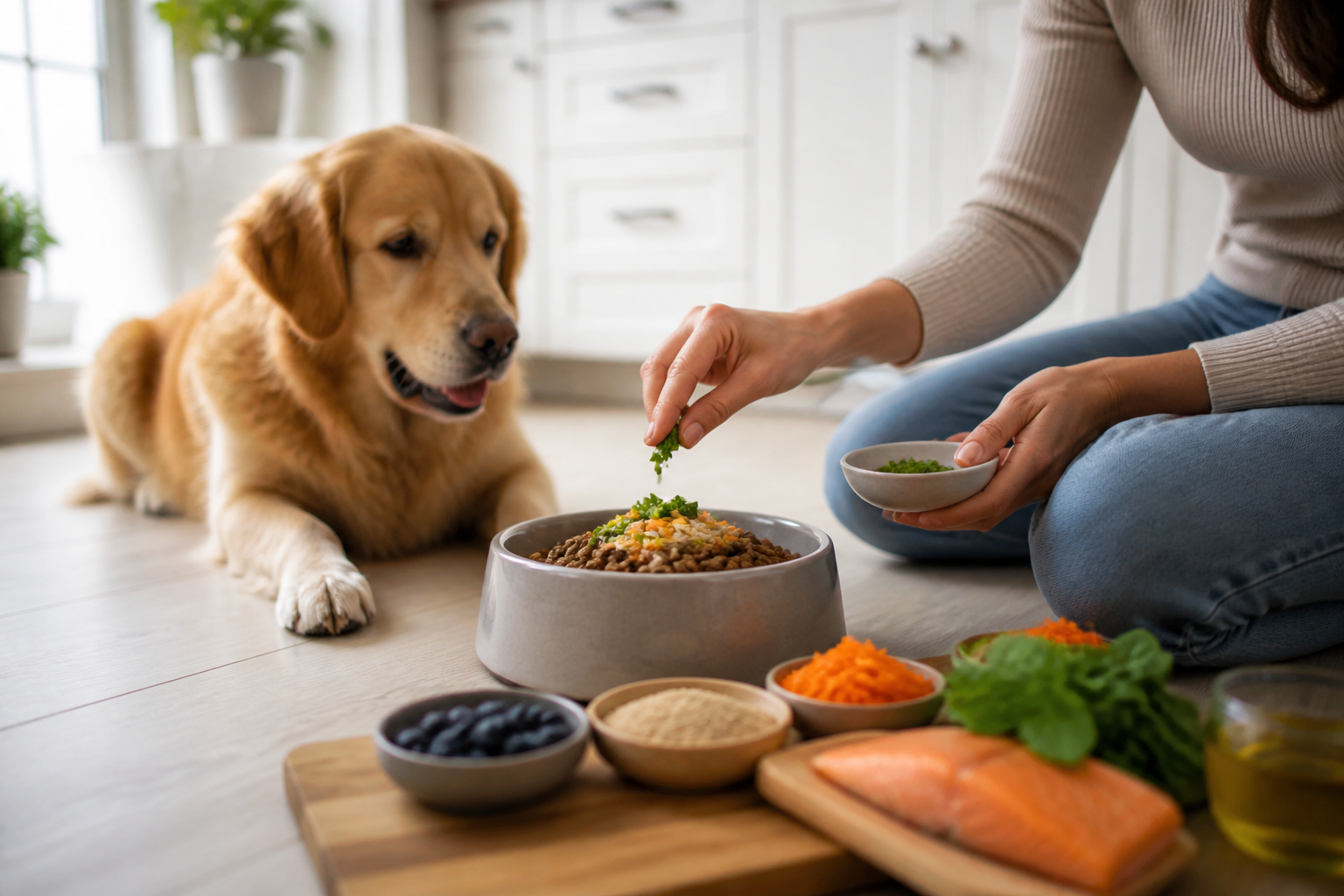
You stand over your dog's bowl, looking at the same scoop of brown kibble they have eaten for months. Your dog might look back at you with a lack of enthusiasm, or perhaps they have started to leave half their dinner behind. Many pet owners reach this point and wonder if there is a better way to provide variety and nutrition without breaking the bank on a total diet change. At BaxterBoo, we believe that mealtime should be the highlight of your dog's day. Adding fresh, whole foods or specialized toppers to dry dog food can bridge the gap between basic nutrition and a thriving lifestyle. This article covers the best healthy add-ins, safety guidelines for portioning, and how to use boosters to support specific health goals. Enhancing your dog's bowl is a simple way to show them love while supporting their long-term wellness.
Quick Answer: You can safely add high-quality proteins like eggs and sardines, hydrating liquids like bone broth, or nutrient-dense vegetables like pumpkin to dry dog food. These additions should generally not exceed 10 to 25 percent of your dog's total daily calories to maintain a balanced diet.
The Golden Rule of Meal Additions
Before you start raiding your refrigerator, it is important to understand the balance of your dog's diet. Most commercial kibbles are formulated to be complete and balanced. This means they contain the exact ratio of vitamins and minerals your dog needs. When you add outside food, you risk diluting those nutrients or adding too many calories.
Most experts recommend that "extras" make up no more than 10 percent of the daily caloric intake. If you are adding a complete and balanced topper, such as a wet food or a freeze-dried raw mixer, you can often go higher, up to 25 percent. Always reduce the amount of dry kibble accordingly so your pet stays at a healthy weight. For ready-to-use options, explore our dog food toppers.
Key Takeaway: Variety is great for flavor and nutrition, but keep additions to a small portion of the overall meal to avoid weight gain or nutritional imbalances.
High-Quality Protein Boosters
Protein is the building block of your dog's muscles, skin, and immune system. While kibble contains protein, it is often heavily processed at high temperatures. Adding a fresh protein source can provide amino acids in a more bioavailable form.
The Incredible Egg
Eggs are one of the most complete sources of protein available. They are also affordable and easy to prepare. You can serve them scrambled, hard-boiled, or even raw if you trust the source. Some owners even crush the shell into the food for a calcium boost, though the membrane on the inside of the shell is where many joint-supporting nutrients live.
Lean Muscle Meats
If you have leftover chicken, turkey, or lean beef, these make excellent toppers. Ensure the meat is plain and cooked without onions, garlic, or excessive salt. If you prefer raw feeding, ensure the meat is handled safely to prevent bacterial contamination.
Organ Meats
Liver, heart, and gizzards are nutrient powerhouses. They contain high levels of Vitamin A, B vitamins, and taurine. However, a little goes a long way. Too much liver can cause vitamin A toxicity or digestive upset. Think of organ meats as a garnish rather than a main course.
Hydration and Liquid Toppers
Dry dog food typically contains only about 10 percent moisture. Dogs in the wild would get a significant amount of hydration from their prey. Adding liquid to kibble can support kidney function and make the food easier to digest. For another way to add moisture and variety, compare wet and dry dog food options.
Bone Broth
This is a favorite at our warehouse for a reason. Real bone broth is packed with collagen and glycine, which support joint health and gut integrity. Ensure the broth is specifically made for pets or is a low-sodium human version without onions or garlic.
Goat Milk and Kefir
Raw goat milk is often called universal milk because it is highly digestible for most mammals. It provides probiotics that support a healthy gut microbiome. Kefir is another great fermented option that can help dogs with sensitive stomachs or those prone to gas.
Pure Filtered Water
If you are on a budget, simply adding a quarter cup of warm water to kibble can do wonders. It releases the aromas of the fats in the food, making it more enticing for picky eaters. It also creates a natural gravy that coats every piece.
Vet Tip: Increasing moisture intake is particularly important for senior dogs or those with a history of urinary tract issues. Consult your veterinarian to see if a liquid-heavy diet is right for your pet's specific health needs.
Fruits and Vegetables for Antioxidants
Vegetables provide fiber and phytonutrients that are often missing from processed dry food. Since dogs have a shorter digestive tract than humans, they cannot always break down the cell walls of raw vegetables. To get the most benefit, it is best to steam, puree, or finely grate them.
| Add-in | Primary Benefit | Preparation Tip |
|---|---|---|
| Pumpkin Puree | Digestion and fiber | Use plain canned pumpkin, not pie filling. |
| Blueberries | Antioxidants | Feed fresh or frozen as a sweet topper. |
| Green Beans | Weight management | Use as a "filler" to help dogs feel full. |
| Carrots | Vitamin A and eye health | Steam and mash for better absorption. |
| Spinach | Iron and Vitamin K | Chop finely and steam lightly. |
The Power of Berries
Blueberries, strawberries, and raspberries are low-calorie treats that fight oxidative stress. They are especially beneficial for aging dogs to help maintain cognitive function.
Digestive Support with Pumpkin
Plain canned pumpkin is a staple in many pet households. It works for both constipation and loose stools by regulating moisture in the colon. Just one tablespoon for a medium-sized dog can make a significant difference in their digestive comfort.
Seafood and Omega-3 Fatty Acids
Omega-3 fatty acids are essential for maintaining a shiny coat and reducing inflammation. Since these fats can go rancid quickly, they are sometimes lacking in older bags of kibble.
Canned Sardines
Look for sardines packed in water with no added salt. These small fish are low on the food chain, meaning they have lower mercury levels than larger fish like tuna. Half a sardine for a small dog or one or two for a large dog provides a massive hit of EPA and DHA.
Fish Oils
If you do not want the mess of whole fish, a high-quality salmon or pollock oil is a great alternative. Store these in the refrigerator to keep the oils fresh. These oils support brain development in puppies and ease joint stiffness in seniors.
Specialized Toppers and Supplements
Sometimes, a dog needs more than just a flavor boost. If your dog is managing a chronic condition, you might look for additions that serve a medical or therapeutic purpose. Browse our freeze-dried food toppers for convenient meal mixers.
Our BaxterBoo pharmacy, operated through our partnership with Pet's Choice, provides a range of prescription diets and FDA-approved medications that can be integrated into a feeding plan. If your veterinarian has prescribed a therapeutic diet for kidney, heart, or urinary health, you must be careful about what you add. Some toppers can interfere with the precise mineral balance of these specialty foods.
For dogs with severe allergies or joint decline, supplements like Cosequin or specialized skin and coat formulas can be mixed directly into the kibble. Using a bit of wet food or bone broth can help powder or pill supplements stick to the dry food so they aren't left at the bottom of the bowl.
Bottom line: Always talk to your vet before adding supplements to a therapeutic or prescription diet to ensure you are not counteracting the benefits of the medicine.
How to Introduce New Foods Safely
A sudden change in diet can lead to "the runs" or a tummy ache. Use a slow approach whenever you introduce a new topper to the bowl.
Step 1: Choose one ingredient. / Do not add eggs, sardines, and pumpkin all on the same day.
Step 2: Start with a teaspoon. / Give a tiny amount for the first two days to check for allergies or sensitivity.
Step 3: Monitor the stool. / If your dog's bathroom habits stay normal, you can slowly increase the amount.
Step 4: Rotate for variety. / Switch between different proteins and veggies every few weeks to keep your dog interested and provide a wider range of nutrients.
Managing Picky Eaters
If your dog has suddenly become picky, first rule out any dental issues or underlying health concerns with a vet visit. Once health is confirmed, you can use toppers strategically. For additional ideas, read our guide to dry dog food for picky eaters.
Some dogs are "surface eaters" who will lick the topper off and leave the kibble. In these cases, mix the additions thoroughly. Using something sticky, like plain Greek yogurt or a bit of wet canned food, ensures the dog has to eat the kibble to get to the "good stuff."
We carry brands like Stella & Chewy's and The Honest Kitchen that make freeze-dried "dust" or meal mixers specifically for this purpose. These are designed to be highly palatable and can often entice even the most stubborn eaters.
Budget-Friendly Strategies
You do not need to buy expensive boutique products to improve your dog's meal. Many of the best additions are items you already have.
- Save the water from steaming your own vegetables to pour over kibble.
- Freeze small bits of fruit or meat in ice cube trays with water for a "kibble crouton."
- Buy larger containers of plain yogurt or kefir and freeze them in dollops to use throughout the month.
- Check our Frequent Buyer Program. Many brands provide a free bag or case after a certain number of purchases, which helps offset the cost of premium toppers.
Safety Warnings: What Never to Add
While many human foods are safe, some are toxic even in small amounts. Never add the following to your dog's dry food:
- Onions, garlic, chives, or leeks (can cause anemia).
- Grapes and raisins (can cause kidney failure).
- Chocolate or caffeine.
- Xylitol (often found in "sugar-free" peanut butters or yogurts).
- Macadamia nuts.
- Cooked bones (these can splinter and cause internal damage).
Key Takeaway: Always read the labels of human food products like peanut butter or yogurt to ensure they do not contain Xylitol or excessive sodium.
Enhancing Your Dog's Lifestyle
Feeding your dog is about more than just calories. It is an opportunity to support their health from the inside out. Whether you are adding a scoop of Open Farm bone broth or a simple scrambled egg, these small changes can lead to a shinier coat, more energy, and better digestion.
At BaxterBoo, we have been helping pet owners find the right balance since 2006. Our curated selection of over 500 brands ensures you have access to the best toppers, treats, and supplements on the market. If you are looking for a convenient way to keep your dog's favorites in stock, our Autoship programme offers savings on every order and a free MVP Gold membership.
If your dog's needs go beyond basic nutrition, remember that our pharmacy is here to help with FDA-approved medications and prescription diets. Always consult your veterinarian before making significant changes to a pet's diet, especially if they have ongoing health concerns.
Bottom line: Adding fresh, whole-food toppers is an easy, effective way to turn basic kibble into a nutritious, hydrating, and exciting meal.
FAQ
Can I add milk to my dog's dry food?
While some dogs can handle small amounts of cow's milk, many are lactose intolerant and will experience gas or diarrhea. A better alternative is goat's milk or plain, unsweetened kefir. These contain lower levels of lactose and provide beneficial probiotics that support gut health.
Is it okay to mix wet and dry dog food every day?
Yes, mixing wet and dry food is a great way to provide variety and extra hydration. Just make sure both foods are labeled as "complete and balanced" for your dog's life stage. Be sure to calculate the total calories to ensure you are not overfeeding your dog when combining the two.
Can I add raw eggs to kibble?
You can add raw eggs, but there is always a small risk of salmonella for both the dog and the people handling the food. Raw egg whites also contain avidin, which can interfere with biotin absorption over a long period. Cooking the egg lightly or only feeding raw eggs occasionally is generally considered safer.
What should I add to my dog's food for a shiny coat?
The best additions for skin and coat health are sources of Omega-3 fatty acids. Canned sardines in water, salmon oil, or even a small amount of coconut oil can help. These healthy fats reduce inflammation and provide the nutrients needed for a glossy, soft coat.






