
 Save 15% on your 1st Autoship learn more

 Email us
 Live Chat
 FAQs
FAQs





Introduction
Your dog is scratching again. You just finished a round of ear drops, but the paws are already red from constant licking. This cycle of itching and digestive upset often points to a common culprit in the bowl. Chicken is the most widely used protein in the pet industry, but it is also a frequent allergen for many pups. At BaxterBoo, we help owners navigate these sensitivities every day by finding high-quality alternatives that keep tails wagging without the irritation.
This article covers how to identify hidden chicken ingredients and which alternative proteins work best for sensitive systems. For a broader look at options, start with our chicken-free dry dog food collection. We will also look at how to manage chronic allergies with the help of professional guidance and the right diet. Finding a chicken-free dry food is the first step toward a happier, more comfortable pet.
Why Many Dogs Need a Chicken-Free Diet
Chicken is often the go-to protein because it is affordable and lean. However, its overexposure in the pet food world has led to an increase in sensitivities. When a dog eats the same protein for years, their immune system can eventually begin to overreact. This results in the classic signs of food allergies that many owners recognize.
Common symptoms of a chicken sensitivity include:
- Chronic ear infections that keep returning.
- Itchy skin, especially around the face, paws, and underarms.
- Red, inflamed skin or "hot spots."
- Gastrointestinal issues like gas, bloating, or soft stools.
- Frequent paw licking or chewing.
Quick Answer: Dry dog foods that do not contain chicken use alternative proteins like beef, lamb, fish, or venison. Owners must check labels carefully for hidden ingredients like chicken fat, natural flavors, or poultry meal.
The Difference Between Allergy and Intolerance
It is helpful to know if your dog has a true allergy or just a food intolerance. A true allergy involves the immune system. It usually shows up as skin irritation and itching. An intolerance is a digestive issue. This might mean your dog simply cannot process chicken well, leading to an upset stomach. Both issues are solved by removing the trigger from their daily meals.
Vet Tip: If your dog has severe or ongoing skin issues, consult your veterinarian to rule out environmental factors. They may recommend a supervised elimination diet to confirm if chicken is the true cause of the distress.
How to Read Labels for Hidden Chicken
Finding a bag that says "Beef Formula" on the front is not enough. Many manufacturers use chicken-based ingredients as secondary fillers or flavor enhancers. You must become a bit of a detective when looking at the ingredient list.
Common "Hidden" Chicken Ingredients
Even premium brands might include these items to save on costs or improve palatability:
- Chicken Fat: This is often added for omega fatty acids. While some allergic dogs tolerate pure fat, many still react to the trace proteins left behind.
- Poultry Meal: This is a generic term. If it does not specify the bird, it likely contains chicken.
- Natural Flavors: These are often derived from chicken or liver. Unless the label states the source is beef or fish, assume it could contain chicken.
- Chicken Liver: This is a common palatant in dry kibble.
- Chicken Broth: Used to add moisture and flavor during the cooking process.
Look for "Single Protein" or "Limited Ingredient"
The easiest way to avoid hidden triggers is to look for Limited Ingredient Diets (LID). These recipes focus on a single animal protein source. If you want to compare protein-limited formulas, browse our dog healthcare collection. They make it much easier to track exactly what your dog is eating.
Key Takeaway: Never rely on the front of the bag alone. Always check the full ingredient list for terms like "poultry," "animal fat," or "natural flavors" which often hide chicken sources.
Top Protein Alternatives to Chicken
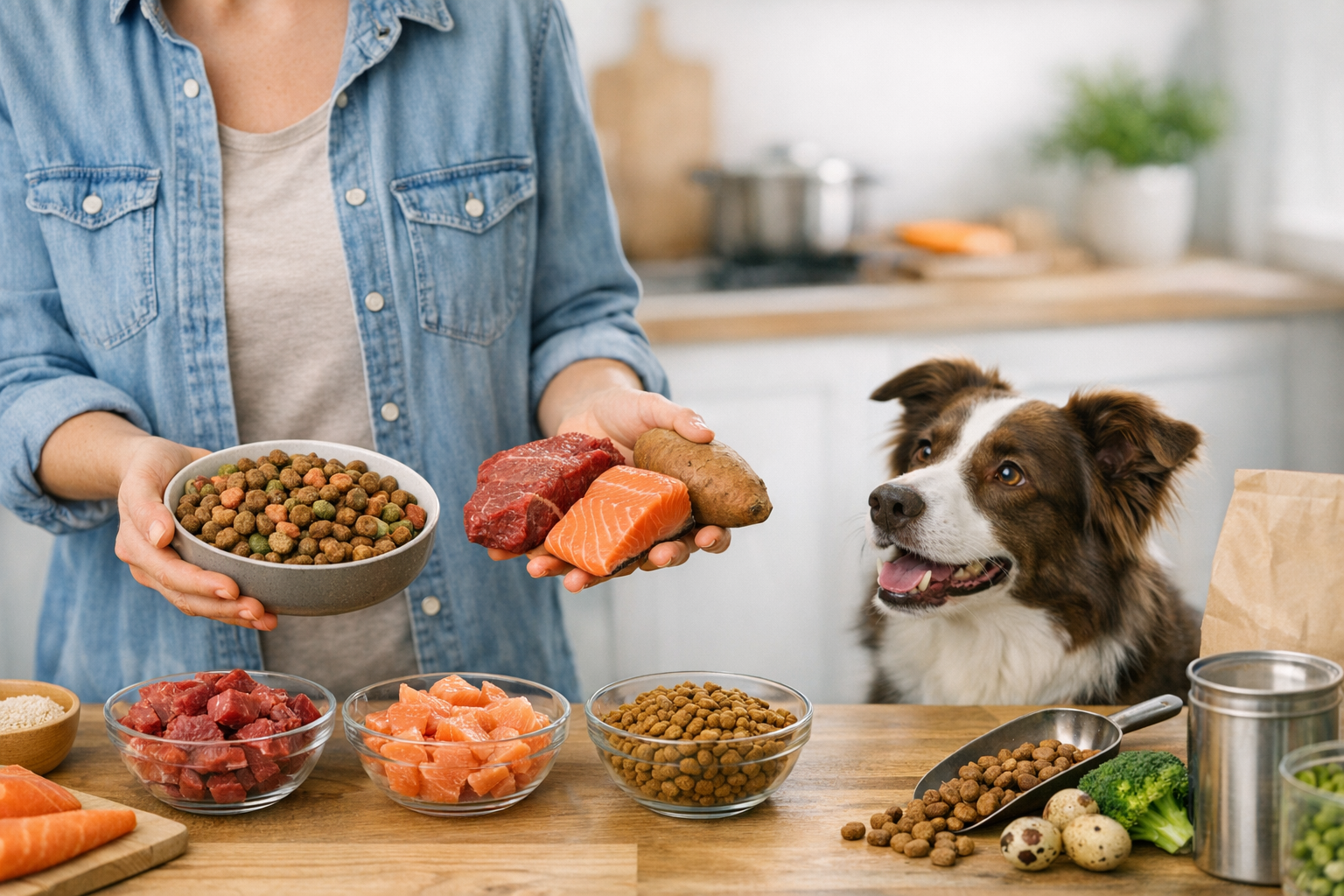
When you move away from chicken, a world of nutritious proteins opens up. Each one offers different benefits for your dog's health and energy levels.
| Protein Source | Best For | Key Benefits |
|---|---|---|
| Beef | Active Dogs | Rich in iron, zinc, and B vitamins for muscle maintenance. |
| Lamb | Sensitive Stomachs | Easy to digest and high in essential amino acids. |
| Salmon/Whitefish | Skin and Coat | Loaded with Omega-3 fatty acids to reduce inflammation. |
| Venison/Rabbit | Severe Allergies | Novel proteins that most dogs have never been exposed to. |
| Turkey | Weight Management | A lean poultry alternative that is different enough from chicken for some dogs. |
Red Meats: Beef and Lamb
Beef is a powerhouse of nutrition. It provides the amino acids needed for strong muscles and healthy joints. Lamb is often considered the classic "hypoallergenic" meat. It is slightly higher in fat, which can be great for dogs with dry skin. We carry several lamb-based options from our selection of NutriSource products.
Fish: Salmon, Whitefish, and Herring
Fish-based diets are excellent for dogs with "itchy" coats. The natural oils in fish help rebuild the skin barrier. Our selection of Orijen products includes high-protein fish recipes that are often the most fragrant foods, which is a bonus for picky eaters who need a little extra encouragement.
Novel Proteins: Venison and Rabbit
If your dog has failed on beef or lamb, you might need a novel protein. These are meats your dog has likely never eaten before. Venison, rabbit, and even bison fall into this category. Because the body does not recognize the protein, it is less likely to trigger an immune response.
Bottom line: Choosing a protein like lamb or fish provides a safe alternative for dogs with chicken sensitivities while supporting skin health.
Managing Allergies Through the Pharmacy
Sometimes a change in food is not the only step needed. For dogs with severe, long-term allergies, the skin may be damaged or infected. This requires medical intervention to clear up the inflammation so the new food can do its work.
Our pharmacy provides a direct way to manage these chronic conditions. Through our pet pharmacy through Pet's Choice, we offer prescription support your vet may recommend for allergy relief. This includes specialized shampoos, ear treatments, and oral medications that stop the "itch-scratch cycle."
Prescription Diets
In some cases, your vet might suggest a prescription diet. These are often hydrolyzed protein diets. In these foods, the protein is broken down so small that the immune system cannot detect it. We carry prescription options like Farmina Vet Life through our pharmacy services. These are specifically formulated for dogs with extreme food hypersensitivities.
Vet Tip: Prescription diets and medications require a valid script from your veterinarian. Always talk to your vet before starting any medical treatment for your pet's skin or digestive issues.
The Role of Grains in a Chicken-Free Diet
There is often a misunderstanding that chicken-free must also mean grain-free. This is not always true. While some dogs are sensitive to corn or wheat, most food allergies are caused by the protein source.
Grain-Inclusive Options
Many high-quality dry foods use wholesome grains like brown rice, oatmeal, or barley alongside beef or lamb. These provide necessary fiber for digestion. To explore more dry formulas, visit our dog food category. Brands like PureVita offer fantastic grain-inclusive, chicken-free recipes.
Grain-Free Options
If your dog also has a sensitive stomach, grain-free might be the way to go. These recipes usually use lentils, chickpeas, or sweet potatoes for carbohydrates. If you are comparing more limited-ingredient choices, this sensitive skin dog food guide is a helpful next read.
How to Successfully Transition to New Food
You cannot swap your dog's food overnight. Their digestive system needs time to adjust to the new protein and fat levels. A sudden change can cause diarrhea or vomiting, which might make you think the new food is the problem when it is actually just the speed of the switch.
Follow these steps over seven to ten days:
- Step 1: The Introduction. / Mix 25% of the new chicken-free food with 75% of the old food for two to three days.
- Step 2: The Halfway Mark. / Move to a 50/50 split of the new and old food for another two to three days.
- Step 3: The Final Stretch. / Use 75% of the new food and 25% of the old food for the last few days.
- Step 4: Full Transition. / Feed 100% of the new chicken-free diet and monitor your dog's skin and stool.
It can take up to eight weeks to see the full benefits of a new diet. The skin takes time to heal, and old allergens need to leave the system. Be patient and stick to the plan.
Key Takeaway: A slow transition prevents digestive upset and allows you to accurately monitor how your dog reacts to the new protein source.
If you want a more detailed switching plan, our guide to changing dog food gradually is a useful companion resource.
Don't Forget Treats and Toppers
A common mistake is switching the dry food but continuing to give chicken-based treats. Even a small piece of a chicken jerky treat can trigger a sensitive dog. You must clear out the pantry and ensure everything your dog eats is chicken-free.
Safe Treat Options
Look for single-ingredient treats. Freeze-dried beef liver, dried sweet potato, or salmon skins are excellent choices. We carry a wide variety of these in our warehouse from brands like our selection of NutriSource products and other trusted names.
Toppers for Picky Eaters
If your dog misses the taste of their old food, try a topper. Beef bone broth or a scoop of canned lamb can make the new dry food much more appealing. Just ensure the broth is specifically made for pets and does not contain hidden onions or garlic.
The Benefits of Rotation Feeding
Once you find a few proteins your dog likes, consider rotating them. For example, you might feed a bag of beef-based food and then switch to a bag of salmon-based food. This prevents your dog from becoming bored and reduces the chance of them developing a new allergy to a single protein.
Many of our customers use our Autoship programme to manage this. You can set your favorite chicken-free brands on a schedule and even swap flavors between deliveries. This ensures you never run out and helps you save on every order.
Shopping at BaxterBoo for Sensitive Dogs
Since 2006, we have focused on curating the best products for pets with specific needs. We understand that your dog is a family member. You want to give them the best possible care without overpaying.
Our warehouse in Vernon Hills stocks over 500 brands. Every bag of food is handled by people who love animals. Whether you are looking for a rare novel protein or a reliable lamb and rice formula, we have the selection you need. Plus, the MVP Rewards programme helps you earn money back on the food you buy every month.
Bottom line: Success in managing a chicken allergy comes from consistency in their food, treats, and any necessary medical support from a professional.
Summary of Chicken-Free Living
Living with a chicken-allergic dog does not have to be difficult. By focusing on clear labels and high-quality alternative proteins, you can resolve most itching and digestive issues.
- Check every label for hidden chicken fat or poultry meal.
- Transition slowly to a new protein like beef, lamb, or fish.
- Remove all chicken-based treats and table scraps.
- Use the pharmacy for medications if skin infections are present.
- Consider a rotation diet to keep the immune system stable.
If you are ready to make the switch, our chicken-free dry dog food collection is a great place to start. You can also explore our pet pharmacy through Pet's Choice for any prescription diet needs your vet has recommended.
FAQ
Can my dog eat turkey if they are allergic to chicken?
Many dogs with a chicken allergy can tolerate turkey because the proteins are different. However, some dogs are sensitive to all poultry. It is often safest to start with a completely different protein like beef or fish to see if symptoms clear up first.
Does chicken fat cause allergies in dogs?
Most food allergies are a reaction to the protein molecule. Pure fat should technically not contain protein, but in the pet food manufacturing process, trace amounts of protein often remain. For a highly sensitive dog, it is best to avoid chicken fat entirely to be safe.
How long does it take for a dog's skin to stop itching after switching food?
It usually takes about four to eight weeks to see a significant change in the skin and coat. The body needs time to flush out the old allergens and for the inflammation to subside. If you do not see improvement after two months, consult your vet about other possible allergies.
Is grain-free food better for dogs with chicken allergies?
Not necessarily. A chicken allergy is a reaction to the meat, not the grain. Unless your dog has a confirmed sensitivity to grains like corn or wheat, a grain-inclusive chicken-free food is a healthy and balanced option. Focus on the protein source first before worrying about the carbohydrate.






