
 Save 15% on your 1st Autoship learn more

 Email us
 Live Chat
 FAQs
FAQs





Introduction
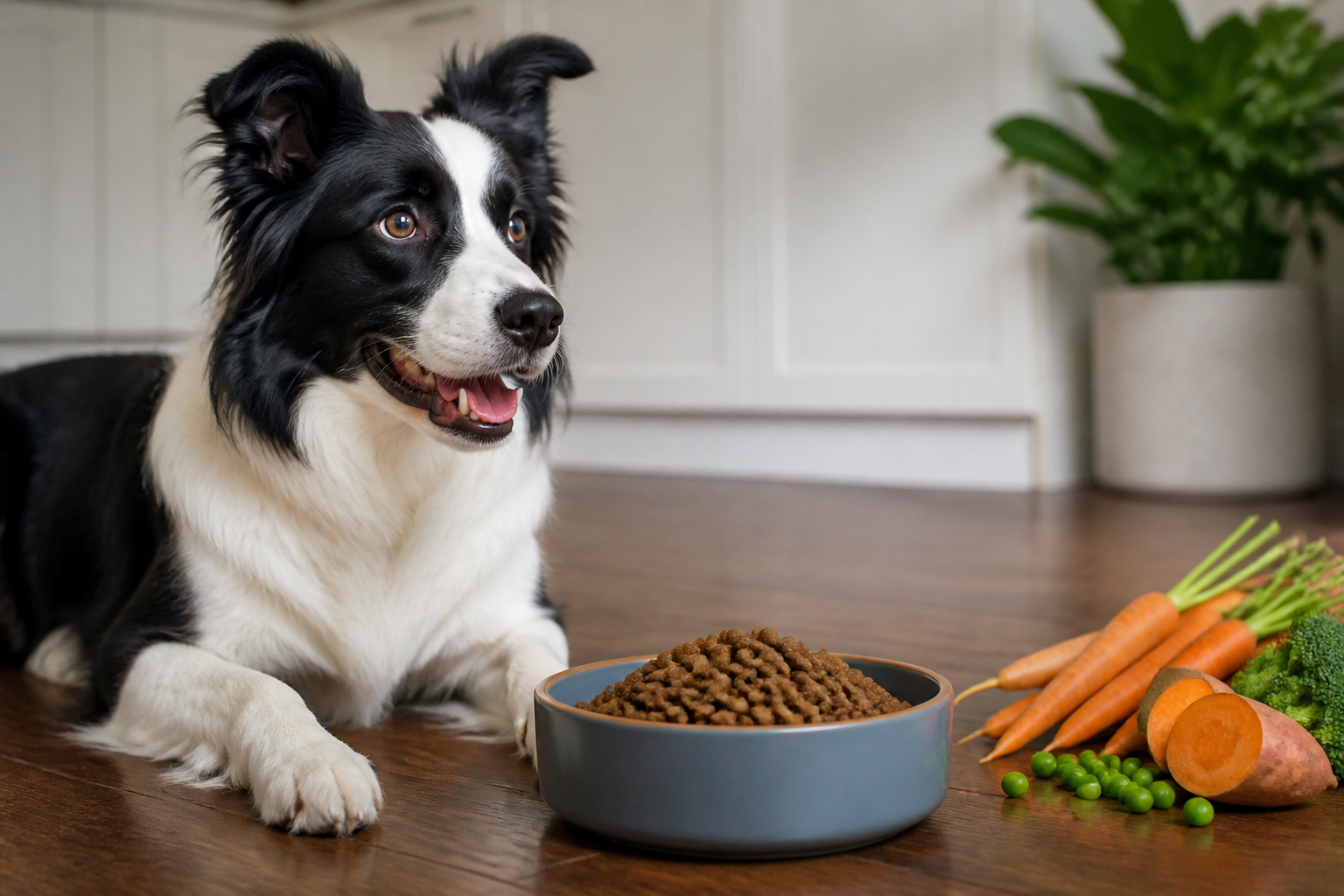
You watch your dog lick their paws until they are raw. You notice red, itchy ears that never seem to clear up despite constant cleaning. Many owners find themselves in this exact position, wondering if the bowl of food they provide every morning is actually the source of the problem. Chicken is one of the most common protein sources in the pet industry, but it is also a top allergen for many dogs. Finding a truly chicken-free kibble is harder than it looks because this protein often hides in the fine print of ingredient labels. At BaxterBoo, we have spent years helping pet parents navigate sensitivities by curating a selection of high-quality alternatives. This guide covers why dogs react to chicken, how to spot hidden poultry ingredients, and which specific red meat and fish recipes provide complete nutrition. Our goal is to help you find a meal that keeps your dog full without the itch.
Quick Answer: Dry dog foods without chicken typically use beef, lamb, fish, or novel proteins like venison or rabbit. To ensure a food is truly chicken-free, you must check the label for hidden ingredients like chicken fat, poultry meal, or natural chicken flavor.
Why Many Dogs Need a Chicken-Free Diet
Chicken is generally a lean and affordable protein, which is why it appears in the vast majority of dog foods on the market. However, because dogs are exposed to it so frequently, their immune systems can develop a hypersensitivity over time. This is not always a full-blown allergy. Sometimes it is a food sensitivity that causes chronic digestive issues like gas, loose stools, or a gurgly stomach.
When a dog has a true food allergy, their immune system overreacts to the protein molecules. This reaction often manifests on the skin. You might see your dog rubbing their face on the carpet or constantly scratching their armpits. If your dog suffers from recurring ear infections, a food allergy is often the underlying culprit. Switching to a diet that completely removes the offending protein allows the body to calm down and the skin to heal. For more ideas, explore our guide to sensitive skin dog food.
It is also common for owners to choose chicken-free options simply for variety. Rotating proteins can help prevent future allergies from developing. Feeding a range of beef, lamb, and fish ensures your dog gets a wider profile of amino acids and minerals. Whether you are managing a diagnosed allergy or just want to support a sensitive stomach, moving away from poultry can make a significant difference in your pet's daily comfort.
Vet Tip: If your dog is showing signs of severe itching, hair loss, or chronic diarrhea, consult your veterinarian before making a radical diet change. They can help rule out environmental allergies or pests like fleas and determine if a prescription diet from our pharmacy is necessary for a formal elimination trial.
How to Spot Hidden Chicken on the Label
Finding a bag that says "Beef Formula" on the front is not enough. The pet food industry often uses chicken as a secondary, cheaper protein source to bolster the protein percentage of a recipe. You must become a detective when reading the ingredient list. Many "lamb" or "beef" foods still contain chicken fats or meals further down the list. Our dog food category provides a place to compare different formulas.
Watch Out for General Terms
Avoid any food that uses vague terms like "poultry meal" or "animal fat." Poultry can mean chicken, turkey, or duck. "Animal fat" can be sourced from any slaughtered livestock. If your dog is highly sensitive, these generic ingredients are almost certain to trigger a reaction. Look for recipes that name the specific animal, such as "beef fat" or "pork meal."
The "Chicken Fat" Mystery
There is some debate about chicken fat. Pure fat does not contain the protein molecules that typically trigger an allergy. However, many dogs with extreme sensitivities still react to it because traces of protein can remain during processing. If you are doing a strict elimination diet, it is best to avoid chicken fat entirely. Look for foods that use sunflower oil, fish oil, or beef fat instead.
Natural Flavors and Broths
Chicken broth and "natural chicken flavor" are often added to kibble to make it more palatable for picky eaters. Even a small amount of these can cause issues for a dog with a confirmed allergy. Check the very end of the ingredient list for these additions.
Common Hidden Ingredients Checklist:
- Chicken meal (often found in "Red Meat" blends)
- Poultry by-product meal
- Chicken liver or hearts
- Chicken fat (sometimes listed as poultry fat)
- Natural poultry flavor
- Chicken broth or stock
Bottom line: Never rely on the marketing name on the front of the bag; always read the full ingredient panel to ensure no poultry products are included.
Best Red Meat Alternatives
Red meat recipes are excellent for active dogs because they are naturally rich in iron and B vitamins. These proteins are often very palatable, making them a good choice for dogs that have lost interest in their chicken-based kibble.
Beef-Based Recipes
Beef is a high-energy protein that is easy to find in chicken-free versions. Brands like Stella & Chewy’s offer raw-coated kibble options that use beef as the primary driver. These recipes often include organ meats like beef heart and liver, which are packed with nutrients that support heart health. Beef is also a great source of zinc, which helps maintain a strong immune system and healthy skin. Browse our selection of Stella & Chewy's products to compare available recipes.
Lamb for Sensitive Stomachs
Lamb has been the gold standard for sensitive dogs for decades. It is slightly higher in fat than chicken, which can be helpful for dogs that need to maintain weight. Many lamb and rice formulas are specifically designed for digestion. NutriSource and Farmina offer high-quality lamb recipes that avoid poultry cross-contamination. Lamb contains essential amino acids that support muscle maintenance and repair.
Bison and Venison
These are considered novel proteins for many dogs. Because most dogs have not been exposed to bison or venison, their immune systems are less likely to react. Bison is lean and offers a rich flavor that most dogs love. Venison is an excellent choice for dogs that need a low-fat protein but still require the nutrient density of red meat. ACANA and Orijen often feature these proteins in their regional, grain-free blends.
Key Takeaway: Red meats like beef, lamb, and bison provide dense nutrition and are generally easier on the systems of dogs that struggle with poultry-based proteins.
Fish-Based Diets for Skin and Coat Support
If your dog is scratching due to a chicken allergy, a fish-based diet can provide a double benefit. Not only does it remove the allergen, but it also provides high levels of Omega-3 fatty acids. These healthy fats act as natural anti-inflammatories, helping to soothe irritated skin and reduce redness from the inside out.
Salmon and Trout
Salmon is one of the most popular fish proteins. It is highly digestible and provides a significant boost to the coat's shine. Trout is a similar alternative that is often paired with salmon. These recipes usually include fish oil, which is a much safer fat source for allergic dogs than chicken fat. Open Farm and Zesty Paws offer options that focus on wild-caught or sustainably sourced fish. You can review our selection of Open Farm products for fish-based dog food options.
Whitefish and Herring
Whitefish is a very lean protein, making it ideal for senior dogs or those watching their weight. It is mild and easy on the stomach. Herring is a smaller fish that is incredibly nutrient-dense and low in heavy metals. Many premium brands use a combination of these fish to create a "marine" blend.
Why Fish Works
- Naturally high in EPA and DHA for brain and eye health.
- Supports a shiny, flake-free coat.
- Reduces joint inflammation in older dogs.
- Highly palatable for dogs that enjoy strong scents.
Key Takeaway: Fish-based dry foods are the best choice for dogs currently suffering from skin irritation or dull coats caused by food sensitivities.
Novel Proteins: Rabbit, Pork, and More
When a dog seems allergic to everything common, including beef and lamb, we look toward novel proteins. These are animal sources that are not typically found in standard grocery store dog food.
Pork
Pork is often overlooked but is actually very digestible and rarely causes allergic reactions in dogs. It is a "cooling" protein in some traditional nutritional circles, which can be helpful for dogs with "hot" skin issues. NutriSource PureVita has a pork and butternut squash recipe that is specifically formulated for limited ingredient needs.
Rabbit
Rabbit is a very lean, all-white meat that is highly nutritious. It is often used in specialized diets for dogs with extreme allergies. Because it is more expensive to source, you will usually find it in premium brands like Stella & Chewy's or as part of a limited ingredient line. It is an excellent choice for dogs that need to lose weight while managing allergies.
Goat and Boar
For the most challenging cases, proteins like goat or wild boar are available. These are very distinct from the proteins found in standard commercial diets. They provide a unique nutrient profile and are usually processed in facilities with very strict cross-contamination protocols.
Bottom line: Pork and rabbit are excellent "next step" proteins for dogs that have failed to improve on beef or lamb diets.
Limited Ingredient Diets (LID)
A Limited Ingredient Diet is designed to minimize the number of components your dog is exposed to. Instead of a recipe with twenty different fruits, vegetables, and proteins, an LID might only have one protein and one carbohydrate source. This makes it much easier to identify exactly what is causing a reaction. Our limited ingredient dog food options include formulas built around specific protein sources.
When shopping for an LID, look for brands like Natural Balance or NutriSource PureVita. These brands are very transparent about their sourcing. If a bag is labeled "Pork and Squash," you can be reasonably sure that those are the primary drivers of the recipe.
These diets are not just for dogs with allergies. They are also fantastic for dogs with IBS or other malabsorption issues. By simplifying the digestive process, the body can focus on absorbing nutrients rather than fighting off complex ingredients. We often recommend these to owners who are tired of guessing which ingredient in a complex kibble is making their dog sick.
Prescription Diets and the BaxterBoo Pharmacy
Sometimes, a retail chicken-free food is not enough. If a dog is extremely sensitive, even the tiny amount of dust from a nearby chicken-processing line in a factory can cause a flare-up. In these cases, a veterinarian may recommend a hydrolyzed protein diet or a strictly controlled prescription food.
Hydrolyzed diets take a protein source and break it down into molecules so small that the dog's immune system does not recognize them as an allergen. These are specialized tools for managing severe disease. Through our partnership with Pet's Choice, the BaxterBoo pharmacy offers a range of these FDA-approved prescription foods.
Our pharmacy also carries medications that help manage the symptoms of allergies, such as medicated shampoos or flea and tick preventives. It is important to remember that some "food allergies" are actually reactions to flea saliva. Keeping your dog on a consistent preventive from our pharmacy is a vital part of any allergy management plan.
Step 1: Consult your vet. / Get a professional diagnosis to see if a prescription diet is required.
Step 2: Submit your prescription. / Use our pharmacy portal to upload your vet's authorization.
Step 3: Monitor the results. / Keep your dog on the prescription food for at least 8 to 12 weeks without any outside treats or table scraps.
Vet Tip: A true food trial requires 100% compliance. Even one chicken-based treat or a flavored heartworm pill can ruin weeks of progress. Always check with your vet before giving any supplements or treats during an elimination diet.
How to Transition to a Chicken-Free Food
You should never swap your dog’s food overnight. Their digestive systems are full of specific bacteria that help break down their current diet. A sudden change can lead to diarrhea and vomiting, which might make you think the new food is the problem when it is actually just the speed of the change. For additional guidance, read our post on how to switch from dry to wet dog food.
The Seven-Day Schedule
A slow transition over one week is usually sufficient for most dogs.
- Days 1-2: 75% old food, 25% new chicken-free food.
- Days 3-4: 50% old food, 50% new chicken-free food.
- Days 5-6: 25% old food, 75% new chicken-free food.
- Day 7: 100% new chicken-free food.
Watch for "The Detox"
When you switch away from an allergen, some dogs go through a short period where their symptoms seem to get slightly worse before they get better. You might see a bit more ear wax or a slight change in stool consistency. This should resolve within two weeks. If it persists longer, or if your dog develops hives or swelling, stop the new food and contact your vet immediately.
Adding Probiotics
During a transition, adding a probiotic supplement like those from Zesty Paws can help support the gut. This makes it easier for your dog to adjust to the new protein and fiber sources in the chicken-free kibble. You can also review additional dog food transition guidance before changing your feeding routine.
Bottom line: A slow, seven-day transition is the best way to prevent digestive upset when moving to a new protein source.
Budgeting for Premium Chicken-Free Food
It is no secret that beef, lamb, and fish cost more than chicken. When you switch to a high-quality chicken-free diet, your bag price will likely increase. However, many owners find that they actually save money in the long run.
When a dog is on the right diet, their body absorbs nutrients more efficiently. This often means you can feed slightly less kibble per meal than you would with a cheaper, filler-heavy brand. Furthermore, the reduction in vet visits for ear infections, hot spots, and digestive issues can save hundreds of dollars a year.
We offer several ways to make this transition more affordable for our customers. Our MVP Rewards program allows you to earn up to 5% back on every purchase, which adds up quickly when buying premium kibble. Additionally, our Autoship programme provides a discount on your first order and ensures you never run out of your dog’s specific formula.
Why Quality Matters
- Fewer fillers mean smaller, firmer stools.
- Higher nutrient density supports long-term health.
- Reduced veterinary costs for allergy-related issues.
- Better palatability means less wasted food.
Grain-Free vs. Grain-Inclusive Chicken-Free Options
When searching for chicken-free food, you will encounter the debate between grain-free and grain-inclusive recipes. Neither is inherently "better," but one may be more appropriate for your dog’s specific needs.
Grain-Free
These recipes replace grains like corn and wheat with legumes, peas, or potatoes. Many chicken-free foods are also grain-free because companies assume the dog has multiple sensitivities. If your dog has a confirmed grain allergy, this is the obvious choice. Brands like Orijen and ACANA excel in high-protein, grain-free options.
Grain-Inclusive
Many modern chicken-free foods now include "ancient grains" like quinoa, sorghum, or oats. These provide excellent fiber and can be easier on the heart for some breeds. The Honest Kitchen offers wonderful whole-grain recipes that are completely poultry-free. If your dog does not have a problem with grains, these can be a more budget-friendly and fiber-rich way to feed a chicken-free diet.
The Role of Legumes
If you choose a grain-free, chicken-free food, pay attention to the amount of peas and lentils. While these are good protein sources, some dogs find them difficult to digest in large quantities. If your dog becomes extra gassy on a grain-free diet, try switching to a chicken-free recipe that includes wholesome grains like brown rice or oatmeal.
Conclusion
Finding the right dry dog food without chicken requires a bit of label-reading and patience. Whether you choose a hearty beef recipe, a skin-soothing salmon blend, or a novel protein like rabbit, removing the poultry trigger can lead to a much happier pet. Remember to check for hidden ingredients like chicken fat or natural flavors and always transition to new food slowly. At BaxterBoo, we carry a wide variety of these specialized diets and our pharmacy is ready to help if your vet recommends a prescription option.
- Always read the full ingredient list for hidden poultry.
- Consider fish-based diets for dogs with severe skin issues.
- Use a seven-day transition period to avoid stomach upset.
- Check our pharmacy for prescription diets if retail options fail.
If you are ready to make the switch, visit our Dog Food category to filter by protein source and find the perfect match for your pup.
FAQ
Is chicken fat safe for dogs with chicken allergies?
It depends on the individual dog. Pure fat does not contain the proteins that usually trigger an allergy, so many dogs can tolerate it without any issues. However, if your dog is extremely sensitive, there may be enough trace protein in the fat to cause a reaction, so it is safest to avoid it during a strict elimination trial.
Why does my "Beef" dog food have chicken in the ingredients?
Chicken is a relatively inexpensive protein and fat source, so manufacturers often use it to supplement the primary protein. This helps keep the cost of the bag lower while still meeting the nutritional requirements. Always read the back of the bag rather than relying on the name of the formula.
How long does it take to see results after switching to chicken-free food?
It typically takes between 6 to 12 weeks for a dog's body to fully clear out the old allergens and for the skin to begin healing. While digestive issues might improve within a week, skin redness and ear infections take much longer to resolve. Consistency is key during this period.
Can I give my dog chicken-free treats while on this diet?
Yes, but you must be just as careful with treat labels as you are with kibble labels. Many "beef jerky" treats for dogs contain chicken meal or glycerin derived from poultry. Stick to single-ingredient treats like freeze-dried beef liver or dried sweet potatoes to ensure you aren't accidentally reintroducing the allergen.






