
 Save 15% on your 1st Autoship learn more

 Email us
 Live Chat
 FAQs
FAQs





Introduction
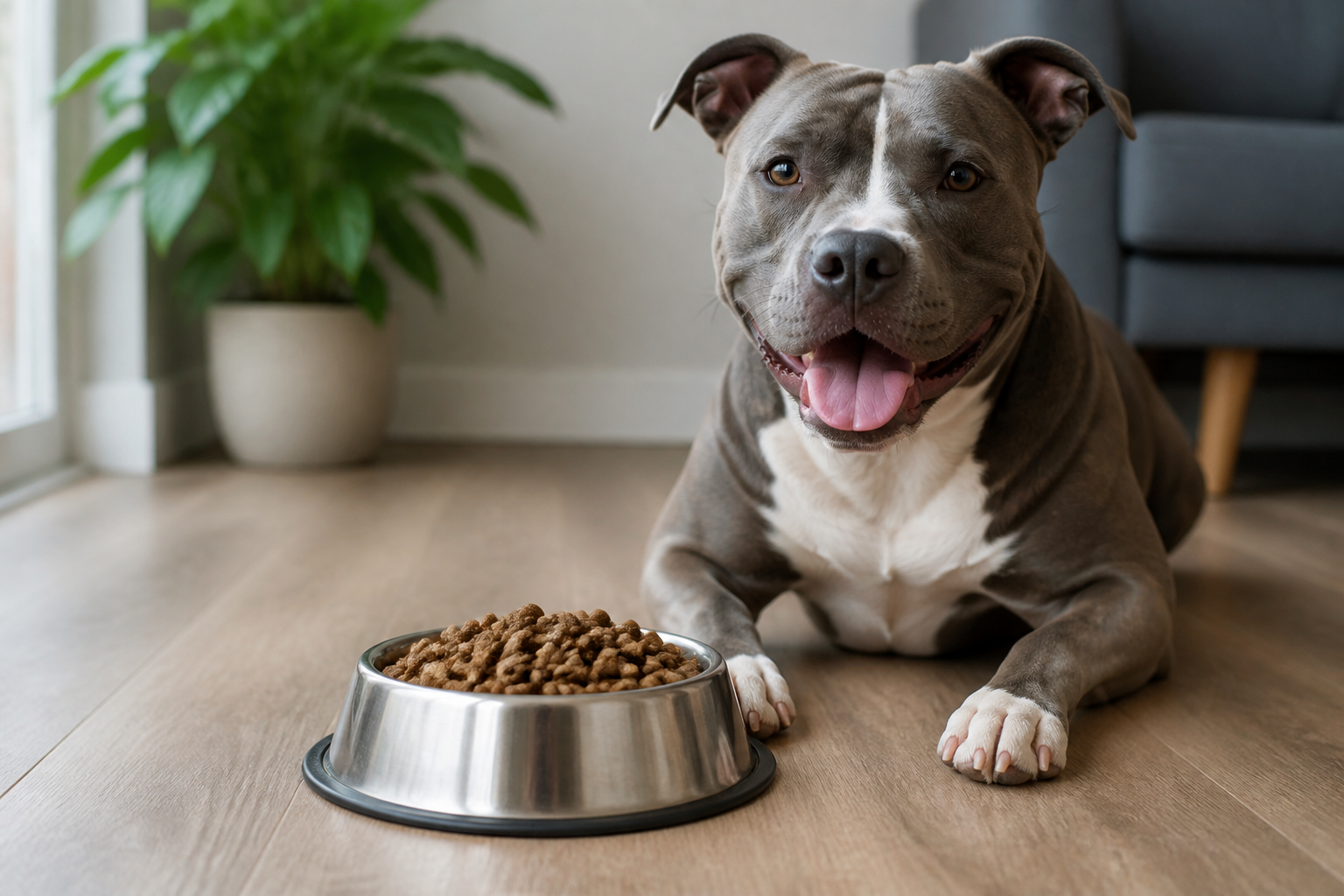
Watching a Pitbull launch into a full-speed zoomie or lean their heavy head against your knee is a reminder of their unique strength and affection. These dogs are the athletes of the canine world. They have lean muscle, incredible energy, and hearts that want to please. Because they are so active and muscular, their nutritional needs are different than a lap dog or a low-energy breed. At BaxterBoo, we know that finding the right balance of protein, fat, and vitamins is the key to keeping your dog healthy for years. This guide covers the specific nutritional requirements for the breed, from muscle support to skin health. We will help you identify the best ingredients and formulas to keep your powerful companion thriving. Choosing the right dry food is the first step in supporting a long and active life, and our dry dog food collection is a smart place to start.
Quick Answer: The best dry dog food for Pitbulls contains high levels of animal-based protein, moderate fat for energy, and omega fatty acids for skin health. Look for formulas where whole meat is the first ingredient and avoid fillers like corn or soy that offer little nutritional value.
The Importance of High Protein for Muscle Maintenance
Pitbulls are naturally muscular. Their bodies require a steady supply of high-quality amino acids to maintain that lean tissue. When you look at a bag of dry food, the first ingredient should always be a clearly named animal protein. Beef, chicken, lamb, or salmon are excellent choices. These whole meats provide the building blocks your dog needs for muscle repair after a long day of play.
Avoid foods that list vague terms like "meat meal" or "animal by-products" as the primary source of protein. These can vary in quality and digestibility. A high-protein diet supports more than just muscles. It also fuels the immune system and keeps the coat looking its best. Most active Pitbulls thrive on a diet where protein makes up at least 25% to 30% of the total formula, and our selection of Open Farm products is one example of a brand that focuses on real-meat recipes.
Why Quality Meat Matters
- Amino Acids: These are essential for tissue repair and hormone production.
- Digestibility: Whole meats are easier for your dog’s body to break down and use.
- Satiety: High-protein diets help your dog feel full and satisfied between meals.
Key Takeaway: Prioritize named animal proteins like beef or turkey to support your Pitbull's athletic build and overall strength.
Fueling Energy with Healthy Fats
Energy is never in short supply with this breed. To sustain their high activity levels, Pitbulls need a reliable source of fat. Fat is the most concentrated source of energy for dogs. It provides more than twice the energy of proteins or carbohydrates. For an active dog, a fat content of 15% to 20% is often ideal.
However, the source of that fat is just as important as the amount. Look for animal-based fats like chicken fat or fish oil. These are highly palatable and easy to digest. They provide steady energy without the "crash" that can come from high-sugar fillers. Proper fat intake also helps your dog absorb essential vitamins like A, D, E, and K, and our selection of NutriSource products includes recipes with balanced nutrition for active dogs.
Identifying Good Fat Sources
- Fish Oil: Excellent for brain health and reducing inflammation.
- Chicken Fat: A natural source of energy that dogs find delicious.
- Flaxseed: Provides plant-based fatty acids to balance the diet.
Bottom line: Healthy fats provide the long-burning fuel Pitbulls need for endurance and daily exercise.
Supporting Sensitive Skin and Coats
Many Pitbull owners deal with skin sensitivities or seasonal allergies. You might notice your dog scratching more often or developing dry, flaky patches. Their short coats do not offer much protection from environmental irritants. This makes their diet the primary line of defense for skin health.
Omega-3 and Omega-6 fatty acids are vital for maintaining the skin barrier. Fish oils, such as salmon or pollack oil, are rich in EPA and DHA. These nutrients help calm inflammation and keep the skin hydrated. A diet rich in these oils often results in a noticeable shine in the coat within a few weeks. If your dog has severe or persistent skin issues, our pet pharmacy offers prescription diets and allergy medications through our partnership with Pet's Choice.
Vet Tip: If your dog is constantly licking their paws or has red, inflamed skin, consult your veterinarian. They can help determine if the issue is a food allergy or an environmental trigger that requires medication.
Joint Health and Mobility Support
Because they are so active, Pitbulls can put a lot of stress on their joints. Their explosive movements and heavy frames mean that wear and tear is a real concern. As they age, this can lead to stiffness or conditions like hip dysplasia. Starting joint support early through nutrition is a proactive way to keep them moving comfortably.
Look for dry foods that include naturally occurring glucosamine and chondroitin. These compounds help maintain cartilage and joint lubrication. Ingredients like New Zealand green-lipped mussel or chicken meal are often high in these nutrients. Keeping your dog at a healthy weight is also essential for joint health. Even a few extra pounds can significantly increase the pressure on their hips and knees, which is why our dog healthcare category is worth exploring for added support.
Simple Steps for Joint Care
- Choose a food with added glucosamine and chondroitin.
- Measure every meal to prevent unhealthy weight gain.
- Supplement with high-quality fish oil to reduce joint inflammation.
- Use low-impact exercise like swimming if your dog shows signs of stiffness.
Navigating Grains and Sensitive Stomachs
There is a lot of debate about grain-free versus grain-inclusive diets. For most Pitbulls, the best choice depends on their individual digestion. Some dogs have sensitive stomachs that react poorly to wheat, corn, or soy. These fillers can cause gas, bloating, or loose stools. In these cases, a grain-free diet using sweet potatoes or lentils as a carb source may be beneficial.
However, many dogs do very well with "ancient grains" like millet, quinoa, or sorghum. These grains provide fiber for healthy digestion and slow-release energy. When we stock products at BaxterBoo, we look for brands like Open Farm or NutriSource that offer both options. This allows you to choose based on what makes your dog feel their best, and our post on How to Switch From Dry to Wet Dog Food is helpful when you are comparing formulas.
Key Takeaway: Monitor your dog's digestion and stool quality to decide if a grain-free or ancient grain formula is the right fit.
Life Stage Specifics: From Puppy to Senior
Your dog's nutritional needs will shift as they grow. A puppy has very different requirements than a senior dog who spends more time napping than running. Feeding the wrong formula for their life stage can lead to growth issues or weight gain.
Puppy Nutrition
Pitbull puppies grow quickly. They need a formula specifically designed for "all life stages" or "large breed puppies." These foods have carefully balanced calcium and phosphorus levels. This prevents them from growing too fast, which can cause bone and joint problems later. They also need higher levels of DHA for brain and eye development.
Adult Maintenance
Once your dog reaches adulthood, the goal shifts to maintaining lean muscle and a healthy weight. This is the time to focus on high-quality proteins and moderate fats. Most Pitbulls reach physical maturity between one and two years of age.
Senior Care
As dogs slow down, their metabolism drops. Senior formulas usually have fewer calories to prevent obesity but higher levels of joint support and antioxidants. Keeping a senior Pitbull lean is the best way to extend their quality of life, and our senior dog food category can help you compare age-appropriate options.
Bottom line: Always match your dog's food to their current age and activity level to ensure they get the right nutrients.
How to Read a Dog Food Label
The label on a bag of dry food can be confusing. To find the best food for a Pitbull, you have to look past the marketing photos and read the ingredient list. By law, ingredients are listed by weight before cooking. This is why you want a named meat to be the very first item.
Watch out for "ingredient splitting." This happens when a manufacturer lists different types of the same ingredient separately. For example, they might list "ground corn," "corn gluten meal," and "corn bran" individually. This makes it look like there is less corn than meat, even if the total corn content is higher. Check for the AAFCO adequacy statement as well. This ensures the food meets the basic nutritional standards for a complete and balanced diet, and our How to Switch From Dry to Wet Dog Food guide is a useful next step if you plan to change foods.
Transitioning to a New Dry Food
Once you find a high-quality food like Orijen or Taste of the Wild, do not switch the diet overnight. Pitbulls can have sensitive digestive systems. A sudden change can lead to upset stomachs or diarrhea. A gradual transition allows their gut bacteria to adjust to the new ingredients.
Step 1: Mix 25% of the new food with 75% of the old food for two to three days. Step 2: Increase to a 50/50 mix for the next three days. Step 3: Move to 75% new food and 25% old food for another two to three days. Step 4: Feed 100% of the new food if your dog’s stool remains firm and they seem healthy.
Vet Tip: During a food transition, keep an eye on your dog's energy levels and skin. If you notice any new itching or digestive upset, slow down the process or consult your vet.
Managing Weight and Portions
Because Pitbulls are stocky, it can be hard to tell if they are becoming overweight. You should be able to feel their ribs without a thick layer of fat covering them. They should also have a visible waistline when viewed from above. Obesity is a common problem that leads to heart disease and joint pain.
Always use a standard measuring cup for meals. The feeding guidelines on the bag are just a starting point. If your dog is very active, they might need a bit more. If they are a "couch potato," they will likely need less. Remember that treats should only make up about 10% of their daily calories. We carry healthy, low-calorie treats from brands like KONG and Zesty Paws to help you reward your dog without overfeeding.
Using the BaxterBoo Pharmacy for Special Needs
Sometimes, even the best commercial diet is not enough for a dog with chronic health issues. If your Pitbull struggles with severe allergies, kidney issues, or weight management problems, a prescription diet might be necessary. Our pet pharmacy provides access to FDA-approved medications and specialized veterinary diets.
Through our partnership with Pet's Choice, we make it easy to get the health supplies your dog needs. Whether it is a medicated shampoo for skin folds or a prescription food for sensitive digestion, we can help. Having these items delivered to your door ensures your dog never misses a dose or a meal.
Why Quality Matters Over Price
It can be tempting to buy the largest, cheapest bag of dog food at the grocery store. However, low-quality foods are often packed with fillers. This means your dog has to eat more to feel full, and they produce more waste. In the long run, you often spend the same amount of money because you go through the bag faster.
High-quality dry food is more nutrient-dense. Your dog gets more out of every bite. This leads to better muscle tone, a shinier coat, and smaller, firmer stools. Investing in better nutrition now can also save you money on veterinary bills later in life. We carry over 500 trusted brands to ensure you can find a high-quality option that fits your budget, and our dog health category makes it easier to browse supportive products in one place.
Summary of Pitbull Nutritional Needs
Feeding a Pitbull is about supporting their natural athletic ability and protecting their sensitive skin. By choosing a food with real meat, healthy fats, and joint support, you are giving them the tools they need to stay active. Always remember to monitor their weight and adjust their portions as they age.
- Protein: Look for 25% to 30% from whole animal sources.
- Fats: Prioritize Omega-3s and Omega-6s for skin and energy.
- Joints: Ensure glucosamine is present, especially for older dogs.
- Digestion: Avoid fillers like corn and soy.
Bottom line: A high-protein, nutrient-dense dry food is the best foundation for a Pitbull's health and longevity.
At BaxterBoo, we have been helping pet owners find the best products since 2006. We handpick every brand we carry to ensure it meets our high standards for quality. Whether you are looking for a high-performance food for a young athlete or a gentle formula for a senior, we are here to help. Consider signing up for our Autoship programme to save on your first order and ensure you never run out of your dog's favorite food.
FAQ
Is grain-free food better for Pitbulls?
Grain-free food can be beneficial if your dog has a specific allergy to grains like wheat or corn. However, many Pitbulls do well on grain-inclusive diets that use high-quality sources like brown rice or oatmeal. It is best to watch your dog for signs of allergies, such as itchy skin or chronic ear infections, before making the switch. Our MVP Rewards programme is another way to save while you test what works best for your dog.
How much protein does a Pitbull puppy need?
A Pitbull puppy typically needs a diet with 22% to 28% protein to support their rapid growth. It is important that this protein comes from high-quality animal sources. Feeding a puppy a formula designed for large breeds helps ensure they grow at a healthy, steady rate rather than too quickly, and our How to Feed Freeze Dried Dog Food for Better Health post can help if you are comparing other feeding styles.
Why does my Pitbull have such dry skin?
Dry skin in Pitbulls is often caused by a lack of essential fatty acids in their diet or environmental allergies. Adding a fish oil supplement or switching to a food rich in Omega-3 fatty acids can help. If the dryness is accompanied by red bumps or hair loss, you should consult a veterinarian to rule out infections. Our dog allergy category is a useful place to look for support options.
Can I give my Pitbull a raw diet?
Some owners choose a raw diet for the high protein content, but it requires careful balancing to ensure the dog gets all necessary vitamins and minerals. For many owners, a high-quality dry kibble provides a safer and more convenient way to ensure complete nutrition. If you do choose raw, work closely with a veterinary nutritionist to avoid deficiencies, and our Can Dry Food Cause Diarrhea in Dogs? Understanding the Causes article is a helpful read before making any food change.






