
 Save 15% on your 1st Autoship learn more

 Email us
 Live Chat
 FAQs
FAQs





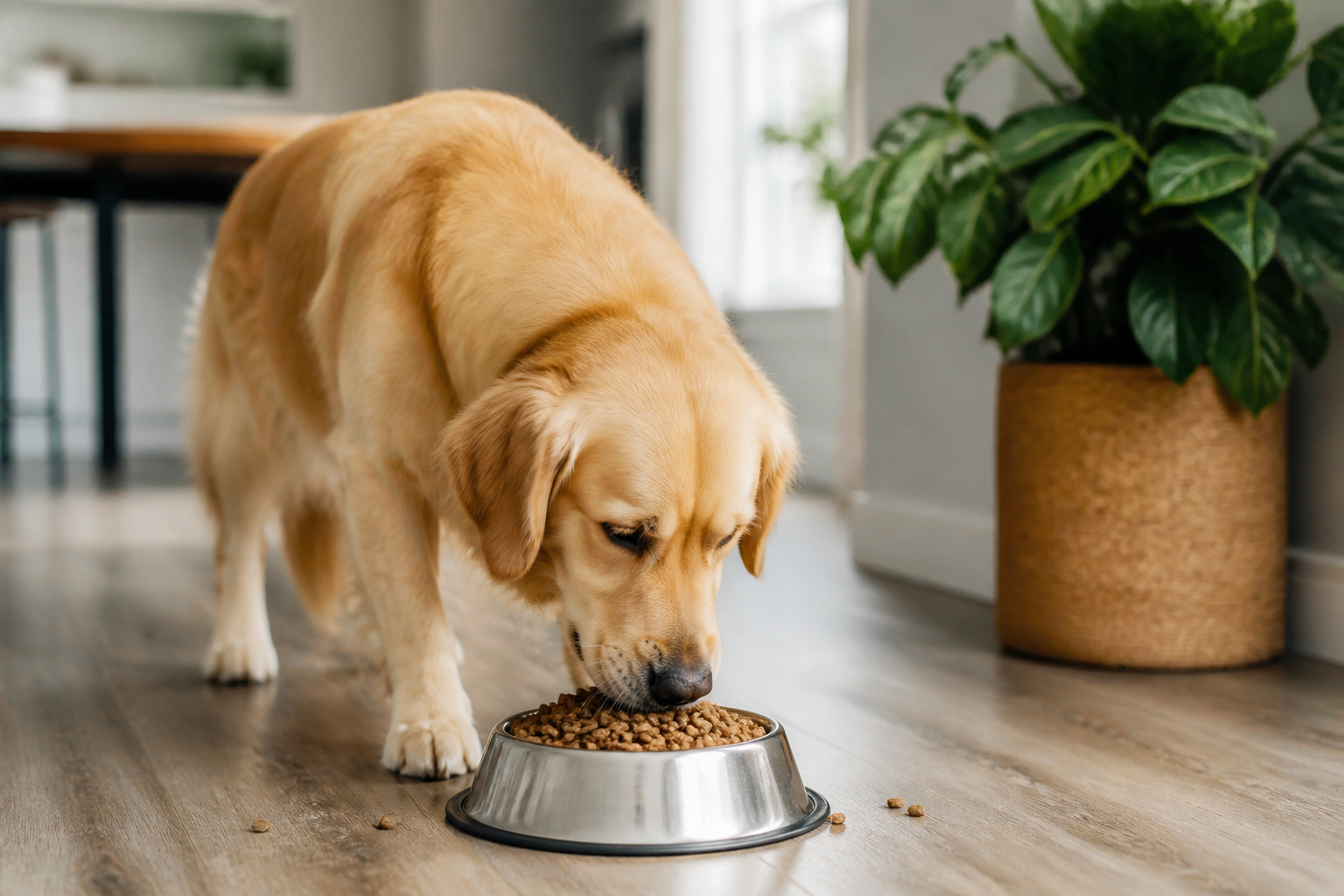
Introduction
Standing in the dog food aisle can feel like solving a puzzle without all the pieces. You see bags promising high protein and others boasting ancient grains or grain-free formulas. It is a moment every dog owner knows well. You want to provide the absolute best for your dog but the sheer volume of choices is overwhelming. At BaxterBoo, we have spent years evaluating hundreds of brands to find the ones that truly deliver on their promises. This guide will help you understand what actually makes a dry food high-quality. We will look at ingredient labels, nutritional standards, and how to match a recipe to your dog's specific life stage. The best dry dog food is not just the most expensive bag. It is the one that meets your dog's biological needs while providing complete and balanced nutrition.
The Foundation of High Quality Dog Food
The first thing to look for on any bag of dog food is the AAFCO nutritional adequacy statement. AAFCO stands for the Association of American Feed Control Officials. This group sets the nutritional standards for pet foods in the United States. If a bag says it is complete and balanced, it means it contains every single nutrient your dog needs to stay healthy. Without this statement, the food should only be used for supplemental feeding.
High-quality food starts with transparency. You should be able to identify exactly what is in the bag just by reading the first few lines of the ingredient list. Reputable brands like Open Farm or Orijen are very clear about their sourcing. They do not use vague terms like "meat meal" or "animal fat." Instead, they list "deboned chicken" or "wild-caught salmon." This clarity ensures you know exactly what your dog is eating every day.
Quick Answer: The best dry dog food is a recipe that meets AAFCO standards for your dog's specific life stage. It should feature a named animal protein as the first ingredient and avoid artificial preservatives or vague fillers.
How to Read an Ingredient Label Like a Pro
Ingredient labels are listed by weight before cooking. This means the first few ingredients make up the majority of the food. You want to see a specific meat or meat meal at the very top. Meat meals are actually very nutrient-dense because the water has been removed. This provides a concentrated source of protein for your dog.
What to Look For
- Named Proteins: Look for specific animals like turkey, beef, or lamb.
- Whole Foods: Ingredients like sweet potatoes, blueberries, and spinach provide natural vitamins.
- Healthy Fats: Chicken fat or salmon oil provide essential omega fatty acids for skin and coat health.
- Functional Additives: Probiotics support digestion while glucosamine and chondroitin support joint health.
What to Avoid
- Artificial Colors: Dogs do not care what color their food is. These are only added to appeal to humans.
- Vague By-Products: If the source of the "by-product" is not named, you cannot be sure of its quality.
- Generic Chemical Preservatives: Look for natural preservatives like mixed tocopherols (Vitamin E) instead of BHA or BHT.
Key Takeaway: The first five ingredients on the label give you the best picture of the food's quality. Always prioritize named meat sources over generic "meat" or "poultry" labels.
Matching Food to Your Dog's Life Stage
A puppy has vastly different nutritional needs than a senior dog. Puppies are growing rapidly and require more calories, protein, and specific minerals like calcium. Large breed puppies are even more sensitive. They need a carefully balanced calcium-to-phosphorus ratio to prevent them from growing too fast. This helps protect their joints as they age.
Adult maintenance foods are designed for dogs that have finished growing. These recipes focus on maintaining a healthy weight and providing consistent energy. If you have an active working dog, they may need a high-protein formula like Orijen. If your dog is a couch potato, a standard maintenance recipe is usually better to prevent weight gain.
Senior dogs often benefit from lower-calorie diets with added joint support. As metabolism slows down, extra weight can put a lot of stress on aging bones. Brands like Stella & Chewy's offer recipes specifically formulated to support older dogs with easier-to-digest proteins and added antioxidants. For more guidance, read how to choose the right dog food for senior pets.
Vet Tip: Always choose a food labeled for your dog's specific life stage. Feeding a puppy adult food can lead to nutritional deficiencies, while feeding an adult puppy food can lead to obesity and joint issues.
Understanding Grain-Free vs. Grain-Inclusive Options
The debate between grain-free and grain-inclusive food has been a major topic in recent years. Grain-free foods replace grains like corn and wheat with legumes or potatoes. This is often necessary for dogs with specific grain allergies. However, many dogs thrive on "ancient grains" like quinoa, oats, and barley. These grains provide excellent fiber and B vitamins.
Brands like Farmina and ACANA offer both grain-free and grain-inclusive lines. If your dog does not have a diagnosed allergy, a grain-inclusive diet with high-quality grains is a healthy choice. If your dog has itchy skin or digestive upset, a grain-free or limited-ingredient diet might be worth a try.
Bottom line: Unless your dog has a specific sensitivity, both grain-free and grain-inclusive diets can be high-quality options as long as the protein source is top-tier.
Specialized Nutrition and Prescription Diets
Sometimes a standard bag of kibble is not enough. Dogs with chronic health issues often require specialized nutrition. This includes conditions like kidney disease, urinary crystals, or severe food allergies. These diets are often formulated with very specific nutrient levels that must be monitored by a professional.
We carry 500+ trusted brands at BaxterBoo, including premium options for various health needs. For pets requiring medical management, our pharmacy offers FDA-approved medications and prescription pet foods. Through our partnership with Pet's Choice, we can help you get the exact diet your veterinarian recommends for chronic conditions.
When to Consider the Pharmacy
- Chronic Allergies: Your vet may prescribe a hydrolyzed protein diet.
- Weight Management: If standard "light" foods are not working, a prescription weight loss diet may be necessary.
- Organ Support: Diets formulated specifically for heart, liver, or kidney health.
- Mobility Issues: Prescription diets often have higher therapeutic levels of joint-support ingredients.
Vet Tip: If your dog is struggling with a persistent health issue like recurring skin infections or digestive trouble, consult your veterinarian. A prescription diet from our pharmacy may be a necessary step in their treatment plan.
The Importance of Kibble Size and Texture
The physical shape of the food matters more than you might think. Small breeds have tiny mouths and can struggle with large, hard nuggets. Small-breed specific kibble is designed to be easier for them to pick up and chew. Conversely, large dogs might gulp down tiny kibble without chewing. This can lead to digestive issues or even a dangerous condition called bloat.
The texture of dry food also provides a mechanical cleaning effect on the teeth. As the dog crunches the kibble, it helps scrape away some plaque. While it is not a replacement for brushing, it is a helpful daily bonus for dental health. Brands like Royal Canin create kibble shapes tailored to specific breeds to ensure they chew their food properly.
Transitioning to a New Dry Dog Food
Once you find the "best" food for your dog, you cannot just swap it overnight. A sudden change in diet is the fastest way to cause an upset stomach. Your dog's digestive system needs time to adjust to new protein levels and fiber sources. For additional guidance, see how to switch from dry to wet dog food.
Step-by-Step Transition
- Days 1 and 2: Mix 25% of the new food with 75% of the old food.
- Days 3 and 4: Mix 50% of the new food with 50% of the old food.
- Days 5 and 6: Mix 75% of the new food with 25% of the old food.
- Day 7: Feed 100% of the new food.
Watch your dog's stool during this week. If it becomes very soft, slow down the transition and stay at the current ratio for a few more days. This gradual process helps the healthy bacteria in the gut adapt to the new recipe.
How to Store Dry Dog Food Correctly
Buying the best food does not matter if it goes rancid before the bag is empty. Dry dog food contains fats that can spoil when exposed to air, light, and heat. Many people pour the food directly into a plastic bin. This is actually a mistake. The plastic can leach odors into the food, and old fats can get stuck in the corners of the bin and spoil the new batch.
The best way to store kibble is to keep it inside its original bag and then place the entire bag inside an airtight container. Most high-quality food bags are designed with liners that keep the food fresh. Keeping the bag also ensures you have the lot number and expiration date in case there is ever a product recall. Store the container in a cool, dry place rather than a hot garage or damp basement. You can also read how long dry dog food stays fresh once opened for more storage guidance.
Key Takeaway: Proper storage preserves the vitamins and fats in your dog's food. Keeping the food in its original bag inside a sealed bin is the gold standard for freshness.
Value and Convenience for Pet Parents
We know that quality matters, but we also understand that budget and convenience are part of the equation. High-quality dry dog food is more nutrient-dense than cheap fillers. This means you can often feed your dog less food per meal, which makes the bag last longer. It is about value without compromise.
To make things easier, we offer several programs to help you save and stay stocked up:
- Autoship: Never run out of food again. You save on your first order and get a free MVP Gold membership.
- MVP Rewards: Earn up to 5% back on every purchase. These points add up quickly on bags of food.
- Frequent Buyer Program: Many of the brands we carry participate in this program. You can earn free bags of food just by staying loyal to your favorite brand.
- New Customer Offer: If you are shopping with us for the first time, you can get a $10 reward on your first order of $39 or more when you sign in at checkout.
Conclusion
Finding what is considered the best dry dog food comes down to understanding your individual dog's needs. There is no single "perfect" bag for every pet. Instead, look for brands that prioritize named animal proteins, meet AAFCO standards, and avoid unnecessary fillers. Whether you choose a high-protein recipe from Orijen or a sustainably sourced option from Open Farm, the goal is long-term health and vitality.
- Check for the AAFCO adequacy statement on every bag.
- Match the recipe to your dog's specific life stage (Puppy, Adult, or Senior).
- Transition to new foods slowly over seven days.
- Store food in its original bag to maintain freshness.
If your dog has specific health concerns that require more than just standard nutrition, we are here to help. You can explore our full selection of dry dog food or visit our pharmacy for prescription diets and medications. Setting up our Autoship programme is the easiest way to ensure your dog always has the high-quality nutrition they deserve while saving you money and trips to the store.
FAQ
How can I tell if a dry dog food is high quality?
Look at the first five ingredients on the label to ensure they are named animal proteins rather than vague "meat" or "poultry" meals. A high-quality food will also have an AAFCO statement confirming it is "complete and balanced" for your dog's life stage. Avoid foods with artificial colors, chemical preservatives like BHA, or excessive fillers like corn and wheat.
Is grain-free dry dog food better for my dog?
Grain-free is not necessarily better unless your dog has a specific grain allergy or sensitivity. Many dogs thrive on ancient grains like barley and oats, which provide essential fiber and nutrients. If your dog is healthy and has no skin or digestive issues, a grain-inclusive diet from a reputable brand is a perfectly healthy choice.
What dry dog food do veterinarians recommend most?
Veterinarians generally recommend brands that employ full-time veterinary nutritionists and conduct feeding trials to ensure safety and efficacy. Common recommendations include Purina Pro Plan, Royal Canin, and Hill's Science Diet. For pets with specific medical needs, veterinarians often recommend prescription diets that are available through our pharmacy partnership with Pet's Choice.
Why is my dog not eating their dry food anymore?
A sudden loss of interest in food can be caused by many factors, including boredom with the flavor, dental pain, or an underlying health issue. You can try adding a topper like bone broth or wet food to make it more appealing. However, if your dog refuses multiple meals or shows other symptoms like lethargy, you should consult your veterinarian to rule out medical problems.






