
 Save 15% on your 1st Autoship learn more

 Email us
 Live Chat
 FAQs
FAQs





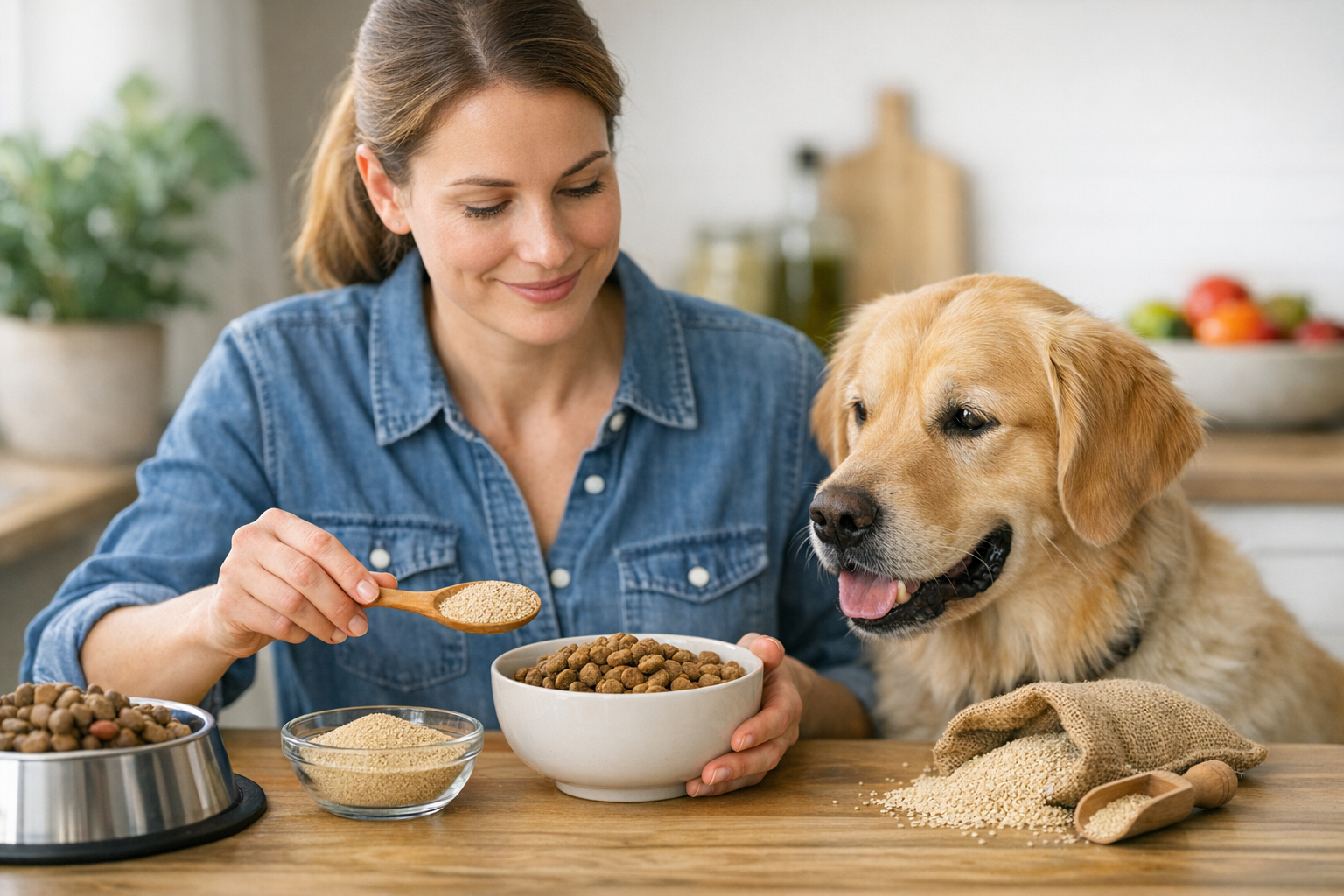
Introduction
You are standing in the pet food aisle or scrolling through a product page when a specific ingredient catches your eye: dried yeast. If you have ever felt a moment of hesitation seeing it on the label, you are not alone. Many pet owners worry about yeast because they associate it with itchy ears or skin infections. However, the yeast used in kibble is very different from the fungus that causes discomfort for your pup.
At BaxterBoo, we believe that understanding every ingredient in your dog's bowl is the first step toward better health. This article covers exactly what dried yeast is, why manufacturers use it, and how it impacts your dog's wellness. We will also address common myths about allergies and infections. By the end, you will know if this ingredient is a helpful addition or something you should avoid for your specific dog.
Quick Answer: Dried yeast in dog food is an inactive form of Saccharomyces cerevisiae that provides high-quality protein, B vitamins, and minerals. It is primarily added to enhance flavor and support the immune system through natural prebiotics.
Understanding Yeast in the Pet Food Aisle
Yeast is a single-celled microorganism that belongs to the fungus family. While there are thousands of species, the one most commonly used in pet food is Saccharomyces cerevisiae. This is the same species used for centuries in baking and brewing. In dog food, however, the yeast is deactivated. This means it is no longer alive and cannot ferment or expand like the dough in a kitchen.
When you see "dried yeast" on a label, it refers to whole yeast cells that have been killed and dried. This process preserves the nutritional content while making it safe for consumption. It does not cause the stomach to swell or create alcohol in the digestive tract. Instead, it becomes a concentrated source of nutrients that are easy for your dog to absorb.
We carry many brands that utilize various forms of yeast to provide a balanced nutritional profile, including our NutriSource selection. Whether it is a premium kibble or a specialized treat, this ingredient is often chosen for its density of vitamins. It is a functional ingredient, meaning it serves a specific purpose beyond just filling space in the bag.
Common Types of Yeast Found in Dog Food
Not all yeast ingredients are created equal. Manufacturers choose different forms based on the nutritional goals of the recipe. Understanding these terms can help you make a more informed choice for your dog.
Brewers Dried Yeast
This is perhaps the most common version you will encounter. It is a byproduct of the beer brewing industry. After the yeast has done its job fermenting grain into ale, the leftover slurry is collected and dried. According to AAFCO standards, brewers dried yeast must contain a minimum of 35 percent crude protein. It is highly valued for its rich mineral content and B vitamins.
Primary Dried Yeast
Unlike the brewing byproduct, primary dried yeast is grown specifically for use as a nutritional supplement. It is often cultivated on a medium like molasses. This allows manufacturers to control the nutrient levels more precisely. It is frequently referred to as "nutritional yeast" in human health circles. It provides a consistent source of amino acids and is often used in high-end or plant-based dog foods.
Yeast Extract and Hydrolyzed Yeast
Yeast extract is made by breaking down the yeast cell and removing the cell wall. This leaves behind the nutrient-dense interior. Hydrolyzed yeast goes through a similar process using enzymes to break down proteins into smaller pieces. These forms are incredibly flavorful. They provide a savory, "umami" taste that can encourage even the pickiest dogs to eat their meals.
Selenium Yeast
This is a specialized form where the yeast is grown in a medium rich in selenium. The yeast absorbs the selenium and incorporates it into its structure. This makes the mineral much easier for a dog's body to use compared to inorganic selenium salts. It is often added to support antioxidant levels and thyroid health.
| Yeast Type | Primary Purpose | Key Benefit |
|---|---|---|
| Brewers Dried Yeast | Protein and Vitamin source | High in B vitamins and minerals |
| Primary Dried Yeast | Nutritional Supplement | Highly digestible amino acids |
| Yeast Extract | Flavor Enhancer | Natural umami taste for picky eaters |
| Selenium Yeast | Mineral Supplement | Highly bioavailable antioxidant support |
Key Takeaway: Most yeast in dog food is a deactivated byproduct or a specifically grown supplement that provides protein and flavor without the risks associated with live yeast.
Why Manufacturers Add Yeast to Dog Food
Yeast is a powerhouse of nutrition that serves several roles at once. It is a cost-effective way to boost the health profile of a recipe without relying solely on synthetic additives.
Flavor and Palatability
Dogs have a keen sense of taste for savory flavors. Yeast is naturally rich in glutamic acid, which creates a deep, meaty taste known as umami. This is a natural alternative to flavor enhancers like MSG. If your dog is a picky eater, a food containing yeast extract may be more appealing. It helps ensure they receive their daily caloric intake and stay interested in their diet.
A Rich Source of B Vitamins
Dried yeast contains a full spectrum of B-complex vitamins, with the exception of B12. These vitamins are essential for a wide range of bodily functions:
- B1 (Thiamine): Supports brain and organ function.
- B2 (Riboflavin): Helps with growth and red blood cell production.
- B3 (Niacin): Promotes healthy skin and digestion.
- B5 (Pantothenic Acid): Assists in energy metabolism.
- B7 (Biotin): Essential for coat health and skin integrity.
- B9 (Folic Acid): Crucial for DNA synthesis and cell division.
Support for Immune and Gut Health
The cell walls of yeast contain prebiotics known as beta-glucans and mannan-oligosaccharides (MOS). These compounds act as food for the beneficial bacteria in your dog's gut. A healthy microbiome is the foundation of a strong immune system. By supporting the "good" bacteria, yeast can help your dog better defend against pathogens and reduce instances of digestive upset.
High-Quality Protein
With a protein content often exceeding 35 percent, dried yeast is a great secondary protein source. It provides a complete profile of essential amino acids. These are the building blocks your dog needs to maintain lean muscle mass, repair tissues, and produce hormones. For dogs on a limited ingredient diet, yeast can provide necessary nutrients without the need for multiple meat sources.
Addressing the Ear Infection Myth
The most common concern we hear at BaxterBoo is that dietary yeast causes ear infections or skin itchiness. This is largely a misunderstanding of how yeast works in the body.
The "yeast infections" that cause red, smelly ears and itchy paws are caused by a specific fungus called Malassezia. This is a completely different organism than the Saccharomyces used in dog food. Malassezia is naturally present on a dog's skin. It only becomes a problem when the immune system is weakened or when allergies cause the skin to produce too much oil.
Eating dried, inactive yeast does not "feed" a Malassezia infection on the skin. In fact, for many dogs, the B vitamins and antioxidants in dried yeast can help strengthen the skin barrier. This might actually make a dog less prone to secondary infections. If your dog has chronic ear issues, the culprit is likely an environmental allergy or a sensitivity to a common meat protein, not the dried yeast in their kibble. For more guidance, our sensitive skin dog food recommendations can be a helpful next step.
Vet Tip: If your dog is constantly scratching their ears or licking their paws, consult your veterinarian for an allergy panel. Chronic infections are usually a sign of an underlying issue rather than a reaction to dietary yeast.
When to Be Cautious with Yeast
While yeast is safe and beneficial for the vast majority of dogs, there are specific situations where you should exercise caution or avoid it entirely.
Yeast Allergies
A very small percentage of dogs may have a true food allergy to yeast itself. In these cases, the immune system reacts to the proteins in the yeast. Symptoms include hives, swelling, or severe gastrointestinal upset. If your dog has a confirmed yeast allergy, you must look for recipes specifically labeled as yeast-free.
History of Bladder Stones
Yeast is high in compounds called purines. When the body breaks down purines, it produces uric acid. For most dogs, this is not an issue. However, certain breeds like Dalmatians or dogs with a history of urate bladder stones may need a low-purine diet. In these instances, your vet may recommend avoiding ingredients like yeast and organ meats.
Specific Medications
If your dog is taking certain medications for anxiety or cognitive decline, you should talk to your vet before feeding yeast. Some of these drugs, like selegiline, are MAOIs (monoamine oxidase inhibitors). These can interact with tyramine, a compound sometimes found in fermented products and yeast. While the levels in most dog foods are low, it is always best to double-check with a professional.
Compromised Immune Systems
Dogs with severely compromised immune systems or those undergoing chemotherapy should be monitored closely when new supplements are added. While dried yeast is inactive, any new ingredient can impact a delicate system. Always introduce new foods slowly and under veterinary supervision.
Comparing Yeast in Supplements and Food
You might see brewers yeast sold as a standalone supplement in our health and wellness section. Often, these supplements are combined with garlic or omega fatty acids.
The Role of Supplements
Supplements are useful if your dog is eating a homemade diet that might be lacking in B vitamins. They are also popular for owners looking to improve a dog's coat shine or support their nervous system. However, if you are already feeding a high-quality, AAFCO-approved kibble like those we carry from NutriSource or Stella & Chewy's, your dog is likely getting all the nutrients they need.
Human vs. Pet Products
Never give your dog yeast supplements intended for humans. Human products may contain xylitol or other sweeteners that are toxic to dogs. They also have different concentrations of vitamins that could lead to an upset stomach. Always choose a product specifically formulated for canines, preferably one with the NASC (National Animal Supplement Council) seal of quality.
Fleas and Ticks
There is a long-standing belief that feeding a dog brewers yeast and garlic will repel fleas and ticks. While yeast is great for skin health, there is no scientific evidence that it prevents pests from biting. We always recommend using a dedicated preventive from our flea and tick collection. Our pharmacy carries FDA-approved flea and tick medications, including prescription options, through our partnership with Pet's Choice.
How to Introduce Food Containing Yeast
If you are switching your dog to a new formula that contains dried yeast, a gradual transition is the best way to avoid digestive upset. Even though yeast supports gut health, any sudden change in protein or fiber can cause gas or loose stools. If you are planning a food switch, our guide to switching from dry to wet dog food is a helpful reference.
- Days 1 and 2: Mix 25 percent of the new food with 75 percent of the old food.
- Days 3 and 4: Mix 50 percent of the new food with 50 percent of the old food.
- Days 5 and 6: Mix 75 percent of the new food with 25 percent of the old food.
- Day 7: Feed 100 percent of the new food.
During this week, watch for any signs of an adverse reaction. If your dog experiences excessive gas or diarrhea that does not clear up within a day or two, consult your vet. This may be a sign that the new food is too rich or that your dog has a sensitivity to one of the ingredients.
Key Takeaway: A slow, seven-day transition allows your dog's digestive enzymes and gut bacteria to adjust to new ingredients like dried yeast.
The BaxterBoo Approach to Ingredients
At BaxterBoo, we do not just stock products because they are popular. We carefully select brands that use high-quality, purposeful ingredients. We know that as a pet owner, you want the best value without compromising on safety. That is why we offer over 500 trusted brands that prioritize transparency in their labeling.
If you are managing a dog with specific health needs, our hybrid model offers the best of both worlds. You can visit our warehouse in Vernon Hills, Illinois, for a personal experience, or order online for the convenience of home delivery. For those needing prescription diets or medications that manage allergies and health conditions, our pet pharmacy partnership with Pet's Choice ensures you have access to the exact care your vet recommends.
We also offer several ways to save while keeping your pet healthy. Our MVP Rewards programme lets you earn back on every purchase. If you find a food your dog loves, our Autoship programme provides recurring delivery with added savings, ensuring you never run out of the nutrients your dog needs.
Summary of Dried Yeast Benefits
Dried yeast is a versatile and nutrient-dense ingredient that offers far more than just flavor. While it has been misunderstood in the past, the science shows it is a safe addition for most healthy dogs.
- Nutrient Density: High in B vitamins and essential minerals like selenium and zinc.
- Protein Quality: Provides a complete amino acid profile to support muscle and tissue repair.
- Gut Health: Contains natural prebiotics (MOS and beta-glucans) to strengthen the microbiome.
- Safety: Inactive and deactivated, meaning it does not cause bloat or yeast infections.
- Palatability: Naturally enhances the taste of food, making it ideal for picky eaters.
Bottom line: Dried yeast is a functional, safe, and highly nutritious ingredient that supports everything from a shiny coat to a strong immune system.
If you are ready to explore high-quality foods or supplements that support your dog's wellness, check out our full collection of premium dog food and health supplies and see what fits your dog's needs best. Our expert team is always here to help you find the right fit for your pet's unique needs.
FAQ
Does dried yeast in dog food cause ear infections?
No, dietary dried yeast does not cause the fungal infections found in ears or on skin. Those infections are caused by a different species of yeast called Malassezia, which lives on the skin and thrives due to allergies or moisture. The yeast in dog food is inactive and can actually support the skin barrier through its B-vitamin content.
Is brewers yeast the same as the yeast used for baking bread?
They come from the same species, but the processing is very different. Baking yeast is alive and "active" so it can make dough rise, which is dangerous for dogs to eat raw. The brewers yeast found in dog food is a deactivated byproduct of the brewing process, meaning it is no longer alive and cannot expand in the stomach.
Can dogs with yeast allergies eat food with dried yeast?
If your dog has a medically confirmed allergy to Saccharomyces cerevisiae, they should avoid any food containing dried yeast, brewers yeast, or yeast extract. However, yeast allergies are relatively rare compared to allergies to common proteins like beef or chicken. Always consult your vet to determine the specific cause of your dog's allergic reactions.
Does feeding my dog brewers yeast help prevent fleas and ticks?
While many people believe that the smell of yeast or garlic repels pests, there is no scientific evidence to support this claim. While yeast is great for skin health, it should not be used as a replacement for proven flea and tick preventives. We recommend using FDA-approved products available through our pharmacy to ensure your dog is fully protected.






