Save 15% on your 1st Autoship learn more

 Email us
 Live Chat
 FAQs
FAQs





Introduction
You are sitting on the sofa with your cat and notice small white flakes sprinkled across their dark fur. It looks like a dusting of salt or tiny bits of paper. This sight is the classic sign of cat dandruff. While a few flakes are common, a sudden increase can mean your cat is struggling with their skin health or grooming routine. We see this often at BaxterBoo, where pet owners look for ways to restore that healthy, glossy shine to their feline friends. This article explains the causes of flaky skin and provides practical steps to clear it up. You will learn about grooming techniques, dietary shifts, and when a visit to the veterinarian is the best move. Managing your cat's skin health starts with understanding what those flakes are trying to tell you.
Quick Answer: Cat dandruff is best managed through a combination of regular brushing, increased hydration, and omega-3 fatty acid supplements. If the dandruff is severe or accompanied by itching, a veterinarian should check for parasites or underlying medical conditions.
Understanding Cat Dandruff versus Dander
It is easy to confuse cat dandruff with cat dander. However, they are two different things. Every cat has dander. These are microscopic skin cells that shed naturally as part of the body's normal cycle. You cannot see dander with the naked eye. It is the protein on these microscopic cells that usually triggers allergies in humans.
Dandruff is different because the flakes are visible. These are larger clumps of dead skin cells that have dried out and sloughed off. While dander is a healthy sign of skin renewal, dandruff often indicates an imbalance. This could be due to dry air, a lack of moisture in the diet, or a physical inability to groom.
You might also notice "flea dirt" and mistake it for dandruff. Flea dirt looks like tiny black pepper specks. If you see white flakes mixed with black specks, your cat likely has both dry skin and a parasite issue.
Key Takeaway: Dander is a microscopic, normal part of feline biology, but visible dandruff is a sign that the skin needs extra support or medical attention.
Common Causes of Flaky Skin in Cats
To figure out what is good for cat dandruff, you first need to know why it is happening. Cats are generally excellent at grooming themselves. When flakes appear, something is usually interfering with that process or the skin's health.
Environmental Factors and Humidity
Low humidity is a leading cause of dry skin for indoor cats. This is especially true during the winter months when home heating systems strip moisture from the air. This dry environment causes the skin to lose its natural oils. The result is a brittle, flaky coat.
Nutritional Deficiencies
A cat's skin and coat are often the first places to show signs of poor nutrition. If a diet lacks essential fatty acids, the skin cannot maintain its moisture barrier. Cats require specific fats like Omega-3 and Omega-6 to keep their skin supple. Without these, the skin becomes dry and sheds more frequently.
Weight and Mobility Issues
If a cat is overweight, they may have trouble reaching certain parts of their body. You might notice dandruff specifically along the lower back or the base of the tail. These are areas where the cat simply cannot reach to groom effectively. Similarly, senior cats with arthritis may find the twisting and reaching required for grooming to be painful. For more information about weight management, read how to help an indoor cat lose weight.
Underlying Medical Conditions
Sometimes dandruff is a secondary symptom of a bigger health problem. Conditions like hyperthyroidism, diabetes, or kidney disease can affect skin quality. In rare cases, severe crusting and flaking can be a sign of certain skin cancers or autoimmune disorders.
Vet Tip: If your cat has dandruff along with changes in thirst, appetite, or energy levels, schedule a veterinary exam. These can be signs of metabolic issues like diabetes or hyperthyroidism that require professional diagnosis and treatment.
Dietary Remedies for Cat Dandruff
What your cat eats has a direct impact on the flakes you see on their fur. Improving nutrition is one of the most effective long term solutions for skin health. Browse our cat healthcare collection for supplements and other wellness products.
Adding Omega-3 Fatty Acids
Omega-3 fatty acids are excellent for reducing skin inflammation and supporting the moisture barrier. You can find these in high quality fish oil supplements or in specialized skin and coat treats. Brands like Zesty Paws or Honest Paws offer options that are easy to add to daily meals.
Switching to a Moisture-Rich Diet
Many cats live on a diet of dry kibble alone. While convenient, kibble provides very little hydration. Cats have a low thirst drive and often do not drink enough water to compensate for a dry diet. Adding wet food to their routine or switching to a brand like Tiki Cat or Weruva can significantly increase their water intake. Better hydration leads to more resilient skin. Explore our cat food selection when comparing moisture-rich options.
Prescription Diets for Skin Sensitivity
For cats with severe allergies or chronic skin issues, a veterinarian might recommend a prescription diet. These foods are formulated with hydrolyzed proteins or specific nutrient ratios to support the skin. Our pharmacy carries many of these FDA-approved prescription pet foods through our partnership with Pet's Choice. If your vet provides a prescription for a diet like Farmina Vet Life, we can help you get it delivered to your door.
Bottom line: A diet high in moisture and essential fatty acids is often the best defense against chronic cat dandruff.
Grooming Tools and Techniques
Regular grooming is essential for removing dead skin and distributing natural oils. If your cat has stopped grooming effectively, you will need to step in and help. You can find brushes, wipes, and shampoos in our cat grooming supplies.
The Importance of Brushing
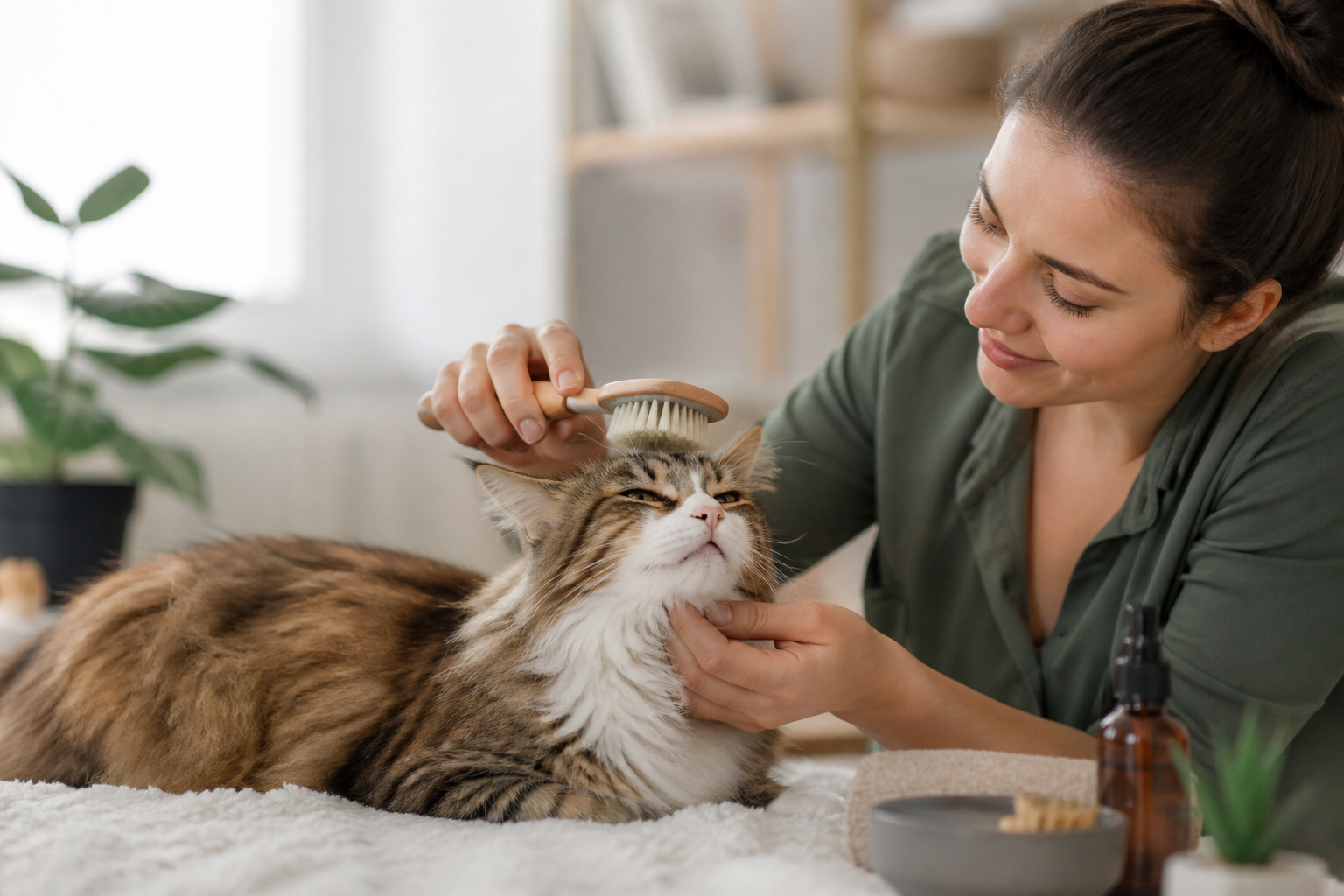
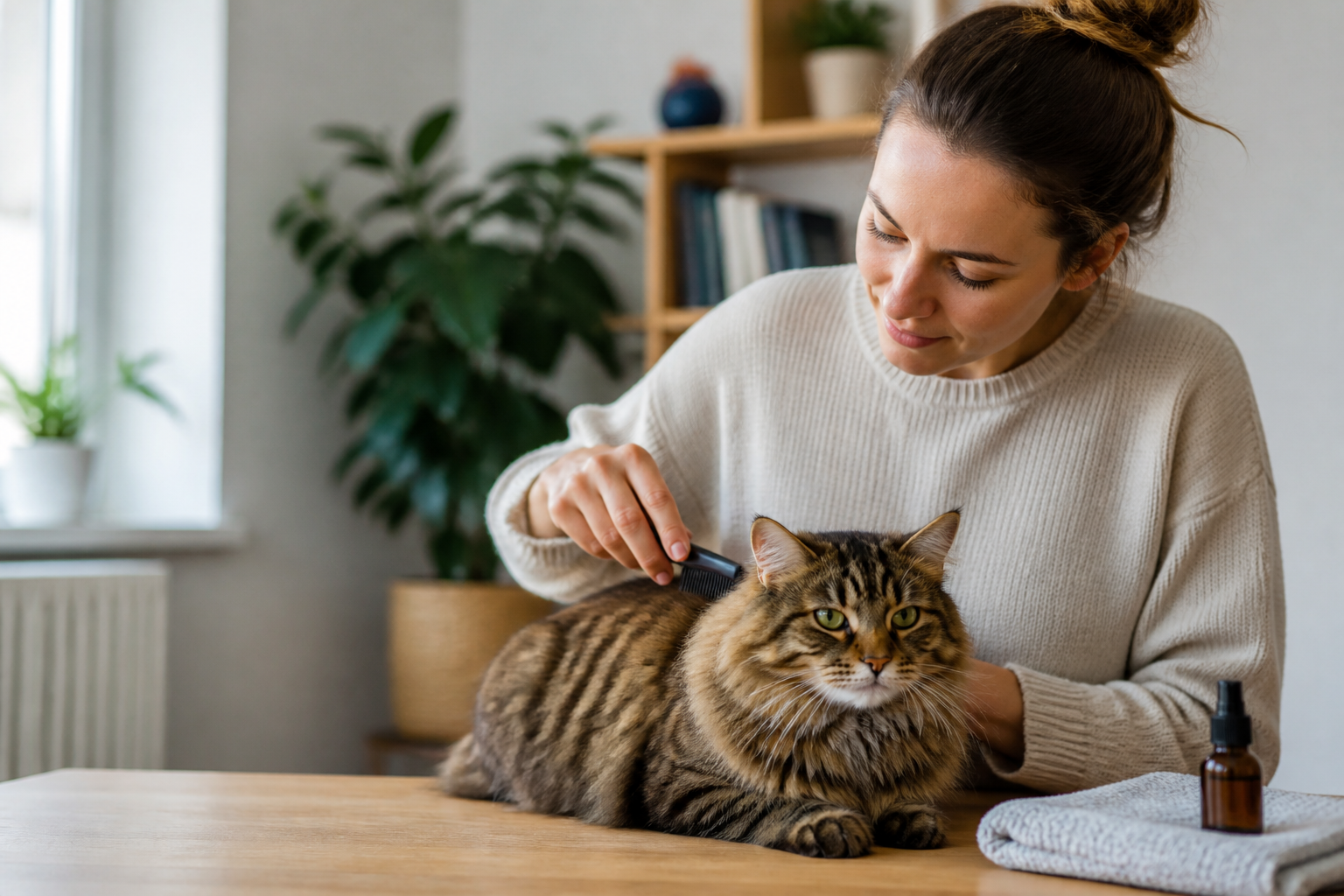
Brushing does more than just remove loose hair. It stimulates the skin and helps spread the natural oils produced by the sebaceous glands. This oil acts as a natural moisturizer. For short-haired cats, a soft bristle brush or a rubber grooming mitt is usually enough. Long-haired cats require a comb or a slicker brush to prevent mats and reach the skin through the thick undercoat.
Using Waterless Shampoos and Wipes
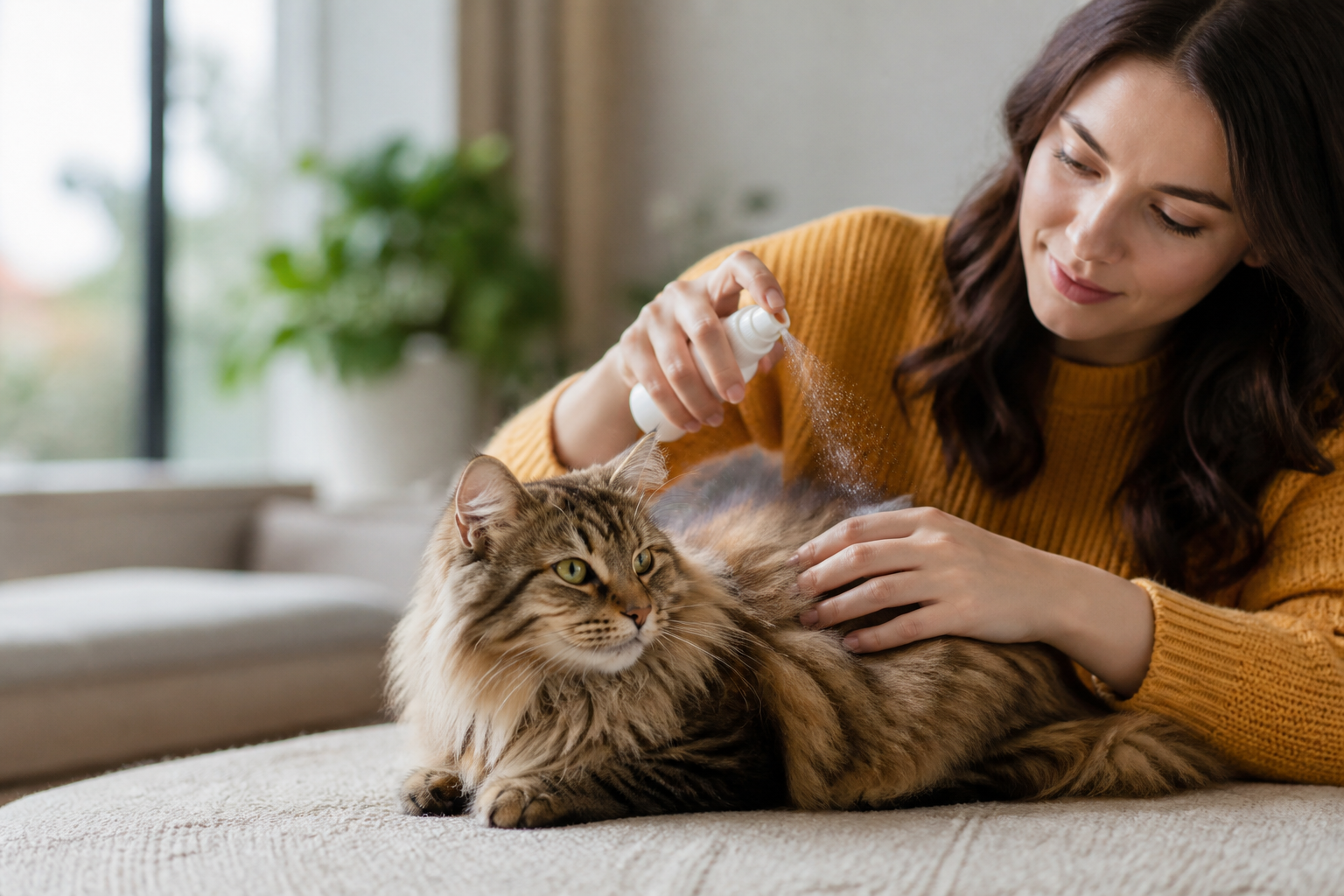
Most cats do not enjoy traditional baths. Frequent bathing with water can actually dry out a cat's skin further by stripping away necessary oils. Instead, try using grooming wipes or a waterless foam shampoo. These products allow you to clean the coat and moisturize the skin without the stress of a bath. Look for formulas with aloe or oatmeal to soothe the skin.
Specialized Moisturizing Shampoos
If a bath is absolutely necessary, use a shampoo specifically formulated for cats. Never use human dandruff shampoo on a cat, as the pH balance is different and some ingredients can be toxic. A moisturizing cat shampoo can help loosen existing flakes and hydrate the skin.
| Treatment Type | Best For | Frequency |
|---|---|---|
| Brushing | All cats, especially seniors | Daily to weekly |
| Omega Supplements | Dry, brittle coats | Daily with food |
| Humidifiers | Winter dryness | Constant in winter |
| Grooming Wipes | Spot cleaning and moisture | As needed |
Environmental and Lifestyle Adjustments
Sometimes the solution to cat dandruff is changing the environment rather than the cat. Small shifts in your home can make a big difference for their skin.
Using a Humidifier
If you notice your own skin feeling dry in the winter, your cat is likely feeling it too. Placing a humidifier in the room where your cat spends the most time can help. Keeping the air moist prevents the skin from losing hydration to the atmosphere.
Reducing Stress
Stress can impact a cat's physical health in surprising ways. An anxious cat may over-groom, leading to bald spots, or stop grooming entirely, leading to dandruff. Use calming pheromone diffusers or provide plenty of hiding spots to keep your cat relaxed. A happy cat is more likely to keep up with their own hygiene.
Managing Weight for Better Access
If your cat's dandruff is localized to their back, weight management may be the answer. Helping your cat reach a healthy weight through portion control and active play will allow them to reach those "hard to groom" spots again. You can use puzzle feeders to make mealtime more active.
When to Use the BaxterBoo Pharmacy
While many cases of dandruff are mild, some require medical-grade intervention. This is where our pharmacy partnership becomes a valuable resource for pet owners. Browse our cat pharmacy selection when your veterinarian recommends prescription products.
Parasite Prevention
External parasites like fleas and mites are a major cause of skin irritation. "Walking dandruff" is a specific type of mite (Cheyletiella) that looks like moving flakes of skin. This condition is highly contagious and requires specific medication. Our pharmacy offers a wide range of FDA-approved flea and tick preventives, such as Frontline and NexGard, to keep these pests away.
Treating Underlying Infections
If your cat's dandruff is accompanied by redness, sores, or a bad odor, they may have a bacterial or fungal infection like ringworm. These conditions usually require prescription topical or oral medications. Once your vet provides a diagnosis and a prescription, we can fulfill those needs through Pet's Choice.
Managing Chronic Conditions
For cats with dandruff caused by hyperthyroidism or diabetes, ongoing medication is necessary to keep their systems in balance. When the internal condition is managed, the skin often clears up on its own. We provide access to these long-term medications to help make managing your cat's health easier and more affordable.
Step 1: Consult your veterinarian. / They will determine if the dandruff is environmental or a symptom of a health issue.
Step 2: Obtain a prescription if needed. / Ask for a written prescription for medications or specialized diets.
Step 3: Order through our pharmacy. / We work with Pet's Choice to deliver FDA-approved treatments directly to you.
Key Takeaway: Use the BaxterBoo pharmacy for prescription diets and medications that address the root cause of severe skin issues.
Helping Your Senior Cat with Dandruff
Senior cats are particularly prone to dandruff. As they age, their skin becomes thinner and less elastic. They also face physical hurdles that younger cats do not. For additional guidance, read our guide to arthritis care for cats.
Dealing with Arthritis
If a senior cat has arthritis, they cannot twist their body to clean their back. You will see a thick layer of dandruff and loose fur accumulate there. You can help by using a damp cloth or a soft brush on these areas daily. Providing a heated pet bed can also help soothe stiff joints, making it easier for them to move and groom.
Monitoring Kidney and Thyroid Health
Kidney disease often leads to dehydration, which manifests as dry, "tented" skin and dandruff. Regular senior wellness blood work is vital. If your vet discovers a condition that requires a specialized diet, our Frequent Buyer Program can help you save on participating brands that support senior health.
Softening the Grooming Process
Old cats have sensitive skin. Use the softest brushes available. Avoid metal combs that might scratch or irritate their thinning skin. Gentle, consistent care is better than a deep, aggressive grooming session once a month.
Vet Tip: For senior cats with dandruff, always check the skin's elasticity by gently lifting the scruff. If it stays "tented" and doesn't snap back, your cat may be dehydrated and needs a veterinary checkup for kidney or heart health.
Selecting the Right Skin and Coat Products
With so many options available, it helps to know what ingredients actually work for cat dandruff. Look for products that focus on hydration and soothing.
Beneficial Ingredients to Look For
- Oatmeal: Helps soothe itchy or irritated skin.
- Aloe Vera: Provides cooling relief and moisture.
- Vitamin E: An antioxidant that supports skin cell health.
- Biotin: A B-vitamin often found in supplements to improve coat shine.
Avoiding Harsh Chemicals
Avoid shampoos or wipes with heavy artificial fragrances or alcohols. These can strip the skin of its natural moisture and make the dandruff worse. At BaxterBoo, we curate our selection to ensure we carry trusted brands that prioritize safe, effective ingredients for your pets.
Treat Options
You can also support skin health through treats. Look for treats that contain salmon oil or flaxseed. These provide a boost of healthy fats in a form your cat will actually enjoy. Brands like Stella and Chewy's or Vital Essentials often have high-protein options that include these beneficial fats.
Conclusion
Cat dandruff is usually a manageable condition that responds well to changes in diet and grooming. By increasing moisture through wet food and supplements, and stepping in to help with brushing, you can clear up those white flakes. Remember that the environment, like dry winter air, plays a big role too. Always keep an eye out for signs of more serious issues like parasites or behavioral changes. If home remedies do not work, your veterinarian can provide a diagnosis and a prescription for targeted treatment. Our pharmacy and wide selection of skin and coat products are here to support you every step of the way.
- Increase hydration by adding wet food or a water fountain.
- Supplement the diet with Omega-3 fatty acids for skin support.
- Brush your cat daily to distribute natural oils.
- Use a humidifier during dry months to prevent skin dehydration.
Bottom line: Consistent grooming and a moisture-rich diet are the most effective ways to eliminate cat dandruff and keep the coat glossy.
FAQ
Is cat dandruff contagious to humans or other pets?
Simple dandruff caused by dry skin or poor grooming is not contagious. However, if the dandruff is caused by parasites like Cheyletiella mites (walking dandruff) or a fungal infection like ringworm, it can spread to other animals and humans. It is important to have a vet confirm the cause if you have multiple pets.
Can I use human dandruff shampoo on my cat?
No, you should never use human dandruff shampoo on a cat. These products contain chemicals and pH levels that are designed for human scalps and can be toxic or highly irritating to feline skin. Always use a shampoo or wipe specifically formulated for cats.
How often should I brush my cat to get rid of dandruff?
For a cat with active dandruff, daily brushing is recommended. This helps remove the existing flakes and prevents them from clumping together. Once the skin health improves, you can switch to a weekly routine for short-haired cats or maintain a daily routine for long-haired breeds.
Why does my cat have dandruff only on their lower back?
Dandruff on the lower back is often a sign that your cat cannot reach that area to groom. This is common in overweight cats or senior cats with arthritis. Helping them groom that specific area and addressing the underlying weight or mobility issue will usually solve the problem.