
 Save 15% on your 1st Autoship learn more

 Email us
 Live Chat
 FAQs
FAQs





Introduction
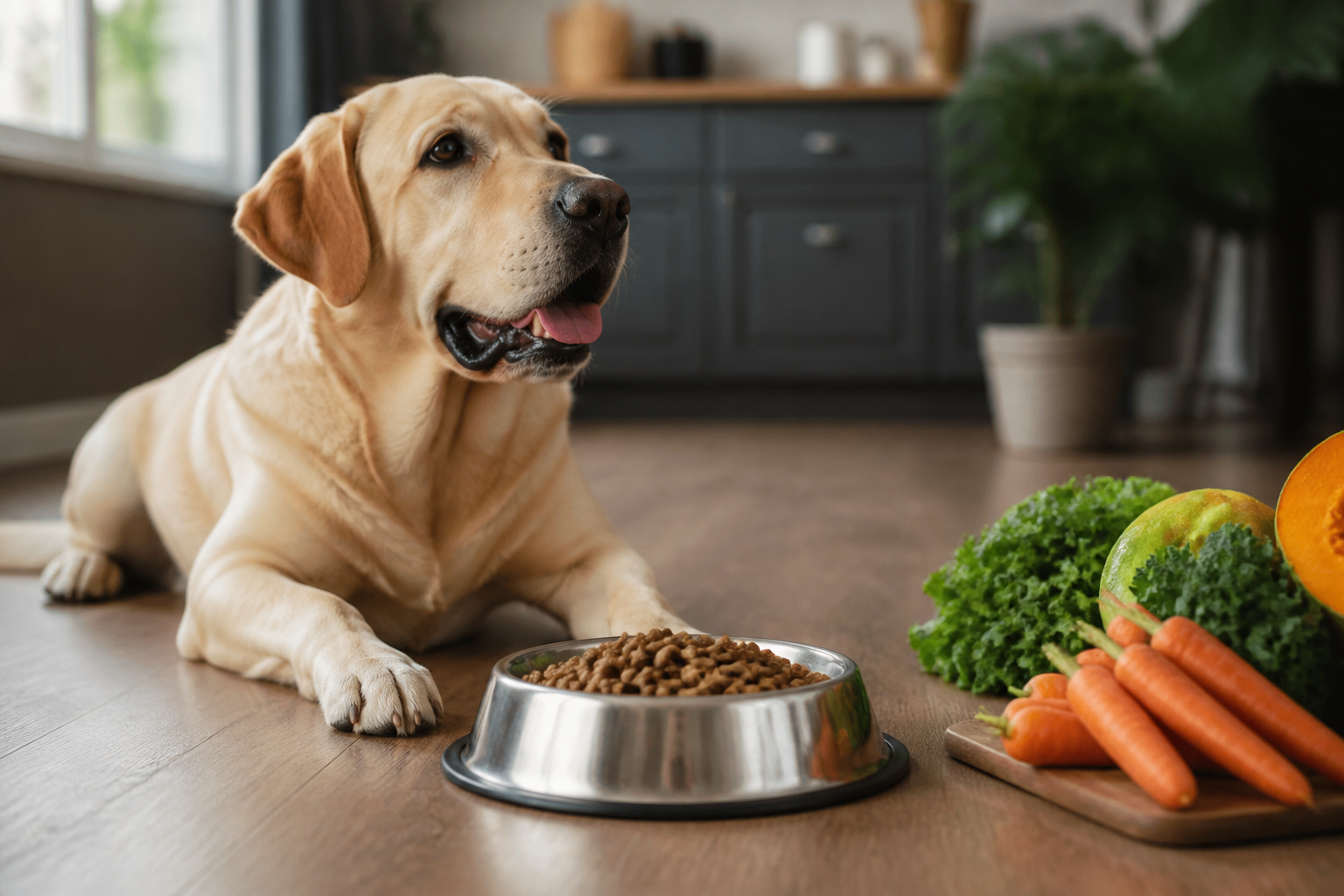
Receiving a diabetes diagnosis for your dog can feel like a heavy weight on your shoulders. You might worry about daily injections or how your pet’s life will change. One of the most important things you can do right now is focus on what goes into their bowl every morning and evening. At BaxterBoo, we know that proper nutrition is the foundation for managing this condition successfully. The right dry food helps keep blood sugar levels steady and provides long term energy without dangerous spikes. This article covers the essential nutrients to look for, ingredients to avoid, and how to manage a consistent feeding schedule. Our goal is to help you navigate these choices so your dog can stay active and happy for years to come.
Quick Answer: The best dry dog food for diabetic dogs is high in lean protein and fiber but low in simple carbohydrates. These formulas use low-glycemic ingredients like barley or oats to ensure slow glucose absorption and steady energy.
Understanding Canine Diabetes and Nutrition
Diabetes in dogs is similar to type 1 diabetes in humans. The pancreas does not produce enough insulin to process glucose effectively. This results in high blood sugar levels while the body's cells remain starved for energy. When blood sugar is not controlled, it can lead to serious health issues like cataracts, kidney damage, or even life threatening ketoacidosis.
Diet plays a leading role in management because every meal causes a rise in blood glucose. In a healthy dog, the body releases insulin to bring that level back down. For a diabetic dog, we must use food that produces a very small, slow rise in glucose. This makes the work of the daily insulin injections much more predictable and effective.
Consistency is the most important factor in a diabetic diet. If the nutrients in the food change every day, the insulin requirements will also change. This is why choosing a high quality dry food from our dog food category and sticking with it is so helpful for long term stability.
The Three Pillars of Diabetic Dog Food
When you are looking at the back of a bag of dry dog food, you should focus on three main categories: protein, fiber, and carbohydrates. The balance of these three determines how quickly your dog’s blood sugar will rise after eating.
High-Quality Lean Protein
Protein is essential for maintaining muscle mass. Since diabetic dogs cannot always use glucose for energy, their bodies may try to break down muscle tissue instead. Feeding a diet rich in lean protein helps prevent this muscle wasting. Look for real meats like chicken, turkey, or white fish listed as the first ingredient. Avoid fatty meats, as high fat diets can increase the risk of pancreatitis, which is a common complication for diabetic pets.
Beneficial Fiber
Fiber is a secret weapon for blood sugar control. It slows down the digestion of carbohydrates and the absorption of sugar into the bloodstream. This prevents the "spike" that occurs right after a meal.
- Soluble fiber: This type turns into a gel during digestion, which slows down the process.
- Insoluble fiber: This helps your dog feel full and supports healthy digestion.
Ingredients like beet pulp, pumpkin, and flaxseed are excellent fiber sources found in many premium dry foods.
Complex Carbohydrates
Not all carbs are created equal. Simple carbohydrates like white rice or corn syrup digest almost instantly and cause blood sugar to skyrocket. Complex carbohydrates have a low glycemic index. This means they break down slowly. Ingredients like pearl barley, whole oats, and quinoa are much safer options for a diabetic dog.
Key Takeaway: Look for a dry food that prioritizes lean meat first and uses low-glycemic grains or legumes to provide slow-release energy.
Prescription vs. Retail Dry Dog Food
Many owners wonder if they can simply buy a "low carb" food from a local pet store or if they need a prescription diet. Both can work, but they serve different purposes.
Retail dry foods that are high in protein and fiber can be suitable for some dogs, especially if their diabetes is mild. However, these foods are not always formulated with the specific needs of a diabetic dog in mind. They may have higher fat content or hidden sugars that make blood glucose hard to regulate.
Prescription diets, such as Royal Canin Vet Life or Hill’s Prescription Diet w/d, are specifically engineered for glucose management. These formulas undergo clinical testing to ensure they produce a predictable blood sugar response. They often contain precise levels of fiber and specialized nutrients like L-carnitine to support fat metabolism.
Our pet pharmacy for dogs carries a wide range of FDA-approved prescription pet foods through our partnership with Pet's Choice. If your veterinarian recommends a specific therapeutic diet, we can help you get those meals delivered right to your door. This ensures your dog gets the exact nutritional profile their doctor ordered without you having to search multiple stores.
Vet Tip: Always consult your veterinarian before switching your dog to a new diet, especially if they are already on insulin. Changing food can significantly impact the required insulin dose.
Reading the Ingredient Label Like a Pro
The ingredient list is your best tool for finding the right food. Because labels are listed by weight, the items at the top of the list make up the majority of the food.
What to Look For:
- Named Meats: Look for "Chicken" or "Turkey" rather than "Meat By-Products."
- Whole Grains: Barley, oats, and brown rice are preferred.
- Vegetables: Broccoli, green beans, and leafy greens provide vitamins and fiber with very few calories or sugars.
- Specific Supplements: Look for glucosamine for joint support, as many diabetic dogs are seniors, or fish oil for omega fatty acids.
What to Avoid:
- Sugars and Sweeteners: Avoid anything ending in "ose," as well as corn syrup, honey, or molasses.
- Refined Grains: White rice, white flour, and corn should be limited or avoided.
- Semi-Moist Textures: Many semi-moist kibbles use humectants like propylene glycol or sugars to stay soft. These are very high in sugar and dangerous for diabetic dogs.
- Artificial Fillers: Avoid "animal digest" or vague "cereal food" descriptions.
| Nutrient | Ideal Source | Why It Matters |
|---|---|---|
| Protein | Chicken, Turkey, Salmon | Maintains muscle and supports metabolism. |
| Fiber | Pumpkin, Beet Pulp, Oats | Slows glucose absorption and prevents spikes. |
| Carbohydrates | Barley, Lentils, Sweet Potato | Provides steady energy without rapid sugar rises. |
| Fats | Fish Oil, Flaxseed | Supports skin, coat, and heart health in moderation. |
Bottom line: A short, transparent ingredient list with whole meats and low-glycemic carbs is the gold standard for diabetic dry food.
The Importance of a Consistent Feeding Schedule
For a diabetic dog, the "when" is just as important as the "what." Most veterinarians recommend a twice-a-day feeding schedule. This usually means feeding every 12 hours.
The goal is to time the meal so the blood sugar rise happens at the same time the insulin injection is reaching its peak effectiveness. Typically, you will feed your dog their measured portion of dry food and then administer the insulin injection immediately after they have finished eating. This ensures that if your dog refuses to eat, you can adjust the insulin dose accordingly to avoid hypoglycemia.
Consistency also means avoiding extra treats or table scraps between meals. A single high-sugar treat can throw off the entire day's blood glucose balance. If you want to give a treat, consider using a few pieces of their regular dry kibble or a vet-approved low-calorie vegetable like a green bean.
For additional portion and meal-planning guidance, see our dry dog food feeding guide.
Managing Weight and Activity
Obesity is a major contributor to insulin resistance. When a dog carries extra weight, their cells become less responsive to insulin, making the disease much harder to manage. Many diabetic dry foods are formulated to be "satiating," meaning they help the dog feel full while consuming fewer calories.
Regular, moderate exercise also helps. Physical activity helps the body use glucose more efficiently. However, exercise should also be consistent. A massive hike on Saturday after a week of no movement can cause blood sugar to drop too low. Aim for a steady routine of daily walks.
Vet Tip: If your dog becomes disoriented, wobbly, or extremely lethargic, they may be experiencing low blood sugar. Keep honey or corn syrup on hand to rub on their gums as an emergency measure before heading to the vet.
Transitioning to a New Dry Food
If you decide to switch to a better dry food for your dog, you must do it slowly. A sudden change can cause stomach upset. For a diabetic dog, a sudden change can also cause their blood sugar to become unpredictable.
We recommend a seven-day transition plan:
- Days 1 and 2: Mix 25% of the new dry food with 75% of the old food.
- Days 3 and 4: Mix 50% of the new food with 50% of the old food.
- Days 5 and 6: Mix 75% of the new food with 25% of the old food.
- Day 7: Your dog is now eating 100% of the new diabetic-friendly diet.
During this week, keep a close eye on your dog's energy levels and thirst. If you notice any major changes, contact your veterinarian. They may want to perform a glucose curve to see how the new food is affecting their insulin needs.
For another step-by-step look at changing diets, read our guide to switching a dog to new food.
Why Quality Matters for Long-Term Health
Managing diabetes is a marathon, not a sprint. While prescription or premium dry foods might seem like an investment, they often save you money in the long run. Better regulation means fewer emergency vet visits, fewer complications like infections, and a better quality of life for your pet.
We carry over 500 trusted brands at BaxterBoo, and we take care to curate products that truly support pet wellness. Whether you are using a high-fiber retail kibble or a specialized prescription formula from our pharmacy, consistency is your best friend. By pairing the right food with a steady routine and regular veterinary checkups, you can give your dog a wonderful, full life despite their diagnosis.
Many of our customers find that our Autoship programme is a lifesaver for diabetic care. It ensures you never run out of your dog’s specific food, which is critical since you cannot simply swap to a different brand for a night if the bag is empty. Plus, you save on your orders and earn MVP Rewards points on every purchase.
Key Takeaway: Successful diabetes management relies on the combination of a high-fiber diet, a strict 12-hour feeding schedule, and regular veterinary monitoring.
FAQ
Can I feed my diabetic dog grain-free dry food?
Not all grain-free foods are ideal for diabetic dogs. Many use potatoes or tapioca as a binder, which are high on the glycemic index and can cause sugar spikes. If you go grain-free, ensure the food uses lentils, chickpeas, or peas instead of starchy white potatoes.
What should I do if my diabetic dog won't eat their dry food?
If your dog refuses a meal, do not give the full dose of insulin, as this can lead to dangerous low blood sugar. You can try adding a little warm water or a small amount of low-sodium chicken broth to the kibble to make it more appealing. Contact your vet immediately if the lack of appetite continues for more than one meal.
For ideas on making dry food more appealing, explore this guide to wetting dry dog food.
Are there any dry treats that are safe for diabetic dogs?
The safest treats are those high in fiber and protein with no added sugars. Look for freeze-dried meats or treats specifically labeled for glucose support. Always remember that treats should make up less than 10% of your dog's total daily calories to keep their blood sugar stable.
You can compare suitable options in our dog treats category.
How do I know if the dry food is working for my dog?
You will know the food is working if your dog’s thirst and urination return to normal levels and they maintain a steady weight. Your veterinarian will also perform blood tests or a glucose curve to confirm that the blood sugar stays within a safe range throughout the day.
For ongoing value on eligible purchases, visit the MVP Rewards programme.






