
 Save 15% on your 1st Autoship learn more

 Email us
 Live Chat
 FAQs
FAQs





Introduction
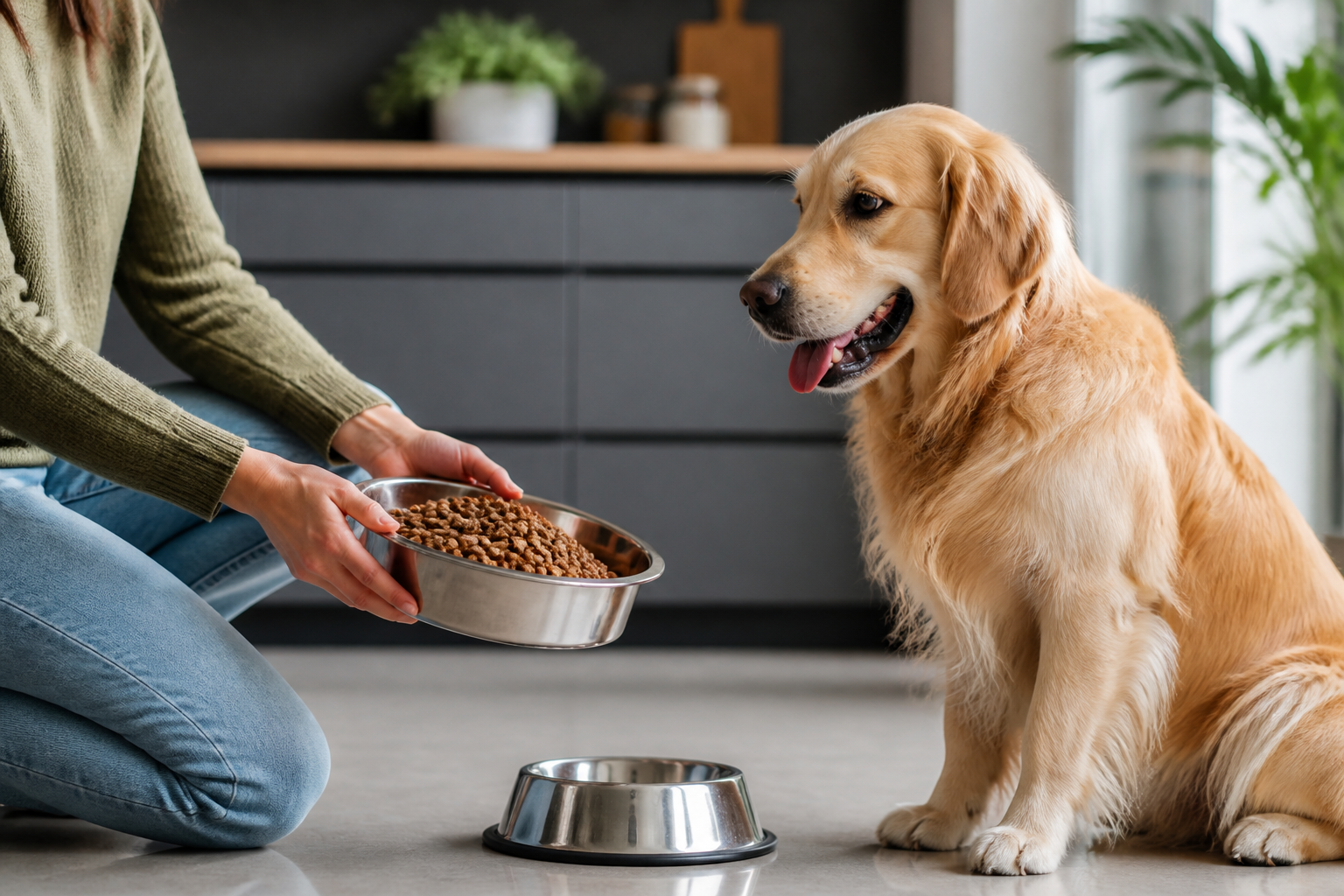
Standing in a pet food aisle can feel overwhelming. You are surrounded by tall stacks of bags featuring bright colors and bold health claims. Every brand promises to be the healthiest choice for your pet. At BaxterBoo, we know that choosing the right kibble is one of the most important decisions you make as a pet owner. The right diet supports everything from a shiny coat to strong joints and steady energy levels. This guide will help you understand how to read labels and identify high quality ingredients. We will also look at how to match a food to your dog's specific life stage and health needs. Finding the best dry dog food for dogs requires looking past the marketing to find real nutritional value, and our dry dog food category is a great place to start comparing options.
Deciphering the Dog Food Label
The first step in finding a quality food is learning to read the back of the bag. Marketing on the front of the package is designed to catch your eye. The information on the back is what actually matters for your dog's health. You should look for specific markers that indicate a recipe is balanced and safe.
The AAFCO Statement
The most important thing to look for is the AAFCO statement. This stands for the Association of American Feed Control Officials. This group sets the nutritional standards for pet foods in the United States. A quality dry food will state that it is formulated to meet the nutritional levels established by the AAFCO Dog Food Nutrient Profiles. This ensures the food is complete and balanced for a specific life stage.
Ingredient Order
Ingredients are listed by weight before they are cooked. You want to see a named animal protein as the first ingredient. This might be deboned chicken, beef, or salmon. Avoid foods that list generic terms like poultry meal or meat by-products. Specificity is a sign of quality. If the brand lists the specific animal, you can be more confident in the protein source.
Fillers and Additives
Many lower quality foods use cheap fillers to bulk up the bag. Ingredients like corn, wheat, and soy are common. While some dogs digest these fine, many owners prefer to avoid them. Look for whole grains like brown rice or oatmeal if you want a grain inclusive diet. Avoid artificial colors, flavors, and chemical preservatives. Common preservatives to watch out for include BHA and BHT.
Quick Answer: The best dry dog food for dogs is one that lists a named animal protein as the primary ingredient and carries an AAFCO statement of nutritional adequacy. It should be tailored to your dog's age, size, and specific health requirements.
Understanding Life Stages
A puppy has very different nutritional needs than a senior dog. Feeding the wrong life stage can lead to health issues over time. Most brands offer formulas specifically designed for growth, maintenance, or senior support.
Puppy Nutrition
Puppies are growing rapidly and need more calories than adults. They also require higher levels of protein and fat to support muscle and tissue development. Look for puppy specific formulas that include DHA and EPA. These are omega fatty acids that support brain and eye development. If you have a large breed puppy, it is vital to choose a large breed specific puppy food. These formulas have controlled calcium and phosphorus levels to prevent bone growth that is too rapid, and our For Puppies collection can help you browse age-appropriate options.
Adult Maintenance
Once your dog reaches maturity, they move to adult maintenance food. The goal here is to maintain a healthy weight and support daily activity. These foods have a moderate calorie count. If your dog is a couch potato, look for a formula with a lower fat percentage. If they are a working dog or an athlete, they may need a high protein performance blend.
Senior Support
Senior dogs often have slowing metabolisms. They may also begin to experience joint stiffness or cognitive changes. The best senior foods often include added glucosamine and chondroitin. These ingredients help support cartilage health. You may also see increased fiber to help with digestion and weight management.
Vet Tip: If your senior dog is losing weight or seems disinterested in their dry food, consult your veterinarian. They can rule out dental issues or underlying health conditions before you switch diets.
Specialized Diets and Health Needs
Not every dog can thrive on a standard kibble. Some pets have sensitivities that require a more tailored approach. We carry a wide range of brands like Merrick and Farmina that address these specific concerns.
Sensitive Stomachs and Allergies
Food sensitivities often show up as itchy skin, ear infections, or digestive upset. Limited ingredient diets are helpful here. These recipes use a single protein source and a single carbohydrate source. This makes it easier to avoid triggers. For example, a salmon and sweet potato recipe avoids common allergens like chicken or beef.
Weight Management
Obesity is a common health problem for dogs in the US. Overweight dogs are at a higher risk for diabetes and joint pain. Weight management dry foods are designed to be nutrient dense but lower in calories. They often use high fiber levels to help your dog feel full without overeating.
Prescription Diets and the Pharmacy
Sometimes a standard retail food is not enough to manage a medical condition. Dogs with kidney disease, urinary stones, or severe allergies may need a prescription diet. Our pet pharmacy offers FDA approved medications and prescription pet foods through our partnership with Pet's Choice. We carry brands like Farmina Vet Life and Royal Canin that require a veterinarian's authorization. This ensures your dog gets the exact nutritional profile needed to manage their chronic condition.
Key Takeaway: Proper nutrition is a foundation of health. While many dogs do well on premium retail kibble, those with chronic medical issues may require prescription diets available through our pharmacy partnership.
Top Ingredients to Look For
When comparing high end brands like Orijen, Stella & Chewy's, or Nulo, you will notice certain "superfood" ingredients. These provide functional benefits beyond basic nutrition.
- Probiotics: These are beneficial bacteria that support a healthy gut. Good digestion is essential for a strong immune system.
- Omega Fatty Acids: Found in fish oil or flaxseed, these keep the skin hydrated and the coat shiny.
- Antioxidants: Ingredients like blueberries, cranberries, and spinach help fight oxidative stress.
- Glucosamine: This supports joint health, which is especially important for large breeds and seniors.
- Organ Meats: Brands like Stella & Chewy's grain free raw coated kibble often include liver or heart. These are incredibly nutrient dense and provide natural vitamins.
Comparing Grain-Free and Grain-Inclusive
The debate between grain-free and grain-inclusive food has been prominent for years. Neither is inherently better for all dogs. It depends entirely on your dog's biology.
Grain-Free Options
Grain-free foods replace grains with ingredients like lentils, peas, or chickpeas. These are often higher in protein and may be easier for dogs with specific grain allergies to digest. If you choose a grain-free diet, ensure it is from a brand that uses high quality animal proteins as the main source of nutrition.
Ancient Grains
Many premium brands now offer "ancient grain" formulas. These use grains like quinoa, sorghum, millet, and oats. These grains are often more digestible than corn or wheat and provide a steady source of energy. They are also packed with natural minerals and fiber.
How to Choose
If your dog has no known allergies, a grain-inclusive diet with high quality grains is a great choice. If your dog has persistent skin issues or gas, a grain-free or limited ingredient trial might be necessary.
Bottom line: The best carbohydrate source is the one your dog digests most easily without showing signs of inflammation or upset.
The Importance of Ethical Sourcing
Many modern pet owners care about where their dog's food comes from. Brands like Open Farm have led the way in transparency. They focus on humanely raised meats and sustainably caught fish. When you buy from brands with ethical standards, you are often getting meat that is free from added hormones and antibiotics.
This level of care often results in a higher quality protein. Happy, healthy animals produce better meat, which provides better amino acids for your dog. Open Farm even allows you to trace the origin of every ingredient in your specific bag of food. This transparency provides peace of mind for owners who want the very best.
Checklist for Quality Sourcing
- Check if the meat is GAP certified or humanely raised.
- Look for non-GMO fruits and vegetables.
- Search for wild caught or sustainably farmed fish.
- Identify brands that avoid artificial preservatives and colors.
The Role of Freeze-Dried Raw
Some of the best dry dog foods on the market today are not just traditional kibble. They are "raw coated" or include freeze-dried raw chunks. Open Farm Freeze Dried Dog Food - Chicken is a strong example of this style. They take high quality kibble and coat it in freeze-dried raw meat.
This process adds a boost of flavor and nutrition that dogs love. It provides the benefits of raw nutrition with the convenience of dry food. The freeze-drying process preserves the natural enzymes and nutrients that can sometimes be lost in high heat cooking. If you have a picky eater, a raw coated kibble is often a very effective solution, and our freeze-dried dog food guide can help you learn more.
Transitioning Your Dog to a New Food
Once you find the best dry dog food for your dog, you cannot just switch overnight. A sudden change can cause significant digestive upset, including vomiting or diarrhea. You should aim for a slow transition over seven to ten days.
Step 1: Mix 25% of the new food with 75% of the old food. / Maintain this ratio for two to three days while watching for any changes in stool.
Step 2: Increase the new food to 50% and decrease the old food to 50%. / Continue this for another three days if your dog is doing well.
Step 3: Move to 75% new food and 25% old food. / This should last for the final two or three days of the transition.
Step 4: Serve 100% of the new food. / Monitor your dog’s energy and coat quality over the next month to ensure the food is a good fit.
Storing Your Dry Dog Food
Even the best food will lose its nutritional value if it is not stored correctly. Exposure to air, heat, and moisture can cause fats to go rancid and vitamins to break down.
The best way to store kibble is in its original bag. Most high quality bags are designed to keep out moisture. You can place the entire bag inside an airtight plastic or metal container for extra protection. Avoid pouring the food directly into a plastic bin. The oils from the food can seep into the plastic and go rancid over time. Always keep the food in a cool, dry place like a pantry rather than a hot garage, and our guide to dry dog food freshness has more storage tips.
Evaluating Value and Budget
Price does not always equal quality, but very cheap food often relies on low quality ingredients. When evaluating the cost, look at the feeding guidelines. Higher quality foods are often more nutrient dense. This means you can feed less per meal than you would with a cheaper brand full of fillers. A bag that costs more upfront might actually last longer, making the daily cost comparable to lower quality options.
We offer several ways to save on premium nutrition. Our MVP Rewards program allows you to earn up to 5% back on your purchases. We also have a Frequent Buyer Program for many of our top brands. This helps you earn free bags over time. For maximum convenience and savings, our Autoship service provides a discount on your first order and ensures you never run out of food.
Conclusion
Finding the best dry dog food involves balancing your dog's unique needs with high quality ingredients. Look for named proteins, avoid artificial additives, and ensure the food matches your pet's life stage. Whether you are managing a puppy's growth or a senior dog's joints, the right kibble makes a world of difference.
- Check for the AAFCO statement on every bag.
- Prioritize animal proteins as the first ingredient.
- Consider your dog’s specific health needs like allergies or weight.
- Transition to new foods slowly to avoid stomach upset.
Bottom line: A high quality diet is the best investment you can make in your dog's long term health and happiness.
If you are looking for specific guidance on nutrition or need to fill a prescription diet, we are here to help. You can browse our wide selection of premium dry dog food or contact our pet pharmacy for your prescription needs. Don't forget to sign up for Autoship to save time and money on every bag.
FAQ
Is grain-free dry dog food better for all dogs?
Grain-free is not necessarily better for every dog, as many pets digest grains like brown rice and oatmeal very well. It is primarily recommended for dogs with specific grain allergies or sensitivities. Always consult your vet before making a major change, especially if you have concerns about heart health or specific nutritional requirements.
How do I know if my dog's food is high quality?
A high quality food will always list a specific animal protein, such as chicken or lamb, as the first ingredient. It should also be free from artificial colors and chemical preservatives like BHA. Look for a nutritional adequacy statement from AAFCO to ensure the formula is balanced for your dog's life stage.
Can I mix different brands of dry dog food?
You can mix brands, but it can make it harder to identify the cause if your dog develops an allergy or digestive issue. If you choose to mix, ensure both foods are formulated for your dog's current life stage and nutritional needs. It is often better to stick to one high quality brand that your dog enjoys and thrives on.
Why does my dog seem hungrier on some dry foods than others?
Different foods have different caloric densities and fiber levels. If a food is low in fiber or high in simple carbohydrates, your dog may feel hungry sooner after eating. Premium foods often use high quality fiber sources to help your dog feel satisfied and full for longer periods between meals.






