
 Save 15% on your 1st Autoship learn more

 Email us
 Live Chat
 FAQs
FAQs





Introduction
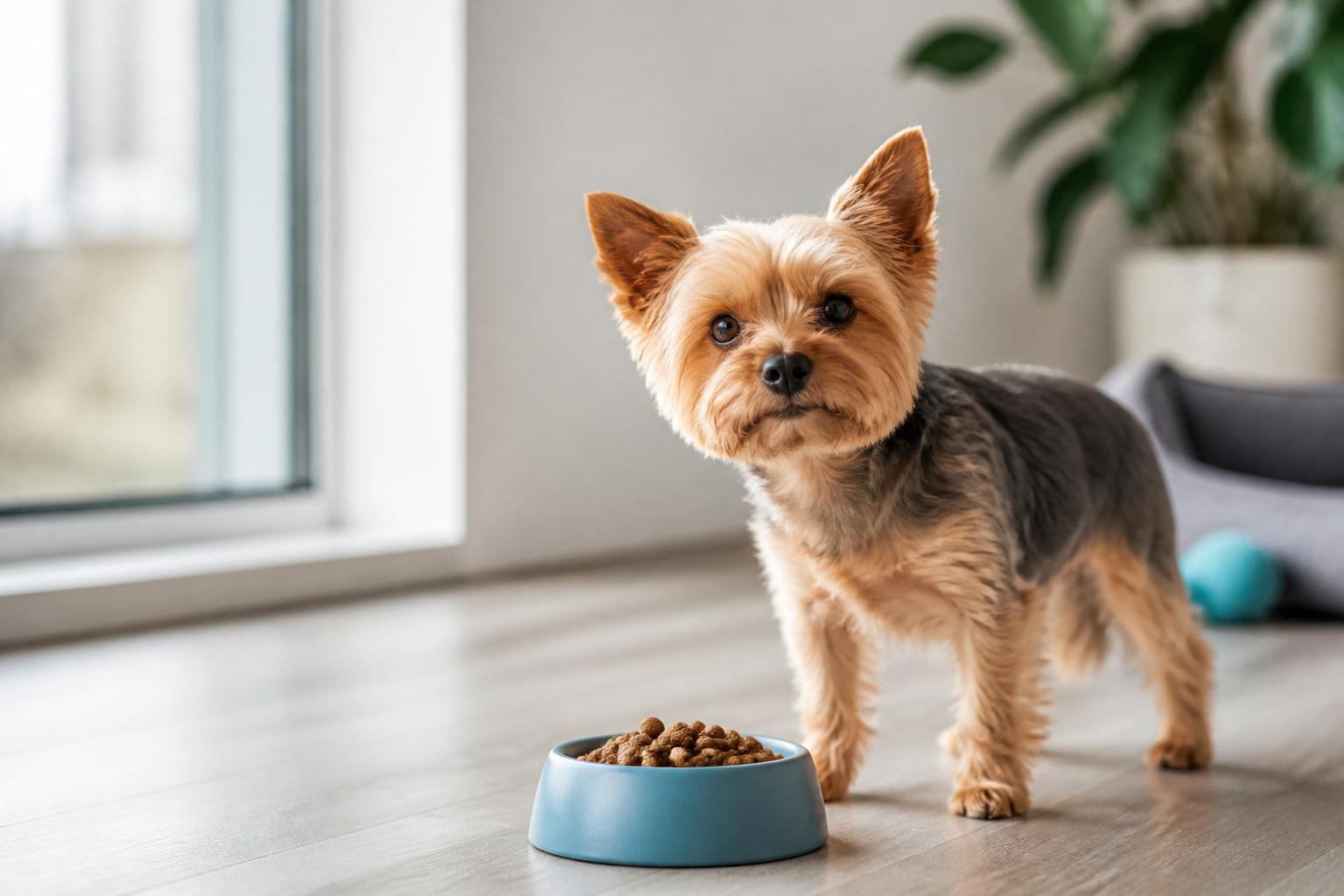
You are standing in the pet food aisle and staring at a wall of colorful bags. Your ten pound terrier is waiting at home for dinner. You want the best for them, but every bag makes different promises. One focuses on "grain-free" while another touts "tiny bites." It is easy to feel overwhelmed when you just want to find a healthy, high quality meal. At BaxterBoo, we have spent years helping pet owners navigate these choices from our warehouse in Vernon Hills. We carry over 500 trusted brands because we know that a Chihuahua has very different needs than a Golden Retriever. This guide will help you understand small breed nutrition and how to choose the right fuel for your dog. We will cover metabolism, kibble size, and the specific ingredients that help your petite pup thrive.
Quick Answer: The best dry dog food for small breeds is a nutrient dense formula with small kibble and high calorie counts per cup. Look for brands like Orijen, Acana, or Farmina that prioritize real meat proteins and healthy fats to support a small dog's fast metabolism.
Why Small Dogs Need Specialized Nutrition
Small dogs are not just smaller versions of big dogs. They are high energy engines that burn through fuel much faster than their larger cousins. A ten pound dog actually needs more calories per pound of body weight than a hundred pound dog. This is because small dogs have a higher metabolic rate. They use energy quickly just to maintain their body temperature and keep their organs functioning.
If you feed a small dog "regular" all-breed dog food, they might have to eat a huge volume of food to get the calories they need. Their tiny stomachs cannot always hold that much kibble. This is why small breed formulas are more calorie dense. They pack more nutrition into every single bite. This ensures your dog gets the energy they need without feeling uncomfortably full. You can compare formulas in our small breeds collection.
The Role of Caloric Density
When you look at a bag of small breed dry food, check the calorie count. You will often see that it is significantly higher per cup than standard formulas. This density is vital for preventing energy crashes. Small dogs, especially toy breeds like Yorkies or Toy Poodles, can experience a sudden drop in blood sugar if they go too long without eating. A calorie dense diet helps maintain steady energy levels throughout the day.
Metabolism and Life Span
Small dogs generally live longer than large breeds. Many small dogs live well into their teens. This means their bodies need long term support for their immune systems and organs. Foods rich in antioxidants from berries or leafy greens are important. These help fight the effects of aging over a decade or more. Our team at BaxterBoo carefully selects brands that include these vital micronutrients.
The Importance of Kibble Size and Shape
The size of the kibble is one of the most obvious differences in small breed food. While a large dog can easily crunch through a big nugget, a small dog might struggle. Small jaws and tiny teeth need a kibble size they can manage safely. Browse our dry dog food selection for extra-small and toy breeds to compare appropriately sized options.
Dental Health Benefits
Small dogs are notoriously prone to dental issues. Their teeth are often crowded into a very small mouth. This crowding makes it easy for plaque and tartar to build up. Crunchy dry food helps scrape away some of this buildup as the dog chews. Small breed kibble is designed to be the right size to encourage chewing rather than gulping. This mechanical scraping is a simple but effective way to support oral hygiene. For additional guidance, read our article about warning signs of dental problems in dogs.
Preventing Choking Hazards
Large kibble can be a genuine choking hazard for a tiny dog. If a dog tries to swallow a large piece of food whole, it could get stuck in their narrow esophagus. Small breed kibble is usually shaped like tiny discs or stars. These shapes are easier to break down and much safer for dogs under 20 pounds.
Key Takeaway: Small breed kibble is specially sized to prevent choking and support dental health by encouraging thorough chewing in small jaws.
Identifying High Quality Ingredients
Not all dry foods are created equal. When you read a label, the first five ingredients tell you the most about the quality of the food. You want to see recognizable whole foods rather than vague terms. Our dog food category makes it easier to compare formulas and ingredients.
What to Look For
- Named Animal Proteins: Look for "chicken," "deboned turkey," or "salmon" as the first ingredient.
- Healthy Fats: Look for chicken fat or salmon oil which provide omega fatty acids.
- Whole Grains or Complex Carbs: If the food is not grain-free, look for brown rice or oatmeal. For grain-free options, look for lentils or sweet potatoes.
- Antioxidants: Ingredients like blueberries, spinach, and cranberries support a long life.
Ingredients to Avoid
We recommend avoiding foods that use generic terms or chemical preservatives. If the label says "meat meal" without saying what animal it came from, put it back on the shelf. You should also steer clear of BHA, BHT, and ethoxyquin. These are artificial preservatives that some studies have linked to health concerns. Artificial colors like Red 40 or Yellow 5 are also unnecessary. Your dog does not care what color their food is, and these dyes can sometimes cause skin sensitivities.
Vet Tip: If your small dog has chronic skin issues or persistent itching, it may be a food sensitivity. Consult your veterinarian to see if a limited ingredient diet or a prescription formula from our pet pharmacy is right for your pet.
Managing Life Stages from Puppy to Senior
Your dog's nutritional needs will shift as they move through life. A small breed puppy has very different requirements than an eight year old adult or a fourteen year old senior. For more information about puppy feeding milestones, see our guide to introducing puppies to dry dog food.
Small Breed Puppies
Puppies grow incredibly fast. Small breed puppies reach their adult size much sooner than large breeds. They need high levels of protein for muscle growth and DHA for brain development. They are also at the highest risk for hypoglycemia. We recommend feeding small breed puppies three to four small meals a day to keep their blood sugar stable.
The Adult Maintenance Stage
Once your dog reaches adulthood, the goal is to maintain a healthy weight. Since small dogs are so petite, even a gain of one pound is a big deal. It is like a human gaining thirty pounds. Look for a balance of protein and fat that keeps them lean but energetic.
Senior Small Breeds
Senior small dogs often deal with joint stiffness or declining vision. Formulas with added glucosamine and chondroitin can help keep them mobile. If your senior dog starts to lose teeth, you might need to soften their dry food with a little warm water or a high quality topper.
Bottom line: Matching your dog's food to their specific life stage ensures they get the right balance of nutrients for their current growth rate and activity level.
Recommended Brands for Small Breeds
We carry several brands at BaxterBoo that consistently receive high marks from our customers. These companies focus on high quality sourcing and specialized small breed recipes. You can also read our practical guide to dry food for picky eaters when palatability is a concern.
- Orijen and Acana: These brands are known for high protein content and "biologically appropriate" recipes. Their small breed options are packed with fresh meat and organs.
- Stella and Chewy's: Their "Small Breed Raw Blend" combines high protein kibble with pieces of freeze-dried raw meat. This is excellent for picky eaters.
- Farmina: This Italian brand offers the Vet Life line for specific health needs. Their small breed formulas use ancient grains and have a low glycemic index.
- NutriSource: A great value option that includes probiotics to support the sensitive stomachs often found in small dogs.
Shopping Tips for Small Breed Owners
- Check the bags for a seal: Look for the AAFCO statement. This ensures the food is complete and balanced.
- Buy smaller bags: Because small dogs eat less, a huge bag of food might go stale before you finish it. Freshness matters.
- Use a measuring cup: Do not eyeball the portions. Small dogs need precise calorie counts to avoid obesity.
When a Prescription Diet Is Necessary
Sometimes, a standard over the counter food is not enough. Small dogs are prone to specific health issues like bladder stones, heart murmurs, or kidney disease. In these cases, your veterinarian might recommend a prescription diet. These foods are formulated with precise mineral levels to manage medical conditions.
Our pharmacy at BaxterBoo offers a wide range of FDA-approved prescription pet foods through our partnership with Pet's Choice. We carry brands like Royal Canin Vet Life and other therapeutic diets. If your vet writes a prescription, we can help you get those specialized meals delivered right to your door. This is a convenient way to manage chronic health needs without multiple trips to the clinic.
Handling Picky Eaters and Transitions
Small dogs are famous for being picky eaters. They might love a food one day and turn their nose up at it the next. This behavior can be frustrating, but it is often just a sign that they want more variety or a more enticing aroma.
Transitioning to New Food
Never switch your dog's food overnight. This is the fastest way to cause an upset stomach or diarrhea. Follow this schedule to help your dog's digestive system adjust.
Step 1: Mix 25% of the new food with 75% of the old food for three days. Step 2: If their stool is firm, move to a 50/50 mix for the next three days. Step 3: Increase to 75% new food and 25% old food for another three days. Step 4: If everything looks good, you can now feed 100% of the new formula.
Tips for Picky Eaters
If your dog refuses their kibble, try adding a little warm water. This releases the aromas of the fats and proteins, making the food smell more appetizing. You can also add a small amount of a freeze-dried topper. Many small breed owners find that a little extra flavor goes a long way in convincing a stubborn pup to eat their dinner. Our freeze-dried food collection offers additional options to explore.
Maintaining a Healthy Weight
Obesity is the most common nutritional problem for small dogs. Because they are so small, many owners overfeed them with treats. A single biscuit for a five pound dog can be the equivalent of a whole candy bar for a human.
How to Check Your Dog's Weight
You should be able to feel your dog's ribs easily without pressing hard. When you look at them from above, they should have a visible waistline. If your dog starts to look like a loaf of bread, it is time to cut back on portions. Excess weight puts huge pressure on a small dog's joints and can lead to more serious issues like diabetes or tracheal collapse.
Low Calorie Options
If your dog needs to lose weight, look for a "Weight Management" small breed formula. These foods replace some of the fat with fiber. This helps your dog feel full while consuming fewer calories. You can also swap out high calorie treats for green beans or small pieces of carrot.
Key Takeaway: Small dogs have very little room for error with calories. Use a kitchen scale or a standard measuring cup to ensure you are not accidentally overfeeding.
The BaxterBoo Difference
We believe that every pet deserves the best care possible. Since 2006, our team has worked to curate a selection of products that we would feel comfortable giving to our own pets. We are not just a warehouse; we are a group of pet lovers who understand the joy and responsibility of owning a small breed dog.
When you shop with us, you can take advantage of our MVP Rewards programme. This allows you to earn up to 5% back on your purchases. We also offer a Frequent Buyer Program for many of our top food brands. If you find a food your dog loves, our Autoship programme is a great way to save time and money. You get a discount on your first order and a free MVP Gold membership. This ensures you never run out of your dog's favorite kibble.
Bottom line: Choosing the best dry food for your small breed involves balancing calorie density, kibble size, and ingredient quality to support their unique metabolism and long lifespan.
Conclusion
Finding the right dry food for your small breed dog is an investment in their long term health. By focusing on calorie dense recipes, manageable kibble sizes, and high quality proteins, you provide the foundation for a happy life. Remember that small dogs have unique metabolic needs and require careful weight management to avoid health complications. Always transition to new foods slowly to protect their sensitive stomachs.
If your dog has specific health concerns or requires a prescription diet, we encourage you to consult your veterinarian. Our pharmacy is here to support those specialized needs with FDA-approved medications and foods. For everything else, from premium treats to daily kibble, our dog food collection is ready for you. Sign in today to take advantage of our new customer offer and start earning rewards on every bag you buy.
FAQ
Does my small dog really need a special "small breed" food?
While small dogs can technically eat all-breed food, small breed formulas are usually better. These recipes are more calorie dense to support their fast metabolism and have smaller kibble that is easier for tiny jaws to chew. If you use a regular food, you must be very careful with portion sizes to ensure they get enough nutrients without eating too much volume.
How do I know if my small dog is overweight?
You should be able to feel your dog's ribs under a thin layer of fat, and they should have a visible waist when viewed from above. Because small dogs have such low body weights, even a gain of half a pound can be significant. If you can no longer feel their ribs or their stomach is rounded, talk to your vet about a weight management plan.
Can small breed puppies eat the same food as adult small dogs?
No, puppies should stay on a dedicated small breed puppy formula until they are about 10 to 12 months old. Puppies need more protein, calcium, and phosphorus to support their rapidly growing bones and muscles. Adult food does not have the right balance of these minerals for a growing pup and could lead to developmental issues.
Why does my small dog have such bad breath despite eating dry food?
Small dogs have crowded teeth, which allows food particles and bacteria to get trapped easily. While dry kibble helps scrape away some plaque, it is not a substitute for regular dental care. If your dog has very foul breath, they may have underlying dental disease that requires a professional cleaning from your veterinarian.






