
 Save 15% on your 1st Autoship learn more

 Email us
 Live Chat
 FAQs
FAQs





Introduction
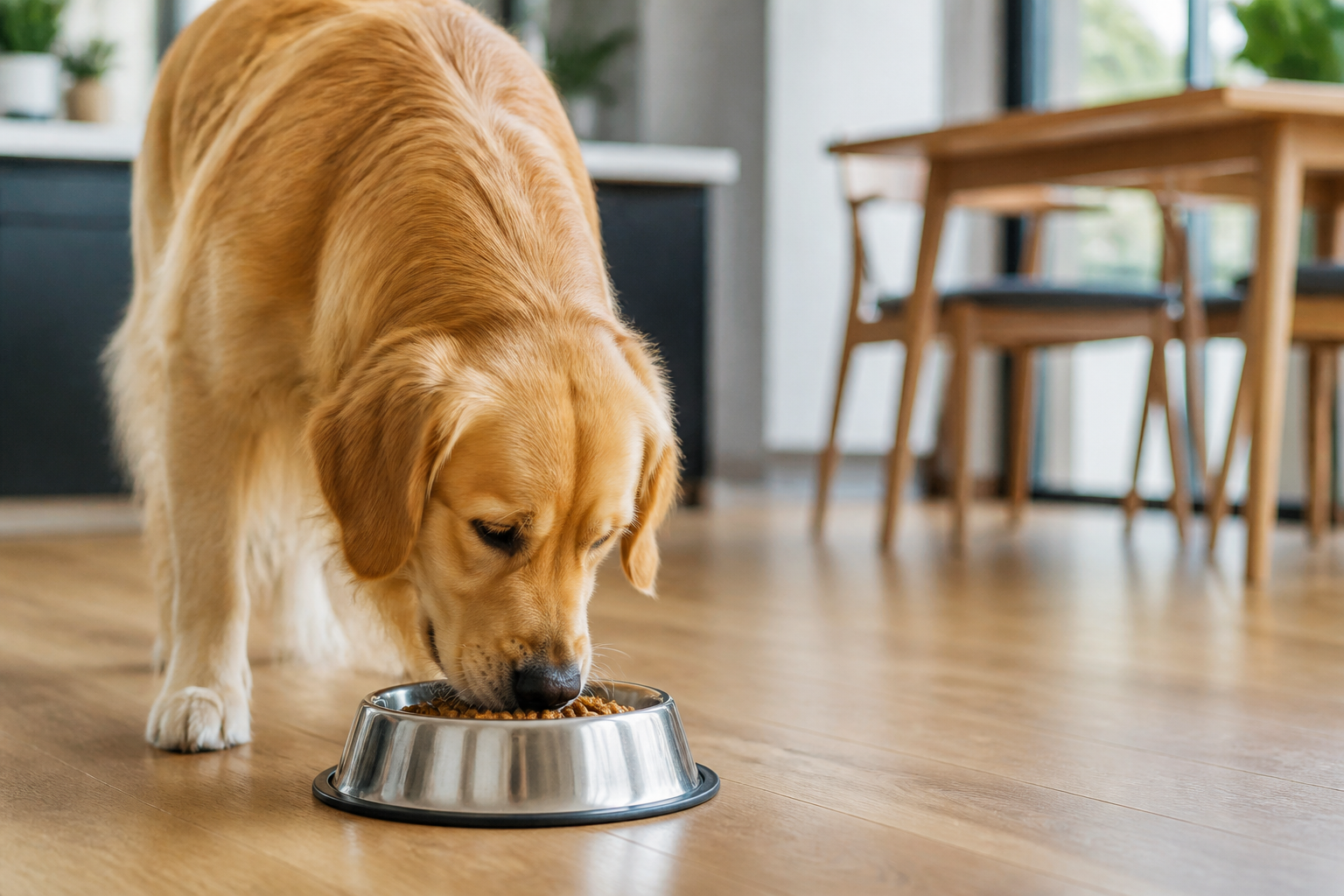
Standing in a pet food aisle often feels like staring at a wall of confusing puzzles. One bag promises a shiny coat while the next claims it is the best for energetic puppies. At BaxterBoo, we see this struggle every day from owners who want a bowl of food that helps their dog thrive without the guesswork. If you’re comparing options, start with our dog food category. Choosing a kibble is one of the most important health decisions you make for your pet. This guide covers how to read labels, what ingredients actually matter, and how to pick a dry food tailored to your dog’s specific life stage and health needs. We will look at brand reputations, nutritional standards, and how to navigate specialized diets. The right choice depends on your pet’s unique biology and lifestyle rather than just a flashy brand name.
Quick Answer: The best dry dog food is one that features an AAFCO statement confirming it is complete and balanced for your dog’s specific life stage. It should prioritize high quality animal proteins and avoid unnecessary chemical preservatives.
Understanding Nutritional Standards and AAFCO
When you pick up a bag of kibble, the first thing to look for is not the pictures of fresh vegetables on the front. Instead, look for the Association of American Feed Control Officials (AAFCO) statement. This is usually found in small print on the back or side of the bag. AAFCO does not technically approve or certify food. Instead, it sets the nutritional standards that manufacturers must meet for a diet to be labeled as complete and balanced.
A complete and balanced diet means the food contains every single nutrient a dog needs in the correct ratios. If a food lacks this statement, it is intended for supplemental feeding only. This means it should not be the primary source of nutrition. For a deeper breakdown of how we evaluate dry diets, see our guide to selecting the best dry dog food. Most high quality brands we carry, such as our selection of Open Farm products and our selection of Orijen products, strictly adhere to these guidelines to ensure your dog gets exactly what they need for daily maintenance.
Life Stage Designations
AAFCO statements also specify which life stage the food supports. This is a critical distinction because a puppy has vastly different needs than an 11 year old dog.
- Gestation/Lactation: For pregnant or nursing mothers.
- Growth: Specifically formulated for puppies.
- Adult Maintenance: For healthy adult dogs with average activity levels.
- All Life Stages: Meets the requirements for both puppies and adults.
The Importance of Feeding Trials
Some brands go a step further than just following a recipe. They conduct feeding trials. This means they actually feed the food to a group of dogs over a set period to ensure the nutrients are being absorbed correctly. While a recipe can look great on paper, feeding trials prove the food works in a real animal. Many veterinarians prefer brands that invest in this level of scientific rigor, such as Royal Canin or Purina Pro Plan.
The Role of High Quality Ingredients
Ingredients are listed by weight before they are cooked. This can be a bit tricky because meat contains a lot of water. Once that water is removed during the kibble making process, the actual protein content might be lower than it appears. This is why you often see a meat meal listed near the top. Meat meal is simply meat that has been dried and concentrated. It provides a dense source of protein that helps meet a dog's biological requirements.
Primary Protein Sources
Look for specific named meats like chicken, beef, or salmon. Avoid generic terms like "meat meal" or "animal fat." If the manufacturer cannot name the animal, the quality is likely lower. Brands like Stella & Chewy’s often use responsibly sourced proteins, including grass fed beef and wild caught fish. These provide essential amino acids that support muscle growth and immune function.
Fats and Carbohydrates
Fat is the primary energy source for dogs. It also helps them absorb certain vitamins. Look for specific sources like chicken fat or salmon oil. These are rich in omega fatty acids, which support skin health and brain development.
Carbohydrates like sweet potatoes, oats, and brown rice provide fiber and energy. Fiber is essential for healthy digestion and firm stools. Some dogs do better with grain inclusive diets that use ancient grains like millet or sorghum. Others may require grain free options if they have specific sensitivities, and you can browse our grain-free dog food collection to compare choices.
Key Takeaway: Prioritize foods that list a specific animal protein as the first ingredient and use clearly named fat sources. Avoid generic terms that do not specify which animal the ingredient came from.
Puppy Nutrition Needs
Puppies are essentially little building sites. They need a higher concentration of calories, protein, and minerals to support their rapidly growing bones and muscles. If a puppy eats adult food too early, they may miss out on critical nutrients. This can lead to developmental issues that affect them for the rest of their lives.
Large Breed vs Small Breed Puppies
The size of your puppy matters as much as their age. Large breed puppies, like Great Danes or Labradors, need carefully controlled levels of calcium and phosphorus. If they grow too fast, their joints and bones may not develop correctly. This can lead to hip dysplasia later in life.
Small breed puppies have much faster metabolisms. They need energy dense kibble that comes in smaller sizes. This makes it easier for their tiny mouths to chew and digest. For age-appropriate options, start with our puppy food category. Nulo offers puppy formulas specifically designed to support these different growth rates.
Brain and Eye Development
When choosing a puppy food, look for DHA (Docosahexaenoic acid). This is an omega-3 fatty acid found in fish oil. It is essential for healthy brain and vision development. Many high quality dry foods now include DHA to help puppies learn faster and stay sharp during training.
Vet Tip: Always choose a formula specifically labeled for puppies until your dog reaches physical maturity. For large breeds, ensure the bag specifically mentions it is formulated for the growth of large size dogs.
Adult Dog Maintenance
Once a dog stops growing, their nutritional needs shift toward maintenance. The goal is to provide enough energy for their daily activity without causing weight gain. Obesity is one of the most common health problems in adult dogs. It puts unnecessary strain on the heart and joints.
Activity Level Matters
A dog that spends most of the day on the couch needs fewer calories than a working dog or a hiking companion. If you notice your dog is gaining weight, you might need a weight management formula. These foods are higher in fiber to help the dog feel full while consuming fewer calories. Farmina offers excellent options for maintaining a healthy weight through their specialized recipes.
Skin and Coat Support
Adult dogs often deal with seasonal allergies or dry skin. Dry foods rich in omega-6 and omega-3 fatty acids can help. These nutrients strengthen the skin barrier and give the coat a healthy shine. Look for ingredients like flaxseed or menhaden fish meal to provide these benefits.
Senior Dog Considerations
As dogs age, their bodies become less efficient at processing certain nutrients. Senior dogs often become less active, meaning they need fewer calories but higher quality protein to maintain muscle mass. Muscle wasting is common in older pets, so protein should not be drastically restricted unless a veterinarian recommends it for a specific health condition.
Joint Health and Mobility
Many senior formulas include glucosamine and chondroitin. These compounds support cartilage health and may help manage the discomfort of arthritis. If your senior dog is starting to slow down or seems stiff in the morning, a food with these additives can be helpful. You may also want to look at our senior dog food category or explore brands like NutriSource that focus on gut health, as older dogs can have more sensitive digestive systems.
Cognitive Health
Some premium senior foods include medium chain triglycerides (MCTs) or antioxidants. These are intended to support brain function as dogs age. These nutrients can help with senior dog "fuzziness" and keep them more engaged with their surroundings.
Specialized Diets and Health Concerns
Sometimes, a standard bag of kibble is not enough. Many dogs deal with specific health challenges that require a more tailored approach to nutrition.
Sensitive Stomachs and Food Allergies
If your dog frequently has loose stools or itchy skin, they may have a food sensitivity. Many owners find success with limited ingredient diets. These recipes use a single protein source and a single carbohydrate source. This makes it easier to identify what might be bothering your pet. Merrick specializes in these types of formulas, often using novel proteins like venison or duck.
Prescription Diets and the Pharmacy
For chronic health issues like kidney disease, urinary crystals, or severe obesity, a standard over the counter food might not be appropriate. These conditions often require prescription diets. These foods are formulated with precise levels of minerals and proteins to manage a specific disease.
Our pet pharmacy provides access to these specialized foods through our partnership with Pet's Choice. We carry FDA approved medications and prescription diets like Royal Canin Veterinary Diet and Farmina Vet Life. These require a valid prescription from your veterinarian to ensure they are the right fit for your dog's medical needs.
Steps to Transitioning Food
- Days 1 to 2: Mix 25 percent new food with 75 percent old food.
- Days 3 to 4: Mix 50 percent new food with 50 percent old food.
- Days 5 to 6: Mix 75 percent new food with 25 percent old food.
- Day 7: Feed 100 percent new food.
Grain Free vs Grain Inclusive
The debate over grain in dog food has been a major topic for several years. Some owners prefer grain free because it feels closer to a "wild" diet. Others prefer grains like brown rice and oatmeal because they provide steady energy and fiber.
Understanding the DCM Investigation
A few years ago, the FDA began investigating a potential link between grain free diets and a heart condition called dilated cardiomyopathy (DCM). This investigation focused on diets high in peas, lentils, and chickpeas. While the research is ongoing and complex, many veterinarians now recommend grain inclusive diets unless a dog has a confirmed grain allergy.
If you choose a grain free food, ensure it is from a brand that employs veterinary nutritionists. Brands like Acana and Orijen have adjusted their formulas to include more meat and fewer legumes to address these concerns. If you are unsure, your veterinarian can provide the best guidance based on your dog's breed and heart health.
Reading the Guaranteed Analysis
The Guaranteed Analysis is a chart on the back of the bag that lists the minimum percentages of protein and fat. It also lists the maximum percentages of fiber and moisture. This is the best way to compare two different foods directly.
Protein to Fat Ratios
Most healthy adult dogs do well with a protein content between 20 and 30 percent. Active dogs or puppies may need more. The fat content should generally be about half of the protein content. If a food is very high in fat but low in protein, it might lead to weight gain without providing the building blocks for muscle.
Calorie Content
Do not forget to check the calories per cup. This is often listed as kcal/kg or kcal/cup. Two different brands might look similar, but one might have 300 calories per cup while the other has 500. Feeding the same amount of both would lead to very different results for your dog's weight.
Bottom line: Use the Guaranteed Analysis to verify that the protein and fat levels match your dog’s specific activity level and life stage.
Storage and Freshness
Even the best dry food can lose its nutritional value if it is not stored correctly. Once a bag of kibble is opened, the fats begin to oxidize when exposed to air. This can make the food smell rancid and reduce its palatability.
Keep the Original Bag
It is tempting to pour the food into a large plastic bin. However, the best place for kibble is inside its original bag. These bags are designed with barriers to keep oxygen out and fats in. If you want to use a bin, place the entire bag inside the container. This also ensures you have the lot code and expiration date in case of a product recall.
Temperature Control
Store dog food in a cool, dry place. A hot garage or a damp basement can cause the food to spoil quickly or grow mold. For more storage guidance, see our freshness guide for dry dog food. Most dry food is best used within six weeks of opening the bag. If you have a small dog, consider buying smaller bags to ensure the food stays fresh until the last scoop.
Choosing a Trustworthy Brand
With so many brands on the market, it helps to look for those with a long history of safety and quality. We have been operating since 2006, and we handpick brands that we would feel comfortable feeding to our own pets.
Why Brand Reputation Matters
The best brands invest in quality control. They test their ingredients for contaminants like salmonella or lead before they even enter the factory. They also test the finished product before it is shipped. Look for brands that own their own manufacturing facilities, as this gives them more control over the entire process.
Established Safety Records
Brands like Royal Canin and Hill's Science Diet have decades of research behind them. Newer brands like Open Farm focus on transparency and ethical sourcing. Both approaches can lead to excellent food, provided the brand prioritizes nutritional science over marketing trends.
Comparing Dry Food to Other Options
While dry food is the most convenient and cost effective choice, it is not the only option. Some owners like to mix kibble with wet food or freeze dried toppers to increase palatability.
The Benefits of Kibble
Dry food is excellent for dental health. The mechanical action of chewing the hard nuggets can help scrape away a small amount of plaque. It is also much easier to store and can be used in puzzle toys or for training rewards.
Adding Moisture
If your dog does not drink much water, you can add a splash of warm water or low sodium broth to their dry food. This helps with hydration and can make the food more aromatic for picky eaters. You can also mix in freeze dried raw nuggets from brands like Stella & Chewy's for a boost of nutrition and flavor.
Conclusion
Finding the best dry food for a dog involves balancing your pet’s life stage, activity level, and any specific health conditions. Always look for a named animal protein as the first ingredient and ensure the bag carries an AAFCO statement for nutritional adequacy. Whether you are raising a fast growing puppy or supporting a senior dog with joint concerns, the quality of the ingredients matters more than the price tag. At BaxterBoo, we provide over 500 trusted brands to help you find that perfect fit for your home.
- Check for the AAFCO statement to ensure the diet is complete and balanced.
- Match the food to your dog's specific life stage: puppy, adult, or senior.
- Consult your veterinarian if your dog has chronic health issues or requires a prescription diet.
- Transition to new food slowly over seven days to avoid digestive upset.
Key Takeaway: The best food is the one that your dog enjoys, produces consistent stools on, and maintains a healthy body weight for.
If your dog has specific medical needs or requires a prescription diet, visit our pharmacy category to see how we can help through our partnership with Pet's Choice. You can also save on your favorite brands by signing up for our Autoship programme or joining the MVP Rewards programme.
FAQ
What is the most recommended dry dog food by veterinarians?
Veterinarians frequently recommend brands that employ full time veterinary nutritionists and conduct extensive feeding trials. This includes brands like Royal Canin, Hill's Science Diet, and Purina Pro Plan. These companies invest heavily in scientific research to ensure their formulas meet precise nutritional needs for various health conditions and life stages.
Is grain free dry food better for dogs?
Grain free food is not necessarily better for all dogs and is usually only required for those with a diagnosed grain allergy. Recent heart health concerns have led many vets to recommend grain inclusive diets that use high quality grains like oats or brown rice. If you are considering a grain free diet, it is best to discuss the benefits and risks with your veterinarian first.
How do I know if a dry food is high quality?
A high quality dry food will list a specific animal protein as the first ingredient and will not use generic terms like "animal by-product." It should also be free from artificial colors and chemical preservatives like BHA or BHT. Look for a brand with a strong reputation for safety and a clear AAFCO statement on the packaging.
Can I mix different brands of dry dog food?
While you can mix brands, it is generally better to stick to one consistent diet to prevent digestive upset. Mixing foods can also make it harder to identify the culprit if your dog develops an allergy or sensitivity. If you do choose to mix, ensure both foods are formulated for your dog's current life stage and nutritional requirements.






