
 Save 15% on your 1st Autoship learn more

 Email us
 Live Chat
 FAQs
FAQs





Introduction
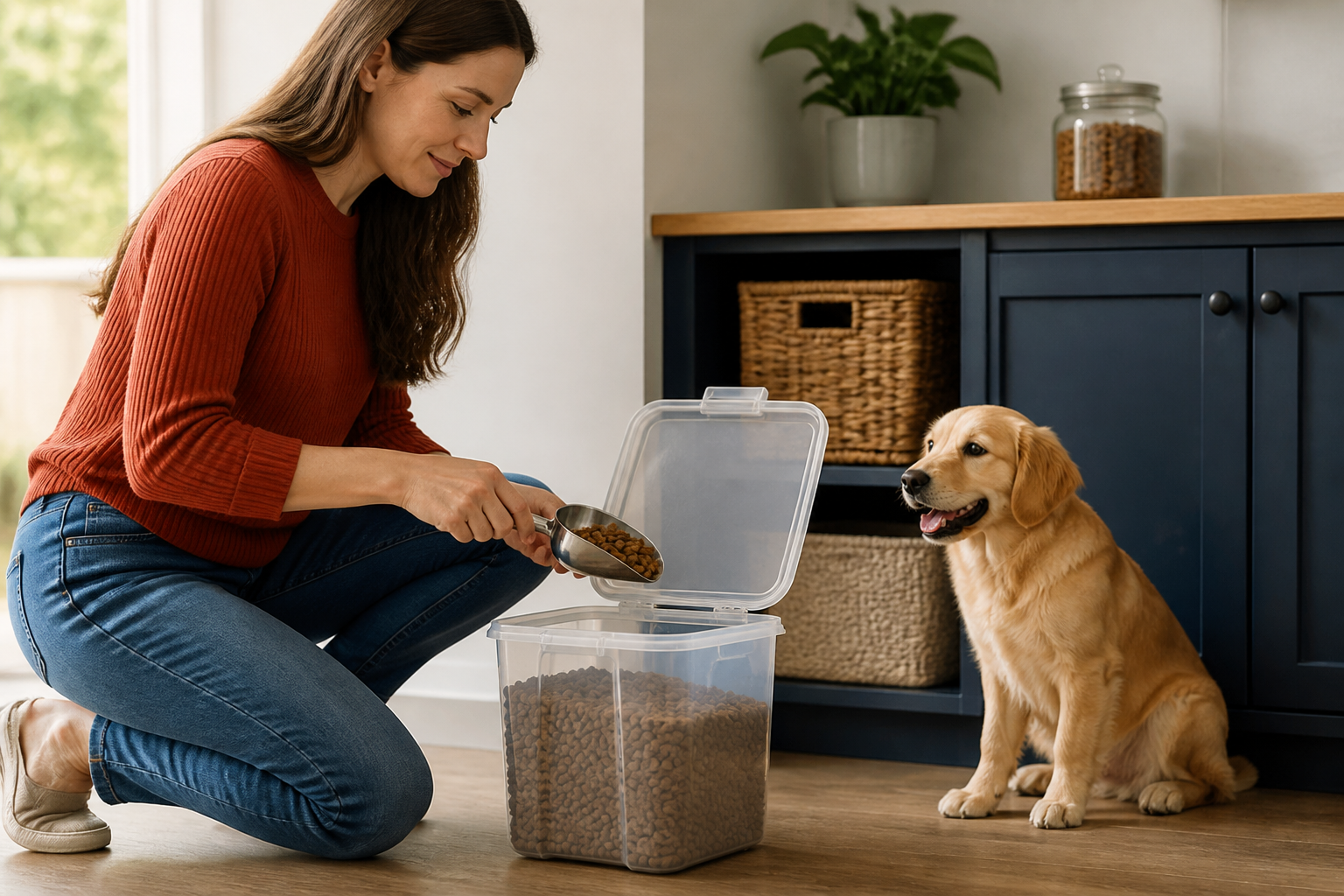
You just hauled a thirty pound bag of premium kibble from your car into the kitchen. You spent time researching the best ingredients and a fair amount of money to ensure your dog gets top tier nutrition. Now, the goal is to make sure that last scoop is just as fresh and nutrient dense as the first one. At BaxterBoo, we see many pet owners unknowingly compromise their dog's health by letting food go stale or attract pests in the garage. This guide will walk you through the practical steps to protect your investment and your pet's digestive health. We will cover the science of oxidation, the ideal storage environment, and why the original packaging is your best friend. The best way to store dry dog food is by keeping it in the original bag inside an airtight container in a cool, dry place.
The Gold Standard: The Bag-in-Bin Method
Many people get home and immediately pour their dog's kibble directly into a plastic or metal bin. While this looks tidy, it is actually one of the fastest ways to let food spoil. The best way to store dry dog food is to keep the kibble inside its original bag and airtight container combination.
Dog food bags are highly engineered pieces of packaging. They are designed with specialized barriers to keep oxygen and moisture out while keeping the essential fats and oils inside. When you pour the food out, you lose that protective layer. Furthermore, the oils from the kibble will eventually coat the inside of your plastic bin. These oils can go rancid over time. If you do not scrub the bin with hot, soapy water between every single bag, those old, rancid oils will contaminate your fresh food.
Keeping the food in the bag also serves a vital safety purpose. The bag contains the lot number, the expiration date, and the specific brand information. If there is ever a product recall, you will need that lot number to see if your bag is affected. Without the original bag, you have no way to know if your dog's food is part of a safety notice.
Quick Answer: The best way to store dry dog food is to keep the kibble in its original bag, roll the top down tightly, and place the entire bag into a sealed, airtight container. This provides a double barrier against air and moisture while keeping important recall information handy.
Fighting the Three Enemies: Air, Light, and Heat
Dry dog food may look shelf stable, but it is actually quite perishable once the seal is broken. To maintain the nutritional integrity of the food, you must defend it against three specific environmental factors.
The Problem with Oxygen
As soon as you open a bag of kibble, the fats inside begin to oxidize. This is the same process that makes old vegetable oil smell "off." Oxidation does more than just make the food taste bad. It actually breaks down the vitamins and essential fatty acids that your dog needs for a healthy coat and immune system. An airtight seal is the only way to slow this process down. If your container does not have a rubberized gasket or a true locking mechanism, it is likely letting in enough air to cause staleness within a few weeks.
Managing Temperature
Heat is a major catalyst for spoilage. You should store your dog's food in a room that stays below 80 degrees Fahrenheit. Many owners keep their pet food in the garage or a backyard shed. In the summer, these areas can reach temperatures well over 100 degrees. This intense heat causes the nutrients in the food to degrade rapidly and encourages the growth of bacteria. If the area is also humid, you risk the development of mold. A climate controlled pantry or a kitchen cabinet is the safest spot for your dog's meals.
Preventing Light Exposure
While less critical than air and heat, light can also play a role in nutrient breakdown. This is why most dog food bags are opaque rather than clear. If you use a clear plastic storage bin, make sure it is kept inside a dark cupboard or pantry. Constant exposure to sunlight or even bright indoor lights can trigger the breakdown of certain vitamins over time.
Key Takeaway: Proper storage is about environmental control. Keep the food in a cool, dark, and dry location to ensure the fats do not go rancid and the vitamins remain potent.
Hygiene and Maintenance for Food Bins
Even if you use the bag-in-bin method, cleanliness is essential. We recommend a regular cleaning schedule for everything that touches your dog's food. This includes the storage bin itself, the measuring scoop, and the food bowl.
If you choose to pour the kibble directly into a bin, you must wash that bin with hot water and dish soap every time the bin is empty. Never "top off" the bin by pouring a new bag on top of the old crumbs at the bottom. Those crumbs are the oldest part of the food and are likely already oxidized. By mixing them, you are effectively seeding your fresh food with rancid oils.
The scoop you use to measure out meals also needs attention. Every time you touch the kibble, the scoop picks up oils. Over a few weeks, these oils build up and can attract dust or bacteria. Toss your scoop in the dishwasher or wash it by hand at least once a week.
Vet Tip: If your dog has a sudden onset of vomiting or diarrhea, check the food for a sour or "paint-like" smell. Rancid fats can cause significant digestive upset. If symptoms persist, consult your veterinarian to rule out foodborne illness or other underlying health issues.
Understanding Shelf Life and Buying Habits
It is tempting to buy the largest bag of food available to save money. However, if you have a small dog, that thirty pound bag might sit open for three months. Most manufacturers recommend using a bag of dry food within six to eight weeks of opening it. For more guidance, read about how long dry dog food stays fresh after opening.
After two months, the nutritional value of the kibble begins to decline significantly, regardless of how well you store it. If you find that you cannot finish a bag within that timeframe, consider buying smaller bags. While the price per pound might be slightly higher, the health benefits of feeding fresh food outweigh the small savings.
At BaxterBoo, we offer a wide variety of bag sizes across hundreds of brands. This allows you to tailor your purchase to your dog's specific eating habits. If you have multiple dogs, a large bag makes sense. If you have a single toy breed, a five pound bag is a much safer choice for freshness. Browse our dry dog food selection to compare options.
Step-by-Step: Setting Up Your Storage System
Step 1: Check the date. / Before buying or opening a bag, ensure the "Best By" date is at least six months away. Step 2: Save the info. / If you must pour food into a bin, cut out the lot number and expiration date and tape it to the lid. Step 3: Seal the bag. / Squeeze the air out of the original bag and fold the top over several times before clipping it. Step 4: Lock the bin. / Place the clipped bag into an airtight container and ensure the lid is fully latched. Step 5: Store off the floor. / Keep the container on a shelf or a pallet to prevent moisture from wicking up through a concrete floor.
Dealing with Pests and Contamination
Pests are a common issue for pet owners. Ants, weevils, and rodents are all attracted to the smell of grain and protein. A simple rolled-up bag is rarely enough to keep a determined mouse or a colony of ants out. This is where a high quality storage bin becomes a necessity.
Look for bins made from food-grade, BPA-free plastic. This ensures that no harmful chemicals leach into the food. Metal bins are also an excellent choice for preventing rodents from chewing through the container. If you notice any signs of insects in the food, such as webbing or small crawling bugs, you should discard the entire bag. Do not try to pick them out. Insects can introduce bacteria and moisture that lead to mold growth deep within the bag.
Our pet pharmacy carries a wide selection of prescription pet medications. If your veterinarian has prescribed a specific diet for a medical condition like kidney disease or food allergies, storing those bags correctly is even more critical. Prescription diets often contain specific balances of fatty acids and nutrients that are very sensitive to environmental changes. Proper storage ensures your dog gets the full therapeutic benefit of the specialized formula.
Common Storage Mistakes to Avoid
There are a few habits that seem harmless but can actually degrade food quality. One is storing food in the refrigerator. While it seems like a good way to keep things cool, the constant opening and closing of the fridge door creates condensation inside the bag. Moisture is the primary cause of mold in dry kibble. Unless the manufacturer specifically instructs you to refrigerate the food, keep it at room temperature in a dry area.
Another mistake is leaving the food bowl out all day. "Free feeding" exposes the kibble to the air and humidity of your home for twelve to twenty-four hours at a time. It also allows your dog's saliva to mix with the food, which introduces bacteria. Try to stick to a feeding schedule where the food is consumed within fifteen to twenty minutes, then pick up and wash the bowl.
Bottom line: Avoiding common mistakes like refrigeration or free feeding will keep your dog's food safer and more appetizing.
Why Quality Packaging Matters
When you shop for food, you might notice that some brands use thick, multi-layered bags with zip-top seals, while others use simple paper bags. The quality of the packaging often reflects the quality of the food inside. Premium brands like Acana, Orijen, or Stella and Chewy's invest in high quality packaging because their foods have higher fat contents and no artificial preservatives.
Natural preservatives like Vitamin E (tocopherols) are effective but they do not last as long as chemical preservatives like BHA or BHT. This means you have to be even more diligent about storage when feeding a natural, high quality diet. If you choose a brand that uses a simple paper bag, it is even more important to get that bag into an airtight bin immediately to prevent the oils from seeping through the paper and becoming rancid.
Managing Multiple Food Types
If you have multiple pets on different diets, storage can get complicated. It is important to clearly label every container. Mixing up a puppy formula with a senior formula can lead to nutritional imbalances over time. If your dog is on a weight management plan using a specific diet like Farmina Vet Life, precision is key.
Using different colored bins or large, waterproof labels can prevent accidental mix-ups. This is especially helpful if you have a pet sitter or a family member helping with chores. Always keep different types of food in separate containers rather than trying to wall them off inside a single large bin.
Key Takeaway: Clear labeling and separate containers prevent nutritional errors and ensure every pet in your home gets the specific formula they need.
The Role of Water and Bowls
The best storage system in the world won't help if the serving bowl is dirty. We recommend washing your dog's water and food bowls daily. Bacteria like Serratia marcescens (the pink slime often seen in water bowls) can thrive in the environment of a pet dish.
Stainless steel, glass, or ceramic bowls are generally better than plastic. Plastic bowls can develop tiny scratches over time that harbor bacteria and are difficult to sanitize. By keeping the bowls clean, you ensure that the fresh food you have carefully stored isn't contaminated the moment it hits the dish.
Conclusion
Investing in the best way to store dry dog food pays off in your pet's long term health. By keeping the kibble in its original bag, sealing it in an airtight container, and choosing a cool, dry location, you protect the vitamins and fats that keep your dog thriving. Remember to buy sizes that your dog can finish within six to eight weeks and keep a close eye on those lot numbers for safety.
At BaxterBoo, we have been helping pet owners since 2006 with expertly curated products and a commitment to quality. Whether you need a new airtight storage bin, a fresh bag of premium dry dog food, or a prescription diet from our pharmacy, we are here to support your pet care journey.
- Keep food in the original bag.
- Use an airtight container with a gasket seal.
- Store in a climate controlled area below 80 degrees.
- Wash scoops and bowls regularly.
Key Takeaway: Proper storage protects your dog's nutrition and your wallet by preventing spoilage and ensuring every meal is safe.
FAQ
Can I store dry dog food in the garage?
It is generally not a good idea to store dog food in a garage because the temperature is not controlled. High heat in the summer can cause the fats in the food to go rancid, while humidity can lead to mold growth. It is much safer to keep the food in a pantry or kitchen cabinet where the temperature stays consistent.
How long does dry dog food stay fresh after the bag is opened?
Most dry dog food remains at peak freshness for about six to eight weeks after the seal is broken. After this point, the nutritional value begins to decline due to oxidation. If you have a small dog, try to buy smaller bags to ensure the food is consumed within this two month window.
Is it okay to pour new dog food on top of old food in a bin?
You should never "top off" a food storage bin with a new bag. The crumbs and oils at the bottom of the bin are the oldest and most likely to be rancid or contaminated with bacteria. Always finish the old bag, wash the bin with hot soapy water, dry it completely, and then add the new bag.
Should I refrigerate dry dog food to keep it fresh?
Refrigeration is not recommended for dry kibble because it can introduce moisture. Every time you take the bag out of the fridge, condensation can form inside the bag, which creates the perfect environment for mold to grow. A cool, dry cupboard is a much better choice for maintaining the quality of dry dog food.






