
 Save 15% on your 1st Autoship learn more

 Email us
 Live Chat
 FAQs
FAQs





Introduction
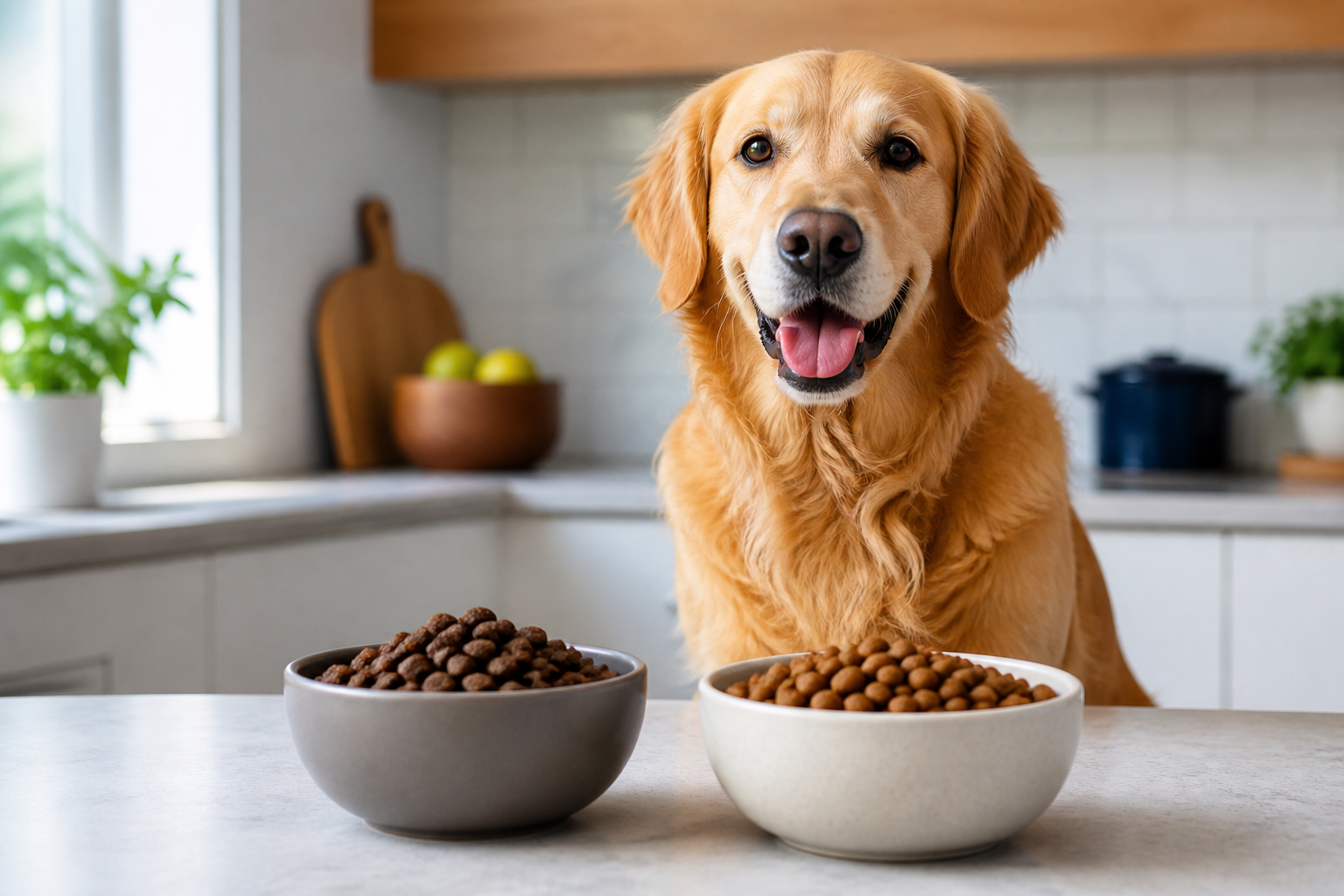
You are standing in the pet food aisle or browsing an online shop, and you notice something confusing. Some bags are labeled as kibble, while others simply say dry dog food. You might wonder if there is a technical difference or if these are just different names for the same crunchy nuggets. At BaxterBoo, we hear this question often from pet parents who want to ensure they are providing the best possible nutrition for their dogs.
The short answer is that kibble is a specific type of dry dog food. While all kibble is dry food, not all dry food is kibble. This distinction matters because the way the food is processed affects its nutritional value, shelf life, and how your dog digests it. In this guide, we will break down the differences in processing, ingredients, and health benefits to help you choose the right bowl for your dog.
The Category vs the Product
To understand the difference, think of it like a hierarchy. Dry dog food is the broad category that includes any food with a low moisture content, usually around 10 percent or less. This category includes kibble, but it also includes air-dried, freeze-dried, and dehydrated options. You can compare these formats in our dog food category.
Kibble is the most common form of dry food. It is defined by its uniform shape and its specific manufacturing process called extrusion. Most pet owners use the terms interchangeably because for decades, kibble was the only dry option on the market. Today, however, the "dry" category has expanded to include premium alternatives that look different and offer different benefits.
Quick Answer: Kibble is a specific type of dry dog food made through a high-heat extrusion process. Dry dog food is an umbrella term that also includes air-dried, freeze-dried, and dehydrated options.
How Kibble Is Made
The defining characteristic of kibble is the extrusion process. This method was adapted from the cereal industry in the 1950s to create a shelf-stable, convenient food for pets.
First, ingredients like meat, grains, vegetables, and fats are ground into a consistent flour. This mixture is blended with water to create a dough. The dough is then fed into a machine called an extruder. Inside the extruder, the dough is subjected to intense pressure and high heat.
As the dough exits the machine through small holes, it is cut into specific shapes by a rotating blade. These pieces are then dried in a large oven to remove moisture. Finally, many brands spray the finished kibble with fats or vitamins to replace nutrients lost during the high-heat cooking process.
The Role of Binders
Because kibble must hold its shape during extrusion, it requires a binder. In traditional kibble, this is usually a grain like corn, wheat, or rice. In grain-free options, manufacturers use starches from peas, lentils, or potatoes. Without these binders, the kibble would crumble into dust before it reached the bag.
Understanding Other Dry Dog Food Types
If a food is dry but not kibble, it usually falls into one of three other categories. These options are often marketed as "premium" because they undergo less intense processing than traditional kibble.
Air-Dried Dog Food
Air-dried food is prepared using a slow, gentle heating process. Instead of being blasted with high heat and pressure, the ingredients are placed in a chamber where air circulates to slowly evaporate the moisture. This preserves more of the natural nutrients found in the raw ingredients. The texture is often more like jerky than a hard biscuit. Brands like Ziwi Peak are famous for this style of dry food.
Freeze-Dried Dog Food
Freeze-drying is a process that removes moisture through sublimation. The food is frozen, and then the surrounding pressure is lowered so the ice turns directly into vapor. This method retains nearly all the vitamins, minerals, and enzymes of the original raw ingredients. Many owners use freeze-dried pieces as a topper for traditional kibble to boost nutrition. We carry many freeze-dried dog food options like Stella and Chewy's that offer this raw-inspired nutrition in a dry format.
Dehydrated Dog Food
Dehydrated food is similar to air-dried but usually requires the owner to add water back in before serving. The ingredients are warmed at a low temperature for a long period. This process creates a shelf-stable product that is much less processed than kibble but more convenient than a frozen raw diet.
Key Takeaway: If the food looks like a uniform, shaped pellet, it is kibble. If it looks like flat flakes, jerky pieces, or crumbled meat, it is likely a different form of dry food.
For more guidance on freeze-dried formats, read our freeze-dried dog food feeding guide.
Nutritional Comparison
The biggest difference between kibble and other dry foods is how the nutrients are handled. High heat can damage sensitive vitamins and amino acids. This is why many kibble manufacturers add a "vitamin pack" at the end of the process.
When you look at the label of a high-quality dry food, you want to see specific ingredients. Avoid generic terms like "meat meal" or "animal fat." Instead, look for "chicken meal," "lamb," or "salmon oil." High-quality brands like Open Farm or Orijen focus on transparency and source their proteins carefully.
What to Look for on a Label
- Named Proteins: The first two or three ingredients should be specific animal proteins.
- Healthy Fats: Look for sources like chicken fat or fish oil rather than vegetable oils.
- Whole Produce: Real fruits and vegetables provide natural antioxidants.
- Limited Fillers: While binders are necessary for kibble, they should not make up the bulk of the food.
Red Flags in Dry Food
- Artificial Colors: Dogs do not care what color their food is, so dyes are only for the owner's benefit.
- Generic By-Products: These are lower-quality parts of the animal that offer less nutritional value.
- BHA/BHT: These are chemical preservatives used to extend shelf life in lower-end kibbles.
The Benefits of Traditional Kibble
Even though it is more processed, traditional kibble remains the most popular choice for several reasons. It is generally the most affordable way to feed a dog a complete and balanced diet. It is also the most convenient. You can leave it in a bowl for a dog that likes to graze throughout the day without it spoiling quickly.
Dental Health
The "crunch" of kibble is often cited as a benefit for dental health. As the dog chews, the hard texture can help scrape away a small amount of plaque. However, this is not a substitute for regular brushing. Some specialized dental kibbles, such as those from Royal Canin or Hill's, are designed with a specific fiber matrix to maximize this cleaning effect.
Storage and Portioning
Kibble is easy to measure and store. Because it is so dry, it can stay fresh in a sealed container for several weeks. This makes it a great choice for busy households or for use in interactive puzzle toys and slow feeders.
When to Choose Non-Kibble Dry Food
If your dog has a sensitive stomach, allergies, or a very picky appetite, a non-kibble dry food might be a better fit. Air-dried and freeze-dried foods often have fewer ingredients. Because they are not cooked at high temperatures, they often retain more of the natural aroma and flavor of the meat, which can entice a stubborn eater.
For another perspective on this format, see is freeze-dried dog food good for your dog.
Better Digestibility
The proteins in air-dried or freeze-dried food have not been "denatured" by high heat as much as kibble proteins. This often makes them easier for the dog's body to break down and absorb. Many owners find that switching to a less processed dry food results in smaller, firmer stools.
Vet Tip: If your dog has a history of kidney issues or urinary stones, any dry food can be a challenge due to its low moisture content. Always discuss your dog's specific dietary needs with your veterinarian, especially if they require a prescription diet.
The Importance of Hydration
One thing all dry dog foods have in common is a lack of water. Dogs in the wild get much of their hydration from the moisture in their prey. When we feed a 100 percent dry diet, we must ensure the dog is drinking enough water to compensate.
Tips for Adding Moisture
- Add a Splash of Water: Simply pouring a bit of warm water over kibble can release aromas and aid digestion.
- Use Bone Broth: This adds flavor and extra nutrients while increasing fluid intake.
- Mix in Wet Food: Using a canned topper is a great way to balance the convenience of dry food with the hydration of wet food.
- Use a Pet Fountain: Many dogs are more likely to drink moving water than standing water.
Choosing the Right Food for Life Stages
Your dog's nutritional needs will change as they grow. A puppy needs more calories and specific minerals for bone growth. A senior dog might need fewer calories but higher-quality protein to maintain muscle mass.
Puppies
Puppy kibble is usually smaller in size to make it easier for small mouths to chew. It is also more calorie-dense. We offer a wide range of puppy-specific dog food options that ensure your new family member gets the right start.
Seniors
For older dogs, joint health is a major concern. Many senior dry foods include added glucosamine and chondroitin. If your senior dog is starting to lose teeth or has gum sensitivity, you might find that air-dried food is easier for them to manage than hard kibble.
Health Conditions and the Pharmacy
Sometimes, standard dry food isn't enough to manage a chronic health issue. If your vet recommends a specific prescription diet for allergies, weight management, or organ health, we can help. Our pet pharmacy offers FDA-approved medications and prescription pet foods through our partnership with Pet's Choice. This allows you to get your dog's specialized food and medicine in one place with the same convenience as your standard orders.
Key Takeaway: Prescription dry foods are formulated with precise nutrient levels to manage specific medical conditions and should only be used under veterinary supervision.
Transitioning Between Foods
Whether you are moving from a standard kibble to a freeze-dried option or just changing brands, you must do it slowly. A sudden change in diet can cause upset stomachs and diarrhea.
The 7-Day Transition Plan
- Days 1-2: 75% old food, 25% new food.
- Days 3-4: 50% old food, 50% new food.
- Days 5-6: 25% old food, 75% new food.
- Day 7: 100% new food.
During this time, watch your dog's energy levels and stool consistency. If you notice any issues, slow down the transition and give their digestive system more time to adjust.
Value and Your Budget
When comparing the cost of kibble versus other dry foods, do not just look at the price per pound. Because air-dried and freeze-dried foods are more nutrient-dense, you often feed much less of them per meal. Check the feeding guidelines on the back of the bag. You might find that a more expensive bag of air-dried food lasts nearly as long as a larger, cheaper bag of kibble.
At BaxterBoo, we want to help you maximize your budget without compromising on quality.
- Autoship: You can save on your first order and a percentage on every recurring delivery. This also grants you a free MVP Gold membership. Learn more about our Autoship programme.
- MVP Rewards: Earn up to 5% back on your purchases to use on future treats or gear. Explore the MVP Rewards programme.
- Frequent Buyer Program: Many of the brands we carry, including NutriSource and Stella and Chewy's, participate in programs where you can earn free bags of food. See how our Frequent Buyer Program works.
Bottom line: While kibble is the most budget-friendly dry food, the "best" food is the one that fits your dog's health needs and your lifestyle.
Storing Your Dry Dog Food
Proper storage is the best way to ensure your dog's food stays safe and nutritious. Once a bag is opened, the fats in the food begin to oxidize when exposed to air. This can lead to the food going rancid, which tastes bad and can make your dog sick.
Storage Best Practices
- Keep it in the bag: The original bag is designed to keep moisture and air out. Place the entire bag inside a plastic or metal bin rather than pouring the food directly into the bin.
- Seal it tight: Use a bag clip or the built-in zipper to close the bag after every meal.
- Cool and dry: Store the food in a temperature-controlled environment. Avoid garages or sheds where heat and humidity can fluctuate.
- Check the date: Always look for the "Best By" date before purchasing. While dry food has a long shelf life, it does not last forever.
For more storage guidance, read how long dry dog food lasts.
Summary of Key Differences
| Feature | Traditional Kibble | Air-Dried / Freeze-Dried |
|---|---|---|
| Processing | High heat and pressure (Extrusion) | Low heat or cold vacuum |
| Nutrient Retention | Moderate (often supplemented) | Very High (natural) |
| Texture | Hard and crunchy | Jerky-like or light and airy |
| Cost | Most affordable | Premium |
| Shelf Life | Very long | Long (once opened) |
| Convenience | Highest | High |
Conclusion
Understanding the difference between kibble and dry dog food helps you navigate the thousands of options available today. While kibble offers unmatched convenience and value, other dry formats like air-dried and freeze-dried food provide a nutrient-rich alternative for dogs with specific needs or discerning palates.
The best choice is a high-quality diet that your dog enjoys and thrives on. Whether you stick with a trusted kibble or explore the world of freeze-dried nutrition, we are here to support you with expert advice and the best brands in the industry.
Key Takeaway: All kibble is dry dog food, but the category also includes less processed options like freeze-dried and air-dried meals that offer higher nutrient retention.
For your next bag of food, explore our curated selection of dry dog food. If you are a new customer, remember that you can earn a 10 dollar reward on your first order of 39 dollars or more when you sign in at checkout.
FAQ
Can I mix kibble with other types of dry dog food?
Yes, many owners mix traditional kibble with freeze-dried or air-dried food to balance cost and nutrition. This is often called "top-dressing." Just be sure to adjust the total portion size so you are not overfeeding your dog.
Is kibble worse for a dog's health than other dry foods?
Not necessarily, as long as you choose a high-quality brand with good ingredients. While kibble is more processed, many dogs live long, healthy lives on a kibble-based diet. The most important factor is the quality of the ingredients and ensuring the food is complete and balanced for your dog's life stage.
Why does my dog's dry food smell different than the last bag?
Because many premium brands use natural ingredients without artificial preservatives or dyes, there can be slight variations in smell or color between batches. However, if the food smells sour, musty, or like old paint, it may have gone rancid, and you should not feed it to your dog.
Do I need to add water to kibble?
You do not have to add water, as kibble is designed to be fed dry. However, adding a small amount of water or broth is an excellent way to improve hydration and make the food more appetizing. This is especially helpful for older dogs or those who do not drink much water on their own.






