
 Save 15% on your 1st Autoship learn more

 Email us
 Live Chat
 FAQs
FAQs





Introduction
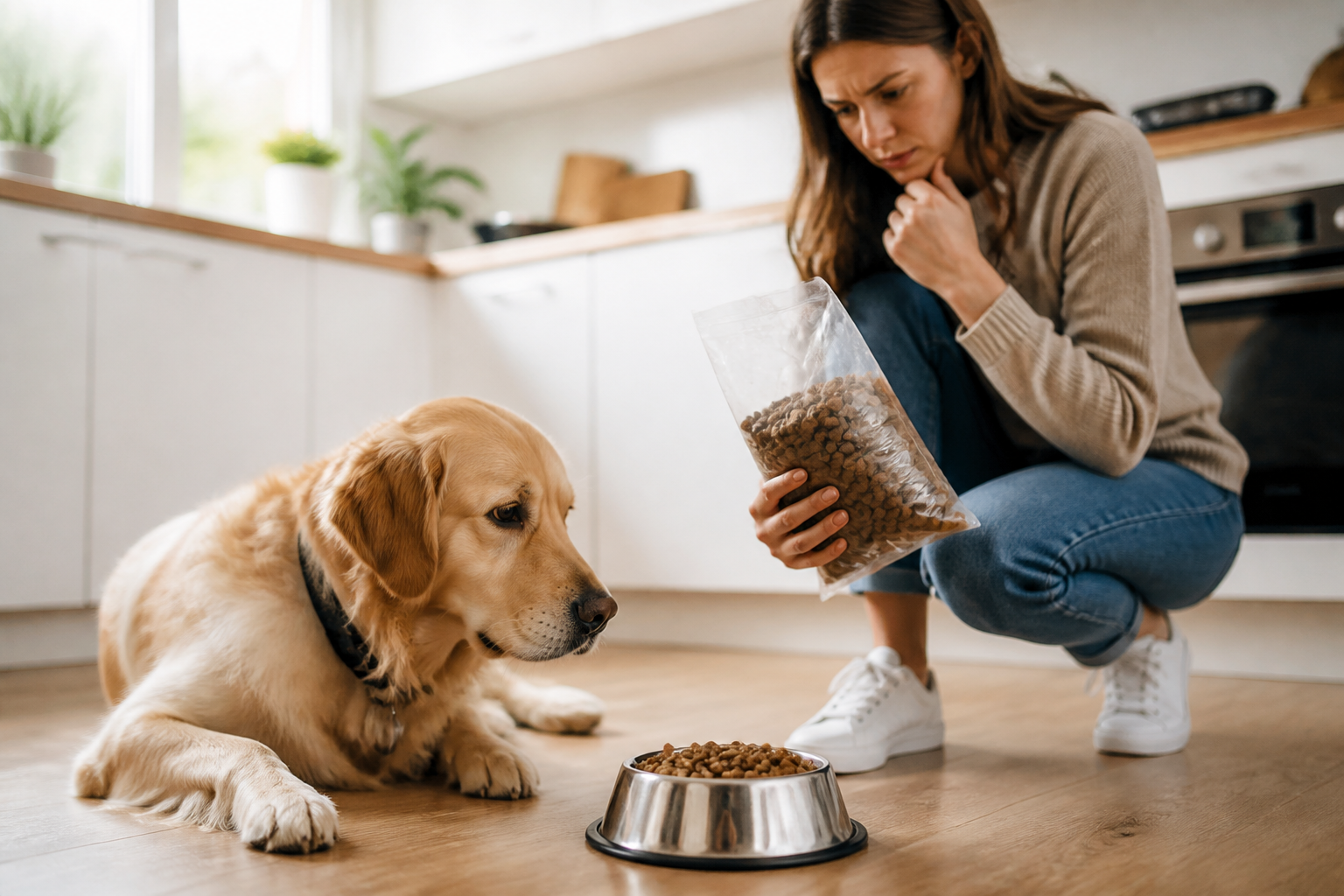
You are standing in a crowded pet food aisle or scrolling through endless pages of online listings. Hundreds of bags feature photos of glistening steaks and vibrant vegetables. Every brand claims to be the gold standard for canine health. It is a confusing moment for any pet owner who just wants to do the right thing for their dog. At BaxterBoo, we believe that choosing the right fuel for your pet should not feel like a guessing game. We have spent nearly two decades curating products that prioritize animal wellness over corporate profits.
This guide will explain exactly what makes a dry dog food low quality. We will look at red flag ingredients, marketing tricks, and the long term health risks of poor nutrition. Our goal is to give you the tools to spot the worst dry dog food options on the shelf. You deserve to know what is actually inside that bag before it ends up in your dog’s bowl.
The Red Flag Ingredients That Define Poor Quality
The easiest way to identify a low quality food is to flip the bag over and read the ingredient list. The worst dry dog foods usually share a specific set of ingredients designed to keep production costs low while providing very little nutritional value. If you are comparing alternatives, browse our dry dog food category to review available formulas.
Vague Meat Sources and By-Products
In a high quality food, the first ingredient is a specific animal protein like chicken, beef, or lamb. In the worst dry dog foods, you will see terms like "meat meal" or "animal by-products." These are red flags because the manufacturer is not specifying which animal the meat comes from.
Generic meat meal can contain tissues from a variety of sources. It often includes what the industry calls 4D meat: animals that were dead, dying, diseased, or disabled before reaching the plant. Poultry by-product meal is another concern. It can include feet, beaks, and undeveloped eggs. While these parts contain some protein, they are much harder for a dog to digest than clean muscle meat.
Excessive Fillers like Corn, Wheat, and Soy
Fillers are ingredients added to provide bulk and calories without adding much nutrition. While some grains are fine for most dogs, the worst kibbles use corn or wheat as the very first ingredient. This means your dog is mostly eating a carbohydrate-heavy cereal rather than a meat-based diet.
Corn gluten meal is a common culprit. It is a cheap way to boost the protein percentage on the label without using actual meat. However, plant-based proteins do not contain the full profile of amino acids that dogs need to thrive. If the first three ingredients are grains or grain by-products, the food is likely a low quality option.
Quick Answer: The worst dry dog foods are those that list corn or wheat as the primary ingredient. They also use vague "meat meals" and artificial preservatives like BHA or BHT that have been linked to health issues.
Understanding Chemical Preservatives and Dyes
Shelf life is a major priority for budget dog food brands. To ensure a bag can sit in a warehouse for months, manufacturers often use powerful chemical preservatives.
BHA, BHT, and Ethoxyquin
Butylated hydroxyanisole (BHA) and butylated hydroxytoluene (BHT) are synthetic antioxidants used to prevent fats from spoiling. Several studies have linked these chemicals to kidney and liver damage. Some research even suggests they are potential carcinogens. Ethoxyquin is another chemical preservative often found in low quality fish-based foods. It was originally developed as a pesticide.
Artificial Colors and Dyes
Dogs do not care what color their food is. They navigate the world through scent and taste. Artificial dyes like Red 40, Yellow 5, and Blue 2 are added solely to make the food look more appealing to human buyers. These dyes provide zero nutritional benefit and have been linked to hyperactivity and allergic reactions in some dogs.
Sweeteners and Flavor Enhancers
Low quality food often tastes bland because it lacks real meat fat. To make it palatable, companies may add corn syrup, sugar, or "animal digest." Animal digest is a chemically hydrolyzed soup of animal tissues sprayed onto the kibble to make it smell like meat. This can lead to obesity and blood sugar spikes, especially in senior dogs.
How Low Quality Food Affects Your Dog’s Health
Feeding a poor diet is not just about a dull coat. The long term effects of the worst dry dog foods can be severe. When a dog does not get the right nutrients, their body starts to show signs of wear. For another perspective on evaluating ingredients and food quality, read our guide to choosing dry dog food.
Digestive Distress and Allergies
Cheap fillers like soy and wheat are common allergens. If your dog is constantly itching, licking their paws, or having soft stools, their food might be the problem. Low quality proteins are also harder to break down. This leads to more waste and more frequent bathroom trips.
Skin and Coat Issues
A shiny coat is a sign of internal health. Poor quality foods often lack the Omega-3 and Omega-6 fatty acids found in high quality oils like salmon oil. Without these, a dog’s skin becomes dry and flaky. Their fur may become brittle or fall out in patches.
Long Term Organ Strain
The synthetic additives and high sodium levels in budget kibbles put a heavy burden on the kidneys and liver. These organs must work overtime to filter out chemicals that the body cannot use. Over several years, this can contribute to organ failure or chronic conditions.
Vet Tip: If your dog shows sudden changes in energy, coat quality, or digestion, consult your veterinarian. They can help rule out underlying issues and may suggest a prescription diet if a chronic condition is present.
Why Some Famous Brands Fall Short
Many of the brands you see advertised during major sporting events are actually among the lowest rated by nutrition experts. Brands like Ol' Roy, Alpo, and Pedigree are often criticized for their heavy reliance on corn and unidentified meat sources.
The Case of Beneful and Purina Dog Chow
Purina is one of the largest pet food manufacturers in the world. While they make some high-quality lines, their entry-level products like Dog Chow and Beneful often contain high amounts of sugar, salt, and artificial colors. Beneful has faced numerous consumer complaints over the years regarding digestive issues.
Grocery Store Staples
Brands like Kibbles 'n Bits or Gravy Train are designed for one thing: price. They use corn syrup to create a "gravy" and rely heavily on soybean meal. These foods are essentially the "fast food" of the dog world. They might fill the stomach, but they do not nourish the body.
How to Read a Dog Food Label Like an Expert
You do not need a degree in animal nutrition to spot bad food. You just need to know what to look for in the first five ingredients. This is where the majority of the nutrition comes from. For more guidance on switching foods safely, see our dog food transition guide.
The First Five Ingredients Rule
- Specific Meat: Look for "Deboned Chicken" or "Beef Meal." Avoid "Meat Meal."
- Whole Grains or Starches: Look for "Brown Rice" or "Sweet Potato." Avoid "Corn Gluten Meal."
- No Added Sugars: Avoid corn syrup or sucrose.
- Natural Preservatives: Look for "Mixed Tocopherols" (Vitamin E).
- Transparency: The brand should tell you exactly what is inside.
Checklist for a Better Bag
- Does it have a specific meat listed first?
- Is it free of artificial colors (Red 40, Yellow 5)?
- Does it use natural preservatives like Vitamin E or Rosemary Extract?
- Is the protein percentage appropriate for your dog's life stage?
- Has the brand avoided recent major recalls for toxins?
Transitioning to a Higher Quality Diet
If you realize you have been feeding one of the lower quality brands, do not panic. You can make a change, but you must do it slowly. A sudden switch can cause an upset stomach.
- Days 1 to 2: Mix 25 percent of the new food with 75 percent of the old food.
- Days 3 to 4: Mix 50 percent of the new food with 50 percent of the old food.
- Days 5 to 6: Mix 75 percent of the new food with 25 percent of the old food.
- Day 7: Feed 100 percent of the new food.
During this week, watch your dog’s stool. If it becomes very loose, slow down the transition. We recommend looking at brands like Acana, Farmina, or The Honest Kitchen for a significant step up in quality.
When Your Dog Needs More Than Just Better Kibble
Sometimes, even the best commercial food is not enough for a dog with health struggles. If your pet is dealing with kidney disease, severe allergies, or obesity, they may need a prescription diet.
We understand that managing a pet's health can be expensive and stressful. Through our partnership with Pet's Choice, we offer our pet pharmacy. This allows you to get FDA-approved medications and prescription pet foods delivered right to your door. If your vet has prescribed a specific diet from brands like Farmina Vet Life or Royal Canin Veterinary Diet, we can help you fulfill that order conveniently.
Key Takeaway: Quality nutrition is the foundation of a long life. Investing in better food now can save you thousands of dollars in veterinary bills later by preventing diet-related illnesses.
Trustworthy Brands to Look For Instead
At BaxterBoo, we curate our selection to ensure we carry brands that prioritize real ingredients. You will find options that avoid the fillers and chemicals mentioned earlier. The Honest Kitchen offers another option for shoppers seeking clearly identified ingredients and minimally processed recipes.
- Acana and Orijen: Known for high meat content and regional sourcing.
- Stella & Chewy’s: Offers freeze-dried raw and high-protein kibble options.
- The Honest Kitchen: Focuses on human-grade ingredients and minimal processing.
- NutriSource: A great mid-range option that focuses on gut health and bioavailability.
- Farmina: Uses high-quality fats and ancient grains without heavy processing.
By choosing these brands, you are opting for transparency. You know exactly what bird or animal provided the protein. You know the carbohydrates come from whole foods rather than factory floor sweepings.
The Role of Supplements in a Dry Food Diet
Even with better dry food, some dogs benefit from extra support. If you are moving away from a lower quality food, your dog might need a boost to recover.
- Probiotics: These help rebuild the gut flora after years of digesting heavy fillers.
- Fish Oil: This provides the essential fatty acids that low-quality foods often lack.
- Glucosamine: This is vital for senior dogs who may have suffered joint inflammation from a high-carb, pro-inflammatory diet.
We carry a wide range of supplements from trusted names like Zesty Paws and Cosequin to help round out your dog's nutrition. Explore our dog supplements and digestive health products to compare available options.
Bottom line: Avoiding the worst dry dog food starts with reading the first five ingredients and rejecting vague meat sources and artificial chemicals.
Making the Best Choice for Your Dog
Your dog relies on you for every single meal. Choosing a high-quality dry food is one of the most impactful decisions you can make for their daily happiness and long term health. While budget-friendly options may seem attractive at the checkout counter, the cost of poor nutrition often appears later in the form of vet visits and chronic illness.
When you shop with us, you are choosing a team that cares about the ingredients as much as you do. We offer several programs to help make quality food more affordable. Our MVP Rewards program lets you earn 5% back on your purchases. If you find a brand your dog loves, our Autoship program ensures you never run out and provides a discount on your first order.
FAQ
What is the most dangerous ingredient in cheap dog food?
The most concerning ingredients are chemical preservatives like BHA and BHT, which have been linked to cancer and organ damage. Additionally, vague ingredients like "meat meal" are dangerous because their actual source is unknown. These can include diseased animals or non-nutritional waste products that can make a dog sick over time.
Why do companies put corn and wheat in dog food?
Corn and wheat are used primarily as inexpensive fillers to keep the price of the bag low. They are easy to source in bulk and provide calories, but they are not the ideal primary energy source for a dog. High levels of these grains can lead to weight gain and blood sugar issues because they are processed by the body as simple sugars.
Is expensive dog food always better than cheap dog food?
Not necessarily, but there is usually a direct correlation between price and ingredient quality. High-quality animal proteins and whole vegetables cost more than corn gluten meal and animal by-products. However, you should still check the label of expensive brands to ensure you aren't just paying for fancy packaging or celebrity endorsements.
How can I tell if my dog's current food is making them sick?
Common signs of a poor diet include chronic itching, red paws, a dull or greasy coat, and frequent digestive upsets like gas or diarrhea. If your dog seems lethargic or has a strong "doggy" odor, it could be due to a buildup of toxins or a lack of essential nutrients in their food. Always consult a veterinarian to rule out other medical conditions before assuming the food is the sole cause.






