
 Save 15% on your 1st Autoship learn more

 Email us
 Live Chat
 FAQs
FAQs





Introduction
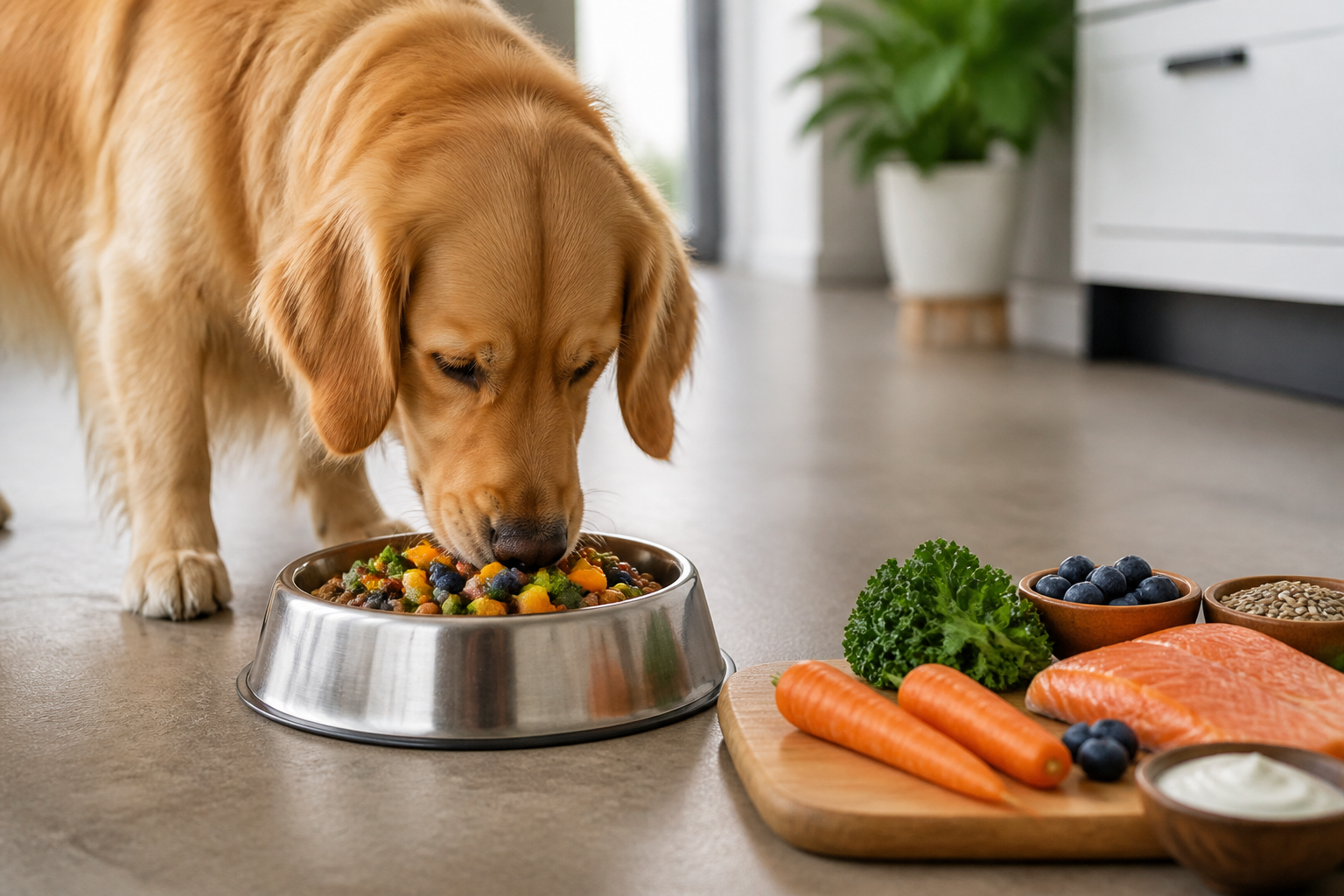
You stand at the kitchen counter while your dog watches your every move. Perhaps they do a little dance, or maybe they just stare at their bowl with a look of mild disappointment. Many of us feed dry kibble because it is convenient and provides a balanced foundation. However, eating the same dry nuggets every day can become repetitive for any pet. You might find yourself wondering how to make those meals more exciting or more nutritious.
At BaxterBoo, we believe that mealtime should be the highlight of your dog's day. Adding fresh, whole-food toppers can transform a standard meal into a nutritional powerhouse. This article covers various healthy additions, from kitchen staples to specialty toppers. We will explain how to introduce these items safely and how to maintain a balanced diet. Our goal is to help you feel confident about boosting your dog's bowl with ingredients that support their long-term wellness.
Quick Answer: You can safely add fresh proteins like eggs, canned sardines in water, or plain cooked chicken to your dog's dry food. Healthy produce like pureed pumpkin, steamed green beans, and blueberries also provide excellent fiber and antioxidants.
Why Add Fresh Food to Kibble?
Dry dog food is a highly processed product. To make kibble shelf-stable, manufacturers cook ingredients at high temperatures and remove most of the moisture. This process can sometimes reduce the natural enzyme content of the food. Adding fresh, unprocessed items can bring some of those live nutrients back into the diet.
Fresh additions also help with hydration. Most dogs do not drink enough water to compensate for a completely dry diet. By adding moisture-rich toppers, you support kidney function and overall urinary health. It also makes the food much more aromatic. For a picky eater or a senior dog with a fading sense of smell, a warm, moist topper can be the difference between a full belly and a skipped meal. For another approach to improving hydration and digestion, read our guide to wetting dry dog food.
Key Takeaway: Adding fresh food to kibble introduces moisture, live enzymes, and varied textures that support better hydration and digestive health.
The 10 Percent Rule: Keeping the Balance
Before you start raiding the refrigerator, it is important to understand the balance of nutrition. Commercial dog foods are formulated by experts to meet specific nutritional standards. When you add too many extras, you risk diluting the vitamins and minerals in the base diet. You also risk adding too many calories, which can lead to weight gain.
Most veterinarians recommend that "extras" should make up no more than 10 percent of your dog's total daily calorie intake. If you plan to replace a larger portion of the meal, say 25 percent or more, you must be more careful. At that level, you need to ensure the additions include the right balance of calcium and phosphorus. For most owners, sticking to the 10 percent rule is the easiest way to stay safe.
How to Calculate the 10 Percent
- Find the total daily calories your dog needs based on their weight and activity level.
- Identify the calorie count of your chosen addition.
- Ensure the topper calories do not exceed one-tenth of the daily total.
- Reduce the amount of dry kibble slightly to accommodate the extra calories.
Vet Tip: If your dog has a chronic health condition like kidney disease or pancreatitis, always consult your veterinarian before adding new foods. Some toppers are high in phosphorus or fat, which can be dangerous for pets with specific medical needs.
Protein Boosters: From the Fridge to the Bowl
Protein is the building block of your dog's muscles, skin, and immune system. While kibble contains protein, adding fresh animal sources can provide highly digestible amino acids.
Whole Eggs
Eggs are one of the most complete sources of protein available. They are also affordable and easy to prepare. You can serve them raw, scrambled, or hard-boiled. Some owners worry about raw egg whites causing a biotin deficiency. While raw whites do contain avidin, which binds to biotin, the yolk contains more than enough biotin to compensate. For a medium-sized dog, half an egg a day is a great starting point.
Canned Fish
Sardines, mackerel, and pink salmon are incredible toppers. Look for fish packed in water with no added salt. These oily fish are loaded with Omega-3 fatty acids. These fats help reduce inflammation and keep the coat shiny. One or two small sardines a few times a week is plenty for most dogs. Avoid raw salmon from the Pacific Northwest, as it can carry parasites that are fatal to dogs.
Lean Muscle Meats
Plain, unseasoned chicken, turkey, or lean beef can be added raw or lightly cooked. If you use store-bought meat, lightly searing it can reduce the risk of surface bacteria. Never feed cooked bones, as they become brittle and can splinter in the digestive tract. Heart meat is also an excellent choice because it is rich in taurine, which supports heart health.
Hydration Boosters: Adding Moisture and Flavor
If your dog leaves their kibble sitting in the bowl, they might just find it too dry. Adding liquids can improve the texture and make the food easier to swallow. You can also explore our dog food category for wet and dry meal options.
Bone Broth
Bone broth is a favorite among pet owners for a good reason. It is rich in collagen, glucosamine, and chondroitin. These nutrients support joint health, which is especially important for senior dogs. You can make your own by simmering bones with a splash of apple cider vinegar for 24 hours. Alternatively, we carry several pet-safe bone broths from brands like Stella & Chewy's and Open Farm. Ensure any store-bought broth is free of onions, garlic, and excessive salt.
Raw Goat's Milk or Kefir
Goat's milk is often called "universal milk" because it is so easy to digest. It is packed with probiotics that support a healthy gut microbiome. If your dog has a sensitive stomach or gas, a splash of goat's milk or plain unsweetened kefir can help. Start with a very small amount to ensure your dog is not lactose intolerant.
Step-by-Step: Introducing Liquid Toppers
Step 1: Start with a tablespoon of broth or milk mixed into the kibble. Step 2: Observe your dog for 24 hours for any signs of loose stools. Step 3: Gradually increase the amount over a week if they tolerate it well. Step 4: Use warm (not hot) liquids to help release the aromas of the dry food.
Garden Fresh Additions: Fruits and Vegetables
Vegetables provide fiber and phytonutrients that are often lacking in processed diets. However, dogs have short digestive tracts. They cannot easily break down the tough cellulose walls of raw vegetables.
Best Vegetables for Dogs
- Pumpkin: Plain canned pumpkin (not pie filling) is a miracle for digestion. It helps with both constipation and diarrhea.
- Green Beans: These are low in calories and high in fiber. They are a great "filler" for dogs that need to lose weight.
- Carrots: Serve them steamed or finely grated. They provide beta-carotene for eye health.
- Broccoli: Small amounts of steamed broccoli provide powerful antioxidants.
Healthy Fruit Options
Fruits should be fed in moderation due to their sugar content. Blueberries are perhaps the best choice because they are low in sugar and high in antioxidants. Bananas, apples (without seeds), and watermelon are also safe. Avoid grapes and raisins entirely, as they are toxic to canine kidneys.
Bottom line: Vegetables should be pureed, steamed, or finely grated to ensure your dog can actually absorb the nutrients inside them.
Commercial Toppers: Convenience and Nutrition
If you do not have time for meal prep, commercial toppers offer a high-quality alternative. These products are designed to be shelf-stable but minimally processed. Our selection of freeze-dried food includes convenient options for adding texture and flavor to meals.
Freeze-Dried Raw
Freeze-dried morsels, like Stella & Chewy's Duck Duck Goose Meal Mixers Dog Food Topper, provide the benefits of raw food without the mess. These are made from meat, organs, and bone. They are intensely flavorful and work well for picky eaters. You can crumble them over the food or rehydrate them with a little water.
Air-Dried Toppers
Air-dried foods are slowly dried at low temperatures. This preserves the nutrients while creating a jerky-like texture. Brands like Ziwi Peak or Redbarn offer air-dried options that are very calorie-dense. A small handful can significantly boost the protein content of a meal.
Meal Dusts and Sprinkles
For the pickiest dogs, "magical" dinner dusts are available. These are finely ground freeze-dried meats that coat every piece of kibble. This ensures the dog cannot just pick out the "good stuff" and leave the dry food behind. Another convenient option is the Wellness CORE Bowl Booster freeze-dried topper.
Managing Health Through Nutrition
Sometimes, adding things to your dog's food is about more than just taste. It can be a way to manage ongoing health concerns. If your dog has dry, itchy skin, adding a high-quality fish oil can make a visible difference in a few weeks. If they are slowing down on walks, a topper rich in green-lipped mussel or turmeric can support joint comfort.
For dogs with more complex needs, such as severe allergies or chronic kidney issues, specialized diets are necessary. Our pet pharmacy offers FDA-approved medications and prescription pet foods through our partnership with Pet's Choice. If your veterinarian has prescribed a specific diet like Farmina Vet Life, you can fulfill those needs through us. Managed nutrition is a powerful tool for longevity.
Vet Tip: If your dog is losing weight, has a dull coat, or seems lethargic, do not try to fix it with toppers alone. A veterinary exam is necessary to rule out underlying issues like parasites or organ dysfunction.
Safety and What to Avoid
Not everything in your pantry is safe for your dog. Some common human foods are highly toxic to pets. Always double-check before sharing a snack.
The "Never" List
- Onions and Garlic: These can cause oxidative damage to red blood cells.
- Grapes and Raisins: Even small amounts can cause acute kidney failure.
- Xylitol: This artificial sweetener is found in some peanut butters and yogurts. It causes a life-threatening drop in blood sugar.
- Macadamia Nuts: These cause weakness, vomiting, and tremors.
- Cooked Bones: These are a major choking hazard and can puncture the digestive tract.
Safe Treat Checklist
- Checked for Xylitol in peanut butter or yogurt
- Removed all seeds and pits from fruit
- Served plain with no salt, onions, or garlic
- Kept the portion under 10% of daily calories
Conclusion
Enhancing your dog's dry food does not have to be complicated. Whether you add a simple egg, a splash of bone broth, or a scoop of freeze-dried raw toppers, you are providing valuable variety. These small additions support hydration, joint health, and a shiny coat. Remember to introduce new items slowly and keep the total amount of extras within a safe limit.
If you are looking for high-quality, pre-made boosters, we have a wide selection of toppers and mixers. For dogs with specific health requirements, our pharmacy is a trusted resource for prescription diets and medications. We invite you to explore our Medical & Mobility section or sign up for our Autoship programme to ensure you never run out of your dog's favorite healthy additions.
FAQ
Can I add water to my dog's dry food every day?
Yes, adding water to dry kibble is a great way to increase hydration. It softens the food, which can be helpful for puppies or senior dogs with dental issues. Water also helps release the aroma of the kibble, making it more appealing. Just be sure to wash the bowl after every meal, as wet kibble can grow bacteria more quickly than dry food. For more details, see our guide on adding water to dry dog food.
Is it okay to mix wet and dry dog food?
Mixing wet and dry food is a common and safe practice. Wet food typically has higher protein and moisture content than kibble. When mixing the two, make sure you adjust the portions of each to avoid overfeeding. Using wet food as a topper is often more cost-effective than feeding a 100 percent canned diet while still providing the benefits of extra hydration.
Can I give my dog scrambled eggs every day?
You can give your dog scrambled eggs daily as long as they fit within the 10 percent calorie rule. Eggs are a nutrient-dense whole food, but they are also relatively high in fat. For a small dog, a whole egg every day might be too many calories. Always cook the eggs plain, without adding butter, oil, salt, or milk, to keep them as healthy as possible.
What is the best oil to add to dry dog food?
The best oils for dogs are those high in Omega-3 fatty acids, such as fish oil, krill oil, or squid oil. These oils support brain health, reduce skin inflammation, and keep the coat looking glossy. While olive oil and coconut oil are safe in small amounts, they do not provide the same anti-inflammatory benefits as marine-based oils. Always look for a high-quality, mercury-tested fish oil designed specifically for pets.






