
 Save 15% on your 1st Autoship learn more

 Email us
 Live Chat
 FAQs
FAQs





Introduction
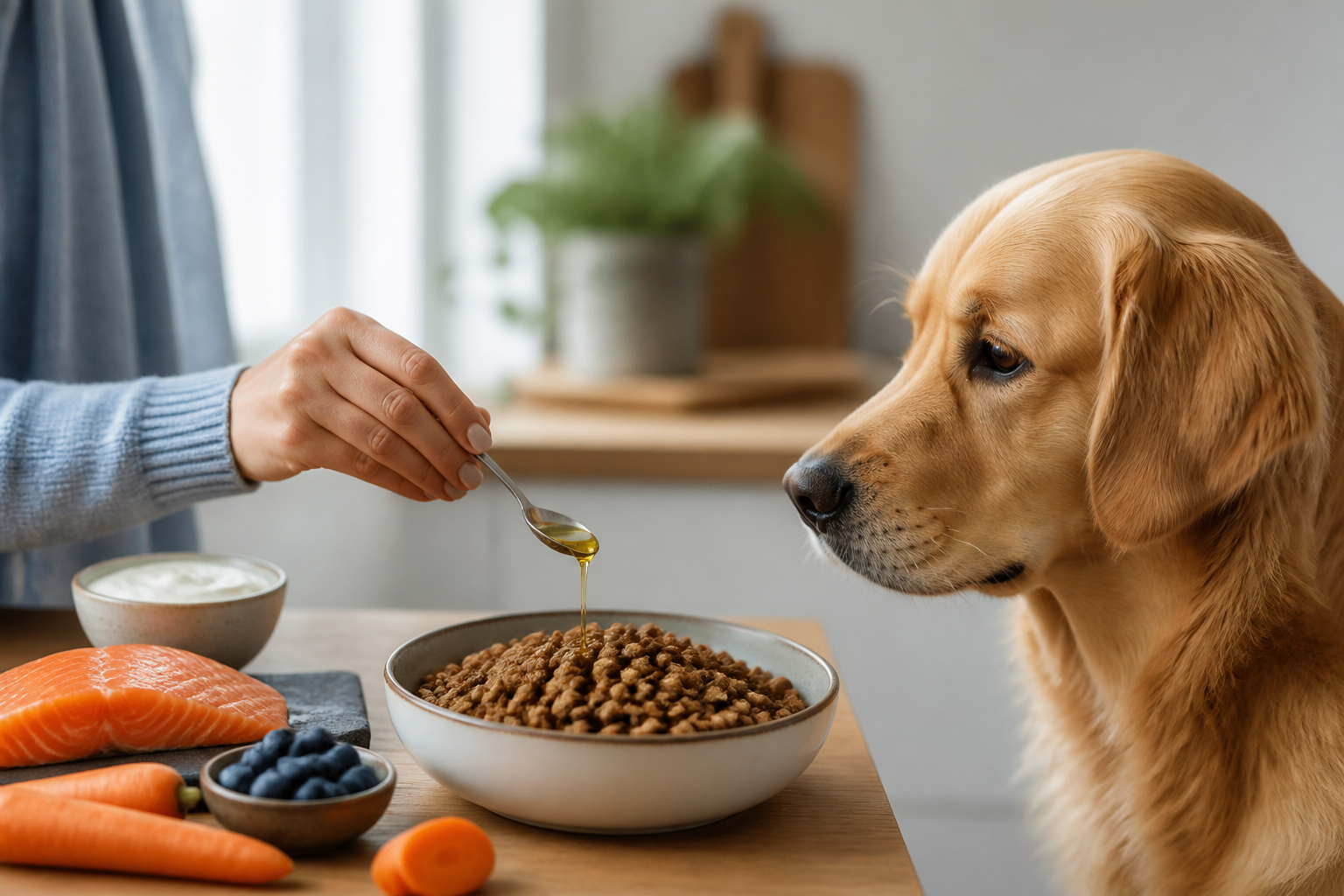
You are relaxing on the couch when you hear the familiar, rhythmic thumping of a hind leg against the floor. Your dog is scratching again. Perhaps you notice white flakes on their dark coat, or their fur feels brittle and coarse under your hand. Dry, itchy skin is one of the most common reasons pet owners visit our warehouse in Vernon Hills. At BaxterBoo, we know that while a high quality kibble is a great start, many dogs need a little extra nutritional boost to keep their skin supple and their coats glowing. This post explores the most effective, safe, and practical additives you can put on dog food to combat dryness from the inside out. By adding the right fats, hydration, and vitamins, you can help your dog feel much more comfortable in their own skin.
Quick Answer: To help a dog with dry skin, add sources of Omega-3 fatty acids like salmon oil or healthy fats like coconut oil and plain eggs. Increasing hydration with water or bone broth also helps maintain the skin moisture barrier from the inside.
The Essential Role of Healthy Fats
Fats are the primary builders of your dog's skin barrier. This barrier is what keeps moisture inside the body and keeps irritants like dust or pollen out. If a dog's diet is too lean, or if the fats in their food have oxidized over time, the skin is usually the first place you will notice a problem. Many commercial foods contain fats, but these can break down if the bag stays open for too long. Adding fresh fats directly to the bowl ensures your dog gets the nutrients they need in an active form.
Omega-3 Fatty Acids
The most powerful addition for dry skin is Omega-3 fatty acids. Most dog foods are naturally high in Omega-6, which is necessary but can cause inflammation if it is not balanced by Omega-3s. Marine oils are the gold standard here. They contain EPA and DHA, which are types of fat that the canine body can use immediately to reduce inflammation and nourish skin cells.
We carry several trusted brands like Zesty Paws and Honest Paws that offer targeted fish oil supplements. A few pumps of Brilliant Salmon Oil Supplement for Dogs and Cats over their evening meal can make a visible difference. You will likely see a change in coat shine within two weeks, while the skin itself may take up to a month to fully hydrate.
Plant-Based Oils
If you prefer a plant-based option, flaxseed oil is a common choice. It is rich in Alpha-Linolenic Acid. While dogs are not quite as efficient at converting plant fats into EPA and DHA as they are with fish oils, flaxseed still provides a significant boost to skin hydration. Another kitchen staple is extra virgin olive oil. It contains Vitamin E and phytonutrients that help keep the skin moisturized. A small amount of olive oil can also help older dogs maintain a healthy weight when used in moderation.
Key Takeaway: Healthy fats are the foundation of skin health. Balancing Omega-3s with fresh additions helps rebuild the natural moisture barrier that keeps skin from flaking.
Kitchen Staples for Skin Health
You do not always need a specialty supplement to see results. Many items already in your pantry or refrigerator serve as excellent toppers for a dog with dry skin. These whole foods provide a variety of nutrients that work together to repair damaged tissues.
Coconut Oil
Coconut oil has become a staple for many pet owners for good reason. It contains medium-chain triglycerides and lauric acid. These components have natural anti-inflammatory and antibacterial properties. When you add a teaspoon of coconut oil to your dog's food, it works systemically to clear up dry patches. Some owners also apply it topically, but feeding it is often more effective for long-term skin health. As a bonus, it can also help improve their breath.
Plain Eggs
The humble egg is a nutritional powerhouse for the skin and coat. Eggs are loaded with biotin, protein, and essential fatty acids. Biotin is a B-vitamin specifically responsible for coat quality and skin repair. You can serve eggs hard-boiled, scrambled without butter or salt, or even raw if you trust your source. One or two eggs a week is a simple and affordable way to boost the nutrient density of their bowl.
Pureed Pumpkin
While many people think of pumpkin for digestion, it is also beneficial for the skin. Pumpkin is packed with Vitamin A and Vitamin C. Vitamin A is essential for the growth and repair of skin tissues. Make sure you use 100 percent pure pumpkin puree. Do not use the sweetened pie filling, as the added sugars and spices can be harmful to dogs.
- Start with a teaspoon for small dogs.
- Use up to a tablespoon for larger breeds.
- Monitor for any changes in stool consistency.
Vet Tip: If your dog has persistent skin issues, red sores, or a strong odor, consult your veterinarian. These can be signs of a yeast infection or a bacterial condition that requires more than just a food topper.
Hydration and the Moisture Barrier
Sometimes dry skin is not an oil problem. It is a water problem. Dehydration can lead to skin that feels tight and loses its elasticity. If your dog eats dry kibble exclusively, they may not be getting enough moisture through their diet. Adding liquid to dry food is one of the easiest ways to improve skin health. It also makes the food more palatable for picky eaters.
Warm Water and Bone Broth
A splash of warm water creates a bit of a gravy with the kibble's natural coating. However, bone broth is an even better option. Look for pet-safe bone broth, such as the options from The Honest Kitchen. These are formulated without onions, garlic, or excessive salt. Bone broth adds collagen, which supports skin elasticity and joint health simultaneously. You can browse our dog food toppers and broths for convenient meal additions.
Goat's Milk
Raw goat's milk is often called universal milk because it is so easy for dogs to digest. It is full of probiotics and moisture that can soothe itchy skin from the inside. It provides a massive hydration boost while also supporting the gut microbiome. A healthy gut often leads to healthier skin because it reduces overall inflammation in the body. A goat milk food topper for skin and coat support is another option to consider.
Essential Vitamins and Minerals
If you are looking at supplement labels at BaxterBoo or reading ingredient lists, there are a few key nutrients that specifically target the skin.
Vitamin E
Vitamin E is a potent antioxidant. It protects skin cells from oxidative damage caused by the environment, such as UV rays and pollution. Many fish oil supplements include Vitamin E to keep the oil from going rancid. It is a vital addition for dogs who spend a lot of time outdoors or those with thinning coats.
Zinc
Zinc is a mineral that plays a major role in skin cell turnover. A deficiency in zinc can lead to crusty or scaly skin, especially around the paws and muzzle. While most high-quality kibbles like Acana or Orijen have adequate zinc, some dogs have trouble absorbing it. Northern breeds like Huskies are particularly prone to zinc-related skin issues and may require a supplement under veterinary guidance.
Biotin
Often called Vitamin H, biotin is essential for the production of keratin. This is the protein that makes up the hair and the outer layer of the skin. If your dog has brittle fur that breaks easily, a biotin boost from eggs or a dedicated skin supplement can help.
Key Takeaway: Vitamins and minerals like Zinc and Vitamin E act as the repair crew for skin cells. Without them, the skin cannot heal itself from daily wear and tear.
When Additives Are Not Enough: Pharmacy Solutions
Sometimes, dry skin is a symptom of a deeper medical issue like allergies or a thyroid imbalance. In these cases, simple toppers might provide temporary relief but will not solve the underlying problem. This is when prescription diets and medicated treatments become necessary.
Through our partnership with Pet's Choice, the BaxterBoo pet pharmacy offers FDA-approved medications and prescription pet foods. Diets like Royal Canin Veterinary Diet or Farmina Vet Life are specifically formulated for dogs with severe skin sensitivities. These foods often use hydrolyzed proteins, which are broken down so small that the immune system does not recognize them as a threat. This prevents the allergic reaction that causes itching and dryness in the first place.
If your vet determines that your dog has a flea allergy, toppers will not help until the parasites are gone. Our pharmacy carries prescription-strength flea and tick preventives like NexGard and Frontline. Managing the environment and the pests is the first step toward allowing the skin to heal.
Vet Tip: Always involve your vet if you plan to switch to a prescription diet. They can help you perform a proper elimination trial to find exactly what ingredient is causing your dog's skin to react.
How to Transition Your Dog to New Toppers
When you decide to add something new to your dog's food, it is tempting to go all-in. However, the slow and steady approach is always better for their digestive system. Adding too much oil too fast can lead to loose stools or even pancreatitis in sensitive dogs.
Step 1: Start with a tiny amount. If the recommended dose of salmon oil is two pumps, start with a quarter pump for the first three days.
Step 2: Watch the digestion. If your dog's stool remains firm, you can increase the amount slightly every few days.
Step 3: Monitor for allergies. Even healthy additions like eggs or coconut oil can trigger sensitivities in some dogs. Look for increased redness or scratching immediately after a new topper is introduced.
Step 4: Give it time. Skin cells take about three to four weeks to regenerate. You will not see a difference overnight. Commit to the new routine for at least a month before deciding if it works.
Maintaining Food Freshness
We often focus on what to add to the bowl, but the condition of the base food matters just as much. When dog food is exposed to air, the fats inside begin to turn rancid. Rancid fats produce free radicals that can actually damage skin cells and cause more itching.
To keep your dog's food as fresh as possible, keep it in the original bag and place the entire bag inside a sealed container. The bags are designed to provide a moisture and oxygen barrier that plastic bins alone cannot match. If you buy large bags of food like Stella and Chewy's or NutriSource, make sure you can finish the bag within six weeks. If it takes longer than that, the fats may lose their nutritional value, leading to duller skin. For more storage guidance, read how long dry dog food stays fresh once opened.
Seasonal Considerations for Skin Care
Dry skin often follows the weather. In the winter, indoor heating strips moisture from the air and your dog's coat. In the summer, air conditioning can have a similar drying effect. During these peak seasons, you may need to increase the frequency of your skin-supporting toppers.
- Winter: Increase Omega-3s and consider using a humidifier in the room where your dog sleeps.
- Summer: Ensure constant access to fresh water and use hydrating toppers like bone broth to prevent systemic dehydration.
- Spring/Fall: Focus on antioxidants like Vitamin E to help the skin deal with seasonal pollen and environmental allergens.
Using a brand like Dr. Marty's or Carna4, which focus on minimally processed ingredients, can also help your dog's body handle these seasonal shifts more effectively. Compare options in our dog food category.
Grooming and External Support
While the focus here is on what to put on the food, external care goes hand-in-hand with nutrition. Over-bathing can strip the very oils you are trying to build up through their diet. When you do wash your dog, use a soap-free, oatmeal-based shampoo. Oatmeal contains anti-inflammatory compounds that help soothe the skin surface while your nutritional additions work from the inside. Our dog shampoo and conditioner collection offers grooming options for between-meal skin support.
Between baths, you can use a moisturizing spray or a small amount of diluted coconut oil on particularly dry patches like the elbows or paws. This provides immediate relief while the Omega-3s and vitamins in the food work to create long-term change. For related paw-care guidance, see what to do when your dog has damaged paw pads.
Bottom line: Solving dry skin requires a two-pronged approach: adding high-quality fats and hydration to the diet while protecting the skin from external irritants.
Conclusion
Helping a dog with dry skin is a journey that starts in the kitchen. By adding fresh Omega-3 fatty acids, kitchen staples like eggs and coconut oil, and plenty of hydration through bone broth, you can significantly improve your dog's comfort. We see the results of these small changes every day in the happy, shiny dogs that visit us. Remember that every dog is different, and what works for one may not work for another. Be patient, stay consistent, and always keep your veterinarian in the loop for more serious skin concerns. If your dog needs more than just a topper, our BaxterBoo pharmacy is here to help with prescription diets and medications through our Pet's Choice partnership.
To get started on your dog's skin health journey, explore our skin and coat supplements or set up an Autoship for your favorite fish oils to ensure you never run out.
FAQ
How long does it take for food toppers to fix dry skin?
It generally takes between three and six weeks to see a significant change in a dog's skin and coat. This is because skin cells take time to regenerate and the body needs to build up a reserve of healthy fats. Consistency is the most important factor during this time.
Can I give my dog too much fish oil?
Yes, over-supplementing with fish oil can lead to digestive upset, weight gain, or in rare cases, issues with blood clotting. It is best to follow the dosage instructions on the bottle or consult your vet. Always start with a small amount and work your way up to the full dose.
Is olive oil or coconut oil better for a dog's dry skin?
Both have benefits, but they work differently. Coconut oil has antibacterial and antifungal properties that are great for dogs prone to hot spots. Olive oil is rich in antioxidants and Vitamin E, making it an excellent general moisturizer for a dull coat.
Should I stop giving my dog treats while trying to fix their dry skin?
You do not have to stop treats entirely, but you should choose them carefully. Many low-quality treats contain artificial colors and preservatives that can worsen skin irritation. Stick to single-ingredient treats like freeze-dried salmon or liver from brands like Vital Essentials or Stella and Chewy's while you are monitoring their skin health.






