
 Save 15% on your 1st Autoship learn more

 Email us
 Live Chat
 FAQs
FAQs





Introduction
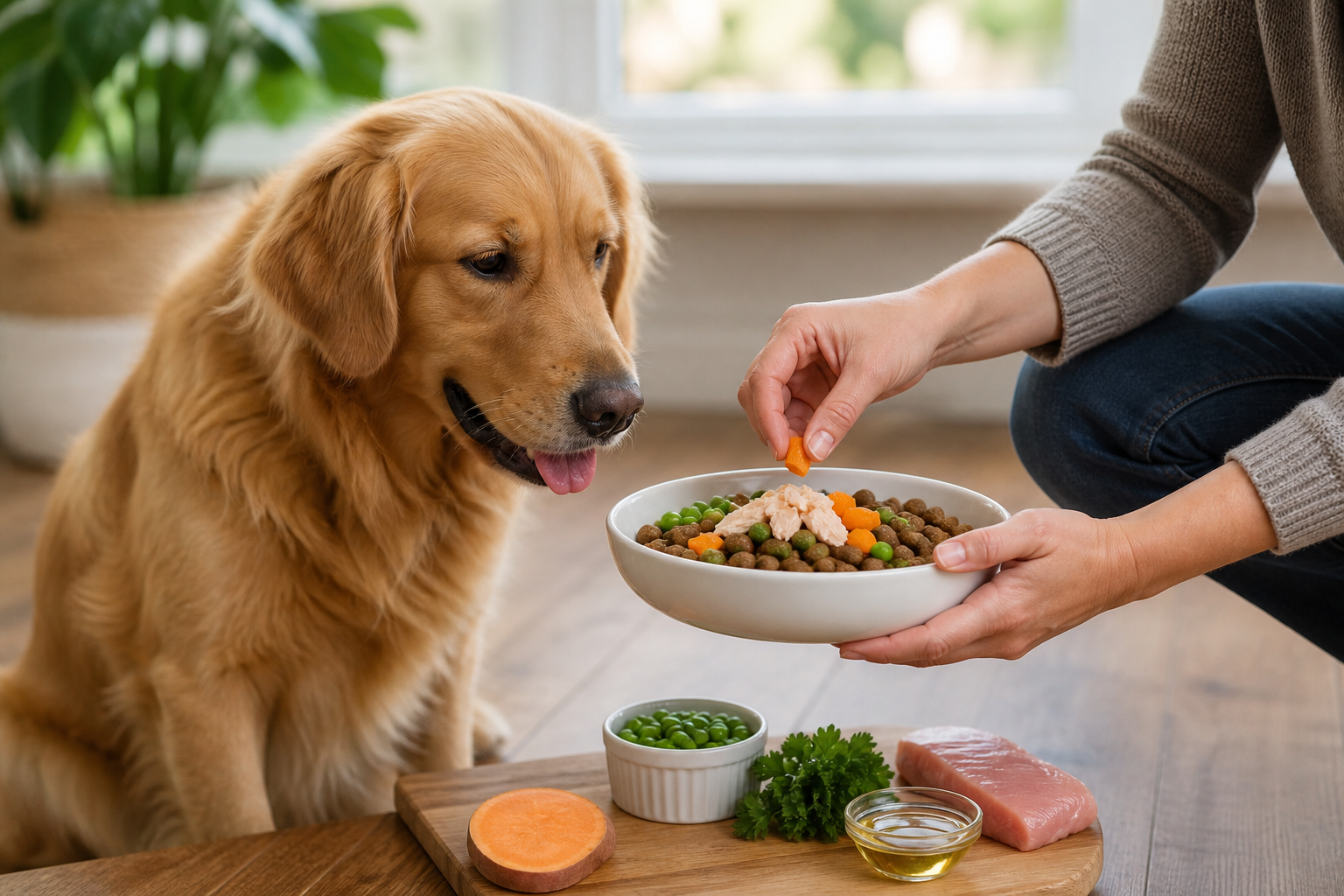
We have all seen it happen at mealtime. You pour a fresh scoop of high quality kibble into the bowl, and your dog looks up at you with an expression that says, "This again?" While dry dog food is incredibly convenient and provides a balanced foundation, eating the same processed nuggets every day can become monotonous for any pet. Adding fresh, whole food toppers is an excellent way to provide variety and increase moisture.
At BaxterBoo, we believe that mealtime should be the highlight of your dog's day. We have spent years helping pet owners find the right balance between the ease of kibble and the benefits of fresh nutrition. This guide covers safe, healthy, and delicious additions you can find in your pantry or our warehouse. By following a few simple guidelines, you can turn a standard bowl of dry food into a nutrient dense feast that supports your dog's health from the inside out.
The Golden Rule of Toppers: Moderation
Before you start raiding the refrigerator, it is important to understand how much you should add. Kibble is formulated to be a complete and balanced diet. If you add too many extras, you risk unbalancing the essential minerals and vitamins your dog needs. You also want to avoid accidental weight gain by adding too many calories.
Most experts recommend that "extras" should make up no more than 10 to 20 percent of your dog's daily caloric intake. If you are adding a significant amount of fresh food, you must decrease the amount of dry kibble accordingly. This ensures your dog stays at a healthy weight while enjoying their new treats.
Key Takeaway: Always balance the calories of your toppers by reducing the amount of kibble you feed to prevent weight gain and nutritional imbalances.
Hydration and Liquid Additions
Dry dog food typically contains only about 10 percent moisture. In the wild, a dog's ancestors would eat a diet that is much higher in water content. Adding liquids to kibble helps with digestion and keeps your dog hydrated, which is especially important for urinary tract health and kidney function.
Bone Broth for Dogs
Bone broth is one of the most popular additions for a reason. It is packed with collagen, glucosamine, and amino acids that support joint health and gut integrity. It also smells incredible to dogs. You can buy pet safe bone broths from brands like Stella and Chewy's or make your own at home. If you make it yourself, ensure you do not add onions, garlic, or excessive salt, as these can be toxic or harmful to dogs.
Goat Milk and Kefir
Many dogs struggle to digest the lactose in cow milk, but goat milk is often much easier on their stomachs. It is a natural source of probiotics, which are beneficial bacteria that live in the gut. These bacteria help break down food and support a strong immune system. Kefir is another fermented dairy option that provides a thick, creamy texture dogs love.
Warm Water or Plain Broth
If you are on a budget, simply adding a splash of warm water to the bowl can work wonders. The heat releases the fats and aromas in the kibble, making it smell more enticing to a picky eater. It also creates a light gravy that coats the pieces.
For a convenient option, explore our dog food supplements and toppers.
Vet Tip: If your dog has a history of kidney issues or urinary stones, adding moisture to every meal is a simple way to support their renal health. Consult your veterinarian about specific hydration goals for your pet.
High Quality Protein Boosts
Dogs are facultative carnivores, meaning they thrive on animal protein. While kibble contains protein, it is often heavily processed at high temperatures. Adding a bit of fresh, lightly cooked, or raw protein can provide more bioavailable amino acids.
The Incredible Egg
Eggs are often called the gold standard for protein. They contain a complete profile of amino acids and are very easy to prepare. You can serve them:
- Raw (including the shell for extra calcium if finely ground)
- Lightly scrambled (without butter or salt)
- Hard boiled and chopped
For a medium sized dog, half an egg a few times a week is a great starting point. Small dogs may only need a tablespoon of scrambled egg.
Canned Fish
Sardines, mackerel, and salmon are fantastic sources of Omega 3 fatty acids. Look for fish packed in water rather than oil to keep the fat content manageable. Omega 3s are essential for reducing inflammation, supporting brain health, and keeping the coat shiny. One or two small sardines a few times a week can make a massive difference in your dog's skin health.
Lean Muscle Meats
If you have leftover plain chicken breast, turkey, or lean beef, these make excellent mixers. Always ensure the meat is unseasoned and free of cooked bones. Cooked bones can splinter and cause internal damage. Adding meat can help maintain lean muscle mass, especially in active or aging dogs.
Note: Avoid feeding raw salmon or trout from the Pacific Northwest, as it can carry a parasite that is dangerous for dogs. Stick to cooked versions or canned options from reputable sources.
Fresh Fruits and Vegetables
Vegetables provide fiber and antioxidants that are often missing from standard dry diets. However, dogs have a shorter digestive tract than humans. To help them absorb the nutrients, you should lightly steam or puree most vegetables first.
The Power of Pumpkin
Plain canned pumpkin (not pumpkin pie filling) is a staple for many dog owners. It is high in fiber and can help regulate digestion. Whether your dog is dealing with loose stools or minor constipation, a spoonful of pumpkin often helps get things back on track.
Leafy Greens and Crunchy Veggies
Green beans are a low calorie way to add bulk to a meal, which is helpful for dogs that are always hungry but need to lose weight. Other great options include:
- Steamed broccoli or cauliflower
- Finely grated carrots
- Zucchini slices
- Spinach or kale (chopped small)
Berries as Antioxidants
Blueberries and strawberries are bite sized treats that provide a burst of vitamins. Most dogs love the sweetness of fruit. Blueberries, in particular, are known for supporting cognitive function in senior dogs.
Healthy Fats and Essential Oils
Sometimes what your dog's food needs is a "liquid gold" finish. Healthy fats support the nervous system and help the body absorb fat soluble vitamins like A, D, E, and K.
Fish Oils
We carry a variety of fish oils at BaxterBoo, including salmon and pollock oils from brands like NutriSource and Zesty Paws. These are easy to pump directly onto the food. They are much more effective than the fats already processed into the kibble, which can oxidize and lose their potency over time.
Coconut Oil
Coconut oil contains medium chain triglycerides that can provide a quick energy boost. It is also known for its antimicrobial properties. Many owners find that a small amount of coconut oil helps with dry, itchy skin from the inside out.
Olive Oil
A teaspoon of extra virgin olive oil is a simple pantry staple that adds flavor and healthy monounsaturated fats. It is particularly good for dogs with dull coats or those living in dry climates.
For a ready-to-use option, browse our salmon oil and dog food supplement selection.
Key Takeaway: Focus on animal sourced fats like fish oil for the best skin and coat results, as dogs utilize these more efficiently than plant based oils.
Commercial Mixers and Freeze Dried Raw
If you do not have time to prep fresh food every day, commercial toppers are a convenient alternative. These are designed to be shelf stable and easy to serve.
Freeze Dried Raw Toppers
Brands like Stella and Chewy's, Open Farm, and Vital Essentials offer freeze dried raw morsels. These provide the benefits of a raw diet without the mess. You can crumble these over the top of the kibble or rehydrate them with a little water to make a thick stew. They are highly palatable and often convince even the pickiest dogs to eat.
You can compare options in our freeze-dried dog food topper collection.
Air Dried Foods
Air dried options, like those from Ziwi Peak or Real Meat Co, have a jerky-like texture. They are incredibly nutrient dense and can be used as a full meal or a high value topper. Because they are slowly dried at low temperatures, they retain most of the natural enzymes and nutrients found in the raw ingredients.
Wet Food Mixers
Adding a spoonful of high quality canned food is a classic way to enhance kibble. Look for "stew" or "pâté" styles from brands like Tiki Dog or Lotus. These add significant moisture and a different texture that keeps mealtime interesting.
For more ideas about using freeze-dried food as a mixer, read how to feed freeze-dried dog food for better health.
Managing Health Conditions Through Nutrition
Sometimes, adding things to your dog's food is about more than just flavor. If your dog is managing a chronic health issue like allergies, joint stiffness, or digestive sensitivity, their diet is a primary tool for management.
Probiotics and Digestive Enzymes
As dogs age, their bodies may produce fewer digestive enzymes. Adding a supplement can help them get more nutrition out of their dry food. Probiotics are also helpful after a round of antibiotics to restore the natural balance of the gut.
Prescription Diets and Medications
If your dog requires a specific therapeutic diet for a condition like kidney disease or heart health, we can help through our pet pharmacy. Our partnership with Pet's Choice allows us to provide FDA approved medications and prescription pet foods.
Vet Tip: Never switch your dog to a prescription diet or add therapeutic supplements without a diagnosis from your veterinarian. They can provide the correct guidance on dosing and specific nutritional needs for your dog's condition.
Step by Step: Transitioning to Toppers
When you introduce new foods, you must do so gradually. A sudden change in diet can cause an upset stomach, even if the new food is healthy.
Step 1: Start with one ingredient. / Choose one new item, like a spoonful of pumpkin or a splash of bone broth. Do not add five new things at once.
Step 2: Observe for twenty-four hours. / Watch for any signs of gas, loose stools, or lethargy. If your dog reacts well, you can continue.
Step 3: Gradually increase the amount. / Once you know the food is safe for your dog, you can work up to the full 10 to 20 percent portion over the course of a week.
Step 4: Rotate for variety. / After a few weeks of one topper, try switching to another to provide a different range of nutrients.
For additional guidance, read how to transition your dog to freeze-dried food.
Quick Answer: The best things to put on dry dog food are bone broth, eggs, canned fish in water, and steamed vegetables. These additions improve hydration and provide essential proteins and fats.
What to Avoid: Dangerous Toppers
While many human foods are safe, some are strictly off limits. Never add the following to your dog's bowl:
- Onions and garlic (can cause anemia)
- Grapes and raisins (can cause kidney failure)
- Chocolate or caffeine
- Xylitol (a sweetener found in some nut butters)
- Macadamia nuts
- Cooked bones
- Foods with heavy seasonings or high salt content
If you are using peanut butter as a topper, always read the ingredient label to ensure it does not contain xylitol. We recommend using peanut butter specifically formulated for dogs to be safe.
Customizing for Life Stages
A puppy has different nutritional needs than a senior dog. Tailoring your toppers to their life stage ensures they get the most benefit.
Puppies
Puppies need plenty of protein and healthy fats for brain development. Small amounts of egg and fish oil are excellent. Be careful not to add too much calcium, especially for large breed puppies, as this can affect bone growth.
Adults
For healthy adults, variety is the goal. Rotate between different proteins and vegetables to keep their immune system strong and their interest high.
Seniors
Senior dogs often benefit from softer foods if they have dental issues. Rehydrating kibble with warm bone broth makes it easier to chew. Adding ingredients rich in antioxidants, like blueberries, and joint support supplements can help them stay comfortable and sharp in their golden years.
For another perspective on food formats and nutrition, explore is freeze-dried dog food good for dogs.
Bottom line: Tailoring your dog's meal toppers to their age and activity level provides targeted support for their changing nutritional requirements.
How to Save Money on Toppers
Improving your dog's diet does not have to be expensive. Many of the best additions are items you already have in your kitchen. Buying frozen vegetables in bulk is often cheaper than fresh and just as nutritious. Using our Frequent Buyer Program at BaxterBoo can also help you earn free bags of your favorite toppers and treats over time.
You can also use our Autoship programme to ensure you never run out of your dog's favorite fish oils or freeze dried mixers. This saves you money on every order and gives you a free MVP Gold membership, which provides even more rewards.
Creating a Mealtime Routine
Adding toppers is also a great opportunity for training and enrichment. You can use the "extra" food as a reward for sitting patiently while you prepare the bowl. If your dog eats too fast, you can mix the toppers into a slow feeder or a licking mat. This mental stimulation is just as important for their well-being as the physical nutrition.
We love seeing the creative ways our customers boost their pets' bowls. Whether you are adding a scoop of green tripe for its probiotic benefits or a simple drizzle of salmon oil, you are making a meaningful investment in your dog's long term health.
Conclusion
Feeding your dog dry food provides a reliable and convenient nutritional base, but adding fresh toppers takes their health and happiness to the next level. From the hydration of bone broth to the protein punch of a simple egg, these small changes can lead to a shinier coat, better digestion, and a much more excited dog at mealtime. Remember to keep your additions balanced, introduce new foods slowly, and always consult your vet for specific health concerns.
- Keep toppers to 10-20% of daily calories.
- Add moisture through broths or goat milk.
- Use fresh vegetables and fruits for fiber and antioxidants.
- Utilize healthy oils for skin and coat support.
Key Takeaway: Small, consistent additions of fresh whole foods can significantly improve the nutritional profile and palatability of any dry dog food.
To explore our full range of healthy toppers and supplements, visit our dog food supplement category or check out our freeze-dried dog food options. If your dog has specific health needs, our pharmacy team is ready to help with prescription diets and medications through our Pet's Choice partnership.
FAQ
Is it okay to mix wet and dry dog food every day?
Yes, mixing wet and dry food is a great way to add moisture and flavor to your dog's diet. Just be sure to calculate the total calories to ensure you are not overfeeding your pet.
Can I put olive oil on my dog's dry food?
Olive oil is safe for dogs and can help improve skin and coat health when used in small amounts. About one teaspoon per meal for a medium sized dog is usually sufficient.
Do I need to soak kibble before adding toppers?
You do not have to soak it, but adding a little warm water or broth can help the toppers stick to the kibble. This ensures your dog eats everything rather than just picking out the "good stuff" on top.
What is the healthiest thing to add to dog food for a shiny coat?
Fish oils, such as salmon or pollock oil, are the most effective additions for coat health because they are rich in Omega 3 fatty acids. Fresh sardines packed in water are another excellent whole food option for skin support.






