
 Save 15% on your 1st Autoship learn more

 Email us
 Live Chat
 FAQs
FAQs





Introduction
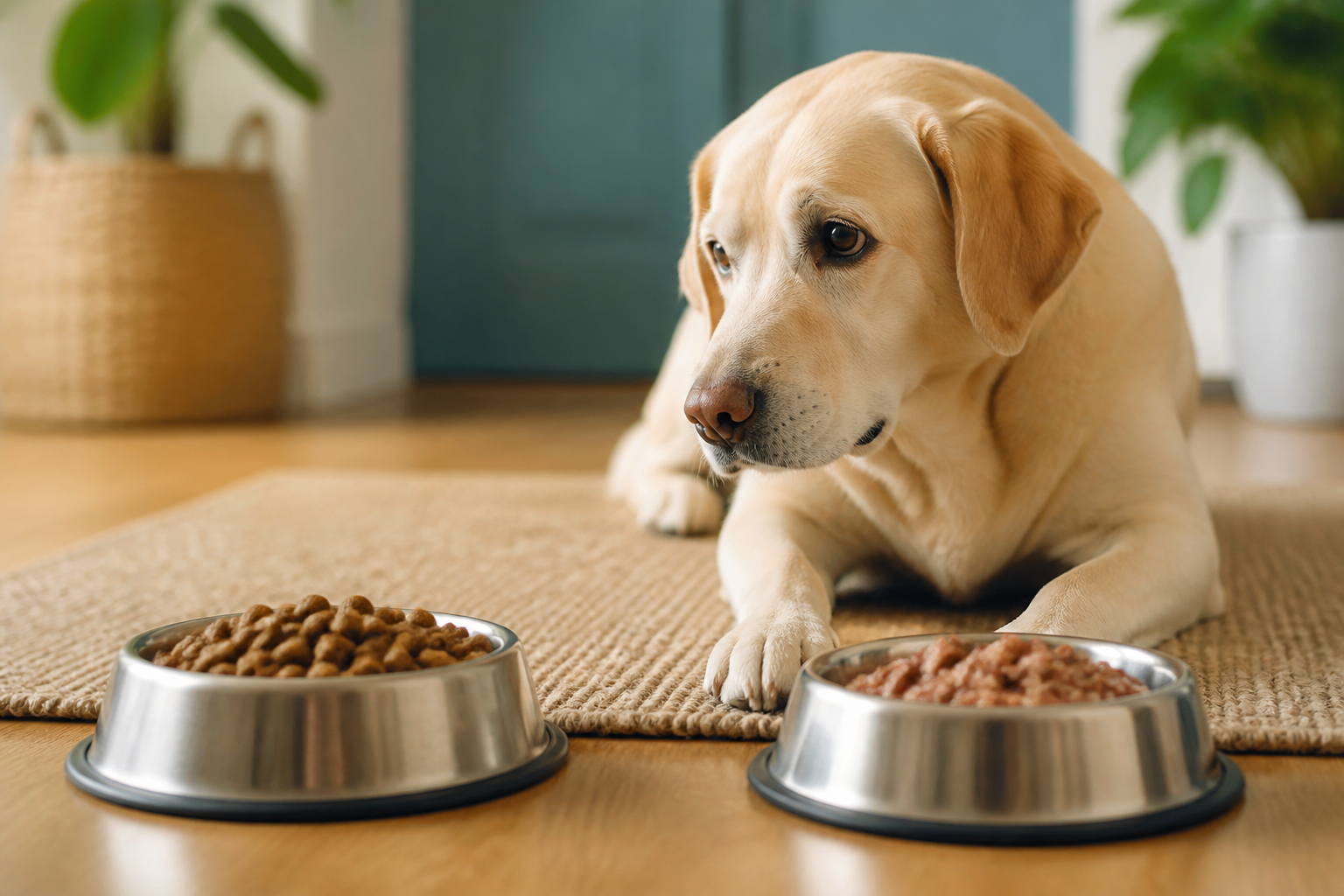
You stand in the pet food aisle and look at the wall of options. Your dog is a bit older now and seems less excited about mealtime than he used to be. You wonder if switching from that big bag of kibble to those colorful cans might make a difference. It is a common dilemma for every pet owner at some point. Choosing between these two formats involves more than just picking a flavor. It is about understanding hydration, dental health, and your specific budget. At BaxterBoo, we know that every dog has unique requirements based on their age and activity level. This guide covers the pros and cons of both formats to help you decide what belongs in the bowl. The best choice depends on your dog's health needs and your daily lifestyle.
Understanding the Main Differences
The most obvious difference between these two types of food is the water content. Dry dog food usually contains about 10 percent moisture. Wet dog food is much higher. It typically ranges from 75 to 80 percent water. This difference comes from how the food is made.
Dry food goes through a process called extrusion. Manufacturers mix the ingredients into a dough. They cook it under high pressure and push it through small holes to create kibble shapes. After it dries, they often spray it with fats or vitamins to make it taste better. This process makes the food shelf stable and easy to store in large bags.
Wet food starts with ground proteins and grains. These are mixed with a gravy or gel that contains essential minerals. The mixture is put into cans or pouches and then sealed. The containers are heated to a high temperature to kill bacteria and cook the food. This sealing process is why wet food does not need the same preservatives found in some dry foods.
Quick Answer: Neither dry nor wet food is universally better. Dry food is convenient and cost effective. Wet food provides better hydration and usually tastes better to picky eaters.
The Benefits of Wet Dog Food
Many owners find that wet food is the secret to a happy eater. The strong aroma of canned food is much more intense than kibble. This is especially helpful for senior dogs whose sense of smell might be fading. If a dog can smell their food better, they are more likely to finish the meal.
Improved Hydration
Wet food is a great way to sneak extra water into your dog's diet. Some dogs are not great at drinking from their water bowls. Dogs with certain health issues need even more fluids than a healthy adult dog.
- It supports kidney function by flushing out toxins.
- It helps prevent urinary tract infections in prone breeds.
- It keeps the skin and coat more hydrated from the inside out.
You can compare different formulas in our dog food category.
Weight Management and Satiety
If you have a dog that always acts hungry, wet food might help. Because it contains so much water, the physical volume of the food is larger. Your dog gets to eat a bigger portion for the same amount of calories. This helps them feel full while still losing weight. Our team often recommends this for dogs on a strict diet who still want a full bowl.
Ease of Chewing
Senior dogs or dogs with dental issues often struggle with hard kibble. If a dog has lost teeth or has inflamed gums, crunching on dry food can be painful. Wet food has a soft texture that requires almost no chewing. This ensures your dog continues to get the calories they need without physical discomfort.
Vet Tip: If your dog suddenly stops eating their dry food, do not just switch to wet food. Schedule a checkup with your veterinarian to rule out dental pain or underlying illness first.
The Benefits of Dry Dog Food
Kibble remains the most popular choice for many American households. Its popularity is largely due to how easy it is to manage. You can buy a large bag and it stays fresh for weeks if you keep it in a sealed container. For more ideas about combining textures, read this guide on mixing wet and dry dog food.
Convenience and Cost
Dry food is almost always the most budget friendly option. You pay for the nutrients rather than the water weight. It is also easier to serve. You can leave it in a bowl for a dog that likes to graze throughout the day. Unlike wet food, it will not spoil if it sits out for a few hours.
Dental Health Benefits
The texture of dry kibble can help keep teeth cleaner. As the dog crunches, the hard surface scrapes against the teeth. This action can help reduce the buildup of plaque and tartar. Some specialized dental diets are even designed to scrub the teeth like a little toothbrush. However, kibble is not a replacement for regular brushing or professional cleanings.
Cognitive Enrichment
Dry food is perfect for use in puzzle toys and slow feeders. You can hide kibble inside a rubber toy or a snuffle mat. This forces your dog to use their brain to get their dinner. Mental stimulation is just as important as physical exercise for a healthy dog.
- Use kibble as low calorie training treats.
- Put it in a wobbling dispenser to slow down fast eaters.
- Scatter it in the grass for a fun foraging game.
Bottom line: Dry food offers superior convenience and cost savings while providing opportunities for mental enrichment and dental support.
Comparing Nutritional Density
You might look at two labels and feel confused. A bag of dry food might say it has 25 percent protein. A can of wet food might only say 8 percent. This does not mean the dry food is better. You have to compare them on a dry matter basis.
To do this, you remove the water from the equation. When you take the water out of the wet food, the protein percentage jumps significantly. Often, wet food actually has a higher meat content than dry food. Dry food relies on starches like peas, potatoes, or grains to hold the kibble shape. Wet food uses those ingredients less often.
We carefully curate our selection of over 500 brands to include options for every dietary preference. Whether you want a high protein canned diet or a grain inclusive kibble, the quality of the ingredients matters more than the format.
Key Takeaway: Always calculate the dry matter protein and fat to accurately compare wet and dry labels. Many wet foods are actually higher in protein once you account for the water content.
Mixing Wet and Dry Food
You do not have to choose just one. Many owners find that a combination is the perfect middle ground. This is often called topping. You provide a base of dry kibble for the dental benefits and cost savings. Then, you add a spoonful of wet food on top for flavor and moisture.
How to Mix Safely
If you decide to mix, you must be careful with calories. Adding a can of wet food on top of a full serving of dry food will lead to weight gain. You need to reduce the amount of kibble to make room for the extra calories from the wet food.
Step 1: Consult your vet to find your dog's daily calorie goal. Step 2: Read the packaging to see the calories per cup of dry and per can of wet. Step 3: Measure exactly to ensure the total calories remain the same.
The Benefits of Variety
Feeding both types of food can help your dog be less picky. If your dog is used to different textures, they will adapt better if you ever have to change their diet. This is helpful if they develop a medical condition later in life that requires a specific type of food. For additional feeding guidance, explore this dog food mixing guide.
Bottom line: Mixing formats provides the palatability of wet food with the convenience of dry food while keeping costs manageable.
Addressing Special Health Needs
Certain health conditions make one format a better choice than the other. If your dog is dealing with a chronic illness, their diet becomes a vital part of their treatment plan. You can also review our pet pharmacy when your veterinarian recommends additional care.
Kidney and Urinary Issues
For dogs with kidney disease or bladder stones, moisture is everything. These dogs need to produce dilute urine to protect their organs. A diet of strictly wet food is often recommended by veterinarians for these cases. It ensures the dog is taking in plenty of fluids even if they are not thirsty.
Weight Loss Success
As mentioned earlier, wet food can be a secret weapon for weight loss. It allows for bigger meals with fewer calories. We carry several brands, like Farmina Vet Life, that specialize in weight management. These formulas are designed to keep your dog feeling satisfied while they shed extra pounds.
Allergies and Skin Health
Dogs with severe food allergies often do well on limited ingredient diets. These are available in both wet and dry formats. However, wet food sometimes has fewer fillers and binders. This can make it easier to avoid specific triggers like corn or soy. For more information, read about dog food for sensitive stomachs.
Vet Tip: If your dog has a chronic health condition, always speak with your veterinarian before changing their food. They can help you determine if a prescription diet is necessary for their recovery.
Using Our Pharmacy for Specialized Care
Sometimes, standard retail food is not enough. Many dogs require prescription diets to manage conditions like diabetes, heart disease, or severe allergies. These foods are formulated with precise levels of minerals and proteins to support a sick pet.
Our pharmacy provides access to these FDA approved prescription diets through our partnership with Pet's Choice. We carry brands like Royal Canin and Farmina Vet Life that offer both wet and dry prescription options. This allows you to get the specific nutrition your vet ordered with the convenience of home delivery.
In addition to food, our pharmacy offers medications for ongoing health management. If your dog needs flea and tick protection or joint supplements, you can find them in the same place you get their food. Managing a pet with health needs is easier when you can coordinate their diet and their medicine through one trusted source.
Key Takeaway: Prescription diets are a medical tool. Use the BaxterBoo pharmacy to fulfill your vet's recommendations for both wet and dry specialized foods.
Transitioning Between Food Types
If you decide to switch from dry to wet, or vice versa, do it slowly. A sudden change in diet can cause an upset stomach or diarrhea. The bacteria in your dog's gut need time to adjust to the new ingredients and moisture levels. This guide to switching from dry to wet dog food offers another helpful look at the process.
- Days 1 to 2: 75% old food, 25% new food.
- Days 3 to 4: 50% old food, 50% new food.
- Days 5 to 6: 25% old food, 75% new food.
- Day 7: 100% new food.
Watch your dog closely during this week. If they have soft stools or seem gassy, slow down the transition. Some dogs with sensitive stomachs may need ten days or even two weeks to fully switch over.
Final Thoughts on Dog Food Choices
There is no single answer to what is best between dry and wet dog food. Dry food is excellent for budget conscious owners and dogs who love to crunch. Wet food is a fantastic choice for senior dogs, picky eaters, and those who need extra hydration. Many owners find the best results by using a combination of both.
The most important factor is the quality of the ingredients and the nutritional balance of the formula. Look for a statement from AAFCO on the packaging to ensure it meets basic standards. At BaxterBoo, we take pride in offering a wide range of handpicked products that cater to every stage of a dog's life.
- Prioritize hydration for dogs with kidney or urinary issues.
- Choose kibble for convenience and potential dental benefits.
- Consider mixing both to entice a picky eater.
- Consult your vet before making major changes for a pet with health issues.
Bottom line: Evaluate your dog's unique health profile and your own daily routine to find the right balance between the crunch of kibble and the moisture of canned food.
FAQ
Is wet dog food better for older dogs?
Wet food is often a great choice for seniors because it is easier to chew and has a stronger scent. Many older dogs suffer from dental disease or a reduced sense of smell, which makes hard kibble less appealing. The extra moisture in wet food also helps support aging kidneys.
Can I leave wet dog food out all day?
No, you should never leave wet food out for more than two hours. Because of its high moisture content, it can quickly grow bacteria at room temperature. If your dog does not finish their wet food within 30 minutes, it is best to refrigerate the leftovers or throw them away.
Does kibble really clean a dog's teeth?
Kibble provides a mechanical scraping action that can help reduce tartar, but it is not a cure-all. Some dogs swallow kibble whole, which provides no dental benefit at all. For true dental health, you should combine dry food with regular tooth brushing and professional vet cleanings.
Why is wet dog food more expensive than dry?
Wet food is more expensive per calorie because you are paying for the canning process and the high water content. It also costs more to ship due to the weight of the water. While it may be costlier, many owners find the health benefits of hydration and high palatability worth the extra investment.






