
 Save 15% on your 1st Autoship learn more

 Email us
 Live Chat
 FAQs
FAQs





Introduction
Standing in the pet food aisle can feel like a test you did not study for. On one side, you have rows of colorful bags filled with crunchy kibble. On the other, stacks of cans and pouches promise rich flavors and gravies. Most owners wonder if one choice is objectively better for their pet's health or if it is just a matter of convenience. At BaxterBoo, we have helped thousands of owners navigate this exact choice since 2006.
The truth is that both wet and dry dog food have distinct roles in a healthy diet. The "better" option often depends on your dog's age, dental health, and specific medical needs. This guide will break down the differences in processing, nutrition, and lifestyle benefits. We want to help you decide which bowl filler is the right match for your home.
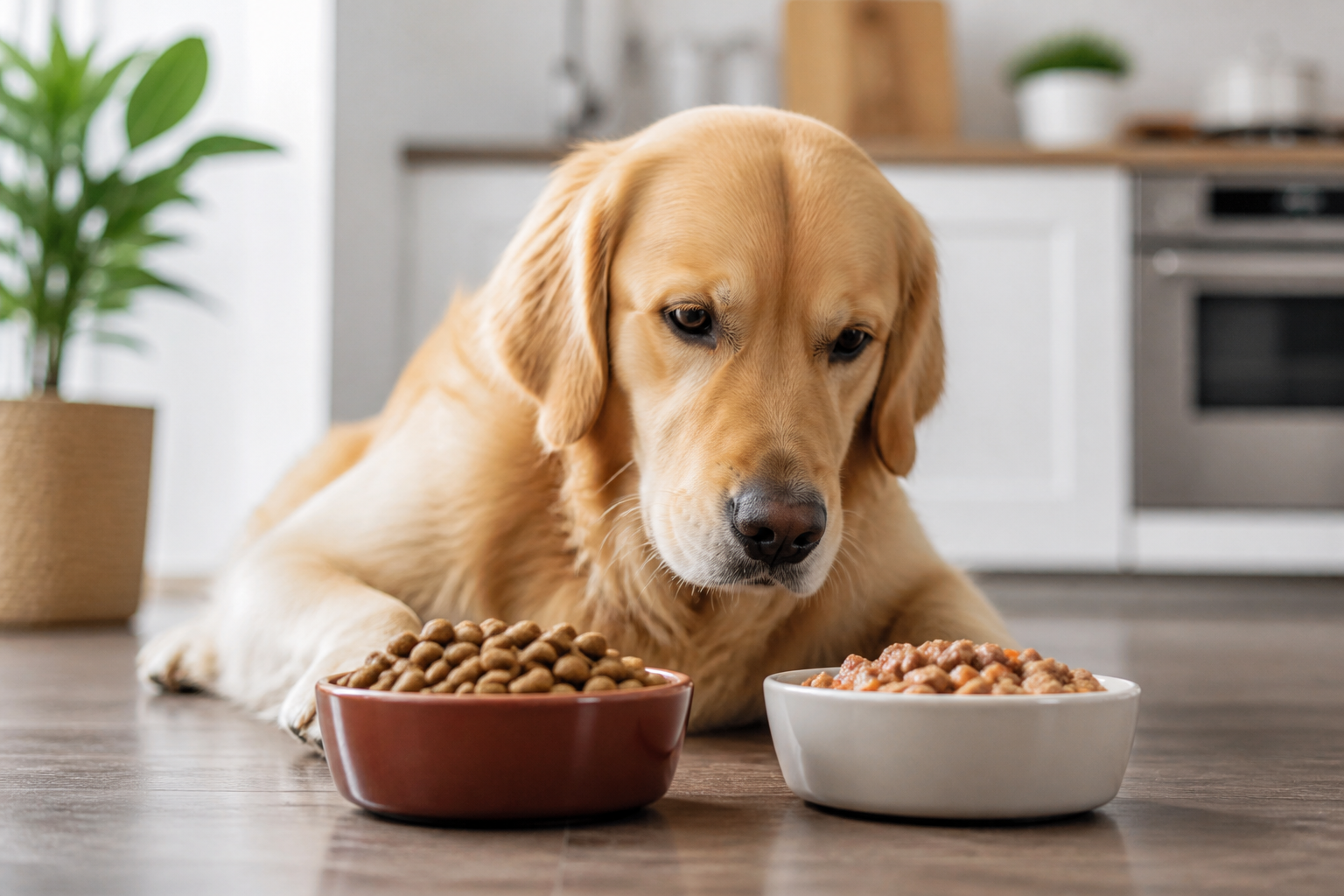
Quick Answer: Neither food is universally "better" for all dogs. Dry food is excellent for convenience and dental health, while wet food provides essential hydration and higher palatability. Many owners find that a combination of both provides the most balanced benefits.
Understanding the Processing Differences
To choose between these two types of food, you first need to understand how they are made. The processing methods create the unique textures and shelf lives that define each category. Both options can be nutritionally complete. However, the way they get from the farm to the bowl is very different.
How Dry Food is Made
Dry food, often called kibble, undergoes a process known as extrusion. Manufacturers start by grinding the ingredients into a consistent dough. This mixture usually includes proteins, grains, vegetables, and fats. The dough is then cooked under high pressure and temperature.
As the dough exits the machine, it passes through a die that cuts it into specific shapes. These pieces are then dried to remove moisture. To make the food more appealing, manufacturers often spray a coating of fats and vitamins onto the finished kibble. This process creates a shelf-stable product that is easy to store and serve.
How Wet Food is Made
Wet food begins with similar protein sources, but the cooking process is more like a home kitchen. The meat and ingredients are ground and mixed with a liquid base like water or broth. This liquid often contains added vitamins and minerals to ensure a balanced meal.
Once the mixture is ready, it is sealed in cans or pouches. The containers then go through a sterilization process using heat. This seals in the moisture and flavor without the need for the heavy preservatives sometimes found in lower-quality dry foods. Because it is cooked in its own container, the aroma and texture remain much closer to fresh meat.
The Major Benefits of Wet Dog Food
Wet food is a favorite for many dogs because of its strong smell and soft texture. Beyond being a tasty treat, it serves several functional health purposes. If your dog is struggling with specific wellness goals, canned food might be the solution.
Superior Hydration and Urinary Support
The most significant difference between the two formats is water content. Dry kibble usually contains only 10 percent moisture. In contrast, wet food can consist of 75 to 80 percent water. This extra hydration is vital for dogs that do not drink enough from their water bowls.
Proper hydration supports kidney function and keeps the urinary tract flushed. This is especially important for breeds prone to urinary stones or dogs managing chronic kidney disease. Increasing water intake through food is often easier than trying to force a pet to drink more.
Vet Tip: If your dog has a history of urinary issues or kidney disease, wet food can be a life-saving addition to their routine. Our dog pharmacy carries prescription diets specifically formulated for these conditions. Always consult your veterinarian before switching to a medical-grade diet.
Palatability for Picky Eaters
Dogs rely heavily on their sense of smell to enjoy their food. Wet food has a much stronger aroma than dry kibble. This makes it a great choice for picky eaters who turn their noses up at hard pellets. It is also helpful for senior dogs whose sense of smell may be fading.
When a dog is recovering from surgery or a long illness, they may lose their appetite. A slightly warmed can of wet food can often entice a sick dog to start eating again. The rich texture of shreds, stews, or pates feels more like a reward than a standard meal.
Weight Management and Satiety
It might seem counterintuitive to feed "richer" wet food for weight loss. However, the high moisture content means that wet food is less calorie-dense by volume. A dog can eat a larger portion of wet food compared to dry food while consuming the same number of calories.
This helps dogs feel full, which is a concept known as satiety. If your dog is constantly begging for food between meals, adding wet food can help them feel satisfied for longer. This makes it easier to stick to a strict weight management plan without your pet feeling deprived.
Key Takeaway: Wet food is the best choice for hydration, enticing picky eaters, and helping pets feel full on fewer calories.
The Major Benefits of Dry Dog Food
Kibble remains the most popular choice for American dog owners for several practical reasons. It is generally the foundation of a dog’s diet because of its ease of use and economic value. For many healthy dogs, dry food provides everything they need in a convenient package.
Dental Health Support
One of the primary advantages of dry food is its mechanical impact on teeth. As a dog crunches through the hard kibble, the friction helps to scrape away some of the plaque on the teeth. While it is not a replacement for regular brushing, it can help slow down the buildup of tartar.
Some specialized dry foods are even shaped and textured specifically to clean teeth as the dog chews. Wet food, because it is soft and sticky, can actually contribute to dental issues if the dog’s teeth are not cleaned regularly. If you have a breed prone to dental disease, our dog dental care collection is a useful place to find brushing and oral-care supplies.
Convenience and Cost
Dry food is significantly more cost-effective than wet food. Since kibble is more nutrient-dense and has less water weight, you do not need to buy as much volume to meet your dog’s caloric needs. This is especially true for owners of large breeds like Great Danes or Labradors, where feeding only canned food could become very expensive.
Storage is also much simpler. A bag of dry food can stay fresh for several weeks in an airtight container. You can leave dry food out in a bowl for a dog that prefers to "graze" throughout the day. Wet food must be picked up within about 30 minutes to prevent spoilage and bacterial growth.
Cognitive and Mental Enrichment
Dry food is the perfect tool for mental stimulation. You can easily use kibble in puzzle toys, snuffle mats, or slow feeders. These tools force your dog to think and work for their meal, which reduces boredom and anxiety.
Wet food is much harder to use in these types of enrichment toys without creating a mess. For high-energy dogs that need a job to do, mealtime with kibble is a great training opportunity. You can even use pieces of their daily kibble ration as training rewards to avoid overfeeding with treats.
Key Takeaway: Dry food is superior for dental hygiene, budget-conscious households, and providing mental enrichment through play.
Comparing Nutritional Profiles
When you look at a label, you might see that dry food has 25 percent protein while wet food only has 10 percent. This is often confusing for owners. These numbers are listed as "Guaranteed Analysis," which includes the moisture in the food.
To compare them fairly, you have to look at the "dry matter basis." This is the nutritional content once all the water is removed. When you remove the 80 percent water from wet food, you often find that it has a higher percentage of protein and fat than kibble.
| Feature | Wet Dog Food | Dry Dog Food |
|---|---|---|
| Moisture Content | 75% - 82% | 5% - 12% |
| Protein Source | Typically higher animal protein | Mix of plant and animal protein |
| Carbohydrates | Lower carb content | Higher carb content (needed for structure) |
| Caloric Density | Lower (more volume per calorie) | Higher (less volume per calorie) |
| Fat Content | Often higher | Moderate |
Kibble requires carbohydrates like grains, potatoes, or peas to hold the shape of the pellet. Wet food does not need these binders. If your dog needs a high-protein, low-carb diet, wet food is often the easier way to achieve those levels. However, high-quality brands like Royal Canin and Farmina dog food offer balanced profiles in both formats.
Choosing Based on Life Stage
Your dog's nutritional needs will shift as they grow from a clumsy puppy into a dignified senior. The choice between wet and dry food should evolve alongside them.
Puppies and Weaning
For very young puppies, the transition from mother's milk to solid food is a big step. Wet food is often the first choice because it is soft on their developing baby teeth. It is easy to swallow and gentle on their sensitive stomachs.
As they grow, many owners introduce dry puppy kibble to help with the teething process. The crunching can feel good on sore gums. Just ensure the kibble is specifically formulated for growth. Large-breed puppies have very specific calcium and phosphorus needs that must be met to prevent joint issues later in life.
For more age-specific options, explore our puppy supplies.
Senior Dog Needs
Senior dogs often face two challenges: fading appetites and dental pain. If a senior dog has lost teeth or has gum disease, crunching hard kibble can be painful. This may cause them to stop eating enough.
Switching to wet food or adding a wet topper can provide the extra calories and comfort they need. Senior dogs are also at a higher risk for dehydration and kidney issues. The extra moisture in canned food is a simple way to support their aging systems.
Vet Tip: For seniors with mobility issues or chronic pain, nutrition is only one piece of the puzzle. We recommend regular vet check-ups to monitor joint health and organ function. Our pharmacy for dogs offers prescription medications and diets for those needing ongoing medical support.
The Case for Mixed Feeding
You do not have to choose just one. Many owners find that "mixed feeding" offers the best of both worlds. This involves using dry kibble as the main meal and adding a portion of wet food as a topper. This approach provides the dental benefits and cost savings of kibble with the hydration and flavor of wet food.
Mixed feeding is an excellent strategy for picky eaters. The aroma of the wet food coats the kibble, making the entire bowl more enticing. It also allows you to stretch your budget further while still giving your pet a high-quality eating experience.
How to Mix Safely
If you decide to mix, you must be careful with calorie counts. You cannot simply add a can of wet food on top of a full serving of dry food. This is a fast track to canine obesity.
Step 1: Determine your dog's daily calorie needs with your vet's help.
Step 2: Calculate the calories in your chosen dry and wet foods.
Step 3: Replace a portion of the dry food with an equivalent caloric amount of wet food.
Step 4: Monitor your dog's weight and adjust as needed.
Bottom line: Mixed feeding is a flexible way to give your dog variety and hydration without losing the benefits of kibble.
How to Transition Your Dog
Dogs have sensitive digestive systems. If you decide to switch from dry to wet or vice versa, you must do it slowly. A sudden change can lead to upset stomachs, gas, or diarrhea. This is especially true when moving from a low-fat kibble to a higher-fat wet food.
A safe transition usually takes 7 to 10 days. Start by mixing 25 percent of the new food with 75 percent of the old food. Every two days, increase the amount of new food and decrease the old food. By the end of the week, your dog's gut bacteria will have adjusted to the new ingredients and moisture levels.
For additional guidance, read how to switch from dry to wet dog food.
Storage and Safety Tips
Proper storage keeps your dog's food safe from bacteria and mold. It also ensures the nutrients do not degrade over time.
For dry food:
- Keep kibble in its original bag, as the liners are designed to keep fats from spoiling.
- Place the bag inside an airtight plastic or metal bin.
- Store it in a cool, dry place.
- Use the bag within 6 weeks of opening.
For wet food:
- Store unopened cans in a cool pantry.
- Once opened, cover the can with a silicone lid or move it to a sealed container.
- Refrigerate unused portions immediately.
- Use or discard refrigerated wet food after 3 days.
For more mealtime guidance, see how to wet dry dog food for better digestion and hydration.
Conclusion
Choosing between wet and dry food is a personal decision that should be based on your dog's unique health profile. Dry food offers convenience and dental support, while wet food provides essential hydration and high palatability. For many families, mixing the two provides a balanced approach that keeps both the dog and the budget happy.
No matter which path you choose, focusing on high-quality ingredients from trusted brands is the most important step. We carry over 500 brands at BaxterBoo, from premium kibbles to specialized canned stews. If your dog has specific health needs that require a prescription diet or medication, our dog pharmacy is here to help.
Key Takeaway: Assess your dog's current health, activity level, and dental status to decide the best ratio of wet to dry food for their bowl.
FAQ
Can I leave wet dog food out all day?
No, you should not leave wet food out for more than 30 to 60 minutes. Because of its high moisture content, it is a breeding ground for bacteria once it is exposed to the air. If your dog does not finish their wet food quickly, pick it up and store the remainder in the refrigerator.
Is wet food more likely to cause weight gain than dry food?
Wet food is actually less calorie-dense than dry food because of its high water content. However, it is often more palatable, which might lead a dog to eat more than they should. As long as you monitor portions and calories, wet food can actually be a great tool for weight loss because it helps dogs feel full.
Does dry food really clean a dog's teeth?
Dry food provides some mechanical cleaning as the dog chews, which can help reduce plaque buildup. It is not a "magic eraser" for dental disease, but it is generally better for oral health than a diet of only soft wet food. You should still brush your dog's teeth and schedule professional cleanings with your vet.
What is the best way to switch my dog from dry to wet food?
The best way is a gradual transition over 7 to 10 days. Start by adding a small spoonful of wet food to their kibble and slowly increase the wet portion while decreasing the dry portion. This gives the digestive tract time to adjust to the higher moisture and fat content without causing upset.






