Save 15% on your 1st Autoship learn more

 Email us
 Live Chat
 FAQs
FAQs





Introduction
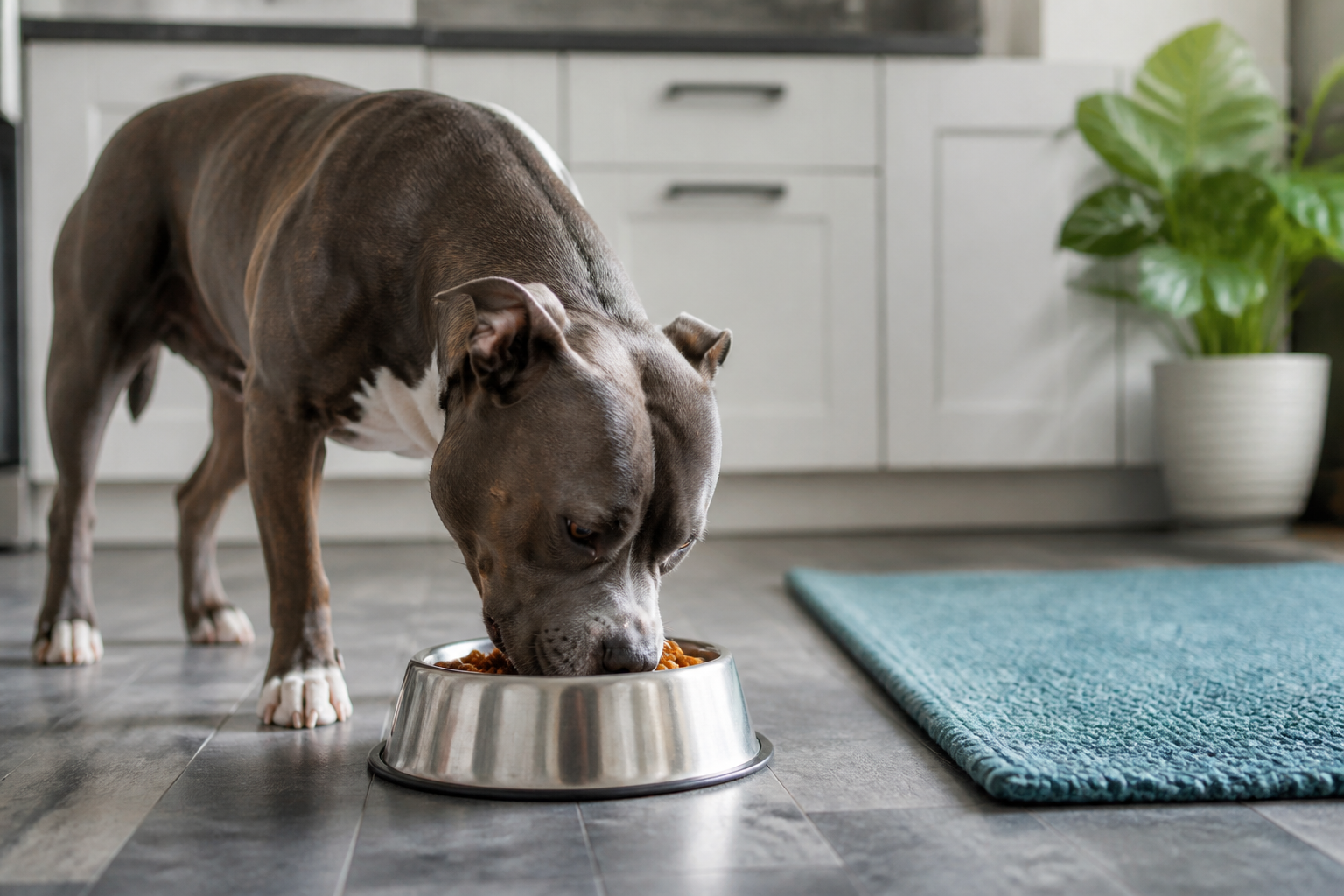
You watch your pitbull sprint across the yard with a burst of power that seems almost superhuman. Their muscles ripple under a short coat. Their energy levels never seem to dip. This athletic build is a hallmark of the breed, but it requires a very specific type of fuel to maintain. Choosing a bag of kibble isn't just about grabbing the first thing you see on a shelf. It is about finding a balance of high-quality protein, healthy fats, and digestible carbohydrates that supports their unique physiology.
At BaxterBoo, we have spent years helping pet owners navigate the crowded aisles of canine nutrition. We know that pitbulls often face specific challenges like skin sensitivities and joint strain. This guide covers the essential nutrients your dog needs and how to spot high-quality ingredients. Our goal is to help you select a diet that keeps your dog lean, muscular, and full of life.
The Foundation of Pitbull Nutrition
Pitbulls are essentially the triathletes of the dog world. They are compact, powerful, and highly active. Because they carry so much muscle mass, their protein requirements are often higher than those of more sedentary breeds. A high-quality dry food should prioritize animal-based proteins as the primary ingredient.
When you look at a bag of dog food, the first three to five ingredients tell the most important story. You want to see specific named meats like deboned chicken, beef, or salmon. Avoid generic terms like "meat meal" or "animal byproducts." These vague descriptions make it impossible to know what your dog is actually eating.
Why Protein Percentages Matter
For an adult pitbull, a protein content between 25 percent and 30 percent is usually ideal. Puppies may need slightly more to support their rapid growth. This protein provides the amino acids necessary for muscle repair and immune system health. Without enough quality protein, a pitbull can lose muscle tone and become lethargic.
Quick Answer: The best dry dog food for pitbulls features a named animal protein as the first ingredient and contains 25 to 30 percent protein. It should also include healthy fats like fish oil for skin health and avoid low-quality fillers like corn or soy.
The Role of Healthy Fats
Fats are the primary energy source for your dog. While humans often view fat as something to avoid, dogs need it for stamina and cell function. For a pitbull, healthy fats also play a secondary, crucial role: maintaining their skin barrier. This breed is notorious for skin allergies and environmental sensitivities.
Look for sources like chicken fat, flaxseed, and fish oils. These provide Omega-3 and Omega-6 fatty acids. These nutrients do more than just make the coat shine. They help reduce inflammation in the skin and joints.
Understanding Ingredients and Fillers
The debate between grain-free and grain-inclusive diets is ongoing. There is no single right answer for every dog. Instead, the focus should be on the quality of the carbohydrate. Pitbulls need carbohydrates for glucose, which fuels their brain and provides quick bursts of energy during play.
The Case for Ancient Grains
Many owners are moving toward ancient grains like millet, quinoa, and sorghum. These are often easier to digest than heavily processed wheat or corn. They provide a steady release of energy rather than a quick spike in blood sugar. This helps keep your dog’s mood and energy levels stable throughout the day.
Grain-Free Options for Sensitive Stomachs
If your dog suffers from chronic gas, loose stools, or itchy paws, they might benefit from a grain-free recipe. These formulas typically use sweet potatoes, chickpeas, or lentils as the carb source. These ingredients are rich in fiber, which supports a healthy gut microbiome. Brands like Stella and Chewy's or Zignature often excel in this category.
Ingredients to Avoid
The quality of the food is often defined by what is left out. Low-cost fillers are used to bulk up the bag without adding nutritional value.
- Corn gluten meal: A cheap protein substitute that is harder for dogs to digest.
- Artificial colors: These serve no purpose for the dog and can trigger sensitivities.
- BHA/BHT: Chemical preservatives that are best avoided in favor of natural tocopherols (Vitamin E).
- High salt content: Excessive sodium can lead to dehydration and kidney strain.
Key Takeaway: Focus on "real food" ingredients. If the label reads like a chemistry textbook, it probably is not the best choice for a high-performance breed like a pitbull.
Specialized Diets for Common Pitbull Health Issues
Every breed has its quirks, and for pitbulls, those quirks often involve the skin and joints. Because they are so heavy for their size, their joints take a lot of impact. Because they have such short hair, their skin is more exposed to the elements.
Supporting Joint Health Through Diet
It is never too early to think about mobility. Many premium dry foods now include glucosamine and chondroitin directly in the kibble. These compounds help maintain the cartilage in the hips and elbows. If your dog is particularly active or starting to slow down, look for brands like NutriSource or Open Farm that emphasize joint support.
Managing Skin Allergies
If you notice your dog constantly licking their paws or scratching their belly, their food might be the culprit. A "limited ingredient diet" can help. These recipes use a single protein source and a single carb source. This makes it much easier to identify what might be triggering a reaction.
Vet Tip: If your pitbull has persistent skin issues or recurring ear infections, consult your veterinarian. They can help determine if a prescription diet is necessary. Our pet pharmacy offers a wide range of medications and prescription foods to help manage these chronic conditions.
Life Stage Requirements
A pitbull’s nutritional needs change significantly as they age. Feeding a senior dog a high-calorie puppy formula is a recipe for weight gain. Feeding a puppy an adult maintenance diet can lead to developmental issues.
Puppy Nutrition (0 to 12 Months)
Pitbull puppies grow incredibly fast. They need a precise balance of calcium and phosphorus to ensure their bones develop at the right rate. If they grow too quickly, they are at a higher risk for hip dysplasia later in life. Look for a puppy-specific formula that mentions "large breed" growth if your pup is on the larger side.
Adult Maintenance (1 to 7 Years)
This is the stage where most pitbulls are at their peak activity level. The focus here is on maintaining lean muscle and preventing obesity. It is very easy for a pitbull to become overweight because they are so food-motivated. Use a measuring cup every single time you feed them.
Senior Care (7+ Years)
As your dog slows down, their metabolism follows suit. Senior formulas usually have fewer calories but higher levels of fiber to keep them feeling full. They also often include increased levels of antioxidants to support cognitive function.
Bottom line: Always match the food to your dog's current age and activity level to prevent unnecessary health complications.
How to Transition to a New Dry Food
Once you find the right bag, do not simply swap the bowls. A sudden change in diet is one of the fastest ways to cause an upset stomach. This is especially true for pitbulls, who can have sensitive digestive tracts. For additional guidance, read our guide to transitioning between dog foods.
Step 1: Mix 25 percent of the new food with 75 percent of the old food. / Do this for two to three days while watching for any changes in stool consistency.
Step 2: Move to a 50/50 split for the next three days. / This allows the beneficial bacteria in the gut to adjust to the new nutrient profile.
Step 3: Increase to 75 percent new food and 25 percent old food for two days. / If your dog remains energetic and their digestion is stable, you are ready for the final step.
Step 4: Switch to 100 percent new food. / Monitor your dog’s coat and energy levels over the next month to see the full impact of the new diet.
Maximizing Value and Convenience
High-quality dog food is an investment in your dog's long-term health. Feeding a better diet now often means fewer trips to the vet later. We understand that managing a pet's needs can be a lot to balance.
To help make it easier, we offer several programs designed for busy pet parents. Our Autoship programme allows you to set up recurring deliveries so you never run out of kibble. Plus, you get savings on your first order and a free MVP Gold membership. This membership is part of our MVP Rewards programme, where you can earn up to 5 percent back on every purchase. We also carry over 500 trusted brands, including names like Royal Canin, Farmina, and Acana, ensuring you have access to the best options available.
The Importance of Weight Management
Obesity is a major concern for pitbulls. Because they are so muscular, an extra five pounds can put significant strain on their heart and joints. You should be able to feel your dog's ribs without pressing hard, and they should have a visible waist when viewed from above. Our pet weight management guide offers additional tips for evaluating portions and activity.
If your dog needs to lose a few pounds, look for a weight management formula. These foods replace some of the fat with fiber. This keeps the dog feeling satisfied while reducing the overall calorie count. Brands like Farmina Vet Life offer specialized options for weight management that we can fulfill through our pharmacy partnership.
Feeding Schedule and Portions
Most pitbulls do best with two meals a day. This helps prevent bloat, a serious condition where the stomach twists. Avoid heavy exercise for at least thirty minutes before and after eating.
- Use a stainless steel or ceramic bowl to prevent chin acne.
- Clean the bowl daily to prevent bacteria buildup.
- If your dog eats too fast, consider a slow-feeder bowl.
- Keep fresh water available at all times, especially if feeding dry kibble.
Selecting the Right Brand
With so many options, it can feel overwhelming. At BaxterBoo, we handpick every brand we carry. We look for companies with rigorous quality control and transparent sourcing.
If you want a raw-inspired diet without the mess, consider a freeze-dried kibble blend from Stella and Chewy's. Our freeze-dried dog food collection offers additional options for exploring this format. If you prefer a traditional high-protein kibble, Orijen and Acana are excellent choices that prioritize fresh regional ingredients. For dogs with severe allergies, a limited ingredient diet from Zignature or a prescription diet through our pharmacy may be the best path forward.
Conclusion
The best dry dog food for your pitbull is one that recognizes their strength and supports their specific needs. By prioritizing real meat, healthy fats, and the right life-stage formula, you are giving your dog the tools they need for a long, vibrant life. Remember to monitor their weight closely and keep an eye on their skin and coat health as indicators of nutritional success.
Key takeaways for pitbull owners:
- Prioritize named animal proteins like beef, chicken, or fish.
- Ensure the food has adequate Omega fatty acids for skin support.
- Choose a formula that matches your dog's current life stage.
- Avoid cheap fillers and artificial additives.
If your dog has unique health requirements, we are here to help. From premium nutrition to prescription diets available through our pharmacy partnership, we have the resources to support your pet's wellness. Check out our full selection of dog food today to find the perfect match for your athletic companion.
FAQ
How much protein does a pitbull really need?
An active adult pitbull typically thrives on a diet containing 25 percent to 30 percent protein. Puppies may require slightly more to support muscle and bone development, while senior dogs might need a more moderate amount. The key is ensuring the protein comes from high-quality animal sources rather than plant-based fillers.
Is grain-free food better for pitbulls with itchy skin?
Grain-free food can be very helpful if your dog has a specific sensitivity to grains like corn, wheat, or soy. However, many skin issues in pitbulls are actually caused by environmental allergies or sensitivities to specific proteins like beef or chicken. If your dog is itchy, it is often best to try a limited ingredient diet or consult your vet about an elimination trial.
Can I feed my pitbull a large breed puppy food?
Yes, many pitbulls benefit from large breed puppy formulas because these recipes are designed to control growth rates. This is vital for preventing joint issues like hip dysplasia, which can occur if a powerful, heavy-set dog grows too quickly. Look for a balance of calcium and phosphorus that is specifically calibrated for large or medium-to-large breeds.
How do I know if my pitbull is at a healthy weight?
You should be able to feel your dog's ribs easily under their skin, though they should not be sticking out prominently. When looking down at your dog from above, they should have a clear "tuck" at the waist behind the ribs. Because pitbulls are so muscular, they can sometimes look heavier than they are, so using these physical markers is more accurate than just looking at the number on a scale.