
 Save 15% on your 1st Autoship learn more

 Email us
 Live Chat
 FAQs
FAQs





Introduction
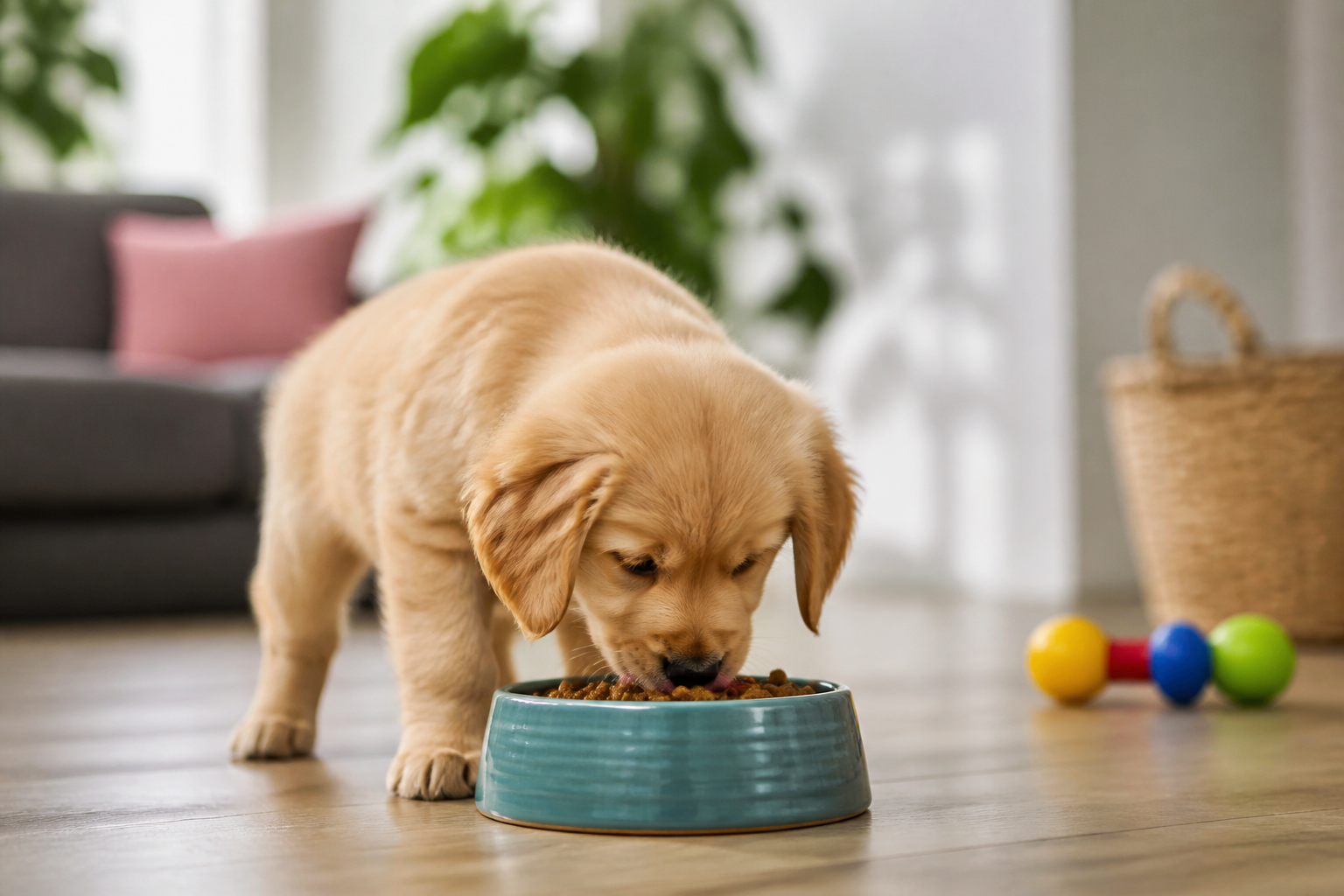
You are watching your new puppy explore their world. They are moving from sleeping in a warm pile with their siblings to investigating every corner of your home. You might notice them sniffing at your older dog’s bowl or trying to nibble on a stray piece of kibble. This curiosity is the first sign that their nutritional needs are changing. Moving from mother's milk to solid food is a major milestone in a puppy's life. At BaxterBoo, we know this transition can feel overwhelming for new pet owners. This guide will walk you through the weaning process and explain exactly when your puppy can handle a full bowl of dry food. We will cover the timeline for weaning, how to prepare their first solid meals, and what nutrients are essential for their growth.
Quick Answer: Puppies typically begin the transition to solid food around three to four weeks of age. Most puppies are fully capable of eating dry food without added liquid by eight to ten weeks old.
The Early Weeks of Puppy Nutrition
For the first few weeks of life, a puppy gets everything they need from their mother. Mother’s milk is a perfect food source. It provides the right balance of fats, proteins, and antibodies to keep them healthy. During this stage, their digestive systems are only equipped to handle liquids. Their tiny teeth have not even broken through the gums yet.
Around the three-week mark, things start to change. You will see the first tiny baby teeth begin to sprout. This is the biological signal that they are getting ready for something more substantial. Their mother may also start to move away during nursing sessions. This is her way of encouraging independence as those new teeth start to nip.
If you are raising an orphaned puppy, you will be using a milk replacer. You must use a product specifically made for dogs. Do not use cow's milk or human baby formula. These do not have the correct nutrient profile for a growing canine. Our pharmacy provides access to specialized nutritional supports if your puppy has unique health requirements from the start.
The Start of the Weaning Process
Weaning is the gradual process of moving a puppy from milk to solid food. It should never happen overnight. A sudden change can cause severe upset to a puppy's sensitive digestive tract.
Most breeders and experts recommend starting the introduction to solid food at four weeks. This is when you introduce "puppy gruel." This is not just dry kibble in a bowl. It is a mixture of high quality puppy food and liquid that creates a soft, lappable texture.
You can use warm water or a puppy milk replacer to create this mixture. If you use dry kibble, you must let it soak for at least fifteen to twenty minutes. Once it is soft, mash it with a fork until it looks like oatmeal or thick soup. For more ideas about softening kibble safely, read our guide to wetting dry dog food.
Key Takeaway: Weaning is a bridge between milk and solids that usually takes four to six weeks to complete fully.
How to Introduce the First Solid Meal
The first time you offer solid food, it will be messy. Puppies do not know how to eat from a bowl yet. They might walk through the food or sit in it. This is a normal part of the learning process.
Step 1: Choose a shallow dish. / A flat plate or a very low-rimmed bowl is best. This allows the puppy to reach the food without struggling over a high edge.
Step 2: Offer small amounts. / Start with just a little bit of gruel. You can even put a small amount on your finger and let the puppy lick it off to show them it is food.
Step 3: Supervise the session. / Watch them closely to ensure they are actually eating and not just playing. Limit the session to about fifteen or twenty minutes.
Step 4: Clean up immediately. / Use a warm, damp cloth to wipe the puppy's face and paws. Leaving food on their fur can cause skin irritation or attract bacteria.
Step by Step Transition to Dry Food
Once your puppy is eating the gruel consistently, you can start to change the texture. This process usually happens between five and eight weeks of age. You want to slowly decrease the amount of liquid and increase the amount of solid food.
During week five, the mixture should still be very soft. It should be mostly liquid with some mashed bits. By week six, you can leave the kibble in small chunks instead of mashing it completely. The puppy’s teeth are getting stronger now, and they can start to handle a bit of texture.
At seven weeks, the food should be mostly solid with just a splash of water to moisten it. By eight weeks, many puppies are ready to try dry kibble on its own. However, every puppy develops at a different pace. If your puppy seems to struggle or stops eating, add a little more water back in for a few days.
For another perspective on the transition timeline, see our puppy dry-food weaning guide.
Why Puppy Food Must Be Different
You cannot simply feed a puppy the same food you give to an adult dog. Puppies have massive energy requirements. They are building bones, muscles, and organs at an incredible rate. Adult dog food does not have the calorie density or the specific mineral balance they need. You can compare growth-focused options in our puppy food category.
Puppy formulas are higher in protein to support muscle growth. They also contain more fat for energy and brain development. Specifically, look for foods that mention DHA. This is an omega-3 fatty acid found in mother's milk that is vital for healthy brain and eye development.
Calcium and phosphorus levels are also critical. If a puppy gets too much or too little of these minerals, it can lead to permanent bone deformities. This is especially true for large and giant breeds. These dogs grow so fast that their skeleton can easily become stressed if the nutrition is not perfect.
If you are comparing ingredient styles, our article about holistic puppy food offers related information.
The Role of the BaxterBoo Pharmacy
Sometimes a puppy has a health condition that requires a specific diet. This might include severe allergies, digestive issues, or growth disorders. In these cases, a veterinarian might prescribe a prescription diet.
We offer a dedicated pharmacy through our partnership with Pet's Choice. This allows you to order FDA-approved medications and prescription pet foods with ease. If your vet recommends a specialized diet like Farmina Vet Life, our pharmacy can help fulfill that need. We handle the prescription verification so you can focus on caring for your new family member.
Vet Tip: Always consult your veterinarian before switching to a prescription diet or adding supplements to your puppy's routine. They can help you monitor growth rates and ensure your pup stays on a healthy track.
Signs Your Puppy is Ready for More
How do you know if it is time to move to the next stage of the feeding plan? Look at your puppy’s behavior and physical development.
- Teeth: If you can see a full set of small, sharp teeth, they are physically ready to chew.
- Curiosity: If they are constantly trying to eat from the adult dog's bowl, they are mentally ready for solids.
- Energy: A puppy that seems hungry immediately after nursing may need more calories than the mother can provide.
- Weight Gain: Use a scale to track their weight. Steady growth is the best indicator that the transition is working.
If your puppy is losing weight or seems lethargic, this is a red flag. It could mean they are not getting enough calories or have an underlying health issue. A quick trip to the vet is necessary if growth stalls during the weaning phase.
Handling Common Feeding Challenges
Not every puppy transitions to dry food without a hitch. Some are more hesitant than others. If your puppy refuses the gruel, try warming the water or broth used to mix it. Warmth releases the aroma of the food, making it more enticing.
Be careful with the type of liquid you use. While low-sodium bone broth is a great topper, avoid any broths containing onions or garlic. These are toxic to dogs. Plain warm water is always the safest and simplest choice.
If your puppy develops diarrhea during the transition, slow down. You may be adding solids too fast for their system to handle. Give them a day or two of mostly liquid or a very diluted mixture. If the diarrhea lasts more than twenty-four hours, call your vet. Puppies can become dehydrated very quickly.
Managing Meal Frequency
Puppies have tiny stomachs but very high energy needs. They cannot eat enough in one sitting to last the whole day. Between the ages of six and twelve weeks, most puppies need to eat four times a day.
Spread these meals out evenly. A typical schedule might be 7:00 AM, 11:00 AM, 3:00 PM, and 7:00 PM. As they get older, you can move to three meals a day. By the time they are six months old, most dogs can transition to twice-daily feedings.
Consistent meal times help with house training too. Most puppies will need to go outside to eliminate within fifteen to thirty minutes of eating. By keeping the food on a schedule, you can predict when they need a potty break.
When to Stop Soaking the Food
Many owners wonder if they should keep soaking kibble forever. While it is not necessary once the puppy is eight to ten weeks old, some dogs prefer the texture. There is no harm in adding a little water to dry food throughout their life. It can help with hydration and make the food more palatable.
However, dry kibble has some dental benefits. The mechanical scraping of the hard food against the teeth can help reduce plaque buildup. If your puppy has a healthy mouth and strong teeth, letting them crunch on dry kibble is perfectly fine.
If you have a very small breed like a Yorkie or a Chihuahua, the kibble size matters. Their mouths are tiny. They might struggle with standard kibble even if it is soaked. Always look for "small breed" puppy formulas which feature smaller, easier-to-chew pieces.
Transitioning to Adult Food
Knowing when to start dry food is just the first step. Eventually, you will need to move them to adult food. This transition usually happens when the dog reaches about ninety percent of its expected adult weight.
The timing depends heavily on the breed size. Small dogs mature quickly. They may be ready for adult food by nine to twelve months. Large and giant breeds grow for a much longer time. A Great Dane or a Mastiff might need to stay on puppy food for eighteen to twenty-four months to ensure their joints and bones develop correctly.
Bottom line: The move to adult food is based on maturity and growth rate rather than a single universal age.
Feeding for Long-Term Health
The habits you start now will follow your dog for years. Avoid feeding table scraps or human food during the weaning process. This can lead to a picky eater who refuses their balanced puppy food. It can also cause digestive upset or pancreatitis if the human food is too fatty.
Stick to high quality brands like Royal Canin, Stella and Chewy's, or NutriSource. These brands invest in nutritional research to ensure their puppy formulas are safe and effective. We carry over 500 trusted brands at BaxterBoo to ensure you have the best options for your specific breed.
If you want to save time and money, consider our Autoship programme. You can have your puppy's favorite food delivered on a regular schedule. This ensures you never run out during those critical growth weeks. Plus, you get a free MVP Gold membership and savings on your first order.
Creating a Positive Feeding Environment
Mealtime should be a calm and positive experience. If you have multiple puppies or other pets, make sure each has their own bowl. Some puppies can become anxious or aggressive if they feel they have to compete for food.
Place the bowls in a quiet area of the house. Discourage children from bothering the puppy while they are eating. This helps prevent food guarding behaviors later in life. If the puppy leaves food in the bowl after twenty minutes, pick it up. Leaving food out all day can lead to overeating and makes it harder to track how much they are actually consuming.
Fresh water should be available at all times. As the puppy moves away from milk and moves toward dry food, their water intake will increase significantly. Make sure the water bowl is heavy enough that they cannot tip it over during a play session.
Monitoring Your Puppy’s Progress
You are the best advocate for your puppy's health. Keep a log of their feedings and any changes in their stool or energy levels. This information is incredibly helpful for your veterinarian during routine checkups.
Healthy puppies should be playful and alert. Their coats should be shiny, and their eyes should be clear. If you notice a dull coat, constant itching, or a bloated belly, these could be signs of nutritional deficiencies or parasites.
Vet Tip: Regular deworming is often part of the early puppy stage. Parasites can steal nutrients from your puppy, making even the best food less effective. Discuss a deworming schedule with your vet to keep your pup's growth on track.
Summary of the Feeding Journey
The transition to dry food is a series of small, manageable steps. You move from 100 percent milk to a soft gruel, then to moistened kibble, and finally to dry food. Most puppies will be eating dry food comfortably by the time they reach their new homes at eight to ten weeks of age.
Always prioritize quality and breed-specific needs. A Chihuahua has different requirements than a German Shepherd. By choosing the right food and following a slow transition, you set your dog up for a long and healthy life.
Final Thoughts
We are here to support you through every stage of your pet's life. From those first messy meals to the transition to senior care, our team understands the joy and the challenges of puppyhood. We have been operating since 2006 and have helped thousands of owners find the right gear and nutrition. If your puppy needs prescription support, remember that our pharmacy and the Pet's Choice partnership are ready to help. Our 4.9-star rating on Google reflects our commitment to quality service and expert curation.
Key Takeaway: Success in feeding puppies comes down to patience, high quality ingredients, and careful monitoring of their growth milestones.
Check out our dog food collection to find the perfect formula for your growing pup. If you are a new customer, remember that you can earn a $10 reward on your first order of $39 or more when you sign in at checkout.
FAQ
Can I give my 6-week-old puppy dry food without soaking it first?
Most six-week-old puppies still need their food softened with water or broth. Their baby teeth are still developing, and their jaws may not be strong enough to crunch hard kibble easily. Soaking the food also ensures they stay hydrated as they transition away from their mother's milk.
What should I do if my puppy refuses to eat the softened kibble?
Try warming the liquid used for soaking to enhance the food's aroma and make it more appealing. You can also try mixing in a small amount of high quality wet puppy food to improve the flavor and texture. If the refusal persists for more than two meals, contact your veterinarian to rule out any health issues.
Is it okay to feed my puppy adult dog food if I run out of puppy food?
It is best to avoid feeding adult food to a puppy because it lacks the necessary calories and minerals for growth. One meal will likely not cause long-term harm, but it may cause an upset stomach due to the change in ingredients. Always try to keep a backup bag of puppy food or use our Autoship programme to ensure you never run out.
How do I know if my puppy is eating enough food?
The best way to tell is by monitoring their growth and body condition. You should be able to feel their ribs but not see them, and they should have a visible waist when viewed from above. Follow the feeding guidelines on your specific food bag and adjust based on your vet's recommendations and your puppy's activity level.






