
 Save 15% on your 1st Autoship learn more

 Email us
 Live Chat
 FAQs
FAQs





Introduction
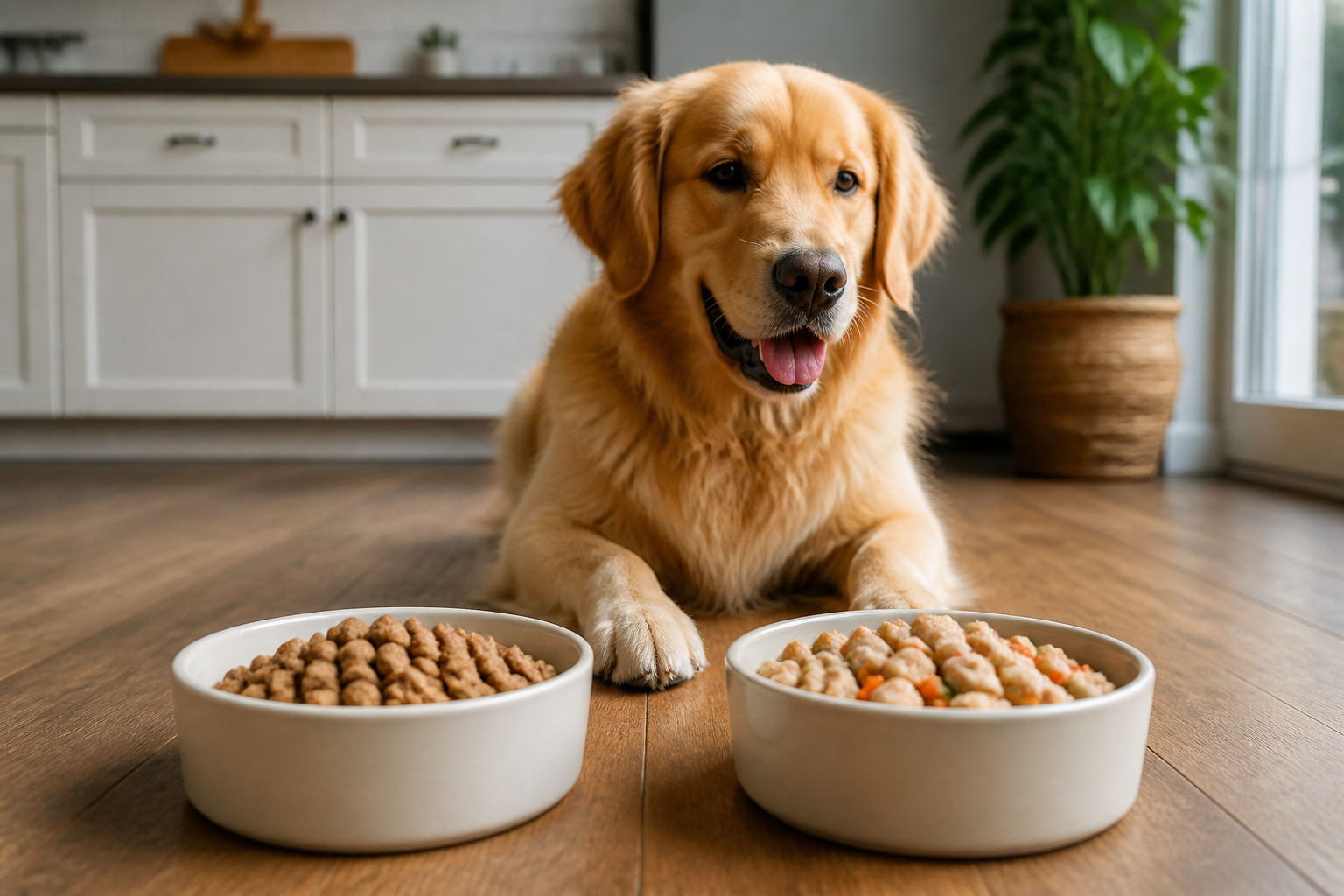
You are standing in front of a shelf filled with premium dog food options. You want to move away from standard kibble and give your dog something closer to a raw diet. You see two main contenders: freeze-dried and air-dried. Both options claim to preserve nutrients better than traditional heat-processed food. Both look like a major upgrade for your pup. However, they are made very differently and offer unique benefits for your dog and your daily routine. At BaxterBoo, we know that choosing the right food is one of the biggest decisions you make as a pet owner. This guide breaks down the differences in processing, nutrition, and convenience. We will help you decide which of these high-quality options belongs in your dog’s bowl.
The Science of Freeze-Drying
Freeze-drying is a process also known as lyophilization. It starts by freezing the raw ingredients to very low temperatures. Once the food is frozen solid, it goes into a vacuum chamber. The pressure is lowered significantly. This causes the ice in the food to turn directly into water vapor without ever melting into liquid. This stage is called sublimation. It removes nearly all the moisture while keeping the cellular structure of the ingredients intact.
Because the food is never exposed to high heat, the vitamins and enzymes stay active. You are essentially feeding a raw diet that has been preserved in time. Brands like Stella & Chewy's or Dr. Marty's use this method to ensure the proteins and fats do not degrade. The result is a very light, porous nugget that retains the original shape and color of the ingredients.
The Process of Air-Drying
Air-drying takes a different approach to preservation. Instead of freezing the food, this method uses gentle, circulating air to remove moisture. The food is placed in drying chambers where warm air flows over it for several hours. This is a much slower process than traditional kibble extrusion. The temperature is high enough to kill many common pathogens but low enough to keep the nutrients from cooking out.
Air-dried food has a texture that is very different from freeze-dried options. It usually looks and feels like small pieces of jerky. It is much denser and tougher than the porous freeze-dried nuggets. Brands like Ziwi Peak and Open Farm often use this method. It creates a shelf-stable product that does not require refrigeration but still offers the benefits of high-protein, meat-based nutrition.
Comparing Nutritional Integrity
Both methods are far superior to high-heat kibble when it comes to nutrition. Standard kibble is cooked at extremely high temperatures. This can destroy delicate vitamins and alter the structure of proteins. Freeze-drying is generally considered the gold standard for nutrient retention. Because the food stays frozen during the drying phase, the chemical structure of the vitamins and minerals remains unchanged.
Air-drying is also excellent but involves slightly more heat than freeze-drying. While it preserves most nutrients, some very heat-sensitive vitamins might see a slight reduction. However, air-dried food often includes high levels of organ meats and green-lipped mussels. These ingredients provide a natural source of glucosamine and chondroitin. Both types of food provide high bioavailability. This means your dog can actually absorb and use more of the nutrients in the food.
Texture, Taste, and Palatability
If you have a picky eater, the texture of the food might be the deciding factor. Freeze-dried food is light and crunchy when dry. However, many owners choose to rehydrate it with warm water or broth. When you add water, the food regains its original raw texture and aroma. Most dogs find the scent of rehydrated meat irresistible. It is a great choice for senior dogs who might have dental issues and need softer food.
Air-dried food is naturally very palatable because it is essentially a bag of jerky. It has a chewy texture that satisfies a dog's natural urge to chew. It does not require rehydration, though you can add water if you want to increase your dog's fluid intake. Because it is so dense, even a small amount smells strongly of meat. This makes it a popular choice for "toppers" to entice dogs to eat their regular meals.
Practicality and Daily Preparation
Your daily schedule often dictates which food works best. Freeze-dried food requires a bit more effort if you choose to rehydrate it. You need to crumble the nuggets and add water, then wait a few minutes for it to soak in. It is also very lightweight. This makes it the perfect option for hiking trips or traveling where every ounce of weight matters.
Air-dried food is the ultimate "scoop and serve" option. It is ready to eat right out of the bag. You do not have to wait for it to rehydrate. It is much heavier and denser than freeze-dried food. A small bag of air-dried food contains a surprising amount of calories because the moisture has been removed. If you want the fastest meal prep possible, air-drying is usually the winner.
Quick Answer: Freeze-dried food is best for maximum nutrient retention and dogs who prefer a soft, rehydrated texture. Air-dried food is better for owners who want the convenience of a scoop-and-serve meal with a jerky-like texture.
Shelf Life and Storage Needs
Both types of food are shelf-stable, which is a huge advantage over frozen raw diets. You do not need to take up space in your freezer or worry about thawing meals overnight. Freeze-dried food has an exceptionally long shelf life if the bag remains sealed. The lack of moisture means bacteria cannot grow. However, once you rehydrate it, you must treat it like fresh food. Any leftovers in the bowl should be discarded after a few hours.
Air-dried food also lasts a long time on the shelf. The drying process and the addition of natural preservatives like dried kelp or salt help keep it fresh. Most brands recommend using the bag within a few weeks of opening to ensure the fats do not oxidize. Both should be stored in a cool, dry place. Make sure to seal the bags tightly after every use to keep out moisture and pests.
Cost and Long-Term Value
There is no denying that both freeze-dried and air-dried foods are more expensive than kibble. The processes take longer and use higher-quality ingredients. However, you must look at the portion sizes rather than the weight of the bag. Because these foods are so nutrient-dense, you feed much less than you would with kibble.
Understanding the Investment
- High Protein Content: Most of these foods are 80% to 95% meat, organs, and bone.
- No Fillers: You aren't paying for corn, wheat, or soy that your dog doesn't need.
- Less Waste: Higher digestibility usually leads to smaller, firmer stools.
- MVP Rewards: Buying these premium brands through our MVP Rewards programme helps you earn points back on every dollar spent.
Many owners find a middle ground by using these foods as toppers. This allows you to boost your dog's nutrition without the high cost of feeding a 100% freeze-dried or air-dried diet.
Key Takeaway: While the price per bag is higher, the nutritional density means you feed smaller portions. This can make the cost more manageable over time.
Health Considerations and Safety
Pet owners often worry about the safety of raw-style diets. Freeze-dried food is technically raw. Many brands use High Pressure Processing (HPP) to kill harmful bacteria like Salmonella or Listeria without using heat. This makes it much safer to handle than traditional raw meat. Air-dried food uses low heat to achieve a similar safety profile.
If your dog has a compromised immune system, you should be extra careful. Always wash your hands after handling any pet food. If your dog is managing a chronic condition like kidney disease or severe allergies, the high protein levels in these foods might need adjustment.
Vet Tip: Always consult your veterinarian before switching to a high-protein or raw-style diet. This is especially important for dogs with pre-existing health conditions or those requiring prescription diets.
Our pharmacy partnership with Pet's Choice provides access to prescription foods and medications. If your vet determines your dog needs a specialized diet for health reasons, we can help you fulfill those needs through our pet pharmacy.
Which Is Better for Your Dog?
The "better" option depends on your dog's specific life stage and preferences.
Best for Senior Dogs
Freeze-dried food is often the best choice for seniors. You can add warm water to create a soft mash. This is easy on old teeth and sensitive gums. The high moisture content also helps with hydration, which is vital for kidney health in older pets.
Best for Active Dogs and Puppies
Air-dried food is great for active dogs who need a lot of calories in a small package. It is also excellent for training. You can break the jerky-like pieces into tiny bits for high-value rewards. For puppies, look for formulas specifically labeled for growth to ensure the calcium and phosphorus levels are correct.
Best for Picky Eaters
Both options are winners here. The intense meaty smell of air-dried food or the fresh aroma of rehydrated freeze-dried food usually wins over even the pickiest pups. You can even mix a little bit of both to provide a variety of textures.
Step-by-Step: Transitioning Your Dog
You should never switch your dog's food overnight. Their digestive systems need time to adjust to the rich proteins and lack of fillers.
- Step 1: Start with a small amount. / Mix about 25% of the new food with 75% of their old food for three days.
- Step 2: Increase the ratio. / If their stool remains firm, move to a 50/50 mix for the next three days.
- Step 3: Move to mostly new food. / Use 75% of the freeze-dried or air-dried food for another three days.
- Step 4: Complete the switch. / By day ten, your dog should be ready for a full bowl of the new diet.
Keep an eye on their digestion during this time. If you notice any upset stomach or loose stools, slow down the process. Some dogs take up to two weeks to fully transition to a nutrient-dense diet. For more guidance, read how much freeze-dried dog food to feed your pet.
Ingredient Quality in Premium Brands
When you buy these foods at BaxterBoo, you are getting carefully selected ingredients. We carry brands like Stella & Chewy's, Open Farm, and Ziwi Peak because they prioritize sourcing. You will often see "grass-fed," "wild-caught," or "cage-free" on the labels. These terms are not just for show. They indicate a higher level of fatty acids and fewer hormones or antibiotics in the meat.
Air-dried and freeze-dried foods also avoid artificial colors and chemical preservatives. They use natural antioxidants like rosemary extract or mixed tocopherols to stay fresh. This reduces the chemical load on your dog's body. Over time, many owners notice a shinier coat, clearer skin, and higher energy levels when they move to these cleaner diets.
Using Toppers for Added Nutrition
If a full diet of freeze-dried or air-dried food is not in your budget, do not worry. You can still provide many of the benefits by using them as toppers. This is a great way to add high-quality protein to a base of high-quality kibble. It makes mealtime more exciting and provides a boost of enzymes and vitamins.
Just remember to reduce the amount of kibble you feed to account for the extra calories. Air-dried food is particularly calorie-dense. A handful can equal half a cup of regular kibble. Using the Autoship programme at BaxterBoo is a great way to keep your favorite toppers in stock while saving money on every order.
Common Myths About Dried Raw Food
One common myth is that freeze-dried food is the same as dehydrated food. They are actually quite different. Dehydrated food uses higher heat and takes longer to dry. This can change the flavor and nutrient profile more than freeze-drying does. Another myth is that air-dried food is just "expensive kibble." In reality, air-dried food does not use the starches and binders required to make kibble bits hold their shape.
Some people believe that these foods cause dental issues because they are "sticky" or "chewy." In fact, the chewy texture of air-dried food can help scrape some plaque off the teeth. Freeze-dried nuggets, when fed dry, can also provide a bit of mechanical cleaning. However, neither replaces a regular dental care routine. For a closer look at the processing differences, read Freeze-Dried vs Dehydrated Dog Food: Which Is Best?.
Bottom line: Freeze-drying preserves the most nutrients, while air-drying offers the best convenience and a satisfying chewy texture.
Summary Checklist for Choosing
- Choose freeze-dried if you want the closest thing to a raw diet and do not mind a little prep time.
- Choose air-dried if you want high-protein nutrition with the ease of a scoop-and-serve bag.
- Check for AAFCO compliance to ensure the food is a complete and balanced meal.
- Consider using these foods as toppers to save money while improving your dog’s health.
- Sign up for MVP Rewards to earn back on every purchase of premium brands.
We are proud to offer a massive selection of both freeze-dried dog food and air-dried dog food options to help your dog thrive. Whether you are looking for a training treat or a new daily staple, these processing methods provide some of the best nutrition available in the pet industry today.
FAQ
Is freeze dried or air dried dog food better for weight loss?
Both can be excellent for weight loss because they are high in protein and low in carbohydrates. However, air-dried food is very calorie-dense, so you must be very careful with portion sizes to avoid overfeeding. Freeze-dried food can feel more substantial to a dog when rehydrated with water, helping them feel full on fewer calories. Always check with your vet before starting a weight loss plan to ensure your dog is getting the right nutrient balance.
Do I have to add water to air-dried dog food?
No, you do not have to add water to air-dried food because the gentle heating process leaves it with a jerky-like texture that is ready to eat. Some pet owners choose to add a little water or bone broth to enhance the aroma or help with hydration. This is purely a matter of your dog's preference. If your dog does not drink much water throughout the day, adding a splash to their air-dried meal is a smart way to increase their fluid intake.
Which option is safer regarding bacteria and pathogens?
Both freeze-dried and air-dried foods are generally safer than raw frozen food because the lack of moisture inhibits bacterial growth. Air-dried food uses low heat which helps kill pathogens during the drying process. Many freeze-dried brands use High Pressure Processing (HPP) to ensure safety without using heat. While the risk of Salmonella or Listeria is very low in high-quality brands, you should still practice good hygiene and wash your hands after every feeding.
Can I use freeze-dried and air-dried foods as treats?
Yes, both are fantastic as high-value training treats because they are made almost entirely of meat. Air-dried pieces are especially convenient for training because they do not crumble easily in your pocket or treat pouch. Freeze-dried nuggets can be broken into smaller pieces, though they may be a bit more "dusty" than air-dried options. Using these as treats is a healthy way to reward your dog without adding the fillers found in many traditional dog treats.






