Save 15% on your 1st Autoship learn more

 Email us
 Live Chat
 FAQs
FAQs





Introduction
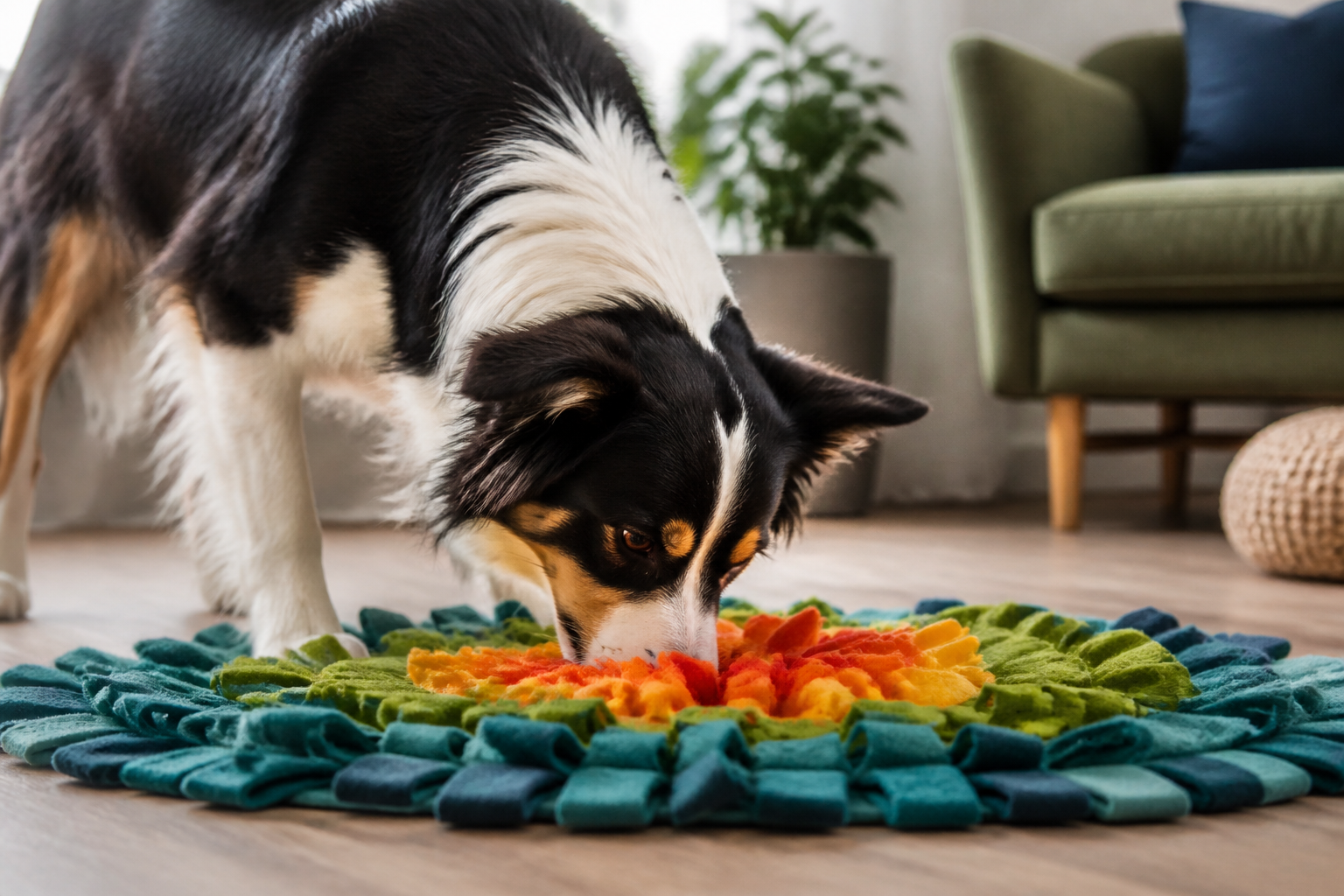
You just filled your dog's bowl, and ten seconds later, it is empty. Your pup is already looking for more, pacing the kitchen with restless energy. This scenario is common for many pet owners who struggle to keep their high-energy dogs occupied during a busy workday or a rainy afternoon. At BaxterBoo, we believe that mental exercise is just as important as a walk around the block. A felt snuffle mat is one of the simplest ways to engage a dog's natural instincts while slowing down their eating habits. This post covers the benefits of nose work, how to introduce the mat to your pet, and tips for choosing the most durable materials. Using a snuffle mat can turn a boring mealtime into a rewarding brain game.
Quick Answer: A felt snuffle mat is an enrichment toy made of fabric strips attached to a sturdy base. It mimics the experience of foraging in grass by hiding dry kibble or treats within the folds of the fabric.
Understanding the Felt Snuffle Mat
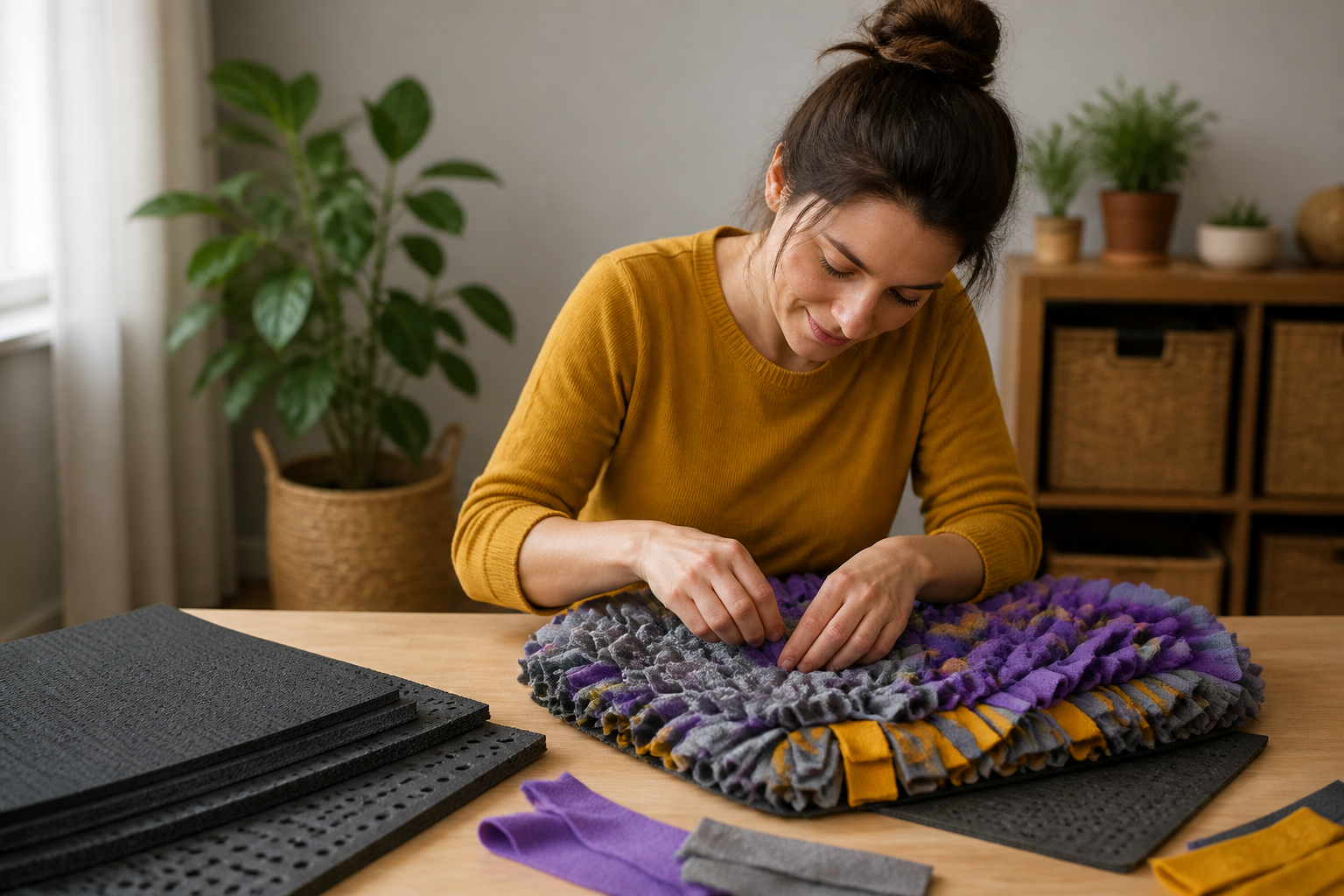
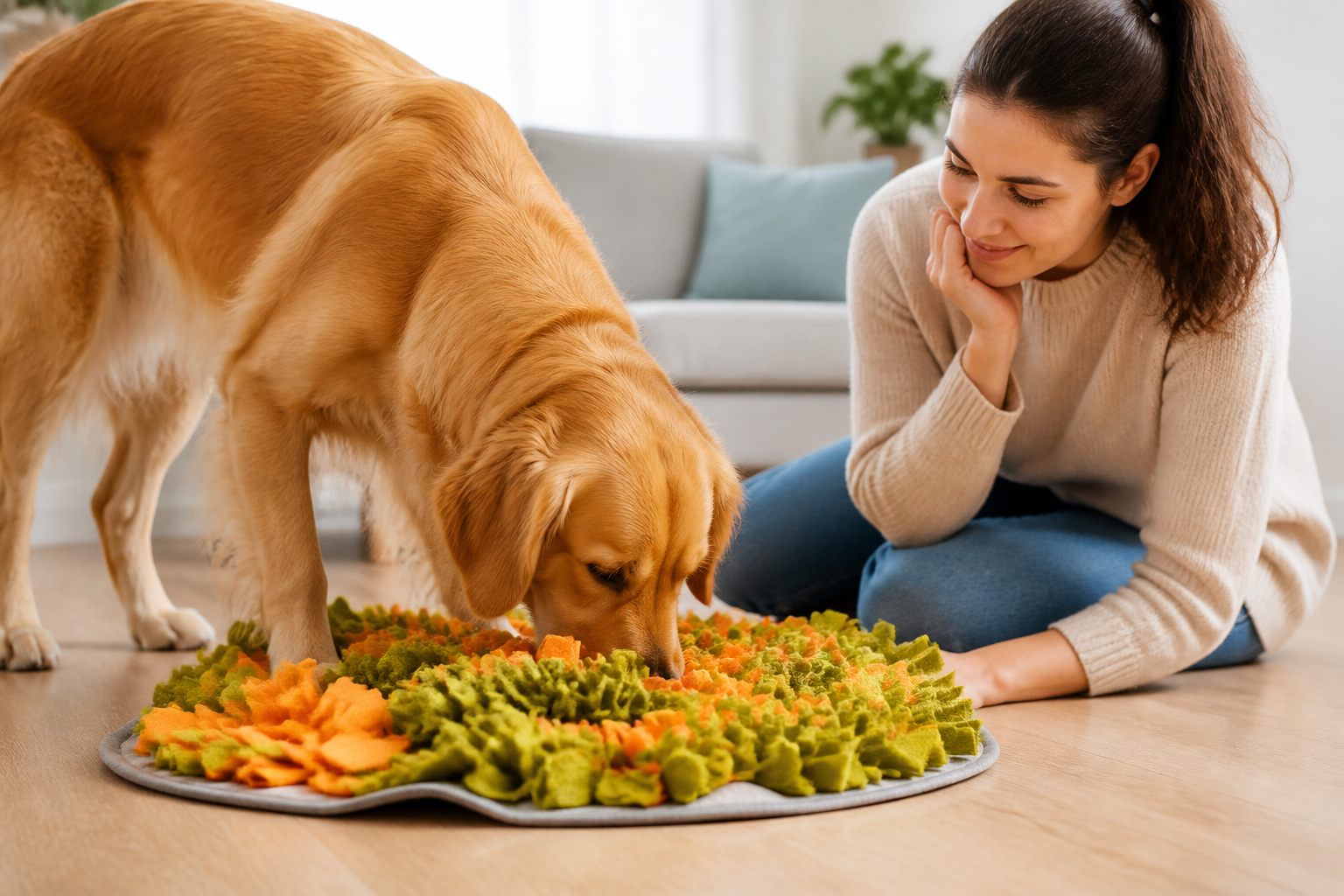
A felt snuffle mat is a puzzle feeder designed to challenge a pet's nose and brain. Most versions consist of a heavy rubber or plastic backing with hundreds of felt or fleece strips tied through the holes. These strips create a dense, shag-carpet effect that hides food from plain sight. Because dogs have a sense of smell that is thousands of times more sensitive than ours, they find great satisfaction in "hunting" for their dinner.
While these tools are most popular for dogs, they are excellent for cats too. We often see owners use them to encourage movement in indoor cats who might otherwise be sedentary. The soft felt material is chosen because it is gentle on sensitive noses and mouths. It does not cause the friction or irritation that some rougher fabrics might during long foraging sessions. Cat owners can also explore our cat toys for other ways to encourage indoor activity.
Key Takeaway: Snuffle mats leverage a pet's natural foraging instinct to provide mental stimulation and slow down rapid eaters.
The Mental Health Benefits of Sniffing
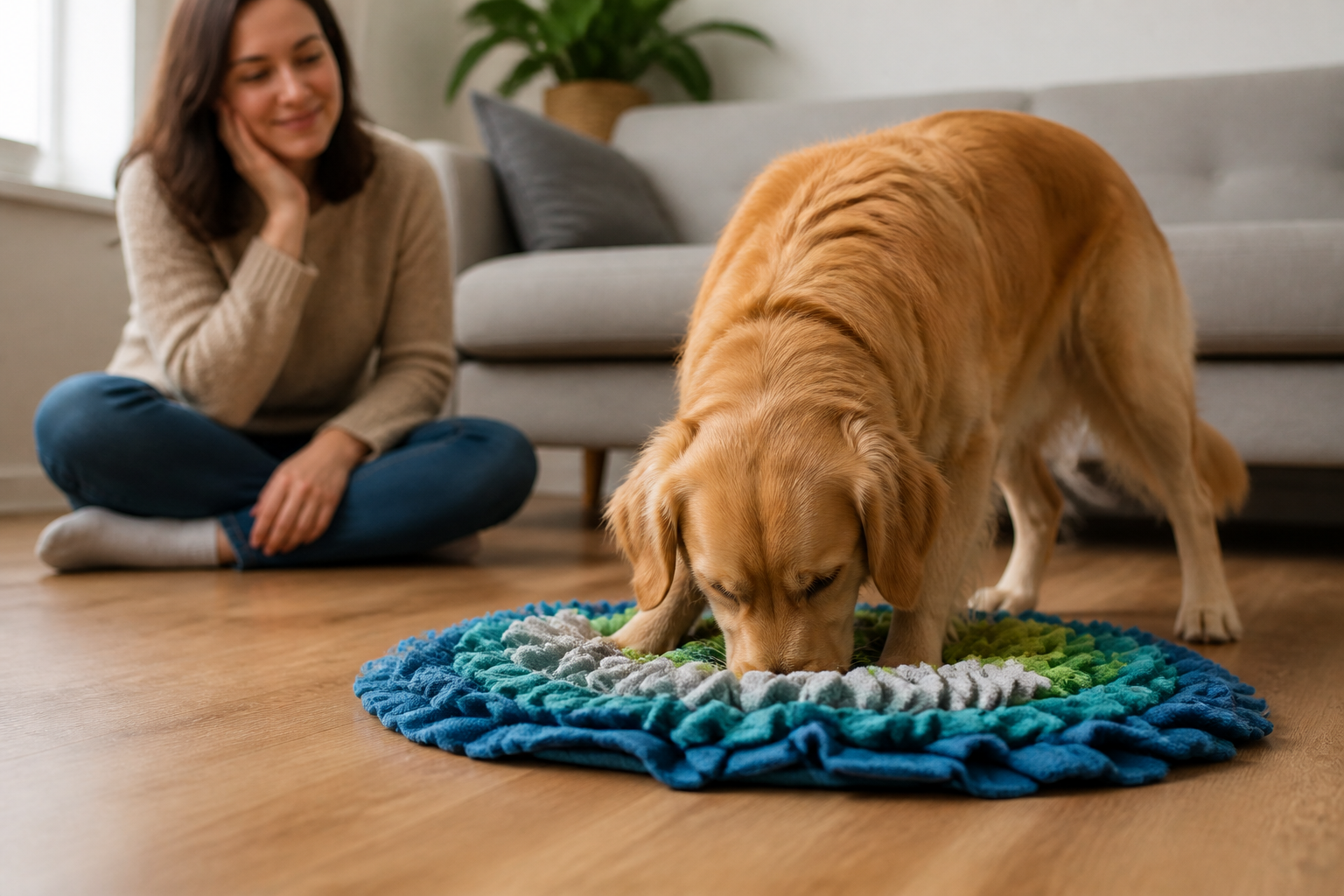
Sniffing is a calming activity for dogs. It lowers their heart rate and helps them process information about their environment. When a dog uses a felt snuffle mat, they are performing "nose work," which is a sport that requires significant focus. This level of concentration can tire a dog out more effectively than a long walk because it requires intense mental effort.
For pets that suffer from separation anxiety or general nervousness, a snuffle mat provides a constructive distraction. It gives them a job to do, which can shift their focus away from stressors like thunderstorms or being left alone. We find that dogs who use these mats regularly often appear more settled and relaxed afterward. For more ideas, read our guide to dog boredom busters.
Why Enrichment Matters
- Reduces destructive behaviors caused by boredom.
- Provides a safe outlet for high-energy puppies.
- Helps senior dogs stay mentally sharp as they age.
- Offers an indoor exercise alternative during extreme weather.
Solving the Problem of Fast Eating
If your dog inhales their food, they are at a higher risk for digestive upset, choking, or a dangerous condition called bloat. Traditional bowls make it too easy to grab large mouthfuls of kibble at once. A felt snuffle mat forces the dog to find every individual piece of food. This naturally slows their pace and encourages them to chew properly.
For dogs on a weight management journey, slowing down the eating process allows their brain to register that they are full. This can prevent the begging behavior that often follows a meal that was eaten too quickly. If your veterinarian has recommended a specific prescription diet for weight or digestive health, you can easily use those kibbles in the mat. Browse our dog food selection for dry food options that may work with your pet's feeding routine.
Vet Tip: If your dog has chronic digestive issues or requires a prescription diet, consult your veterinarian for the best feeding plan. Our pet pharmacy offers a wide range of FDA-approved prescription pet foods through our partnership with Pet's Choice to support these medical needs.
How to Introduce the Mat to Your Dog
Introducing a felt snuffle mat should be done gradually to ensure your dog does not get frustrated. If the food is hidden too deeply on the first try, some dogs may try to pick up the entire mat and shake it. This can lead to the dog chewing on the felt strips instead of sniffing for treats.
Step 1: Sprinkle a few high-value treats directly on top of the felt strips while your dog is watching.
Step 2: Give your dog a release command like "find it" or "search" to let them know they can start.
Step 3: Once they understand the game, begin tucking the treats slightly deeper into the fabric folds.
Step 4: Gradually transition to using their regular dry kibble for the entire meal once they are pros at foraging.
Bottom line: Start with easy-to-find treats to build confidence before hiding food deep inside the mat.
Choosing the Right Materials and Design
Not all snuffle mats are built the same way. When you are browsing the selection at BaxterBoo, you should look for specific features that ensure the mat is safe and long-lasting. The quality of the felt matters because cheap fabrics can fray and become a choking hazard. You can compare enrichment options with our interactive dog toys.
What to Look For
- Machine Washable: The mat will inevitably get covered in drool and food crumbs. Look for one that can survive a gentle cycle in the wash.
- Anti-Slip Bottom: A rubberized or weighted backing prevents the mat from sliding across the floor while your dog is working.
- Fabric Density: More strips of felt mean more hiding spots, which makes the puzzle more challenging.
- Safety Ties: Ensure the strips are securely fastened to the base so your dog cannot easily pull them off and swallow them.
We carry 500+ trusted brands that prioritize safety and durability in their designs. If your dog is a known "destructo-pup" who tries to eat non-food items, choose a mat with shorter, thicker strips that are harder to tear. Always supervise your pet during the first few sessions to make sure they are using their nose and not their teeth.
Maintenance and Cleaning Tips
Since a felt snuffle mat comes into direct contact with food and saliva, it can harbor bacteria if it is not cleaned regularly. Most felt mats are made from polyester fleece, which holds its shape well in water. We recommend washing the mat at least once a week if you use it for daily meals.
To wash, place the mat in a mesh laundry bag to protect the felt strips from getting tangled in the washing machine agitator. Use a pet-safe, unscented detergent to avoid irritating your dog's sensitive nose. It is usually best to air dry the mat rather than putting it in the dryer. Heat can sometimes damage the non-slip backing or cause the felt to lose its texture.
Keeping Playtime Safe
While a felt snuffle mat is a fantastic tool, it is not a chew toy. If you leave it out after the food is gone, your dog might start chewing on the base or the fabric strips out of habit. This can lead to the ingestion of plastic or fabric, which can cause an intestinal blockage.
Once your dog has finished their "snuffle session," pick the mat up and store it out of reach. This keeps the mat clean and ensures that it remains a special, high-value activity for your pet. If you notice any loose threads or damaged sections of the base, it is time to replace the mat to prevent any safety issues.
Key Takeaway: Always supervise use and put the mat away after mealtime to prevent your dog from using it as a chew toy.
Comparing Snuffle Mats to Other Puzzle Toys
You might wonder how a felt snuffle mat compares to a hard plastic puzzle or a treat-dispensing ball. Plastic puzzles often require "paws-on" interaction, like sliding a lid or flipping a switch. These are great for cognitive skill-building but do not always provide the same calming effect as the constant sniffing required by a mat.
Treat-dispensing balls are excellent for physical activity because they require the dog to chase them. However, they can be noisy on hardwood floors and may be too overstimulating for some dogs. The felt snuffle mat is a quiet, stationary activity that is perfect for apartment living or for dogs who need to stay calm while recovering from an injury. For another perspective on enrichment toys, explore our article about puzzles, play, and dog boredom.
| Feature | Felt Snuffle Mat | Plastic Puzzle Toy | Treat Ball |
|---|---|---|---|
| Primary Skill | Scent work and foraging | Logic and dexterity | Physical movement |
| Noise Level | Silent | Moderate | High |
| Washability | Machine washable | Hand wash only | Dishwasher safe (usually) |
| Ideal For | Slow feeding and anxiety | High-intelligence breeds | High-energy exercise |
Using the Mat for Special Training
A felt snuffle mat can also be a helpful tool for basic obedience training. You can use it to practice the "stay" or "wait" command. Ask your dog to sit and stay while you load the mat with kibble. This builds impulse control, as they have to wait for your signal before they can dive into the fun.
It is also useful for crate training. Placing a loaded mat inside the crate can help your dog associate that space with a positive, rewarding activity. This can make the transition to spending time in the crate much easier for puppies or newly adopted adult dogs. If crate training is part of your routine, read our guide to crate training.
Why Quality Felt Matters
Felt is the preferred material for these mats because it mimics the texture of grass and leaves. High-quality polyester felt is durable enough to withstand the "digging" motions many dogs use when they find a stubborn piece of kibble. It is also non-toxic, which is crucial since your dog will be breathing heavily into the fibers.
Avoid mats made with thin, papery felt that you might find in a craft store. These materials tear easily and do not have the structural integrity to hide food effectively. The mats we offer are chosen for their ability to withstand repeated use and frequent trips through the laundry.
Vet Tip: If your dog shows signs of skin allergies or respiratory irritation after using a new mat, they may be sensitive to the fabric or the detergent used. If symptoms persist, consult your vet. Our pharmacy can help with allergy medications or specialized shampoos if needed.
Conclusion
A felt snuffle mat is a versatile and effective tool for any dog or cat owner. It addresses common issues like fast eating, boredom, and anxiety by tapping into the natural power of a pet's nose. Whether you have a puppy with endless energy or a senior dog who needs a low-impact way to stay sharp, this enrichment tool provides hours of quiet engagement. Remember to supervise your pet, keep the mat clean, and pick it up once the treats are gone. You can find a variety of dog treats for enrichment activities and high-quality food to fill them with at BaxterBoo.
Bottom line: Incorporating a felt snuffle mat into your daily routine is an easy way to improve your pet's mental health and digestive safety.
FAQ
Can I use wet food in a felt snuffle mat?
It is not recommended to use wet or raw food in a felt mat because it is very difficult to clean the residue out of the fabric strips. This can lead to mold growth and unpleasant odors. Stick to dry kibble, dehydrated treats, or crunchy biscuits for the best experience.
Is a snuffle mat safe for a dog that likes to chew everything?
A snuffle mat is safe as long as it is used under supervision. If your dog starts to gnaw on the felt instead of sniffing for food, you should redirect them or remove the mat temporarily. It is important to put the mat away once all the food has been found to prevent chewing.
How often should I wash my felt snuffle mat?
If you use the mat for daily meals, you should wash it at least once a week. If you only use it for occasional treats, once every two weeks is usually sufficient. Always check the mat for any lingering food particles before putting it away to keep it fresh and sanitary.
My dog gets frustrated and tries to flip the mat. What should I do?
If your dog is flipping the mat, the treats might be hidden too deeply, or the dog hasn't quite learned the "sniffing" part of the game. Go back to basics by placing treats right on top of the felt. You can also try a mat with a heavier, weighted base that is more difficult to move.