Save 15% on your 1st Autoship learn more

 Email us
 Live Chat
 FAQs
FAQs





Introduction
You have already been on a long walk, played three rounds of fetch, and your dog is still pacing the living room with a toy in their mouth. Some dogs seem to have a bottomless pit of energy that physical exercise alone cannot empty. This is the moment many pet owners realize that a tired body is only half the battle. A truly satisfied dog needs a tired brain too. At BaxterBoo, we know that mental enrichment is just as important as a good leash or a sturdy bowl. This post covers everything you need to know about using a snuffle mat to engage your dog's natural instincts. You will learn how these simple fabric puzzles can slow down fast eaters, calm anxious puppies, and keep senior dogs sharp. Using a snuffle mat for dogs is one of the easiest ways to provide meaningful enrichment right in your living room.
What is a Snuffle Mat?
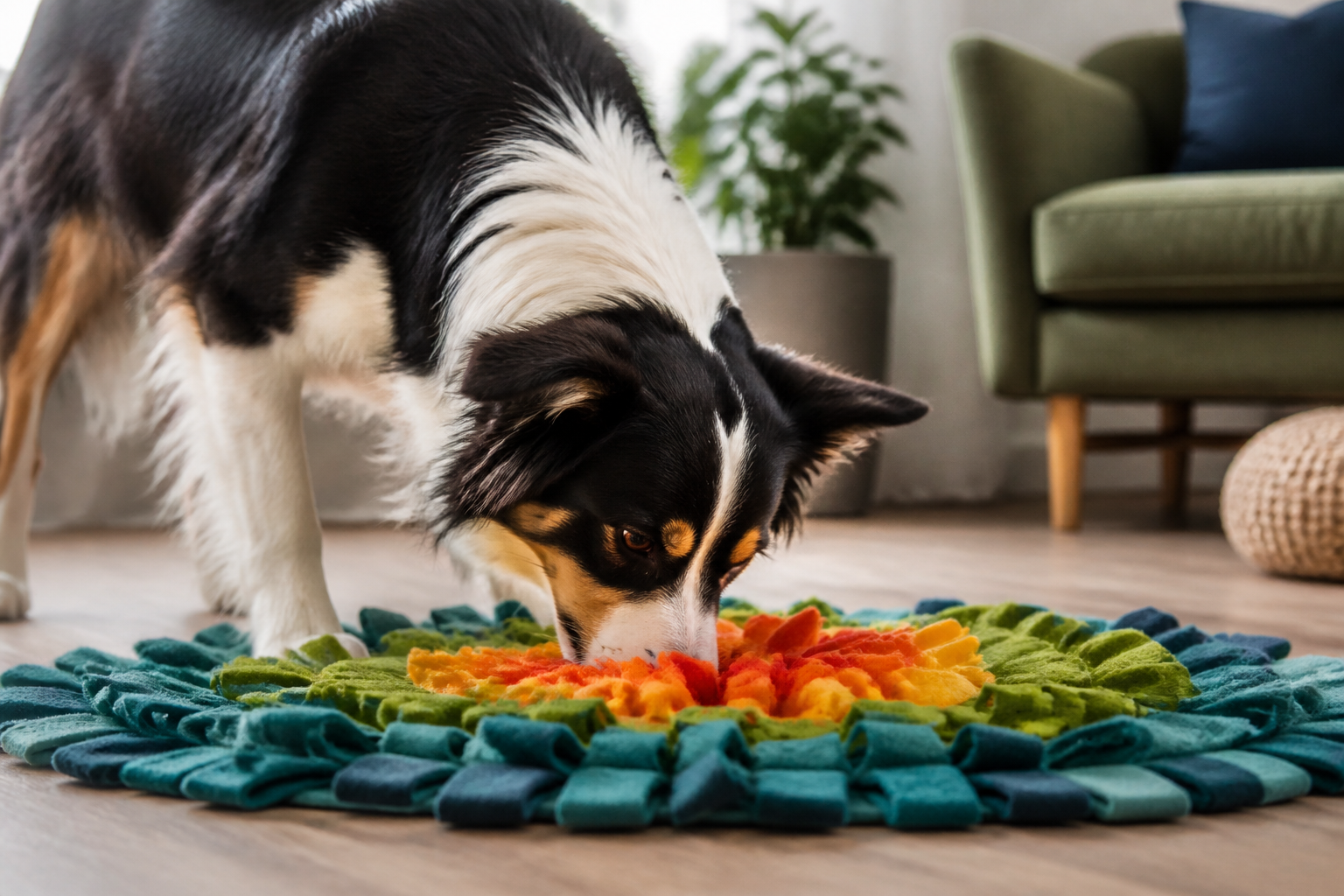
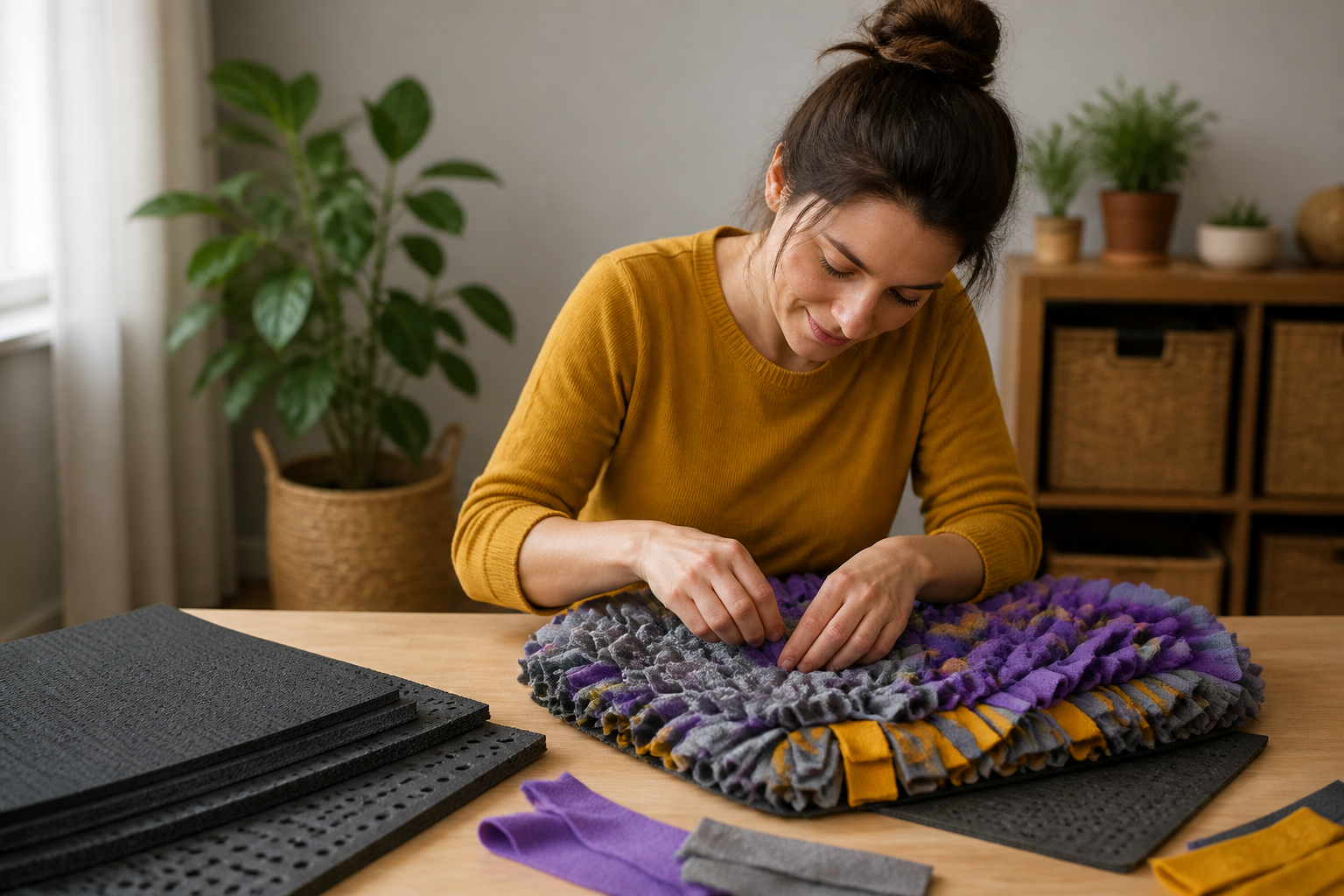
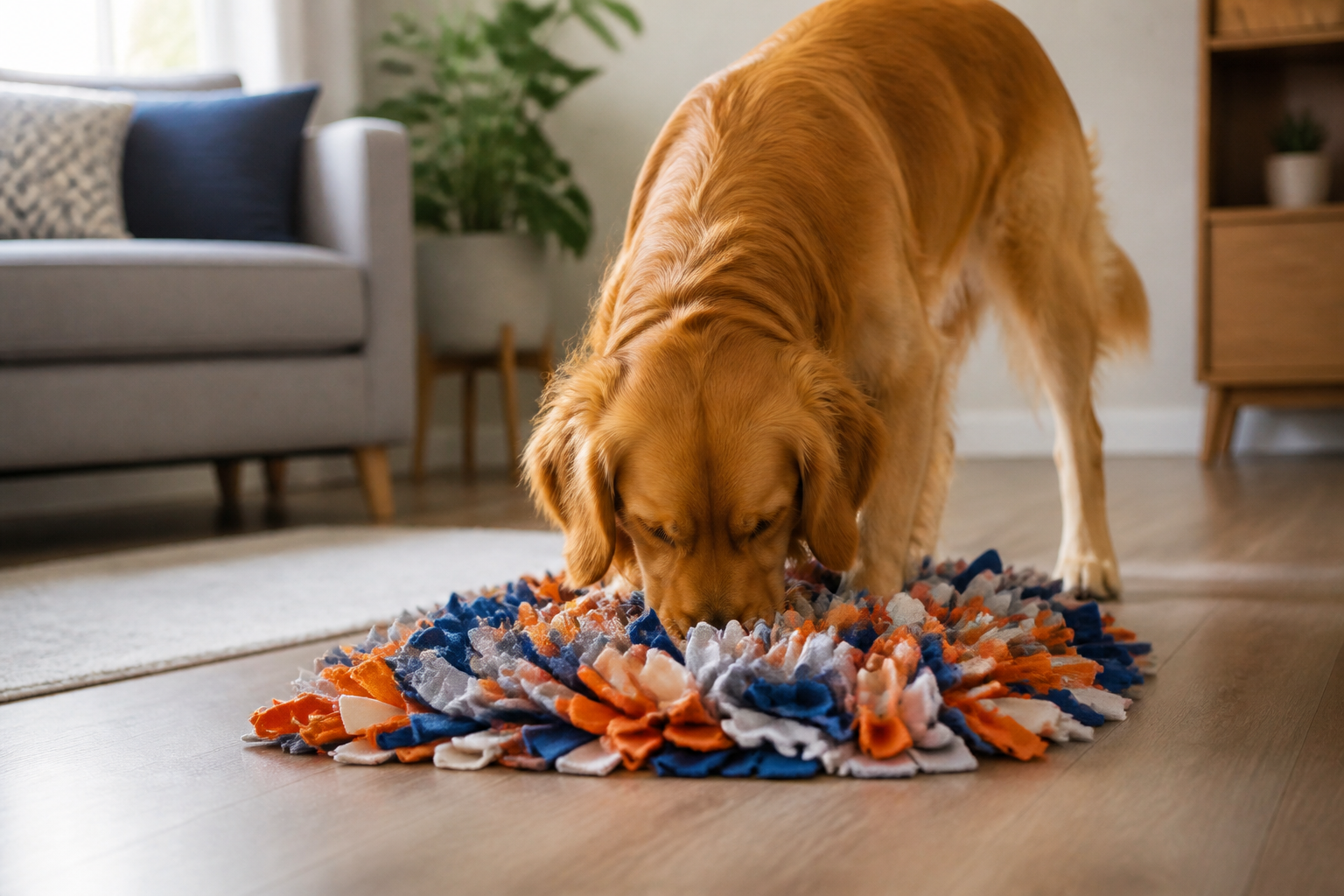
A snuffle mat is a hidden treasure map for your dog's nose. At its most basic level, it is a sturdy backing material with dozens of fabric strips felt or fleece tied through it. These strips create a thick, shag-like surface with countless nooks and crannies. When you sprinkle dry food or treats into the mat, they fall deep into the fabric folds. Your dog then has to use their sense of smell to locate each individual piece and their muzzle or paws to retrieve it.
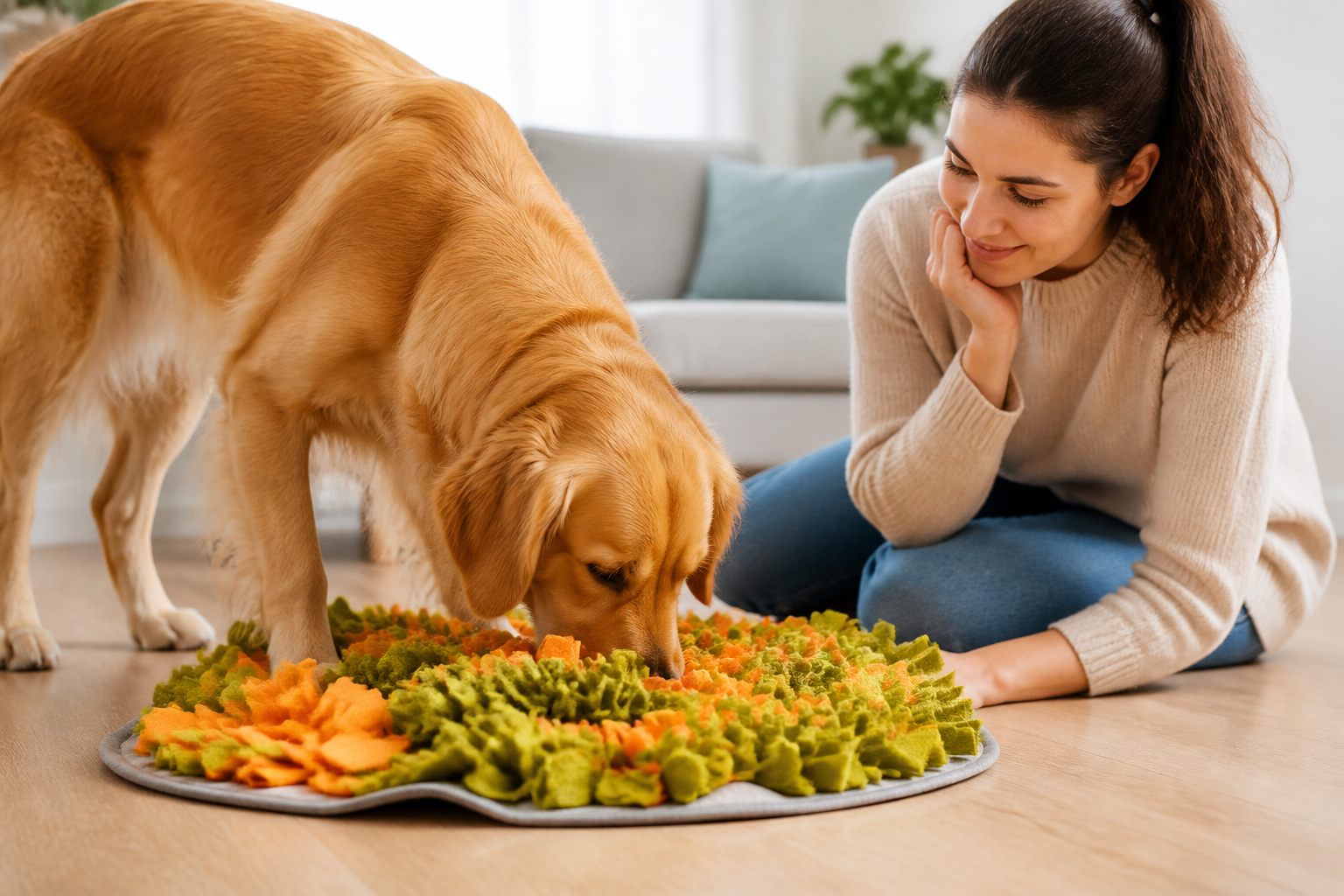
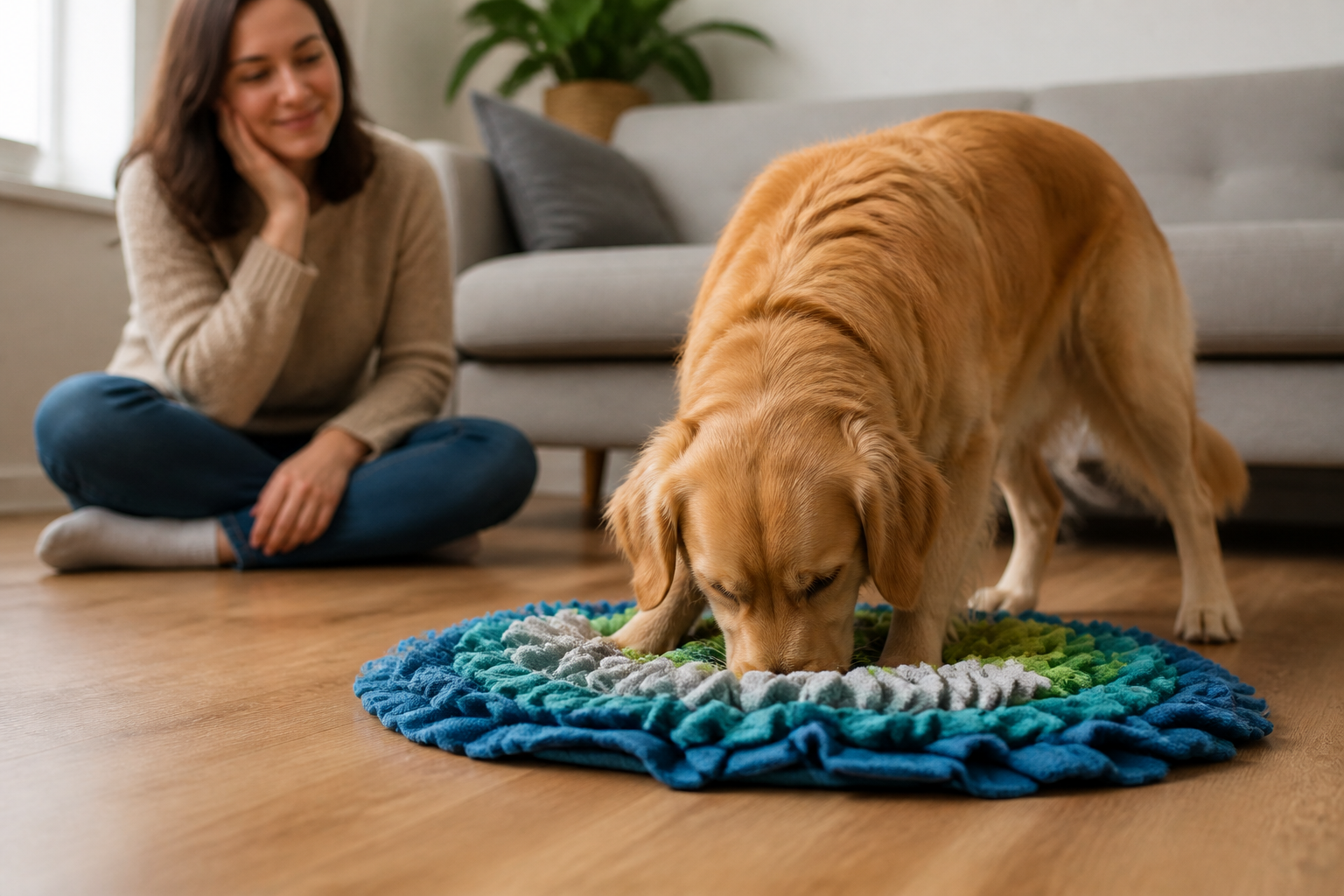
This mimics the natural foraging behavior that dogs would use in the wild. While we provide our pets with bowls that make eating effortless, their brains are still hardwired to search for food. A snuffle mat turns a five-second meal into a fifteen-minute adventure. It shifts their focus from external distractions to the specific task at hand. This concentration provides a level of mental exhaustion that a simple walk cannot match. For more ideas, explore interactive dog boredom busters.
We often see pet owners surprised by how much work a dog puts into a simple mat. It is not just a toy. It is a tool for biological fulfillment. By engaging the nose, you are tapping into the primary way your dog experiences the world.
Quick Answer: A snuffle mat is an interactive puzzle toy made of fabric strips attached to a heavy base. It hides dry treats or kibble, forcing your dog to use their sense of smell to forage for their food.
The Science of the Sniff
To understand why a snuffle mat for dogs is so effective, you have to understand the power of the canine nose. A dog's sense of smell is between 10,000 and 100,000 times more acute than ours. While humans mostly see the world, dogs smell it. Research shows that the parts of a dog's brain dedicated to analyzing smells are forty times larger than the same areas in a human brain.
When a dog sniffs, they are processing an enormous amount of data. This processing requires significant calories and brain power. Experts often say that fifteen minutes of intense sniffing is equivalent to an hour-long walk in terms of energy burnt. This is why a dog might come back from a "sniffari" walk and nap immediately, even if they only walked a few blocks.
Sniffing also has a direct impact on a dog's emotional state. The act of foraging triggers the release of dopamine, which is the chemical associated with reward and pleasure. It also lowers the heart rate and reduces cortisol, the primary stress hormone. This makes the snuffle mat a fantastic tool for dogs that struggle with environmental stress or general hyperactivity. You can also try other scent-based dog brain games.
Key Takeaway: Engaging a dog's nose provides deep mental stimulation that burns energy and promotes a sense of calm through natural foraging behaviors.
Helping the Fast Eaters
One of the most practical uses for a snuffle mat for dogs is managing mealtime speed. Many dogs, especially certain breeds like Labradors or Beagles, tend to inhale their food. This "scarfing" behavior is not just messy. It can be dangerous. When a dog eats too fast, they swallow a lot of air. This can lead to indigestion, vomiting, or a much more serious condition known as bloat.
A snuffle mat acts as a natural slow feeder. Because the kibble is buried under layers of fabric, the dog can only get one or two pieces at a time. They have to work for every bite. This naturally extends a meal that usually takes seconds into a long, drawn-out process. This gives the stomach time to signal to the brain that it is full, which can also help with weight management. You can find more options in our dog toys collection.
If you have a dog that finishes their bowl and immediately looks for more, try switching to a mat. The mental effort of finding the food often leaves them feeling more satisfied than if they had just swallowed it whole. We carry several high-quality dry foods, such as NutriSource dry dog food, that work perfectly in these mats because the kibble size is consistent and easy to hide.
Vet Tip: If your dog is a fast eater, using a snuffle mat or slow feeder can help prevent Gastrointestinal Dilatation-Volvulus (GDV), also known as bloat. Always consult your veterinarian if your dog frequently vomits after eating or shows signs of abdominal discomfort.
Benefits for Senior Dogs and Puppies
The beauty of a snuffle mat is that it is a low-impact activity. This makes it ideal for dogs at both ends of the age spectrum. Puppies have endless curiosity but often lack the focus for long training sessions. A snuffle mat gives them a safe way to explore their environment and use up some of that frantic puppy energy without putting stress on their developing joints.
For senior dogs, the benefits are even more profound. As dogs age, they may develop cognitive dysfunction, which is similar to dementia in humans. Keeping the brain active is one of the best ways to slow this decline. A senior dog might not be able to run miles or jump for a frisbee anymore, but their nose usually works quite well.
The snuffle mat provides a way for an older dog to feel successful and engaged. It gives them a "job" to do that does not require physical strain. If your senior dog seems restless or confused in the evenings, a ten-minute snuffle session can help ground them and provide a sense of purpose.
Why Seniors Love Snuffling
- Provides low-impact mental exercise for arthritic dogs.
- Helps combat boredom in pets with limited mobility.
- Stimulates the appetite in picky older eaters.
- Encourages cognitive engagement to fight age-related decline.
Stress Relief and Anxiety Management
Anxiety in dogs often manifests as destructive behavior, pacing, or excessive barking. These behaviors usually stem from a lack of appropriate outlets for their energy. When a dog is anxious, they are often in a state of high arousal. They are looking for something to react to.
Introducing a snuffle mat for dogs can break this cycle. Because sniffing is a self-soothing behavior, it helps lower the dog's overall arousal level. It gives them a focal point. Instead of worrying about the thunder outside or the delivery truck down the street, they are focused on the task of finding that last piece of kibble. For additional ideas, read about indoor enrichment for dogs.
We often recommend snuffle mats for dogs that suffer from separation anxiety. If you give your dog a loaded mat right before you leave, they associate your departure with a high-value reward. By the time they finish the mat, their initial spike of anxiety about being alone has often passed. They are more likely to settle down for a nap because the foraging has put them in a relaxed state.
Key Takeaway: Foraging is a naturally calming activity that can help reduce anxiety and curb destructive behaviors by providing a focused, rewarding outlet for nervous energy.
Choosing the Best Snuffle Mat for Your Dog
Not all snuffle mats are created equal. When you are shopping, there are a few specific features you should look for to ensure the mat is safe and effective. At BaxterBoo, we emphasize quality materials because we know how tough dogs can be on their gear.
First, look at the base. A good mat should have a non-slip backing. If the mat slides all over the floor while the dog is trying to sniff, they may become frustrated or even start to "prowl" the mat, which can lead to it being flipped over or dragged. Some mats even have suction cups or straps to secure them to a chair leg or the floor.
Second, consider the complexity of the fabric. A simple shag-style mat is great for beginners. However, if you have a very smart breed like a Border Collie or a Poodle, they might solve a simple mat too quickly. Look for mats that include different types of "obstacles," such as pockets, cups, or overlapping flaps. This adds layers of difficulty that keep the challenge fresh.
Finally, check the material. Soft fleece or felt is best because it is gentle on the nose. Dogs have very sensitive skin around their muzzles, and rougher fabrics can cause irritation if they are snuffling intensely for twenty minutes. Browse our dog toy selection for additional enrichment options.
Shopping Checklist
- Non-slip or weighted base to prevent sliding.
- Machine-washable materials for easy cleanup.
- Multiple textures and hiding spots for varied difficulty.
- BPA-free and non-toxic fabrics like high-quality fleece.
- Size-appropriate dimensions for your dog's breed.
How to Introduce the Snuffle Mat
If you just drop a fully loaded mat in front of a dog who has never seen one, they might get confused. Some dogs might try to pick the whole thing up and shake it to get the treats out. Others might just start chewing on the fabric. You want to teach them that the game is about sniffing, not destroying.
Step 1: Start easy. / Sprinkle a few high-value treats right on top of the fabric strips where they are clearly visible. Let your dog eat them while you are holding the mat. This builds an immediate positive association.
Step 2: Add a little depth. / Once your dog understands there is food on the mat, start tucking the treats slightly under the first layer of fabric. They should have to move a few strips with their nose to see the food.
Step 3: Use a command. / Introduce a cue like "Find it" or "Search" when you put the mat down. This helps your dog understand when the game has started. Over time, this command will prime their brain for work.
Step 4: Increase the difficulty. / Gradually hide the treats deeper into the folds and pockets. Eventually, you can mix their entire dinner of dry kibble into the mat so that no food is visible at all.
Step 5: End the session. / When your dog has found all the treats, pick the mat up. This prevents them from starting to chew on the fabric because the "reward" is gone. It also keeps the mat special and exciting for the next time.
Bottom line: Introducing the mat slowly with high-value treats ensures your dog learns the "sniffing" game rather than trying to chew or shake the toy.
Safe Treats and Foods for Snuffling
The best food for a snuffle mat for dogs is anything dry and small. You want pieces that can fall into the crevices without sticking to the fabric. Kibble is the obvious choice for mealtime, but for training or special enrichment, you can use a variety of options. Browse our dog treats collection for dry options that can work well during enrichment.
Avoid anything wet, greasy, or crumbly. Items like peanut butter, wet food, or soft jerky treats will leave a mess on the fabric. This can lead to mold or bacterial growth if the mat isn't washed immediately. It also makes the mat much harder to clean.
If you want to make the game more exciting, try using freeze-dried raw treats. Brands like Stella and Chewy's or Vital Essentials offer freeze-dried options that are very aromatic but completely dry. The strong scent will keep your dog highly motivated. You can also use small pieces of dehydrated carrots or air-popped popcorn (without salt or butter) for a low-calorie option.
Vet Tip: Always keep track of the calories you put into the snuffle mat. If you are using it for treats between meals, subtract that amount from your dog's daily food allowance to prevent unwanted weight gain.
Cleaning and Maintenance
Because your dog is essentially rubbing their nose and mouth all over the fabric, snuffle mats get dirty. Saliva, food dust, and hair will accumulate quickly. If left unwashed, the mat can start to smell and may even harbor bacteria that could make your dog itchy or sick.
Most high-quality snuffle mats are machine washable. We recommend washing yours at least once every two weeks, or more often if your dog is a heavy drooller. Use a pet-safe, fragrance-free detergent. Dogs have much more sensitive noses than we do, and a strong floral scent on their favorite puzzle mat can be overwhelming or even off-putting.
To keep the mat in good shape, place it inside a pillowcase or a mesh laundry bag before putting it in the washing machine. This prevents the fabric strips from getting tangled or caught in the agitator. Always air dry the mat. High heat in a dryer can damage the backing material or cause the fleece to pill and lose its texture.
Common Mistakes to Avoid
The most common mistake owners make with a snuffle mat for dogs is leaving it out all day. A snuffle mat should be treated like a special activity, not a piece of furniture. If the dog has access to it all the time, they may start to use it as a bed or, worse, a chew toy. Once the food is gone, the mat's purpose is fulfilled. Picking it up keeps the value of the activity high.
Another mistake is using a mat that is too small for the dog. If you have a Great Dane using a mat designed for a Chihuahua, they will likely just flip the mat over to get the food. The mat should be large enough that the dog can stand or sit comfortably while working on it.
Finally, do not forget to supervise. Even though snuffle mats are generally safe, a determined chewer can rip off strips of fabric. If swallowed, these pieces can cause intestinal blockages. Always watch your dog while they are using the mat and intervene if they start to tug on the fabric strips instead of sniffing.
Safety Reminders
- Always supervise your dog during use.
- Pick up the mat as soon as the food is gone.
- Inspect the mat regularly for loose threads or torn fabric.
- Do not use with dogs who have a history of eating non-food items (pica).
Training Benefits Beyond the Mat
While the snuffle mat is a great stationary activity, it actually builds skills that help with other types of training. It teaches your dog how to focus on a task even when there are distractions nearby. It also builds their confidence. For a shy dog, successfully "hunting" for their food can provide a significant boost in self-esteem.
You can also use the snuffle mat to practice "Stay" and "Release" commands. Have your dog sit and stay while you load the mat in front of them. This builds impulse control. They are seeing and smelling something they want very much, but they have to wait for your permission to get it. This kind of real-world training is invaluable for everyday life.
If you are interested in scent work or nose work as a sport, the snuffle mat is the perfect "kindergarten" for those activities. It introduces the concept that using their nose leads to rewards. From here, you can transition to hiding treats around the house or even outside in the grass.
Our Pharmacy and Your Dog's Health
At BaxterBoo, we care about the whole pet. While toys and enrichment are vital, we also know that many dogs require ongoing health support. Our pet pharmacy offers a wide range of FDA-approved medications and prescription pet foods through our partnership with Pet's Choice.
If your dog is using a snuffle mat to manage weight, your vet might recommend a specific prescription diet. We carry many of these specialized formulas that can be delivered right to your door. Our pharmacy also carries supplements for joint health, which are great for senior dogs who are staying active with their snuffle mats. Having access to a real pharmacy means you can get your pet's medications with the same convenience as their favorite toys.
Bottom line: A snuffle mat is a versatile tool that supports physical health, mental sharpness, and emotional stability for dogs of all ages.
Conclusion
A snuffle mat for dogs is more than just a piece of fabric. It is a bridge to your dog's most powerful natural instinct. By giving them a way to forage and search, you are satisfying a biological need that a standard food bowl simply cannot meet. Whether you are looking to slow down a fast eater, calm a nervous puppy, or keep a senior dog's mind engaged, the snuffle mat is a simple and effective solution. Remember to start slow, supervise your pet, and keep the mat clean for the best experience.
- Sniffing for 15 minutes can burn as much energy as a long walk.
- Foraging releases "happy hormones" that lower stress and anxiety.
- Snuffle mats are ideal for senior dogs with limited mobility.
- Regular cleaning with pet-safe detergent is essential for hygiene.
To start your dog's enrichment journey, browse our durable dog toys and our dog treats. You can even set up an Autoship order for your favorite kibble to ensure you never run out of supplies for your next snuffling session.
FAQ
Can I use a snuffle mat for every meal?
Yes, you can certainly use a snuffle mat for every meal if your dog enjoys it and you have the time to load it. For many owners of high-energy breeds or fast eaters, replacing the bowl with a mat is a life-changing habit. Just ensure you are washing the mat frequently to keep it hygienic for daily use.
What if my dog just tries to chew the mat?
If your dog starts chewing, it usually means they are frustrated or do not understand the game. Go back to the introduction steps and use very high-value treats on the very top of the mat. If they continue to chew, pick the mat up and try again later. Always supervise to ensure they do not swallow any fabric.
Are snuffle mats safe for puppies?
Snuffle mats are excellent for puppies because they provide low-impact mental stimulation. However, because puppies are prone to chewing and exploring with their mouths, close supervision is mandatory. Make sure the puppy is actually sniffing for the food and not just trying to rip the fleece strips off the base.
How often should I wash my dog's snuffle mat?
You should aim to wash the mat every one to two weeks, depending on how often it is used and how much your dog drools. If you notice a lingering food smell or if the fabric feels stiff or sticky, it is time for a wash. Always use a gentle cycle and air dry to maintain the integrity of the materials.