
 Save 15% on your 1st Autoship learn more

 Email us
 Live Chat
 FAQs
FAQs





Introduction
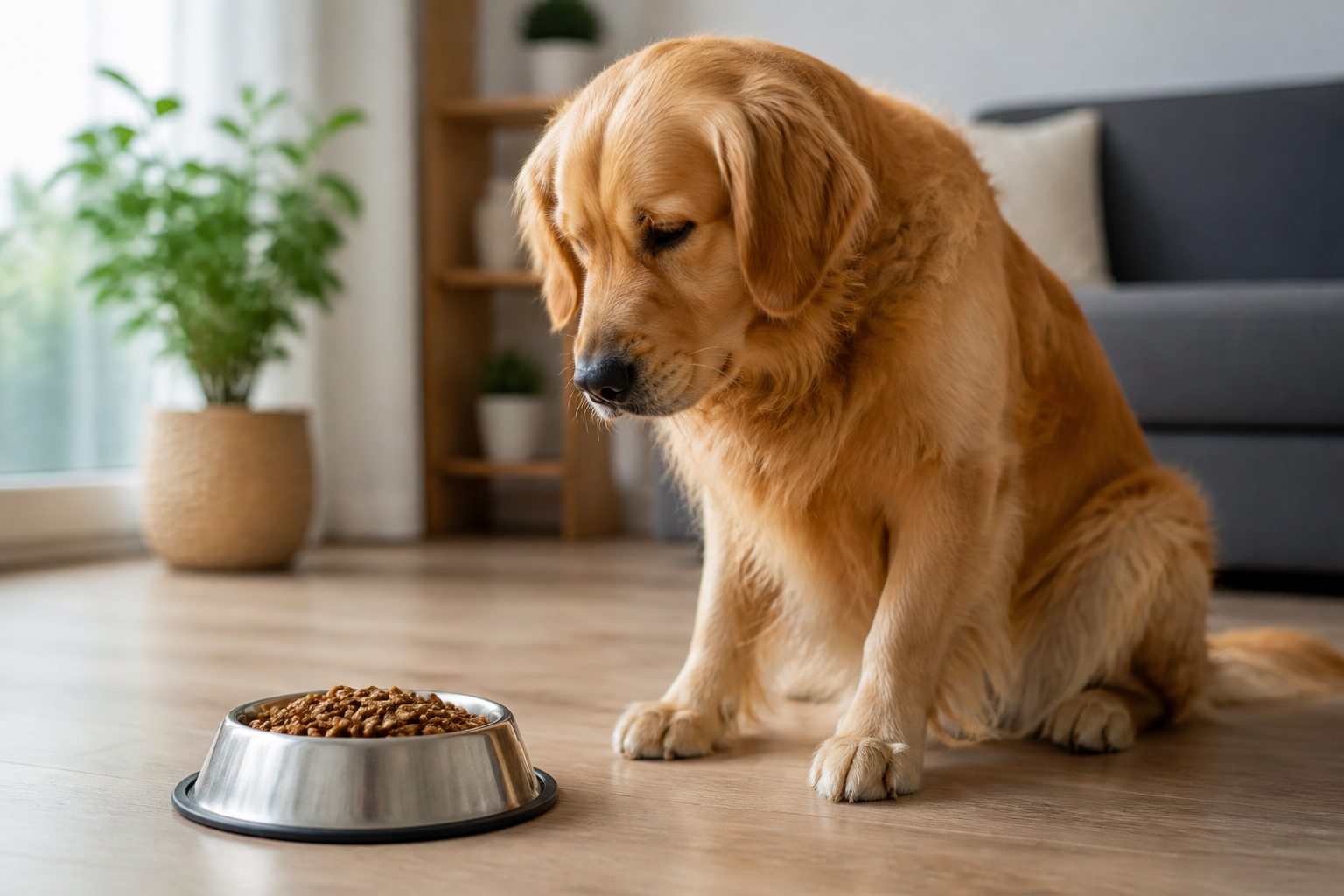
You set the bowl down and hear the familiar clinking of kibble. Your dog walks over, takes a single sniff, and then wanders away to lie down. This moment is incredibly frustrating for any pet owner. You know they are hungry, and you know the food is high quality, but they simply refuse to take a bite. At BaxterBoo, we talk to pet parents every day who are dealing with this exact scenario. It can be hard to tell if your dog is just being a picky eater or if there is a deeper health issue at play. This post covers the common reasons for kibble refusal, from dental pain to simple boredom. Understanding why your dog stopped eating dry food is the first step toward getting their appetite back on track. If you are comparing feeding options, start with our dog food category.
Ruling Out Medical Issues First
When a dog suddenly stops eating something they previously enjoyed, the first thing to consider is their physical health. Dogs are masters at hiding pain. Sometimes a refusal to eat is the only sign they give that something is wrong.
Dental Pain and Oral Health
One of the most common reasons a dog avoids dry food is oral discomfort. Kibble is hard and requires significant crunching. If your dog has a broken tooth, inflamed gums, or an abscess, that crunching becomes painful. They might still eat soft treats or wet food because those do not require as much pressure to chew.
Vet Tip: Check your dog's mouth for redness, bleeding gums, or a strong foul odor. If they are pawing at their face or dropping food while trying to eat, schedule a dental exam with your veterinarian immediately.
If your vet discovers a dental issue, you can often find prescription support through our dog pharmacy.
Gastrointestinal Upsets
Just like humans, dogs can suffer from nausea or stomach sensitivity. If a specific brand of dry food makes them feel bloated or crampy, they may develop a negative association with it. This is often seen in dogs with food sensitivities or those who have recently scavenged something they should not have eaten. For more support around digestion and other wellness concerns, browse our dog health category.
Sensory Changes in Senior Dogs
As dogs age, their senses of smell and taste can begin to fade. Since much of a dog's interest in food comes from how it smells, stale or bland kibble might not register as "food" anymore. Senior dogs also struggle more with digestion. Dry food expands in the stomach as it absorbs liquid, which can feel uncomfortable for an older dog with a slower digestive system.
Behavioral Reasons for Kibble Refusal
If your veterinarian has given your dog a clean bill of health, the issue might be behavioral. Dogs are highly observant and can quickly learn how to manipulate their environment to get better rewards.
The "Holding Out" Strategy
Many dogs are smart enough to play the long game. If they know that refusing kibble eventually leads to a scoop of wet food, a piece of chicken, or a handful of treats, they will wait. By turning their nose up at the dry food, they are essentially training you to give them something better.
Stress and Environmental Changes
Dogs thrive on routine. A move to a new house, the arrival of a new baby, or even a change in your work schedule can cause significant anxiety. When a dog is stressed, their appetite is often the first thing to go. You might notice they only eat when you are home, or perhaps they will only eat at night when the house is quiet.
Food Boredom and Fatigue
While some dogs can eat the same meal for ten years without complaint, others experience food fatigue. They may simply be bored with the flavor profile or the texture of their current diet. This is especially common if you frequently rotate high value treats but keep the main meal the same. If your dog seems bored with their bowl, our freeze-dried pet food hub can be a helpful place to explore texture and aroma options.
Key Takeaway: Distinguish between a medical emergency and a behavioral quirk by offering a high value treat. If they eagerly eat the treat but ignore the kibble, it is likely a preference or behavioral issue.
How to Make Dry Food More Appealing
You do not necessarily need to switch to an entirely new diet to get your dog eating again. Often, small adjustments to the presentation and texture of the kibble can make a world of difference.
Add Warm Water or Broth
Adding a splash of warm water to dry food is the simplest way to increase its appeal. The warmth releases the fats and aromas in the kibble, making it smell much stronger. It also softens the texture, which helps dogs with minor dental sensitivity or older dogs who find hard kibble difficult to process. For a deeper look at kibble freshness, read How Long Does Dry Dog Food Stay Fresh Once Opened?.
Use High Quality Toppers
A little bit of "extra" can go a long way. You can mix in a spoonful of canned food, some plain Greek yogurt, or a splash of salmon oil. At BaxterBoo, we see many owners have success with freeze dried raw toppers or bone broth specifically formulated for pets. If you want to compare more mixed-meal ideas, our blog post on dry dog food freshness is a good next step.
Proper Storage and Freshness
Kibble contains fats that can go rancid once the bag is opened and exposed to oxygen. Most dry food only stays truly fresh for about two to three weeks after opening. If you buy a massive bag for a small dog, the food at the bottom might taste stale or bitter by the time you reach it. You can also explore our selection of Farmina products if you are comparing brands with different recipe styles.
Tips for keeping food fresh:
- Keep the kibble in its original bag rather than pouring it into a plastic bin.
- Seal the bag tightly with a heavy duty clip after every feeding.
- Store the food in a cool, dry place away from direct sunlight.
- Check the expiration date before every new purchase.
Bottom line: Enhancing the scent and texture of kibble can often overcome a dog's refusal to eat without needing a total diet change.
Managing Your Feeding Routine
Sometimes the way you feed your dog is just as important as what you are feeding them. Establishing boundaries can help a picky eater understand that mealtime is not a negotiation.
The 15 Minute Rule
Stop leaving the food bowl down all day. This is known as free feeding, and it often leads to pickiness. Instead, put the bowl down for 15 to 20 minutes. If your dog has not eaten by the end of that window, pick the bowl up and do not offer food again until the next scheduled mealtime.
Reduce Treats and Scraps
It is easy to lose track of how many calories your dog gets from treats throughout the day. If your dog is getting 30 percent of their daily calories from training treats and dental chews, they simply will not be hungry enough to enjoy their dry food. Cut back on all extras for a few days to see if their hunger for kibble returns.
Step-by-Step: Transitioning to a New Flavor
If you decide that your dog truly is bored with their current food, transition them slowly to avoid an upset stomach.
Step 1: Mix 25 percent of the new food with 75 percent of the old food for two days. Step 2: Increase to a 50/50 split for the next two days. Step 3: Move to 75 percent new food and 25 percent old food for two more days. Step 4: Offer 100 percent of the new food once your dog's stool remains firm.
When Kibble Refusal Becomes a Concern
While a picky dog is a common headache, there are times when a lack of appetite is a serious warning sign. You know your dog's normal behavior better than anyone. If their refusal to eat is accompanied by other physical changes, it is time for professional help.
Quick Answer: If your dog has not eaten for more than 24 hours, or if they are a puppy who has missed more than two meals, call your vet. This is especially urgent if they are also refusing water or acting lethargic.
Red Flags to Watch For:
- Vomiting or frequent diarrhea
- Lethargy or a lack of interest in walks and play
- Significant weight loss over a short period
- Pawing at the mouth or excessive drooling
- Refusing all food, including high value treats like chicken or cheese
If your vet prescribes a specific therapeutic diet or medication to stimulate appetite, our dog pharmacy can help you get those essentials delivered to your door.
Choosing the Right Dry Food for Picky Dogs
Not all kibble is created equal. Some brands focus heavily on high protein and animal fats, which naturally smell and taste better to dogs. If your current food is full of grain fillers and artificial colors, your dog might simply find it unappetizing.
At BaxterBoo, we carry over 500 trusted brands including our selection of Orijen products and our selection of Farmina products. These brands prioritize real meat as the first ingredient, which often appeals to dogs that have turned their noses up at lower quality options. We also offer our Frequent Buyer Program on many participating brands, making it easier to maintain a high quality diet without overspending.
Small Breed vs. Large Breed Kibble
Size matters when it comes to dry food. A Chihuahua might stop eating their kibble simply because the pieces are too large and difficult to manage. Conversely, a large breed dog might find tiny kibble unsatisfying. Ensure you are buying a formula specifically designed for your dog's size and life stage. For more brand-focused shopping, you can also browse our Orijen selection when you want to compare protein-forward recipes.
Key Takeaway: Switching to a premium, meat-first kibble can sometimes solve "pickiness" by providing the natural aromas and flavors dogs instinctively crave.
The Role of Exercise in Appetite
A tired dog is a hungry dog. If your dog spends all day napping while you are at work, they may not have burned enough calories to feel a strong drive to eat. Increasing their physical activity can jumpstart their metabolism.
Try taking a brisk walk or playing a game of fetch about 30 minutes before mealtime. This allows their body to cool down but keeps their metabolic rate high enough to encourage a hearty appetite. If they are mentally stimulated through training or puzzle toys, they are also less likely to engage in "boredom" behaviors at the food bowl.
Interactive Feeding
If your dog ignores their bowl, try making them work for their food. Many dogs have a natural "contrafreeloading" instinct, meaning they actually prefer to earn their meals. Using a snuffle mat or a treat dispensing toy can turn a boring meal into an engaging game. This can be especially helpful for dogs that have stopped eating dry food due to environmental stress or boredom.
Summary of Solutions
Getting a dog back on dry food requires a mix of patience and strategy. Start by ensuring the food is fresh and the bowl is clean. Rule out pain or illness with a quick vet visit. Then, focus on making the meal more enticing through moisture, warmth, and routine.
- Check for dental pain or signs of illness.
- Add warm water or a pet-safe topper to the kibble.
- Stick to a strict feeding schedule and remove uneaten food.
- Limit treats and table scraps to 10 percent of their daily intake.
- Store kibble in its original bag to maintain freshness.
- Consider a higher quality brand with more meat based protein.
Whether you are dealing with a stubborn puppy or a senior dog with a fading appetite, the right approach makes all the difference. We have been helping pet owners since 2006, and we know that every dog is unique.
If your dog requires a prescription diet or ongoing medication to manage their health, remember that our pharmacy is here to help. You can also sign up for our Autoship programme to save on your first order and ensure you never run out of the food your dog loves. For ongoing value on qualifying items, the MVP Rewards programme and Frequent Buyer Program can also help you shop smarter.
FAQ
Why does my dog eat treats but refuse their dry food?
This is usually a sign of pickiness rather than a total loss of appetite. Your dog has likely learned that if they wait long enough, they will receive something tastier than kibble. To fix this, significantly reduce treats and stick to a consistent meal schedule without offering alternatives.
Is it okay if my dog only eats wet food instead of kibble?
Yes, as long as the wet food is labeled as a complete and balanced diet. Wet food is often more expensive and does not provide the mechanical teeth cleaning benefits of kibble, but it is excellent for hydration. If you make the switch, be sure to keep up with regular dental cleanings and checkups.
Can I mix human food with my dog's kibble to make them eat?
You can add small amounts of dog-safe human foods like plain boiled chicken, carrots, or green beans. Avoid using anything with onions, garlic, or excessive salt. While this can encourage eating, be careful not to create a habit where your dog refuses to eat unless human food is included.
How long can a healthy dog go without eating dry food?
A healthy adult dog can typically go 24 to 48 hours without food before it becomes a major medical concern. However, you should never let it go this long without consulting a vet, especially if they are also refusing water. Puppies and senior dogs are much more sensitive and should see a vet much sooner.






