
 Save 15% on your 1st Autoship learn more

 Email us
 Live Chat
 FAQs
FAQs





Introduction
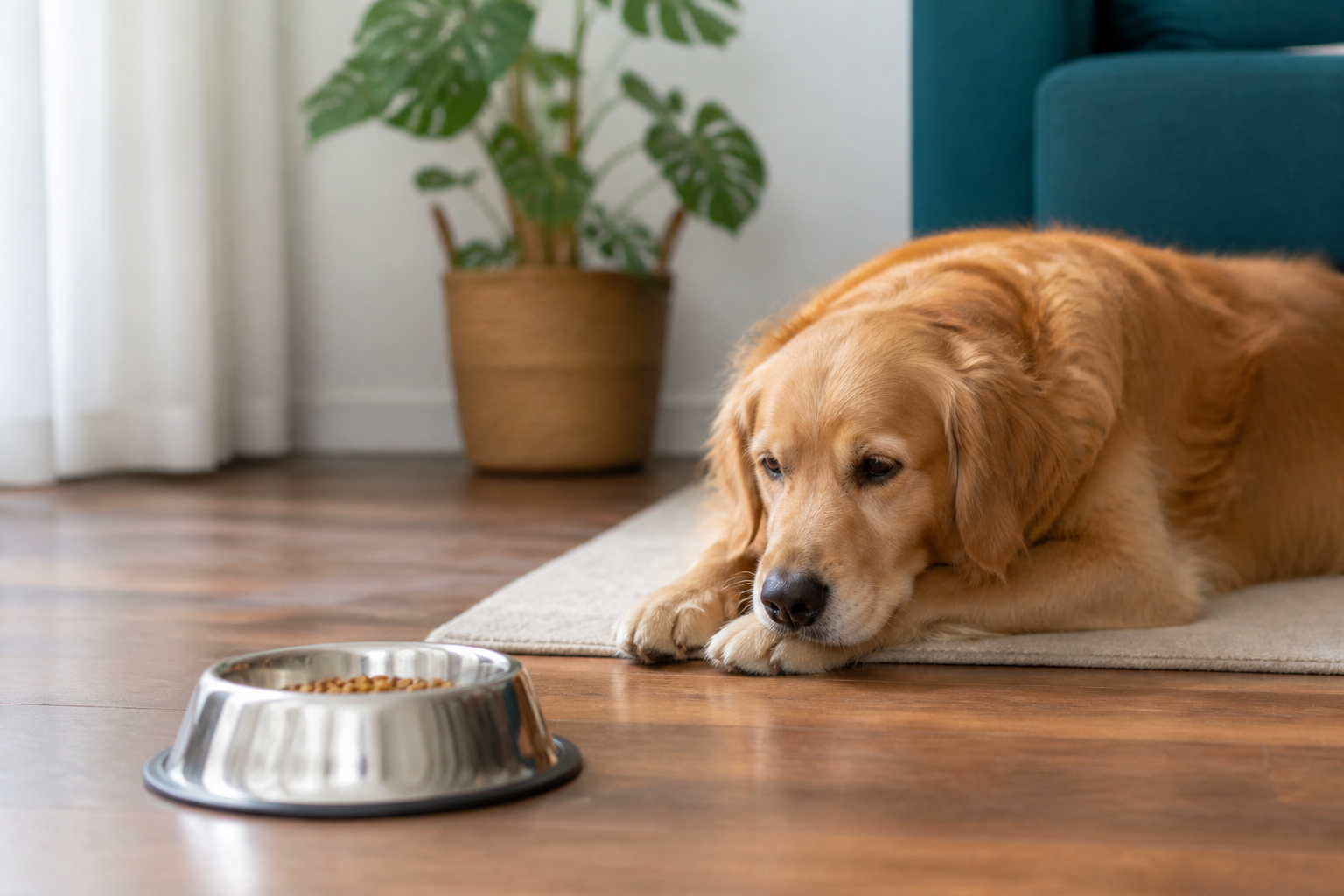
You set the bowl down and hear the familiar clatter of kibble hitting the ceramic. Your dog trots over, takes one sniff, and walks away with a sigh. It is a moment of pure frustration for any pet parent. You know the food is high quality, and you know your dog has to eat. Yet, the bowl stays full while those puppy eyes beg for a piece of your sandwich.
At BaxterBoo, we talk to owners every day who are dealing with this exact standoff. It is one of the most common hurdles in pet care. Sometimes the fix is a simple change in how you store the bag. Other times, it is a sign that your dog needs a checkup with the vet. This post covers the behavioral, medical, and environmental reasons for food refusal. We will help you figure out if your dog is being picky or if there is a deeper issue.
Quick Answer: A dog might refuse dry food due to dental pain, boredom, or holding out for treats. It can also happen if the kibble has gone stale or if the dog is feeling stressed. If your dog refuses all food for more than 24 hours, you should contact your veterinarian.
Ruling Out Medical Concerns First
Before you assume your dog is just being stubborn, you must rule out physical discomfort. A sudden change in appetite is often the first sign that a dog does not feel well. Dogs are experts at hiding pain. They may want to eat but find the act of chewing or swallowing too difficult.
Dental and Oral Pain
Dry food is hard. If a dog has a broken tooth, a gum infection, or a growth in their mouth, crunching down on kibble can be painful. You might notice your dog picks up a piece of food and then drops it. They might also tilt their head to one side while chewing. If they eagerly eat soft treats but avoid the hard kibble, their teeth are the likely culprit.
Gastrointestinal Upset
Nausea is a powerful appetite killer. If your dog has a sensitive stomach or ate something they shouldn't have on a walk, they may avoid their food. This refusal is often accompanied by a gurgling stomach or lethargy. While a missed meal is not always an emergency, persistent nausea needs professional attention.
Senior Health Changes
As dogs age, their senses of smell and taste often decline. If they cannot smell their food, they are much less likely to want to eat it. Senior dogs are also more prone to chronic conditions like kidney or liver issues. These illnesses can cause a lingering sense of malaise that makes a standard bowl of dry food seem unappealing.
Vet Tip: If your dog stops eating and shows signs like vomiting, diarrhea, or extreme lethargy, call your vet immediately. Our pharmacy partnership with Pet's Choice provides access to prescription diets like Farmina Vet Life if your vet determines a medical condition is causing the loss of appetite. You can also browse our pet pharmacy for available veterinary products.
Behavioral Reasons for Kibble Refusal
If your vet gives your dog a clean bill of health, the problem is likely behavioral. Dogs are highly intelligent. They learn very quickly how to get what they want from their humans.
The "Better Option" Strategy
Does your dog get a lot of table scraps? Do they get a treat every time they sit? If your dog knows that refusing kibble eventually leads to a piece of chicken or a spoonful of wet food, they will wait you out. They are essentially training you to provide a better menu.
Too Many Treats
Treats should only make up about 10% of your dog’s daily calories. If you are training a new puppy or rewarding a senior dog throughout the day, they might simply be full. A dog who has eaten a handful of high calorie training treats is not going to be hungry for a bowl of plain dry food.
For more ideas about choosing food for selective eaters, read our guide to dry dog food for picky eaters.
Boredom and Preference
Some dogs genuinely get bored with the same flavor every day for years. While many dogs are happy with a consistent routine, others have a drive for variety. This is especially common in smaller breeds like Yorkshire Terriers or Chihuahuas. They may just want a different protein source or a change in texture.
Environmental Factors and Stress
A dog's environment plays a huge role in how comfortable they feel during mealtime. If something in their world has changed, their appetite is often the first thing to go.
Changes in Routine
Dogs thrive on predictability. If you have recently moved to a new house, started a new job, or brought home a new baby, your dog may feel anxious. This anxiety can manifest as a lack of interest in food. Even moving the food bowl to a different room can be enough to throw some sensitive dogs off their rhythm.
For additional guidance, see our advice for helping your dog adjust during a move.
Feeding Area Stress
Take a look at where you feed your dog. Is it a high traffic area? Is there a loud appliance nearby that clicks or hums? If a dog feels vulnerable while eating, they might avoid the bowl. For homes with multiple pets, ensure that one dog isn't "guarding" the kitchen or hovering over the other. This subtle bullying can make a submissive dog too nervous to eat.
Separation Anxiety
Some dogs are "social eaters." They only feel comfortable eating when their pack is together. If you put the food down and then immediately leave for work, your dog may wait until you get home to touch it. This is a common sign of mild separation anxiety.
Key Takeaway: Food refusal is often a communication tool. Your dog is telling you they are either in pain, bored with their routine, or feeling stressed by their environment.
Issues with the Food Itself
Sometimes the problem isn't the dog. It is the food. Even if the bag is not expired, the quality of the kibble can change quickly after you open it.
Stale or Spoiled Kibble
Once you break the seal on a bag of dog food, the clock starts ticking. The fats and oils in the kibble begin to oxidize when they hit the air. This process makes the food smell and taste "off" to a dog's sensitive nose. Most kibble stays fresh for about two to three weeks after opening. If you buy a massive bag for a tiny dog, the food may be stale long before you reach the bottom.
For more storage guidance, read how long dry dog food can stay fresh.
Improper Storage
Keeping food in its original bag is actually the best way to store it. These bags are designed to keep moisture and air out. If you pour the kibble directly into a plastic bin, the oils can seep into the plastic and go rancid over time. This leaves a permanent smell that can spoil the next batch of fresh food you pour in.
Ingredient Sensitivities
Your dog might have developed a mild intolerance to an ingredient in their current food. If a certain brand makes them feel slightly bloated or itchy, they might associate the bowl with that discomfort. Switching to a limited ingredient diet from a brand like The Honest Kitchen or Zesty Paws can sometimes help identify these triggers.
Practical Steps to Encourage Eating
If your dog is healthy but still refuses their dry food, you can use these strategies to make the meal more enticing. The goal is to make the kibble the star of the show again.
Adding Moisture and Warmth
Adding a splash of warm water or low sodium bone broth is the easiest way to help. The warmth releases the fat molecules in the kibble and creates a much stronger aroma. It also changes the texture from a hard crunch to something softer and easier to swallow.
Using Toppers Wisely
Toppers are a great tool, but you must use them correctly. If you just put a scoop of wet food on top, your dog will lick the wet food off and leave the dry.
- Choose a high quality topper like Stella & Chewy’s meal mixers.
- Crumble the topper over the dry food.
- Mix it thoroughly so every piece of kibble is coated.
- This prevents the dog from picking out the "good parts."
The 15 Minute Rule
Stop leaving the food bowl down all day. This is called free feeding, and it removes the value of the meal. Instead, put the bowl down for exactly 15 minutes. If the dog does not eat, pick the bowl up and put it away until the next scheduled mealtime. Do not give any treats in between. This teaches your dog that food is a limited resource and they need to eat when it is offered.
Increase Physical Activity
A tired dog is a hungry dog. If your dog hasn't had much exercise, their metabolism might be sluggish. A long walk or a vigorous play session about 30 minutes before mealtime can stimulate their appetite. The natural drop in blood sugar after exercise often makes them much more interested in their bowl.
How to Properly Transition to a New Food
If you decide that your dog truly dislikes their current brand, do not switch them overnight. A sudden change can cause diarrhea and gas, which will only make the food refusal worse. Follow this transition schedule over 10 days:
- Days 1 to 3: 25% new food mixed with 75% old food.
- Days 4 to 6: 50% new food mixed with 50% old food.
- Days 7 to 9: 75% new food mixed with 25% old food.
- Day 10: 100% new food.
This slow move allows the beneficial bacteria in your dog's gut to adjust to the new protein and fiber levels. We carry a wide range of premium brands in our dog food category, including Acana, Orijen, and Open Farm, which offer different kibble sizes and flavor profiles for picky eaters.
For another step-by-step approach, read our guide to transitioning a dog to a new food.
Managing Multi-Pet Households
In a house with multiple dogs, the dynamic at the food bowl can be complicated. Even if you don't see growling or snapping, there might be "staring contests" happening. One dog might be intimidated by the presence of another, leading them to walk away from their food.
Try feeding your dogs in separate rooms or behind a baby gate. This gives the nervous eater the privacy they need to relax. It also prevents the faster eater from hovering and waiting for the other dog to finish. When a dog feels they don't have to compete or protect their resource, they often eat more consistently.
Bottom line: Solving a food refusal issue requires a mix of patience, high quality ingredients, and a strict routine.
Conclusion
Seeing your dog refuse a meal can be stressful, but most cases of kibble boredom are fixable with a few simple adjustments. Start by checking the freshness of your food and ensuring there are no underlying dental issues. Once you rule out health problems, stick to a firm feeding schedule and consider adding a nutritious topper to boost the aroma.
At BaxterBoo, we are committed to helping you find the right solutions for your pet. Whether you need a specialized diet from our pet pharmacy or a new puzzle toy to make mealtime more engaging, we have the expertise to guide you. If the refusal persists, always consult your veterinarian to ensure your dog stays on the right track for long term health. Our Autoship program is a great way to ensure you always have fresh food arriving exactly when you need it so your kibble never has a chance to go stale.
FAQ
Why did my dog suddenly stop eating dry food but still eats treats?
This is usually a behavioral sign that your dog is holding out for higher value rewards. Treats are often saltier and smell stronger than standard kibble. If there are no medical issues, your dog has likely learned that refusing a meal leads to you offering something better.
Can I mix wet food with dry food every day?
Yes, mixing wet and dry food is a great way to increase hydration and improve the taste of a meal. Just be sure to calculate the total calories so you do not overfeed your pet. It is best to stir the two together thoroughly so your dog cannot pick out only the wet portions.
How long can a dog go without eating their dry food?
A healthy adult dog can usually go 24 to 48 hours without food as long as they are still drinking water. However, you should not let it go this long without a plan. If your dog misses more than two meals in a row, it is time to look for signs of illness or call your vet.
Does dry dog food really go bad in the bag?
Yes, kibble contains fats that begin to go rancid once exposed to oxygen. While it may not look moldy, the flavor and nutritional value decline after about three weeks. Always check the "best by" date and store the bag in a cool, dry place inside an airtight container.






