
 Save 15% on your 1st Autoship learn more

 Email us
 Live Chat
 FAQs
FAQs





Introduction
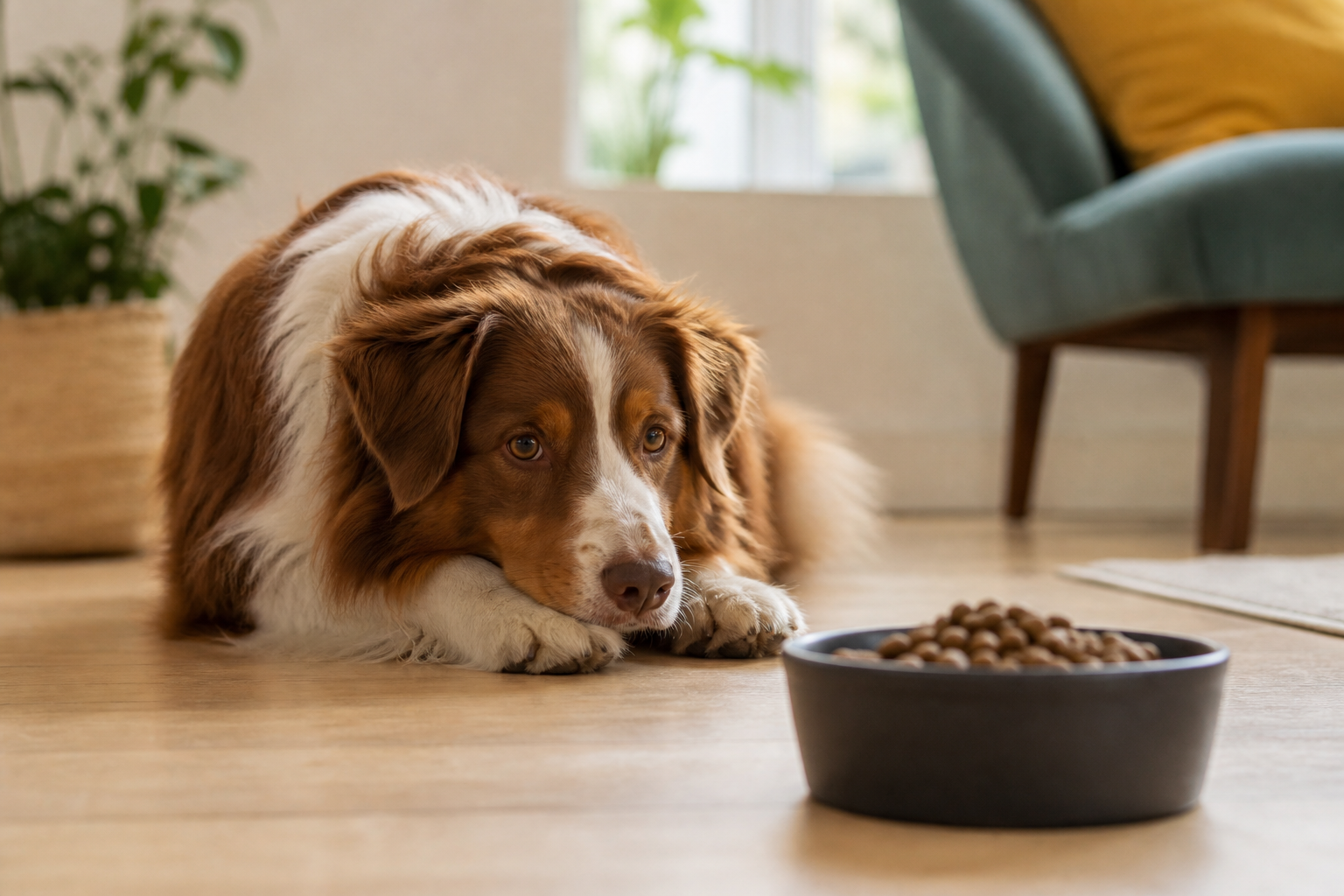
You walk into the kitchen and find a messy surprise on the floor. Your dog looks a little sluggish. Their tail is not wagging quite as fast as usual. You immediately start retracing your steps. Did they get into the trash? Did they eat a strange plant in the yard? Often, the answer lies right in the food bowl. While dry kibble is a convenient staple for most of us, it can sometimes be the direct cause of digestive upset. At BaxterBoo, we have helped pet parents navigate nutrition since 2006. We know that even the most popular brands can occasionally disagree with a specific dog. This post explores why dry food causes loose stools and how you can restore your dog's gut health. Understanding these triggers will help you keep your home clean and your dog comfortable.
The Role of Ingredient Quality and Fillers
Not all dry dog foods are created equal. Many budget friendly options rely heavily on fillers to keep costs down. Ingredients like corn, wheat, and soy are common. While many dogs handle these grains well, others have sensitive systems. These fillers can irritate the lining of the digestive tract. When irritation occurs, the gut cannot absorb water properly. This leads to the loose, unformed stools you see on the floor.
High fat content is another factor to consider. Dogs need healthy fats for energy and a shiny coat. However, a diet that is too rich can overwhelm the gallbladder and pancreas. If the body cannot process the fat quickly enough, it moves through the system too fast. This results in greasy or soft stools. We carry over 500 trusted brands like Orijen, Acana, and Stella and Chewy's. These brands prioritize whole proteins over cheap fillers. Browse our dog food category to compare available formulas.
Quick Answer: Dry dog food causes loose stools if it contains low quality fillers, hidden allergens, or excessive fat. Rapidly switching brands or feeding spoiled kibble are also very common triggers for digestive upset.
Why Sudden Diet Changes Disrupt Digestion
The most common reason for loose stools is a sudden change in diet. Your dog’s gut is home to a complex balance of bacteria. This is often called the microbiome. These bacteria become experts at breaking down the specific proteins and fibers in your dog's current food. When you suddenly pour a bowl of a brand new recipe, the microbiome is caught off guard.
A rapid switch causes a "colic" effect in the intestines. The gut begins to move too quickly. Waste is expelled before the large intestine can soak up the moisture. This is why we always recommend a slow transition. This process should take at least seven to ten days. For additional guidance, read our guide to selecting dry dog food.
How to Transition Food Safely
Step 1: Mix 25% of the new food with 75% of the old food for three days.
Step 2: Increase to a 50/50 split for the next three days.
Step 3: Move to 75% new food and 25% old food for two more days.
Step 4: Serve 100% of the new food if the stools remain firm.
Vet Tip: If your dog has a history of severe digestive reactions, extend the transition to 14 days. Adding a spoonful of plain canned pumpkin can also provide extra fiber to help firm up stools during the switch.
The Hidden Danger of Improper Storage
Many pet owners do not realize that dry food can go bad. Kibble contains fats and oils that are sensitive to oxygen and heat. Once you open a bag, the oxidation process begins. If the food is stored in a warm garage or a damp pantry, those fats can go rancid. Consuming rancid fats causes acute inflammation in the gut.
Moisture is another enemy. If the bag is not sealed tightly, microscopic mold can grow on the kibble. You might not see it or smell it. However, your dog's digestive system will certainly react to it. Always keep kibble in its original bag. Place that bag inside a sealed, airtight container. This provides a double barrier against air and pests. For more storage guidance, see how long dry dog food stays fresh once opened.
- Wash your storage bins between every new bag of food.
- Check the "best by" date before purchasing.
- Do not buy bags so large that they take more than six weeks to finish.
- Keep the food in a cool, dry place inside your home.
Bottom line: Freshness is just as important as the ingredient list when it comes to preventing loose stools.
Overfeeding and Osmotic Diarrhea
Sometimes the problem is not the quality of the food. It is the quantity. Overfeeding is a frequent cause of what experts call osmotic diarrhea. This happens when there is more food in the digestive tract than the body can process at once. The excess nutrients draw extra water into the colon.
Many owners use a random coffee mug or "eyeball" the portions. This leads to accidental overfeeding. A high quality, calorie dense food requires smaller portions than a lower quality brand. If you switch to a premium brand like Farmina or The Honest Kitchen, you must read the feeding guide carefully. You might find that your dog needs significantly less food than before. Use our dry dog food selection when comparing formulas and feeding options.
Food Sensitivities vs. True Allergies
A dog can develop a sensitivity to a specific ingredient at any time. This often happens after years of eating the same protein. Chicken and beef are the most common culprits. When a dog is sensitive to an ingredient, their gut becomes chronically inflamed. This results in persistent soft stools that never quite firm up.
A true food allergy often involves the immune system. You might see itchy skin, red ears, or paw licking alongside the loose stools. If you suspect a sensitivity, a limited ingredient diet may help. These recipes use novel proteins like duck, venison, or lamb. BaxterBoo offers many limited ingredient options to help soothe these sensitive systems. Our dog healthcare category is another place to explore supportive products.
Key Takeaway: Chronic loose stools often signal a food sensitivity that requires a switch to a limited ingredient diet or a novel protein source.
When to Consult Your Veterinarian
Diet is a common cause of loose stools, but it is not the only one. Parasites, bacterial infections, and stress can also play a role. You should monitor your dog closely during any bout of diarrhea. If the stools contain blood or look like black tar, call your vet immediately.
Persistent diarrhea can lead to dehydration very quickly. This is especially dangerous for puppies and senior dogs. If the loose stools last more than 48 hours, a professional exam is necessary. Your vet may recommend a prescription gastrointestinal diet. These foods are specially formulated to be incredibly easy to digest. For related nutrition information, read our article about choosing dry dog food.
Vet Tip: Always bring a fresh stool sample to your appointment. This helps your vet rule out parasites like giardia or roundworms which often mimic food related digestive issues.
Managing Health with Our Pharmacy
Ongoing digestive issues often require more than just a standard bag of kibble. Some dogs need prescription diets or medications to manage chronic conditions like Inflammatory Bowel Disease. Through our partnership with Pet's Choice, we offer a full pharmacy. We carry FDA approved medications and prescription pet foods. Explore our pet pharmacy when your veterinarian recommends prescription support.
Our pharmacy provides access to brands like Royal Canin Veterinary Diet and Farmina Vet Life. These are designed for dogs with severe allergies or sensitive stomachs. If your vet prescribes a specific food or a course of probiotics, we can help you get it delivered to your door. This makes managing a chronic health condition much easier for you and your pet.
Solutions for a Sensitive Stomach
If your dog has occasional loose stools but seems healthy, you can try a few home remedies. A 12 to 24 hour fast allows the digestive tract to rest. Only do this for healthy adult dogs. Always provide plenty of fresh water during a fast. After the fast, introduce a bland diet.
The Bland Diet Method
- Mix one part boiled, skinless chicken with two parts plain white rice.
- Do not add any oils, butter, or seasonings.
- Feed small meals every few hours instead of one large meal.
- Gradually mix back in their regular dry food over several days.
Probiotics are another helpful tool. These supplements add "good" bacteria back into the gut. Brands like Zesty Paws or Honest Paws offer probiotics that can support long term digestive health. We find that many dogs on a consistent probiotic supplement have much firmer stools. You can also browse our dog food supplement selection for toppers and related options.
Key Takeaway: A short fast followed by a bland diet is the standard way to reset a dog's digestive system after a minor upset.
The Importance of Routine and Consistency
Dogs thrive on routine. Their digestive systems work best when they eat the same amount at the same time every day. Inconsistent feeding schedules can cause stress. Stress triggers a release of cortisol. This hormone can speed up the digestive process and lead to loose stools.
Try to keep your dog's environment calm. Avoid giving them too many table scraps or rich treats. Even a small piece of bacon can cause a major upset in a sensitive dog. If you want to reward your dog, stick to high quality, single ingredient treats. We carry many options from brands like Real Meat Co and Vital Essentials that are gentle on the stomach.
Using Autoship for Consistent Nutrition
Consistency is the enemy of loose stools. Running out of your dog's specific food and grabbing a random bag from the grocery store is a recipe for disaster. This forced sudden change is a leading cause of vet visits. To prevent this, we offer our Autoship programme.
Autoship ensures your dog’s preferred food arrives at your door before the bag is empty. You can set the frequency based on how much your dog eats. This program also grants you a free MVP Gold membership. This helps you save money while keeping your dog's diet stable. Stable nutrition leads to stable digestion.
Final Steps for Your Dog's Health
Loose stools are a common part of dog ownership. However, they do not have to be a constant struggle. By choosing high quality food and managing transitions carefully, you can prevent most issues. Pay attention to how you store your food and how much you feed. These small changes make a massive difference in your dog's daily comfort.
If your dog continues to struggle, remember that professional help is available. Our pharmacy and Pet's Choice partnership are here to provide the prescription support your dog might need. We are committed to helping you find the right balance of nutrition and care for your furry family member.
Bottom line: Quality ingredients, proper storage, and gradual transitions are the three pillars of maintaining firm stools in dogs.
FAQ
Can dry food cause diarrhea if the bag is old?
Yes, dry food contains fats that can go rancid over time. Once the fats oxidize, they can irritate your dog's digestive tract and cause loose stools. It is best to use a bag within six weeks of opening and check the expiration date before feeding.
What is the best ingredient for firming up a dog's stool?
Fiber is the most effective tool for firming up stools. Plain canned pumpkin (not pie filling) is a favorite for many pet parents. You can also look for dry foods that include beet pulp or miscanthus grass, which are excellent sources of gentle fiber.
Is grain free food better for dogs with loose stools?
Not necessarily. While some dogs are sensitive to grains like wheat or corn, others may be sensitive to the legumes often used in grain free recipes. It is more important to find a high quality protein source and avoid low quality fillers, whether the food contains grains or not.
How do I know if the loose stools are from food or a virus?
Food related issues usually happen shortly after a meal or a change in diet. If your dog is still energetic and eating well, it is likely the food. If they are vomiting, lethargic, or have a fever, it is more likely a virus or infection and requires a vet visit.






