
 Save 15% on your 1st Autoship learn more

 Email us
 Live Chat
 FAQs
FAQs





Introduction
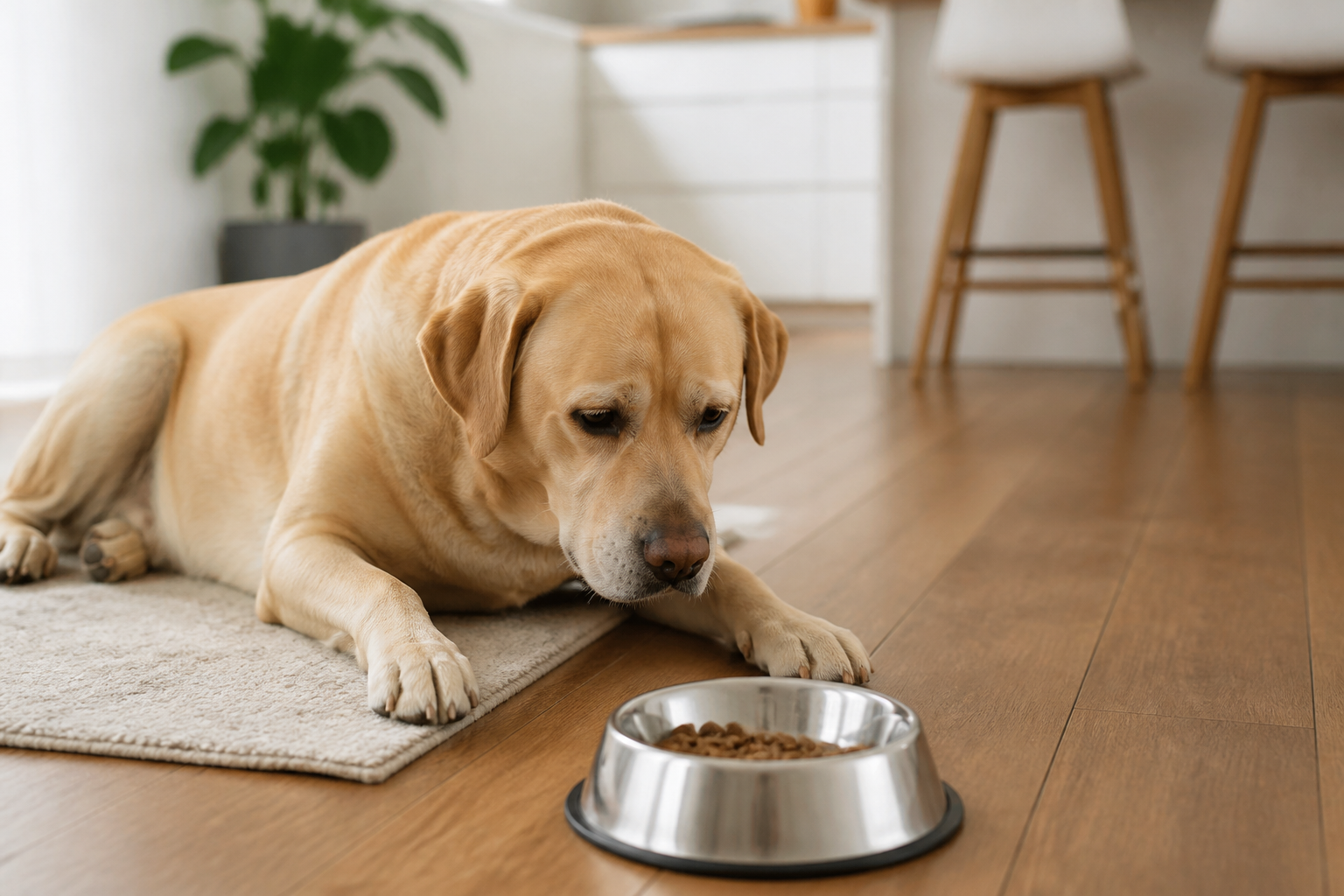
You fill the bowl with the same kibble your dog usually loves. You set it down and wait for the familiar crunching sound. Instead, your dog takes one sniff and walks away. This moment is incredibly stressful for any pet owner. At BaxterBoo, we talk to many neighbors and customers who are facing this exact problem. It is a common challenge that can stem from medical issues, behavioral changes, or even simple boredom. This article explores the various reasons your dog might turn their nose up at their dinner. We also provide practical steps to help your pup find their appetite again. Understanding the root cause is the first step toward a happy, healthy mealtime routine.
Potential Medical Reasons for Appetite Loss
If your dog suddenly stops eating their dry food, the first priority is ruling out a health problem. Dogs are masters at hiding discomfort. A change in appetite is often the first sign that something is wrong.
Dental Pain and Oral Health
Kibble is hard and crunchy. If your dog has a broken tooth, an abscess, or inflamed gums, chewing that hard food can be painful. You might notice your dog sniffing the bowl with interest but hesitating to bite down. They might even drop pieces of food after picking them up. Periodontal disease is very common in adult dogs. If it hurts to crunch, your dog will naturally avoid the bowl. For more support on oral-care solutions, browse our dog healthcare selection and our dog grooming supplies.
Gastrointestinal Issues
A simple upset stomach can make a dog avoid food. This might be caused by something they scavenged in the yard. However, more serious issues like pancreatitis, inflammatory bowel disease, or a blockage can also cause a loss of appetite. If your dog is nauseous, the smell of their regular dry food might be off-putting.
Systemic Illness
Sometimes, a lack of appetite is a symptom of a larger issue. Problems with the kidneys, liver, or heart can make a dog feel generally unwell. Infections or fever will also cause a dog to lose interest in eating.
Vet Tip: If your dog has not eaten for more than 24 hours, or if the lack of appetite is accompanied by vomiting, diarrhea, or lethargy, please contact your veterinarian immediately for a checkup.
Behavioral Reasons and Picky Eating
Not every dog who refuses kibble is sick. Some dogs are simply selective. This behavior often develops over time.
The Smart Dog Strategy
Dogs are very observant. They learn quickly that if they refuse their regular dry food, you might offer something better. If you frequently replace their kibble with pieces of chicken, wet food, or table scraps, your dog may be holding out for the upgrade. This is not necessarily a lack of appetite. It is a preference for high value rewards.
Food Boredom
While many dogs are happy to eat the same meal every day, some crave variety. If a dog has been on the exact same formula for years, they may simply become bored with the flavor profile. This is especially common in breeds that are not highly food motivated. For more ideas on keeping mealtime interesting, take a look at our dog treats collection.
Overfeeding and Treats
If your dog is getting too many treats throughout the day, they may not be hungry by the time dinner rolls around. Treats should never make up more than 10 percent of a dog’s daily caloric intake. If neighbors or family members are sneaking extra snacks to your pet, their stomach might already be full when the kibble hits the bowl.
Key Takeaway: Behavioral pickiness is often reinforced by our reactions. If your dog knows a better option is coming, they will wait for it.
Environmental Stress and Changes
Dogs thrive on routine. When that routine is disrupted, their appetite is often the first thing to change.
Changes in the Household
Moving to a new home is a major stressor for dogs. Even smaller changes can have an impact. A new baby, a new pet, or even a change in your work schedule can cause anxiety. An anxious dog often loses interest in food. They may feel the need to stay alert rather than focus on eating.
Noise Anxiety
If something scary happened near the food bowl, your dog might associate the bowl with fear. Loud noises like thunder, fireworks, or even a loud construction project next door can cause this. If a heavy object fell near them while they were eating, they might be hesitant to return to that spot.
Separation Anxiety
Some dogs only feel comfortable eating when their owners are home. If you leave the house and the bowl remains full until you return, your dog might be dealing with separation anxiety. They are too worried about your absence to relax and eat.
Issues with the Dry Food Itself
Sometimes the problem is not with the dog. It is with the food. Dry food can change over time.
Stale or Spoiled Kibble
Once a bag of dry food is opened, the fats and oils inside begin to oxidize. This process makes the food go stale. Most bags of kibble should be used within two to three weeks of opening. If you buy a massive bag for a small dog, the food at the bottom may be rancid by the time you reach it. Dogs have a sense of smell that is much stronger than ours. They can smell spoilage long before we can. For a deeper look at freshness, read our guide to how long dry dog food stays fresh once opened.
Formula Changes
Manufacturers sometimes change their recipes. They might swap one protein source for another or change the vitamin mix. Even if the bag looks the same, the taste might be different. If your dog is sensitive to flavor changes, they might reject a new bag of their old favorite.
Improper Storage
Humidity and heat are the enemies of dry food. At BaxterBoo, we always recommend keeping kibble in its original bag inside an airtight container. If the food is stored in a warm garage or a damp basement, it will spoil quickly. This can lead to mold growth or the loss of nutritional value.
How to Make Dry Food More Appealing
If you have ruled out medical issues with your vet, you can try several strategies to encourage your dog to eat their kibble again.
Adding Warm Water or Broth
Adding a small amount of warm water to the bowl can do wonders. It softens the texture for older dogs. It also releases the aromas of the fats and proteins in the food. This makes the meal smell much more appetizing. You can also use a dog-safe bone broth. Ensure the broth does not contain onions, garlic, or excessive salt.
Using High Quality Toppers
Toppers are a great way to add interest without completely changing the diet. A little extra flavor can make a big difference at mealtime, especially when you choose from our food topper selection. This adds a burst of flavor that most dogs find hard to resist.
Mixing in Wet Food
If your dog is adamant about wanting wet food, try a gradual mix. Stir a spoonful of high quality canned food into the dry pieces. Ensure every piece of kibble is coated. Over time, you can slowly reduce the amount of wet food as your dog regains their interest in the crunch. If you need a step-by-step refresher, see our tips for mixing dry dog food with wet.
Salmon Oil and Supplements
A pump of salmon oil can provide a strong, enticing scent. It also offers omega fatty acids for skin and coat health. Supplements from brands like Zesty Paws can also be used as a "flavor booster" while providing health benefits.
Quick Answer: Your dog may stop eating dry food due to dental pain, stomach issues, or behavioral pickiness. Rule out medical problems first, then try enhancing the food's aroma with warm water or high-quality toppers.
Establishing a Better Feeding Routine
Consistency is the best tool for managing a picky eater. If your dog knows exactly what to expect, they are more likely to comply.
The 20 Minute Rule
Put the bowl down and walk away. Give your dog 20 minutes to eat. If they have not touched the food by then, pick the bowl up. Do not offer treats or table scraps until the next scheduled mealtime. This teaches your dog that food is not available all day. It also creates a sense of "use it or lose it" regarding their dinner.
Increase Exercise Before Meals
A tired dog is usually a hungry dog. Try scheduling your long walk or play session right before dinner. The physical activity stimulates the metabolism. It also triggers the natural drive to eat after a "hunt" or period of activity.
Use Puzzle Feeders
Some dogs find a standard bowl boring. Using a puzzle toy or a snuffle mat can turn mealtime into a game. This engages their brain and can make the dry food seem like a reward rather than a chore.
When to Seek Veterinary Help
We cannot emphasize enough that appetite loss can be serious. You know your dog better than anyone else. If their behavior seems "off" in addition to the lack of eating, trust your gut.
Signs of an Emergency
- Your dog refuses food and water.
- Your dog is retching or has a bloated abdomen.
- Your dog is lethargic or unresponsive.
- Your dog is showing signs of extreme pain.
Chronic Conditions and Prescription Diets
If your vet discovers an underlying condition like kidney disease or food allergies, they may prescribe a specific therapeutic diet. These foods are formulated to manage symptoms while providing balanced nutrition. Our pharmacy carries a wide range of these prescription pet foods, and it can be a vital part of managing your dog’s long term health. If you want to explore medication and diet support, visit our pet pharmacy and our pharmacy for dogs.
Bottom line: Always prioritize a veterinary consult if the loss of appetite is sudden or accompanied by other symptoms.
Transitioning to a New Dry Food
If you decide that your dog truly dislikes their current brand, a slow transition is necessary. Do not switch foods overnight. This can cause severe digestive upset.
Step 1: Mix 25 percent of the new food with 75 percent of the old food. / Do this for two to three days while watching for any changes in stool or energy.
Step 2: Move to a 50/50 split. / Continue this for another two to three days. If your dog is picking out only the new food, they clearly prefer the flavor.
Step 3: Increase to 75 percent new food and 25 percent old food. / This allows the gut bacteria to adjust to the new ingredients and fiber levels.
Step 4: Transition to 100 percent of the new food. / By this point, your dog should be fully adjusted to the new brand.
Supporting Your Dog's Long Term Health
Managing your dog’s appetite is about more than just one meal. It is about their overall wellness. At BaxterBoo, we focus on providing the tools you need for every stage of your pet's life.
Whether you are looking for a new premium kibble from brands like Stella & Chewy's or Orijen, or you need to stock up on dental chews like Greenies to keep those teeth healthy, we have you covered. Remember that maintaining oral health is one of the best ways to prevent future appetite issues. Regular brushing and professional cleanings can prevent the pain that often leads to kibble rejection.
If your dog’s pickiness is related to anxiety, consider calming supplements or pheromone diffusers. Sometimes, simply lowering the stress level in the home can bring back a healthy appetite. We carry various options to help soothe anxious pets during transitions or stressful events.
Conclusion
Seeing your dog refuse their dry food is a clear signal that something has changed. By checking the freshness of the food, ruling out dental pain with a vet, and reducing the number of daily treats, you can usually find the solution. Most dogs can be encouraged back to their kibble with simple additions like warm water or a high quality topper.
- Rule out medical and dental issues first.
- Check food for freshness and store it properly.
- Limit treats and maintain a strict feeding schedule.
- Use toppers or warm water to boost the aroma.
If your vet determines that your dog needs specialized care, our pharmacy offers prescription diets and related support. You can also save time and money by using our Autoship program for your dog’s favorite dry food and supplements. For even more inspiration, check our MVP Rewards programme to make repeat purchases go further.
Key Takeaway: Patience and a consistent routine are your best tools for helping a picky eater return to their regular dry food diet.
FAQ
Why will my dog eat treats but not his dry food?
Treats are often higher in fat and protein than regular kibble. This makes them much more appealing. Your dog may be holding out for these "high value" items because they know you will offer them if the dry food is refused. It is a behavioral choice rather than a lack of hunger.
How long can a dog safely go without eating?
Most healthy adult dogs can go 24 to 48 hours without eating without serious harm. However, you should never wait this long if your dog is also refusing water. Puppies, senior dogs, and dogs with underlying health conditions should be seen by a vet much sooner if they stop eating.
Is it okay to mix wet food and dry food together?
Yes, mixing wet and dry food is a great way to increase the appeal of a meal. It adds moisture and aroma to the kibble. Just be sure to calculate the total calories to avoid overfeeding. If you use this method, ensure you stir it well so your dog cannot pick out the wet pieces and leave the dry kibble behind.
When should I worry that my dog's lack of appetite is a medical emergency?
You should seek immediate help if the refusal to eat is paired with vomiting, diarrhea, a distended stomach, or extreme lethargy. If your dog seems to be in pain when you touch their mouth or abdomen, this is also a sign of a medical issue. A sudden change in a normally food motivated dog is always worth a call to the vet.






