
 Save 15% on your 1st Autoship learn more

 Email us
 Live Chat
 FAQs
FAQs





Introduction
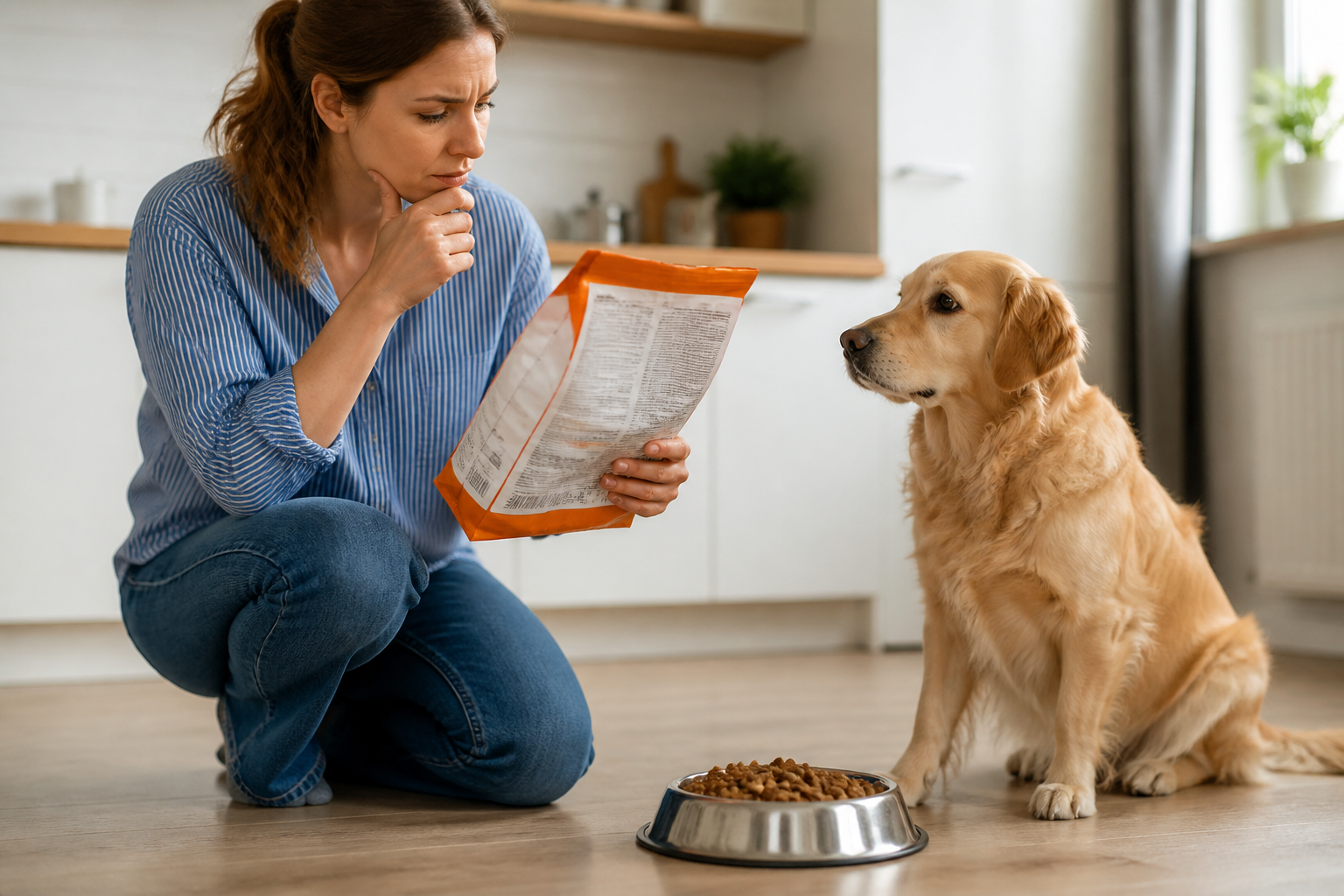
You are standing in the pet food aisle or looking at your online shopping cart. You notice the price of your favorite bag of kibble has jumped significantly since your last purchase. This moment of sticker shock is something many pet parents are facing today. At BaxterBoo, we hear these concerns from our community every day. While dry dog food remains one of the most convenient ways to feed your pet, the rising costs can feel like a heavy burden on your household budget. This article will explain the complex factors behind these price increases, from high quality ingredient sourcing to global economic shifts. Understanding these costs helps you make informed choices about your dog's nutrition without sacrificing their health or your financial peace of mind.
The Quality of Ingredients and Protein Sourcing
The single biggest factor in the price of dry dog food is what goes into the bag. Most high quality kibble brands have moved away from vague fillers and toward whole food ingredients. This shift is better for your dog but more expensive for the manufacturer. You can compare different formulas in our dry dog food selection.
Whole Meats versus Meat Meals
In the past, many budget brands relied heavily on meat by-products or unidentified "animal meals." Today, many owners look for brands like Farmina or Acana that prioritize whole muscle meat or specific organ meats. Real chicken, beef, and lamb are commodities that compete with the human food supply. When the price of a steak or a chicken breast goes up at your local grocery store, the price of the meat used in dog food usually follows.
The Rise of Novel Proteins
Dogs with sensitivities often require novel proteins like venison, duck, or rabbit. These animals are much more expensive to raise and process than chicken or beef. If your dog requires a specialized protein source to manage allergies, you will likely see a higher price tag. This reflects the limited supply and specialized handling required for these ingredients.
Quick Answer: Dry dog food is getting more expensive due to a combination of higher quality ingredient standards, increased transportation costs, and global inflation. Manufacturers are using more real meat and fewer cheap fillers, which drives up the baseline production cost.
Fruits, Vegetables, and Superfoods
Modern dry foods are often packed with more than just meat and grains. Many premium recipes now include blueberries, spinach, cranberries, and pumpkin. These ingredients provide natural vitamins and antioxidants. However, sourcing fresh produce that meets strict safety standards adds to the total cost. Instead of using cheap synthetic vitamin packs, brands are investing in whole food nutrition, which naturally costs more.
Manufacturing and Specialized Processing
The way food is made also dictates the final price. Not all dry food is produced the same way. The equipment, energy, and time required for different processes vary wildly.
Standard Extrusion
Most dry kibble is made through extrusion. This involves mixing ingredients and cooking them quickly under high pressure and heat. While this is efficient, the energy costs for running large scale extruders have climbed. Electricity and natural gas prices directly impact how much it costs to keep these machines running.
Air-Dried and Freeze-Dried Options
If you have noticed that some bags of "dry" food are exceptionally pricey, they might be air-dried or freeze-dried. Brands like Ziwi Peak or Stella and Chewy's use these methods to preserve nutrients without high heat.
- Air-drying involves circulating cool air over a long period.
- Freeze-drying removes moisture through a vacuum process while the food is frozen.
These methods take significantly longer than standard extrusion. They also require specialized, expensive machinery. You are paying for a product that is closer to a raw diet but offers the convenience of a shelf-stable bag. You can explore our freeze-dried pet food options.
Key Takeaway: You are often paying for the technology used to preserve nutrients. Specialized processing like air-drying provides a higher nutritional density per cup, which is why the price per pound is higher.
Global Supply Chain and Economic Factors
The world has changed significantly in the last few years. The pet food industry has not been immune to global disruptions. There are several "invisible" costs that end up on your receipt.
Transportation and Freight
Dog food is heavy and bulky. Shipping a 30-pound bag from a warehouse to your door or a local store requires a lot of fuel. As diesel and gasoline prices fluctuate, so do shipping rates. Furthermore, many high end brands source specific ingredients from around the world. If a brand gets its lamb from New Zealand or its fish from cold water Atlantic sources, the cost of international freight is built into the price.
Labor Shortages and Rising Wages
Manufacturing plants, warehouses, and delivery services all require human labor. As wages have increased across the United States, the cost of producing and moving goods has gone up. These labor costs are a major factor in why prices have risen across almost every brand in our warehouse.
Packaging Materials
The bag itself is more than just plastic or paper. High quality dry food requires multi-layered packaging with specialized liners to keep oxygen out and fats in. This prevents the food from going rancid. The cost of the raw materials for these bags, including food-grade plastics and resins, has increased.
The Role of Science and Formulation
When you buy a bag of dog food from a trusted brand, you are also paying for the expertise behind the recipe.
Veterinary Nutritionists
Reputable companies employ board-certified veterinary nutritionists to formulate their diets. This ensures the food is "complete and balanced" according to AAFCO standards. This level of professional oversight is expensive. It involves constant testing of ingredient batches to ensure the nutritional profile remains consistent.
Quality Control and Testing
Safety is a massive priority. After several high profile recalls in the industry over the last two decades, manufacturers have invested heavily in testing. They test for pathogens like Salmonella and contaminants like mycotoxins. These laboratory tests are performed on every single batch of food before it leaves the factory. While this increases the price, it provides the safety that pet owners expect for their family members.
Vet Tip: If you are concerned about the cost of food, talk to your veterinarian before switching brands. They can help you determine if a more affordable option still meets your dog's specific nutritional needs based on their age, weight, and activity level.
Specialized Needs and Prescription Diets
Some of the most expensive dry foods on the market are those designed for specific health conditions. These are often referred to as "therapeutic" or "prescription" diets.
Research and Development
Developing a food that can manage kidney disease, urinary stones, or severe skin allergies takes years of clinical research. Companies like Royal Canin and Farmina Vet Life invest heavily in trials to prove their food works for these conditions. This research and development must be recouped through the price of the product.
The BaxterBoo Pharmacy Connection
For pets with chronic health issues, specialized food is often as important as medication. Our pet pharmacy offers access to prescription pet foods and medications. Whether your dog needs a diet for weight management, joint support, or digestive health, we can help you manage these ongoing needs. Having a single source for both your pet's medications and their specialized food can help simplify your care routine.
Key Takeaway: Prescription diets are priced higher because they are legally classified and regulated differently. They require significant clinical testing to ensure they effectively support specific medical conditions.
How to Manage the Rising Costs
While we cannot control global inflation or the price of meat, there are practical ways to save money without compromising on the quality of your dog's diet. For additional ideas, read how to feed your dog for less.
Buy in Bulk
Generally, the larger the bag, the lower the price per pound. If you have the storage space and a container that seals tightly, buying a 25 or 30-pound bag is almost always more cost-effective than buying several small bags. Just ensure you can use the bag within about six weeks to maintain freshness. You can also learn how long to keep dry dog food fresh.
Use the Autoship Program
Consistency is good for your dog's digestion and your wallet. Our Autoship programme is designed to take the stress out of reordering. Not only do you save on your first order, but you also receive a free MVP Gold membership. This helps you plan your budget while ensuring you never run out of food.
Join MVP Rewards
Earning money back on the things you already buy is one of the easiest ways to offset rising prices. The MVP Rewards programme allows you to earn rewards on eligible purchases. These points can be used on future orders, making that premium bag of food a little more affordable over time.
Check for Frequent Buyer Programs
Many of the brands we carry at BaxterBoo participate in frequent buyer programs. This often looks like a "Buy 10, Get 1 Free" or "Buy 12, Get 1 Free" offer. Our Frequent Buyer Program helps track qualifying purchases so you can earn free products faster on the brands your dog already loves.
The Value of High Quality Food
It is easy to focus only on the price at the register, but the cheapest food is not always the most economical in the long run.
Caloric Density
High quality dry foods are usually more nutrient-dense than budget brands. This means you can feed your dog a smaller portion to get the same amount of calories and nutrition. A bag of premium food might last 20% longer than a bag of cheap food filled with "air" and fiber. When you calculate the cost per meal rather than the cost per bag, the gap often narrows.
Long-Term Health Benefits
Feeding a diet rich in high quality proteins and essential fatty acids can lead to a healthier coat, better joint mobility, and a stronger immune system. This often translates to fewer trips to the vet for skin issues, digestive upset, or weight-related problems. Investing in good nutrition today is a proactive way to manage your pet's health costs over their entire lifetime.
A Realistic Look at Your Options
If the price of your current dry food has become truly unsustainable, you do have options. You do not have to feel guilty about looking for a more affordable brand.
Step 1: Compare ingredient labels. / Look for a brand that still lists a named meat (like "Chicken") as the first ingredient but perhaps uses fewer "superfood" additives that drive up the price.
Step 2: Check for AAFCO statements. / Ensure any new food you consider is labeled as "complete and balanced" for your dog's life stage.
Step 3: Transition slowly. / If you decide to switch, mix the new food with the old food over 7 to 10 days. This prevents the stomach upset that often comes with a sudden change in diet. For more guidance, see how to make dry dog food soft.
Step 4: Consult your vet. / Always keep your veterinarian informed of major dietary changes, especially if your dog has an underlying health condition.
Bottom line: While dry dog food prices are rising due to global economic and sourcing factors, choosing the highest quality food you can afford is still a wise investment in your dog's long-term wellness.
Conclusion
The rising cost of dry dog food is a result of a perfect storm of factors: better ingredients, more expensive manufacturing, and global supply chain challenges. At BaxterBoo, we remain committed to providing a curated selection of the best brands at competitive prices. We believe that every pet deserves high quality nutrition, and every owner deserves a transparent look at where their money is going. By using programs like Autoship and MVP Rewards, you can navigate these price increases while continuing to provide the best care for your furry family members. If your dog has specific health needs or requires a prescription diet, remember that our pharmacy is here to support you with expert guidance and prescription products.
Bottom line: You can manage rising pet food costs by buying in bulk, using rewards programs, and focusing on caloric density rather than just the price per bag.
FAQ
Why did the price of my dog food go up so suddenly?
Most recent price jumps are due to a combination of high fuel costs for shipping and the rising price of animal proteins like chicken and beef. Manufacturers also faced significant labor shortages and increased packaging costs, which they eventually had to pass on to consumers.
Is expensive dry dog food actually better than cheap brands?
Not always, but higher prices often reflect better ingredient transparency and more rigorous safety testing. Expensive brands typically avoid vague "meat by-products" and instead use whole muscle meats and identifiable fat sources, which provide more consistent nutrition for your dog.
How can I tell if a cheaper dog food is still healthy?
Look for the AAFCO statement on the back of the bag to ensure it is "complete and balanced." You should also check the ingredient list to make sure a named protein source is the first item and that the food does not rely heavily on artificial colors or flavors.
Can I save money by mixing expensive food with a cheaper brand?
Mixing foods can be a practical way to stretch your budget, provided your dog does not have a sensitive stomach or specific allergies. If you choose this route, make sure both foods are appropriate for your dog's life stage and consult your vet to ensure the nutrient balance remains correct.






